A complete pilgrim record drawn from the existing published article data.
A Journey Through Time: The Temple's Rich History
The origins of Arulmigu Vanabathrakali Amman Temple are deeply rooted in local folklore and ancient traditions, with its establishment believed to date back several centuries. While specific founding dates are often lost to time, oral histories suggest its evolution from a simple shrine in the forest to a more elaborate temple complex. Significant renovations and expansions have occurred over generations, reflecting the continuous devotion of local rulers and communities. These historical layers contribute to the temple's enduring legacy, preserving its spiritual essence through changing eras.
Ancient Origins
The temple's beginnings are shrouded in antiquity, with legends suggesting its presence as a sacred spot for forest deities long before its formal establishment. These ancient roots connect it to the region's spiritual past.
Periods of Renovation
Throughout its history, the temple has undergone various phases of renovation and expansion, notably during the reigns of local chieftains and later with community support, enhancing its architectural grandeur and facilities for devotees.
Enduring Legends
Numerous legends and miraculous tales are associated with the temple, recounting the Goddess's protective interventions and the fulfillment of devotees' prayers, solidifying its revered status.
Architectural Marvels of Vanabathrakali Amman Temple
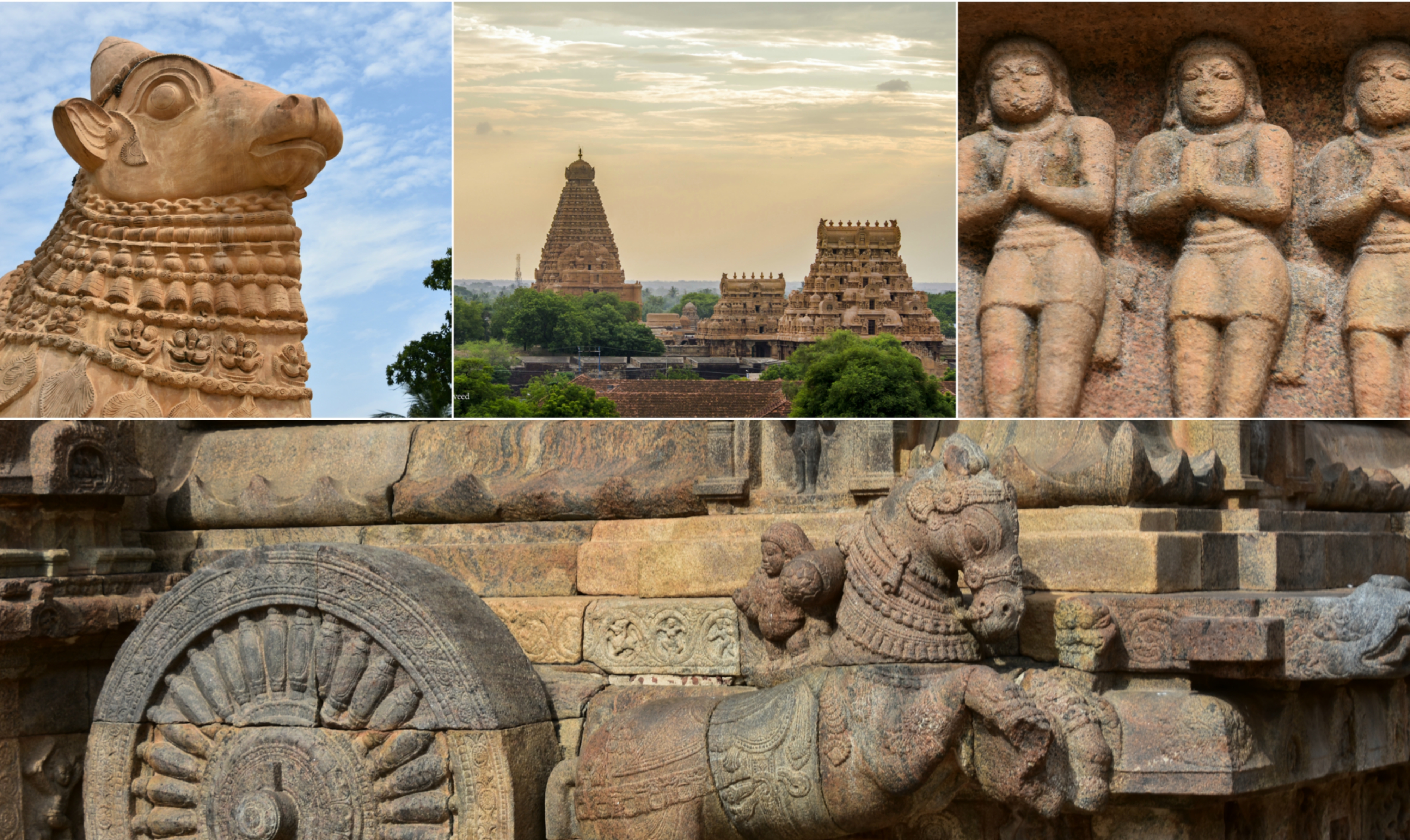
The Arulmigu Vanabathrakali Amman Temple showcases a distinctive traditional Dravidian architectural style, characterized by its intricate craftsmanship and symbolic design elements. The temple complex features a towering gopuram at its entrance, adorned with vibrant sculptures depicting various deities and mythological scenes. Inside, the mandapams (halls) are supported by intricately carved pillars, leading to the sanctum sanctorum where the Goddess resides. Every detail, from the stone carvings to the vibrant paintwork, reflects the rich artistic heritage and spiritual devotion of the region, creating a visually stunning and spiritually immersive environment.
The Majestic Gopuram
The temple's entrance is marked by an impressive gopuram, a multi-tiered tower adorned with numerous stucco figures, serving as a gateway to the sacred space and a visual representation of divine stories.
Intricate Mandapams
Within the temple, several mandapams provide spaces for rituals and congregation. These halls feature pillars intricately carved with mythological figures, floral motifs, and geometric patterns, showcasing exceptional artisan skill.
Symbolic Design
The temple's layout and architectural elements are imbued with symbolic meaning, guiding devotees through a spiritual journey. The design principles adhere to ancient Shilpa Shastras, ensuring sacred geometry and auspicious alignments.
The Fierce Protector: Mythology of Vanabathrakali Amman
Goddess Vanabathrakali Amman is revered as a powerful and fierce manifestation of the Divine Mother, embodying both protective rage against evil and benevolent grace towards her devotees. Her mythology often depicts her emerging from the wilderness (Vanam) to vanquish malevolent forces and restore cosmic order. She is a bestower of strength, courage, and blessings, particularly to those who seek her protection from adversities. Within the broader Hindu pantheon, and specifically within this temple's spiritual context, Maha Vishnu is also revered, often signifying a harmonious integration of divine energies where the Goddess's protective power complements Vishnu's role as the preserver of the universe, offering a holistic spiritual experience.
Manifestation of Shakti
Vanabathrakali Amman represents a potent form of Shakti, the divine feminine energy. Her fierce aspect is a symbol of her unwavering commitment to protecting righteousness and eradicating negativity.
Legends of Protection
Numerous legends recount instances where the Goddess intervened to protect her devotees from dangers, illnesses, and enemies, establishing her reputation as a powerful guardian deity.
Association with Maha Vishnu
While primarily dedicated to Amman, the presence and reverence for Maha Vishnu within the temple complex highlight a syncretic tradition, where the preserving aspect of Vishnu is honored alongside the dynamic energy of the Goddess.
Essential Guide for Pilgrims and Visitors
Visiting Arulmigu Vanabathrakali Amman Temple offers a profound spiritual experience. The temple welcomes devotees from 6:00 AM to 1:00 PM and again from 4:00 PM to 9:00 PM daily. Entry is free for all. The months from October to March are considered the best time to visit, offering pleasant weather. Traditional attire is preferred to maintain the sanctity of the place, and removing footwear before entering the temple premises is customary. A typical visit duration ranges from one to two hours, allowing ample time for darshan and peaceful contemplation.
Temple Timings and Entry
The temple operates in two daily sessions: a morning session from 6:00 AM to 1:00 PM and an evening session from 4:00 PM to 9:00 PM. There is no entry fee.
Dress Code and Etiquette
Visitors are encouraged to wear traditional and modest attire. Removing footwear before entering the temple is mandatory, and maintaining silence is appreciated to preserve the sacred atmosphere.
Transportation and Best Time
The temple is easily accessible by local buses from Mettupalayam Bus Stand (2-3 km) and trains from Mettupalayam Railway Station (2-3 km). The period from October to March is ideal for a visit due to favorable weather conditions.
| Deity | Maha Vishnu |
|---|---|
| Form | Supreme Being, Preserver of the Universe |
| Consort | Lakshmi |
| Sampradaya | Vaishnavism |
| Significance | The Preserver and Protector of the Universe, part of the Hindu Trinity. He is worshipped for cosmic order, sustenance, and salvation. |
The Cosmic Sleep of Vishnu
A foundational myth in Vaishnavism describes Lord Vishnu resting on the cosmic serpent Shesha, floating on the primordial waters during the dissolution of the universe. This state, known as Anantashayana, symbolizes Vishnu's role as the preserver, holding the cosmos within his divine consciousness even during its dissolution. From his navel emerges a lotus, upon which Lord Brahma is born to begin the creation of a new universe, signifying the cyclical nature of time and Vishnu's eternal presence.
Whenever righteousness declines and unrighteousness prevails, I manifest Myself to protect the virtuous and destroy the wicked.
The Lord is the protector of all beings, the supreme soul, and the ultimate refuge for those seeking liberation and peace.
Discovering Arulmigu Vanabathrakali Amman Temple
The Arulmigu Vanabathrakali Amman Temple stands as a revered Hindu pilgrimage site in Mettupalayam, Coimbatore, Tamil Nadu. Dedicated primarily to Goddess Vanabathrakali Amman, a fierce yet benevolent manifestation of the Divine Mother, this temple attracts devotees seeking protection, blessings, and spiritual solace. Its serene location amidst lush surroundings enhances its spiritual ambiance, making it a significant cultural and religious landmark in the region. The temple serves as a focal point for various community gatherings and religious observances throughout the year.
Location and Significance
Situated in the verdant landscapes of Mettupalayam, the temple's strategic location makes it easily accessible. It holds profound spiritual significance for local communities and pilgrims from across Tamil Nadu, serving as a powerful center for devotion to Goddess Amman.
The Presiding Deity
Goddess Vanabathrakali Amman is the primary deity, worshipped for her protective powers and ability to grant boons. Her shrine is the central focus of the temple, embodying strength and maternal care.
🗺 How to Reach
Hover a card to animate the journey on the map
Verified routes to Arulmigu Vanabathrakali Amman Temple, Mettupalayam, Coimbatore
Common Questions
Where is Arulmigu Vanabathrakali Amman Temple: Mettupalayam's Ancient Vishnu Shrine located?
Arulmigu Vanabathrakali Amman Temple: Mettupalayam's Ancient Vishnu Shrine is documented at Coimbatore, Tamil Nadu.
Which deity is associated with Arulmigu Vanabathrakali Amman Temple: Mettupalayam's Ancient Vishnu Shrine?
Arulmigu Vanabathrakali Amman Temple: Mettupalayam's Ancient Vishnu Shrine is associated with Vishnu.