A complete pilgrim record drawn from the existing published article data.
Tracing the Legacy: History of Thayamangalam Mariamman
The history of Arulmigu Thayamanagalam Muthu Mariamman Kovil is steeped in antiquity, though specific founding dates are often part of local oral traditions. It is believed to have been established centuries ago, evolving from a small shrine into the prominent temple seen today. Over time, the temple underwent several significant renovations and expansions, primarily funded by local patrons and community efforts. These developments enhanced its structural grandeur and capacity to accommodate a growing number of devotees. The enduring presence of the temple highlights its continuous spiritual importance and its role as a bedrock of faith in the region.
Ancient Origins
Local legends suggest the temple's origins trace back to an ancient period, with the deity Mariamman manifesting in the region, leading to the construction of a shrine by early settlers.
Key Renovations
Throughout its history, the temple has witnessed numerous renovations. Major enhancements were undertaken to expand the sanctum sanctorum, construct mandapams, and adorn the gopurams, preserving its architectural integrity while accommodating increasing devotees.
Architectural Marvels of the Mariamman Temple
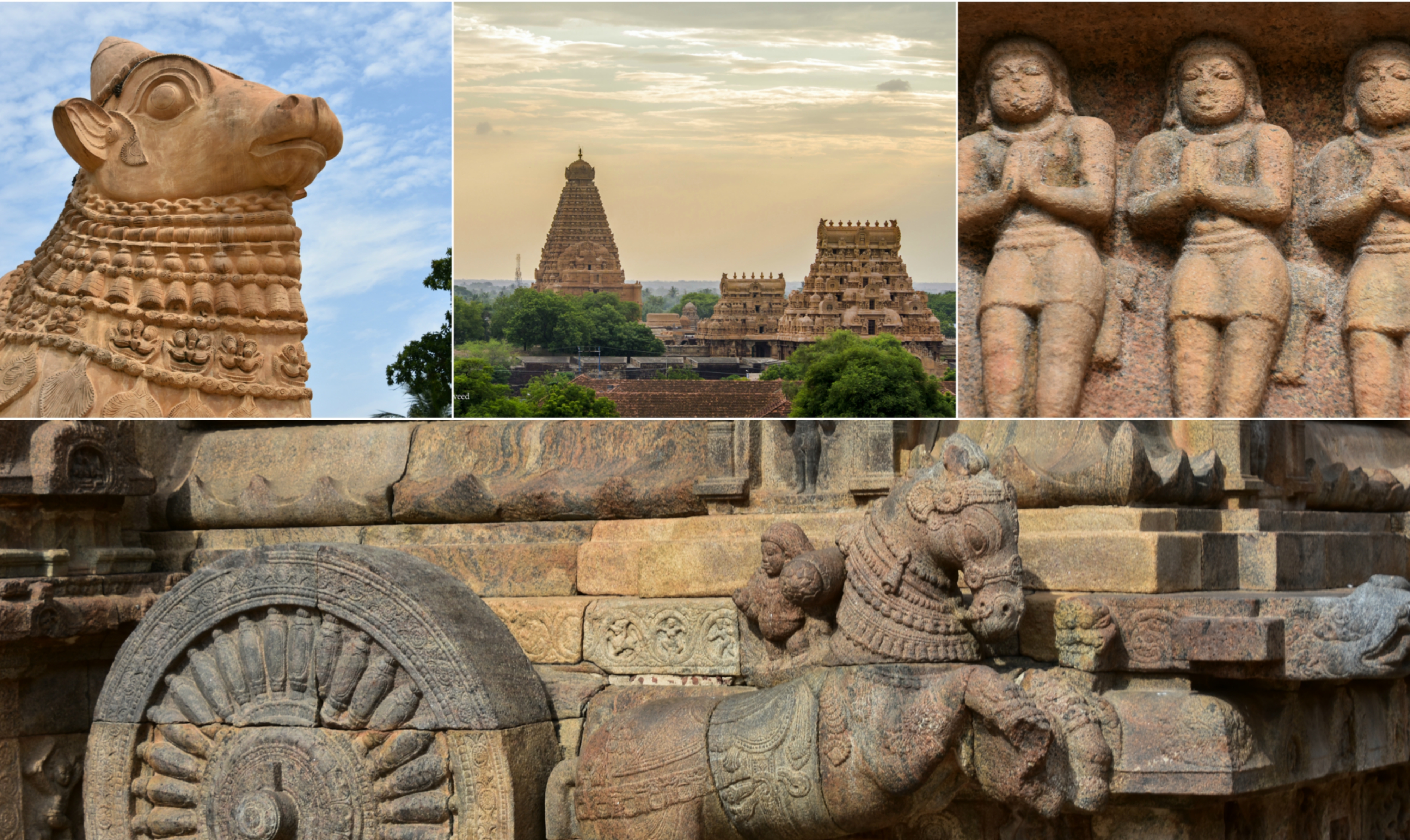
The Arulmigu Thayamanagalam Muthu Mariamman Kovil showcases a distinctive Dravidian architectural style, characterized by its towering gopurams (entrance towers), intricate sculptural work, and expansive mandapams (halls). The temple complex is a testament to the skilled craftsmanship of artisans from past eras. Vibrant sculptures depicting various deities, mythological scenes, and floral motifs adorn the temple walls and pillars. These structural features not only serve a functional purpose but also narrate ancient tales and emphasize the rich artistic heritage of Tamil Nadu.
Dravidian Elements
The temple prominently features classic Dravidian architectural elements, including a multi-tiered gopuram adorned with stucco figures, carved pillars, and a central vimanam over the main shrine.
Intricate Carvings
Every surface of the temple, from the gopuram to the inner praharams, is embellished with detailed carvings and vibrant paintings, depicting episodes from Hindu mythology and the life of Goddess Mariamman.
Goddess Mariamman: Protector and Healer of Thayamangalam
Goddess Mariamman is the principal deity of the Arulmigu Thayamanagalam Muthu Mariamman Kovil, revered as a powerful mother goddess. She is typically depicted with a benevolent yet fierce countenance, often holding a trident and a drum, symbolizing her protective and destructive powers against evil. Local legends associate her with the power to cure diseases, particularly smallpox, and to bring abundant rain and fertility to the land. Devotees offer various forms of worship, including pongal and floral garlands, seeking her blessings for health, prosperity, and protection. Her festivals are marked by vibrant processions and elaborate rituals.
Iconography and Symbolism
Mariamman's iconography often includes a red saree, a crown, and multiple arms holding symbolic weapons, representing her divine attributes and her role as a fierce protector and life-giver.
Local Lore
Numerous local legends describe Mariamman's miraculous interventions in Thayamangalam, including tales of her healing epidemics and ensuring agricultural prosperity, solidifying her status as a benevolent village deity.
Experiencing the Devotion: A Visitor's Guide
Visitors to Arulmigu Thayamanagalam Muthu Mariamman Kovil can experience a profound sense of devotion and cultural immersion. The temple is open daily from 6:00 AM to 12:30 PM and 4:00 PM to 9:00 PM, with free entry for all. The best time to visit is during the cooler months, from October to March. Traditional attire is preferred to respect the sanctity of the place, and removing footwear before entering the temple premises is customary. A visit typically lasts 1-2 hours, allowing ample time for prayers, circumambulation, and appreciating the temple's architecture. Ample parking is available near the temple.
Temple Timings and Entry
The temple operates daily from 6:00 AM to 12:30 PM and reopens from 4:00 PM to 9:00 PM. Entry to the temple is free for all visitors.
Best Time to Visit
The months between October and March offer pleasant weather, making it the ideal period for a comfortable visit and pilgrimage to the temple.
Dress Code and Etiquette
Devotees are encouraged to wear traditional attire as a sign of respect. Footwear must be removed before entering the temple complex, and maintaining silence is advised during worship.
| Deity | Mariamman |
|---|---|
| Form | Manifestation of Shakti, often depicted with a benevolent yet powerful demeanor, holding a trident or drum. |
| Consort | None specified |
| Sampradaya | Hinduism (primarily folk traditions and Shaktism in Tamil Nadu) |
| Significance | Mariamman is a revered South Indian mother goddess, embodying the power to bring rain, cure diseases (especially smallpox and cholera), and ensure fertility and prosperity. She is worshipped as a fierce protector and a benevolent giver of blessings. |
The Mother Who Heals and Protects
Mariamman, the presiding deity, is deeply revered across South India as the powerful mother goddess capable of both inflicting and curing epidemic diseases, particularly smallpox and cholera. Legends speak of her fierce compassion; when angered, she can bring forth ailments, but when propitiated with devotion, she bestows health, prosperity, and abundant rain. Devotees flock to her shrines, including Thayamangalam, seeking her divine intervention for protection from illness and for the well-being of their families and communities. Her worship underscores a profound belief in the divine feminine's dual role as creator and destroyer, healer and punisher.
She is the mother who protects, the goddess who heals, and the power that brings life-giving rain to the land.
Seek her blessings for health and prosperity, for Mariamman's compassion knows no bounds for her devoted children.
Arulmigu Thayamanagalam Muthu Mariamman Kovil: A Sacred Abode
The Arulmigu Thayamanagalam Muthu Mariamman Kovil stands as a significant spiritual landmark in Thayamangalam, Sivagangai District, Tamil Nadu. Dedicated to Goddess Mariamman, this temple is a revered center for devotees seeking blessings and solace. It plays a crucial role in the cultural and religious life of the region, drawing pilgrims from various parts of the state. The temple embodies the deep-rooted faith in Mariamman, who is worshipped as the protector and bestower of well-being. Its serene atmosphere and vibrant devotional practices make it a cherished abode for spiritual enlightenment and community gathering.
Spiritual Significance
The temple is renowned for its powerful spiritual vibrations, believed to emanate from the principal deity, Mariamman. Devotees visit to offer prayers for health, prosperity, and protection from ailments, reinforcing its status as a sacred pilgrimage site.
Cultural Landscape
Beyond its religious function, the Kovil serves as a vibrant cultural hub, preserving traditional Tamil customs and arts. It is a focal point for local festivals and community events, reflecting the rich heritage of Sivagangai District.
🗺 How to Reach
Hover a card to animate the journey on the map
Verified routes to Arulmigu Thayamanagalam Muthu Mariamman Kovil, Thayamangalam, Sivagangai District
Common Questions
Where is Thayamangalam Mariamman Kovil: Pandya Era's Divine Shrine located?
Thayamangalam Mariamman Kovil: Pandya Era's Divine Shrine is documented at Tamil Nadu.
Which deity is associated with Thayamangalam Mariamman Kovil: Pandya Era's Divine Shrine?
Thayamangalam Mariamman Kovil: Pandya Era's Divine Shrine is associated with Mariamman.