A complete pilgrim record drawn from the existing published article data.
Arulmigu Subramaniya Swamy Temple: An Ancient Abode
The Arulmigu Subramaniya Swamy Temple at Thiruparankundram stands as a revered landmark in Tamil Nadu, recognized as the first of the Six Abodes of Lord Murugan, known as Arupadai Veedu. This ancient shrine, believed to have been built or renovated by the Pandyas in the 6th century, holds profound historical and spiritual significance. Carved into a rock-face, it represents a remarkable fusion of rock-cut and structural architecture. Its sacred aura attracts devotees seeking blessings from Lord Murugan, making it a cornerstone of Dravidian temple heritage and a vital pilgrimage site for centuries.
The First Arupadai Veedu
As the foremost of Lord Murugan's six sacred abodes, Thiruparankundram holds a unique position in Tamil devotional tradition and is a primary destination for pilgrims.
Historical Significance
With origins tracing back to the 6th century under the Pandya dynasty, the temple embodies centuries of South Indian architectural and religious evolution.
Experiencing the Sacred: A Pilgrim's Guide
Pilgrims visiting Arulmigu Subramaniya Swamy Temple can anticipate a deeply spiritual experience within its ancient confines. The best time to visit is typically during the cooler months, from October to March, to avoid the intense heat of summer. During this period, the weather is more conducive for exploring the temple complex and participating in rituals. As with most Hindu temples, visitors are expected to dress modestly, covering shoulders and knees, as a mark of respect. A pilgrimage here often involves silent contemplation, offering prayers, and observing the rituals performed by the priests, immersing oneself in the sacred atmosphere.
Best Time to Visit
The cooler months between October and March offer the most comfortable weather for a pilgrimage, facilitating a more pleasant and immersive visit.
Pilgrimage Etiquette
Modest attire, covering shoulders and knees, is expected from all visitors as a sign of respect for the sacred space and its traditions.
Spiritual Immersion
Visitors are encouraged to participate in the temple's serene atmosphere, observing rituals, offering personal prayers, and experiencing a profound sense of devotion.
Tracing the Legacy: Pandyas and the 6th Century
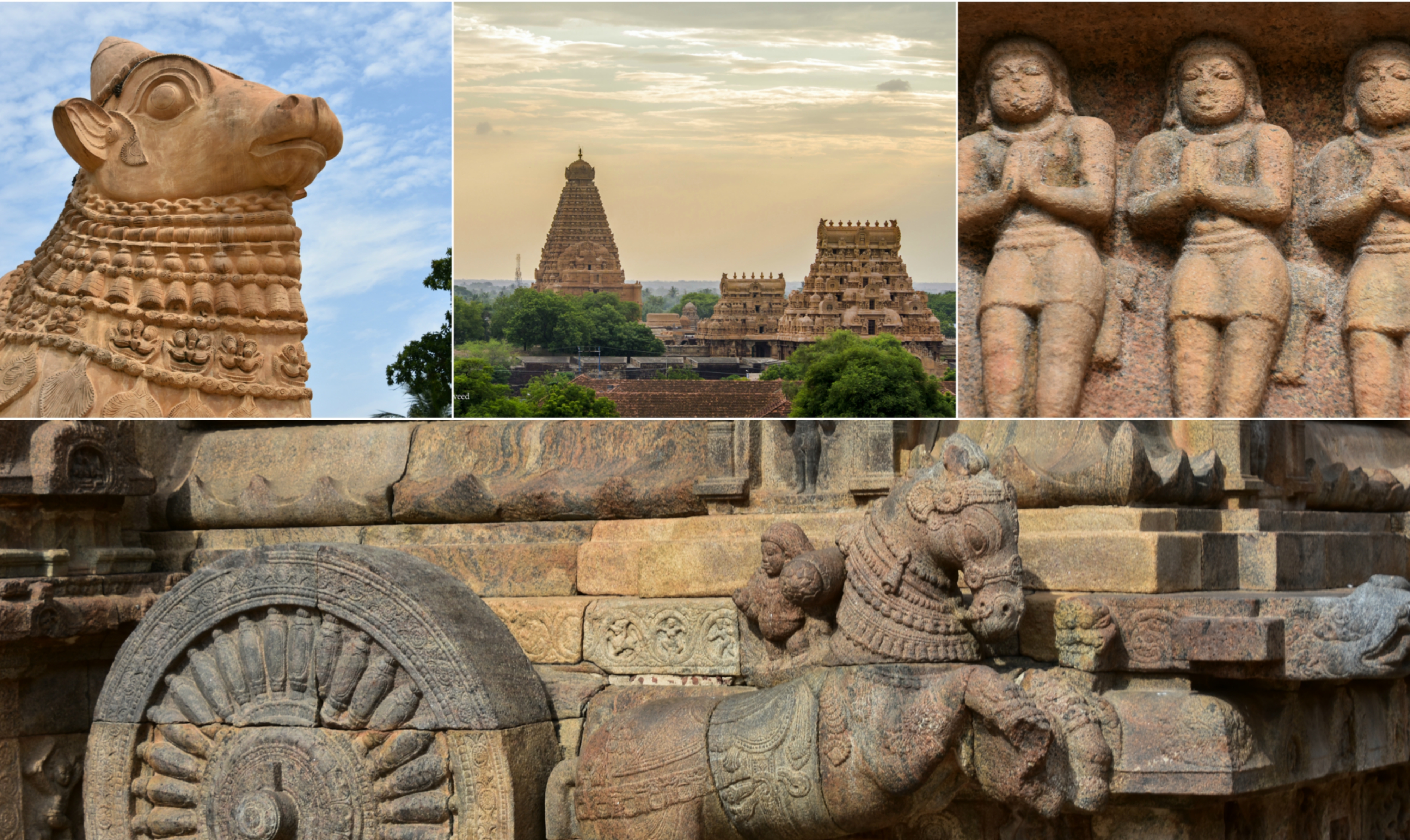
The historical roots of the Arulmigu Subramaniya Swamy Temple are deeply intertwined with the Pandya dynasty, who are credited with its construction or significant renovation around the 6th century CE. This period marked a flourishing era for rock-cut architecture in Tamil Nadu, and the temple showcases early examples of this intricate craftsmanship. The Pandyas' patronage ensured the temple's grandeur and its integration into the region's cultural and religious landscape. Its enduring structure offers a tangible link to the artistic and spiritual aspirations of an ancient kingdom, preserving a rich legacy.
Pandya Dynasty's Patronage
The temple's early history is closely linked to the powerful Pandya kings, who championed its development in the 6th century, leaving an indelible mark on its structure.
Rock-Cut Marvels
A significant portion of the temple is carved directly into the hill, showcasing the advanced rock-cut techniques prevalent during the early Pandya period, a testament to ancient engineering.
Architectural Evolution
The temple's design reflects a blend of early rock-cut styles with later structural additions, illustrating centuries of continuous architectural development and artistic refinement.
Lord Murugan: The First of the Arupadai Veedu
At the heart of Thiruparankundram lies the principal deity, Lord Murugan, revered in this sacred space as the commander of the celestial armies. This temple is particularly significant as it is considered the site where Lord Murugan married Deivanai, the daughter of Indra, after his victory over the demon Surapadman. This divine union is celebrated with great fervor, making the temple a symbol of auspicious beginnings and marital bliss. Devotees believe that worshipping here bestows blessings for success, courage, and harmonious relationships, reinforcing its profound spiritual importance.
Presiding Deity: Lord Murugan
Lord Murugan, also known as Subramaniya, is the central figure, worshipped for his valor, wisdom, and divine grace as the commander of the celestial armies.
The Divine Marriage
Thiruparankundram is famously associated with the marriage of Lord Murugan to Deivanai, a pivotal event in Hindu mythology, celebrated annually with grand festivities.
Symbol of Auspiciousness
The temple is revered as a place where devotees seek blessings for new beginnings, successful marriages, and overall prosperity, making it a powerful spiritual center.
Thiruparankundram: A Hub of Devotion and Heritage
Thiruparankundram is more than just a temple; it is a vibrant cultural hub and a living heritage site that continues to play a significant role in the spiritual and social life of Tamil Nadu. Its unique rock-cut architecture, combined with subsequent structural additions, makes it an archaeological treasure. The temple serves as a focal point for numerous festivals throughout the year, drawing large congregations of devotees and showcasing traditional arts and customs. Its enduring presence underscores its importance as a place where ancient traditions are preserved and celebrated, fostering community and devotion across generations.
Cultural Landmark
The temple stands as a significant cultural landmark, embodying centuries of Tamil artistic and religious expression, deeply ingrained in the regional identity.
Architectural Fusion
Its design, combining ancient rock-cut elements with later structural expansions, offers a unique study in temple architecture, showcasing different historical periods.
Living Heritage
Thiruparankundram actively preserves and celebrates ancient traditions, serving as a continuous center for devotion, festivals, and community life, connecting past and present.
| Deity | Murugan |
|---|---|
| Form | Kartikeya, Skanda |
| Consort | Devasena |
| Sampradaya | Shaivism |
| Significance | The temple is one of the Six Abodes of Murugan (Arupadai Veedu), a set of foremost and sacred Hindu temples dedicated to Murugan. It is believed to be the site of his marriage to Devasena. |
The Divine Wedding at Thiruparankundram
Thiruparankundram holds a special place as the sacred site where Lord Murugan, after his triumphant victory over the demon Surapadman, chose to marry Devasena, the daughter of Indra. The celestial wedding was officiated by Lord Brahma, with many gods and goddesses in attendance. This divine union is a central theme of the temple, making it a revered destination for devotees seeking blessings for marriage and progeny. The temple's architecture and rituals reflect the grandeur of this mythological event, forever etched in the annals of Hindu lore.
In the sacred abode of Thiruparankundram, Lord Murugan bestows blessings, a divine union celebrated through ages.
Arupadai Veedu: where devotion meets divinity, and ancient rocks whisper tales of gods.
🗺 How to Reach
Hover a card to animate the journey on the map
Verified routes to Arulmigu Subramaniya Swamy Temple, Thiruparankundram
Common Questions
Where is Arulmigu Subramaniya Swamy Temple, Thiruparankundram located?
Arulmigu Subramaniya Swamy Temple, Thiruparankundram is documented at Madurai South, Tamil Nadu.
Which deity is associated with Arulmigu Subramaniya Swamy Temple, Thiruparankundram?
Arulmigu Subramaniya Swamy Temple, Thiruparankundram is associated with the Hindu god Murugan.