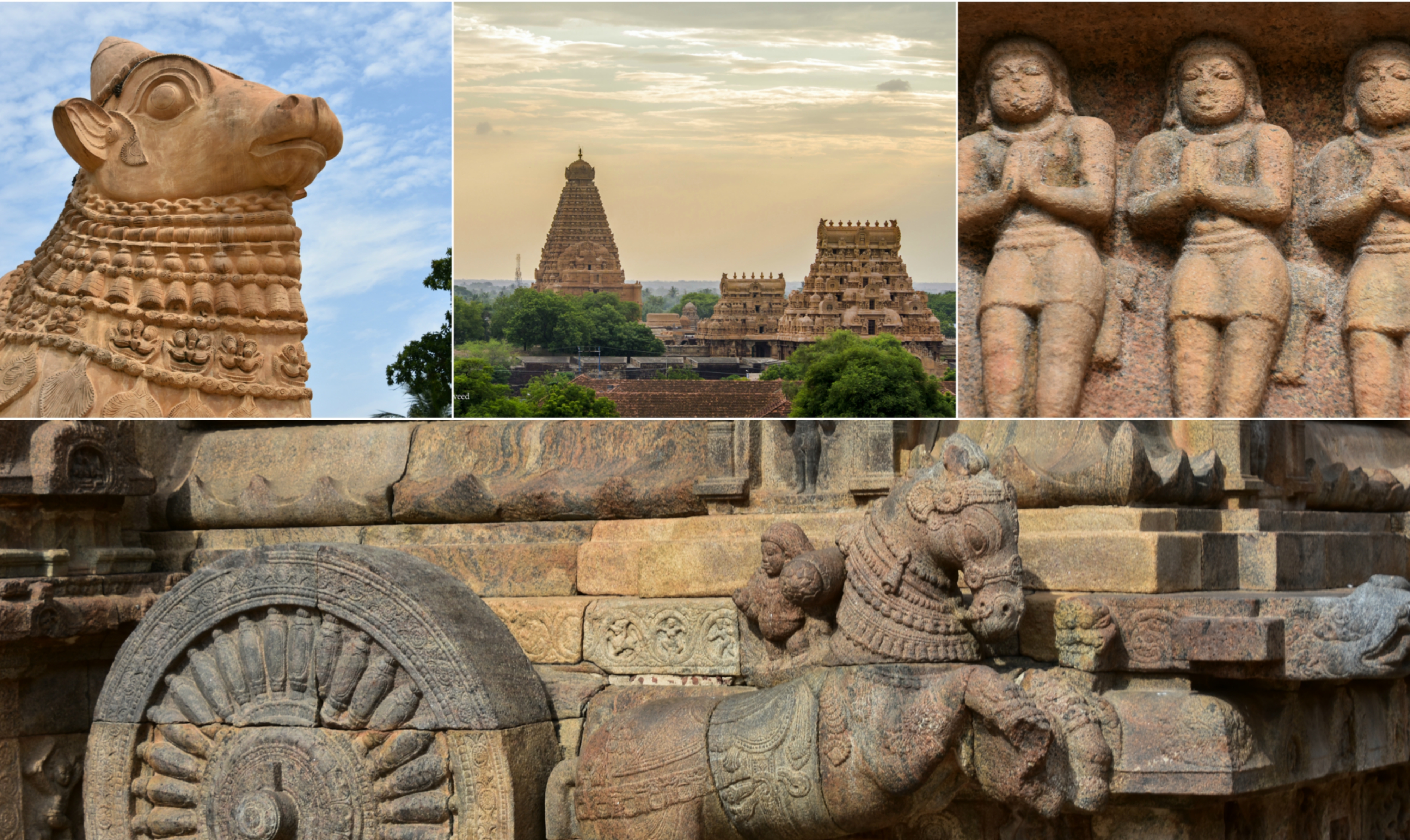
A complete pilgrim record drawn from the existing published article data.
Tracing the Legacy: The Enduring History of Muttharamman Kovil
The Arulmigu Sri Muttharamman Kovil boasts a rich historical narrative, rooted deeply in the traditions of South Indian temple architecture and worship. While specific founding dates are often steeped in local legend, the temple's continuous presence signifies centuries of devotion. Over time, it has undergone various phases of renovation and expansion, each contributing to its current grandeur and spiritual prominence, shaping its enduring legacy as a sacred site.
Origins and Early Period
The temple's origins are believed to trace back several centuries, with local folklore often attributing its establishment to ancient devotees and rulers.
Development and Patronage
Throughout its history, the temple has received patronage from various local communities and benefactors, leading to its development and expansion.
Spiritual Continuity
Despite the passage of time, the core spiritual practices and traditions at Muttharamman Kovil have been meticulously maintained, ensuring its sacred continuity.
Sacred Structures: The Architectural Splendor of Muttharamman Kovil
The Arulmigu Sri Muttharamman Kovil showcases a distinctive architectural style, characteristic of traditional South Indian temple construction. Its intricate craftsmanship is evident in the detailed carvings, vibrant sculptures, and towering gopurams. Key structural elements include the sanctum sanctorum (garbhagriha), mandapams (halls), and surrounding prakarams (courtyards), all designed to facilitate ritual worship and spiritual contemplation. Each element is imbued with symbolic meanings, reflecting Hindu cosmology and devotion.
Gopurams and Entrances
The temple features impressive gopurams, serving as monumental gateways adorned with sculptures depicting various deities and mythological scenes.
Mandapams and Pillars
Within the complex, various mandapams with intricately carved pillars provide spaces for devotees to gather, pray, and witness rituals.
Sanctum Sanctorum
The garbhagriha, or sanctum sanctorum, houses the principal deity, Devi Muttharamman, and is the spiritual heart of the temple, designed for focused worship.
Discovering Arulmigu Sri Muttharamman Kovil: A Spiritual Beacon in Kanyakumari
The Arulmigu Sri Muttharamman Kovil, nestled in Ammandivilai, Tamil Nadu, stands as a revered Hindu temple dedicated to Devi. This sacred site is a significant spiritual beacon within the vibrant landscape of Kanyakumari, drawing devotees seeking blessings from the powerful Mother Goddess. It embodies the rich cultural and religious heritage of the region, offering a profound spiritual experience to all who visit.
Location and Significance
Situated in Ammandivilai, the temple is a prominent landmark, reflecting the deep devotion to Devi prevalent in Tamil Nadu's Kanyakumari district.
Central Deity
The primary deity worshipped here is Devi, revered in her manifestation as Muttharamman, a powerful protector and bestower of blessings.
Cultural Heritage
The temple plays a vital role in preserving and promoting the traditional Hindu practices and cultural expressions of the local community.
Devi Muttharamman: Embodiment of Power and Protection
Devi Muttharamman, the central deity of this revered temple, is worshipped as a powerful manifestation of the Mother Goddess. Her iconography typically depicts her in a fierce yet benevolent form, symbolizing her role as a protector and destroyer of evil. Local legends and mythological narratives often highlight her divine interventions and miracles, reinforcing her significance among devotees. The traditions surrounding her worship at Ammandivilai emphasize her ability to grant prosperity, health, and ward off misfortunes, making her a beloved figure of devotion.
Iconography and Symbolism
Devi Muttharamman is typically depicted with multiple arms, holding various weapons and symbols, representing her divine powers and attributes.
Mythological Significance
She is revered as a manifestation of the universal feminine energy, a protector of dharma, and a remover of obstacles, deeply rooted in Hindu mythology.
Local Legends and Worship
Numerous local legends recount her divine acts and the establishment of her worship in Ammandivilai, fostering a strong sense of community devotion and tradition.
Journey to Devotion: Essential Information for Visiting Muttharamman Kovil
For those planning a pilgrimage to the Arulmigu Sri Muttharamman Kovil, understanding the practical aspects of your visit ensures a fulfilling experience. The temple welcomes devotees with specific timings and a free entry policy. Adherence to the dress code and general etiquette is encouraged to maintain the sanctity of the premises. Planning your visit during the suggested best time can enhance your spiritual journey.
Temple Timings and Entry
The temple is open from 6:00 AM to 12:30 PM and again from 4:00 PM to 9:00 PM. Entry is free, and a typical visit lasts 1–2 hours.
Reaching Ammandivilai
Ammandivilai is approximately 20 km from Nagercoil, accessible by regular bus services. Nagercoil Junction (NCJ) is the nearest train station, also about 20 km away. Trivandrum International Airport (TRV) is the closest airport, roughly 80 km distant. The temple is near NH 66, with parking available.
Visitor Etiquette
Traditional attire is preferred for devotees, and footwear must be removed before entering the temple. The best time to visit is between October and March for pleasant weather.
| Deity | Devi |
|---|---|
| Form | Devi is often depicted in various forms, embodying divine feminine power and grace. She can appear as a benevolent mother or a fierce warrior goddess. |
| Sampradaya | Hindu |
| Significance | As the supreme Goddess, Devi represents the ultimate reality, power, and creative energy in Hinduism. She is worshipped as the source of all existence and the protector of dharma. |
The Cosmic Dance of Devi
Devi, the Divine Mother, is revered as the primordial energy that creates, sustains, and dissolves the universe. Legends speak of her fierce form, Durga, vanquishing powerful demons like Mahishasura, restoring cosmic order and protecting the innocent. In her benevolent aspect, she is Lakshmi, bestowing prosperity, and Saraswati, granting wisdom. Her myriad forms illustrate her all-encompassing nature, demonstrating that the divine feminine is both the gentle nurturer and the formidable protector, embodying the complete spectrum of existence.
In every form, O Devi, you are the power of the universe, the mother of all creation.
The divine feminine energy is the source of all existence, guiding us through creation and dissolution.
🗺 How to Reach
Hover a card to animate the journey on the map
Verified routes to Arulmigu Sri Muttharamman Kovil, Ammandivilai,
Common Questions
Where is Muttharamman Kovil: Kanyakumari's Sacred Devi Shrine located?
Muttharamman Kovil: Kanyakumari's Sacred Devi Shrine is documented at Kanyakumari, Tamil Nadu.
Which deity is associated with Muttharamman Kovil: Kanyakumari's Sacred Devi Shrine?
Muttharamman Kovil: Kanyakumari's Sacred Devi Shrine is associated with Durga.