A complete pilgrim record drawn from the existing published article data.
Tracing the Legacy: History of the Mariamman Temple
The Arulmigu Maha Maariyamman temple boasts a long-standing history, reflecting centuries of devotion and cultural evolution in Atur. While specific founding dates are often steeped in local lore, the temple has consistently served as a spiritual cornerstone for generations. Over time, it has undergone various phases of renovation and expansion, adapting to the needs of its growing congregation while preserving its traditional essence. These developments underscore its enduring significance as a place of worship and community identity.
Origins and Establishment
The temple's establishment is rooted in the ancient spiritual practices of the region, evolving from simpler shrines to its current form, reflecting the continuous reverence for Mariamman.
Evolution and Renovations
Throughout its existence, the temple has seen periodic renovations and structural enhancements, ensuring its preservation and capacity to accommodate an increasing number of devotees, while maintaining its traditional architectural integrity.
Architectural Marvels of Arulmigu Maha Maariyamman
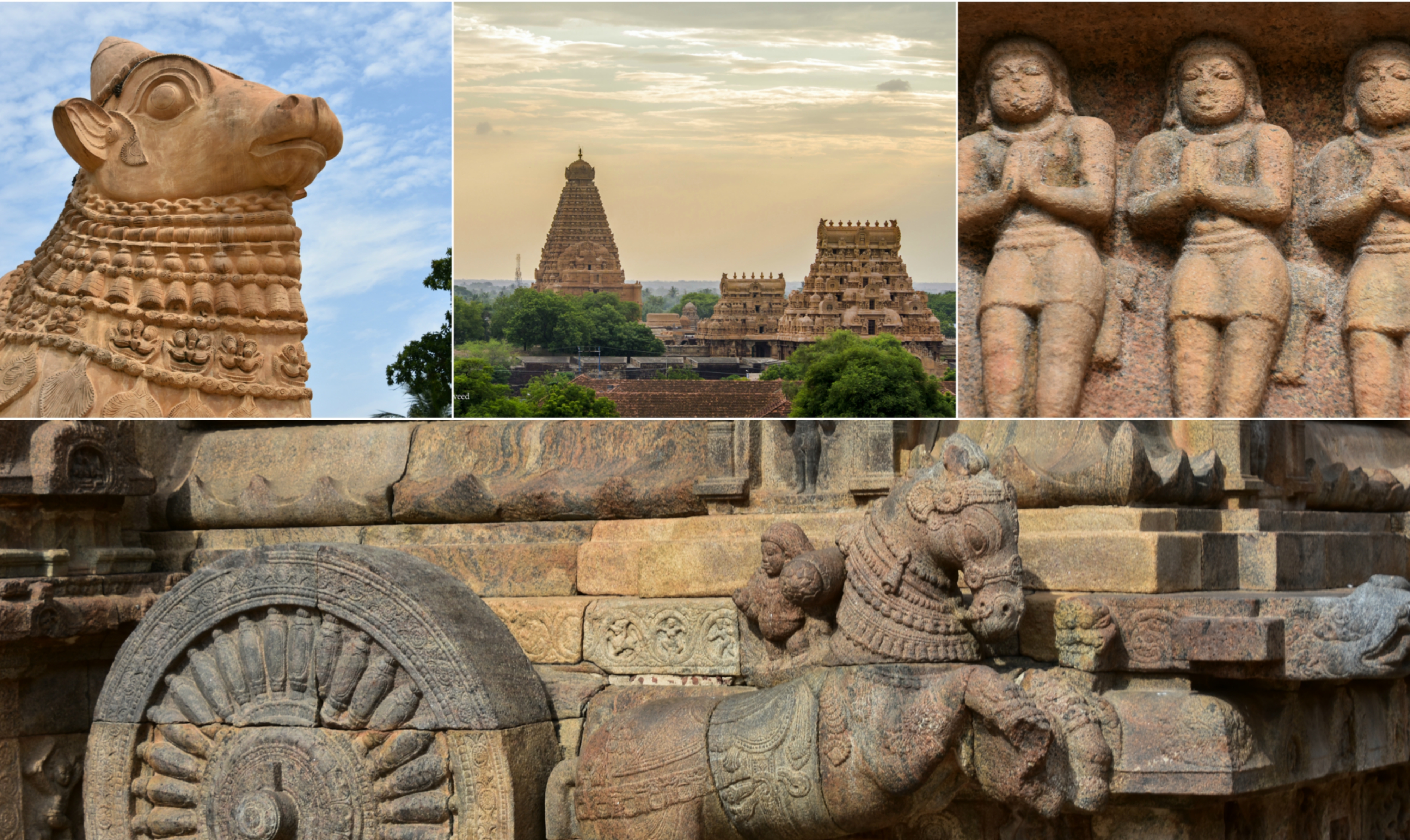
The Arulmigu Maha Maariyamman temple exemplifies traditional Tamil temple architecture, characterized by its distinctive and intricate design. The temple features a majestic gopuram, or monumental entrance tower, adorned with vibrant sculptures depicting various deities and mythological scenes. Inside, mandapams (halls) with elaborately carved pillars provide spaces for devotees to gather and perform rituals. The sanctum sanctorum, housing the main deity, is typically crowned by a vimanam, showcasing fine craftsmanship that reflects the rich artistic heritage of Tamil Nadu.
The Majestic Gopuram
The temple's gopuram serves as a symbolic gateway, intricately carved with divine figures and mythological narratives, welcoming pilgrims into the sacred space.
Mandapams and Intricate Carvings
Within the temple complex, various mandapams are supported by exquisitely carved pillars, each telling stories from Hindu scriptures and demonstrating the skill of ancient artisans.
A Pilgrim's Guide to Arulmigu Maha Maariyamman Temple
Visiting the Arulmigu Maha Maariyamman temple offers a profound spiritual experience. The temple is open from 6:00 AM to 12:30 PM and 4:00 PM to 9:00 PM. Entry is free for all visitors. The optimal time to visit is October to March due to pleasant weather. Devotees are encouraged to wear traditional attire as a mark of respect and must remove footwear before entering. A typical visit lasts 1-2 hours. The temple is accessible via local buses, auto-rickshaws, and taxis from Atur Bus Stand and Railway Station.
Visiting Hours and Entry
The temple welcomes visitors during specified morning and evening hours. There is no entry fee, making it accessible to all who wish to offer prayers or explore its spiritual ambiance.
Dress Code and Etiquette
To honor the sacred space, visitors are advised to wear traditional clothing. Removing footwear before entering the temple premises is a customary practice observed by all devotees.
Reaching the Temple
The temple is conveniently located 1-2 km from Atur Bus Stand and 2-3 km from Atur Railway Station, with auto-rickshaws and taxis readily available for transport. Salem Airport (SXV) is 65 km away.
| Deity | Mariamman |
|---|---|
| Form | Mariamman is typically depicted as a benevolent goddess, often with multiple arms holding various weapons or symbols, and a fierce yet compassionate expression. She is frequently shown in a red sari, adorned with jewels, and sometimes with a crown, embodying both beauty and power. |
| Significance | She is the South Indian Hindu goddess of rain, disease, and protection, revered for her power to both bring and cure illnesses like smallpox and cholera. Devotees worship her to seek blessings for health, prosperity, and fertility, and to ward off evil and misfortune. |
The Benevolent Mother's Grace
While no specific mythological story for this particular Arulmigu Maha Maariyamman temple was provided, the goddess Mariamman herself is widely revered across South India. Devotees believe she is a powerful protector, capable of both inflicting and curing diseases, particularly those related to heat like smallpox. Her legends often speak of her fierce compassion, her ability to bring rain during droughts, and her role in safeguarding communities. Worshippers approach her with deep devotion, seeking her blessings for health, fertility, and protection from all adversities.
May the divine Mother Mariamman protect us from all ailments and bestow upon us health, prosperity, and boundless blessings.
In the grace of Mariamman, find solace from disease and strength in spirit, for she is the giver of life and protector of all.
The Sacred Abode of Arulmigu Maha Maariyamman
The Arulmigu Maha Maariyamman temple, nestled in Atur, Tamil Nadu, stands as a prominent spiritual center dedicated to the revered goddess Mariamman. This ancient shrine serves as a vibrant hub of devotion, drawing numerous devotees seeking blessings and solace. It plays a crucial role in the local community's spiritual life, embodying the rich cultural and religious traditions of the region. The temple's serene atmosphere and powerful deity make it a significant pilgrimage site, where prayers are offered for health, prosperity, and protection. It is a testament to enduring faith in the benevolent Mother Goddess.
Location and Spiritual Significance
Situated in Atur, the temple is a focal point for spiritual activities, deeply integrated into the daily lives of local residents. Its presence signifies a continuous tradition of worship and community gathering.
The Heart of Devotion
The temple functions as a central place of worship for Mariamman, where devotees participate in various rituals and offerings, reinforcing their faith and connection to the divine.
Mariamman: The Benevolent Protector and Healer
Mariamman, the principal deity of this temple, is revered as a powerful South Indian Hindu goddess. She is widely worshipped as the goddess of rain, fertility, and protection from diseases, particularly smallpox and cholera. Her iconography often depicts her with a benevolent yet fierce expression, holding a trident, drum, and a bowl, symbolizing her powers to both create and destroy. Devotees seek her blessings for good health, bountiful harvests, and overall well-being, believing in her ability to ward off evil and grant prosperity.
Iconography and Symbolism
Mariamman is typically depicted with specific attributes like the trident and drum, symbolizing her control over life and death, and her role as a protector.
Goddess of Rain and Healing
She is primarily invoked for rain to ensure agricultural prosperity and is also a significant deity for healing, particularly from infectious diseases, offering solace and recovery to her devotees.
🗺 How to Reach
Hover a card to animate the journey on the map
Verified routes to Arulmigu Maha Maariyamman temple
Common Questions
Where is Arulmigu Maha Maariyamman Temple: Atur's Divine Protector located?
Arulmigu Maha Maariyamman Temple: Atur's Divine Protector is documented at Tamil Nadu.
Which deity is associated with Arulmigu Maha Maariyamman Temple: Atur's Divine Protector?
Arulmigu Maha Maariyamman Temple: Atur's Divine Protector is associated with Mariamman.