



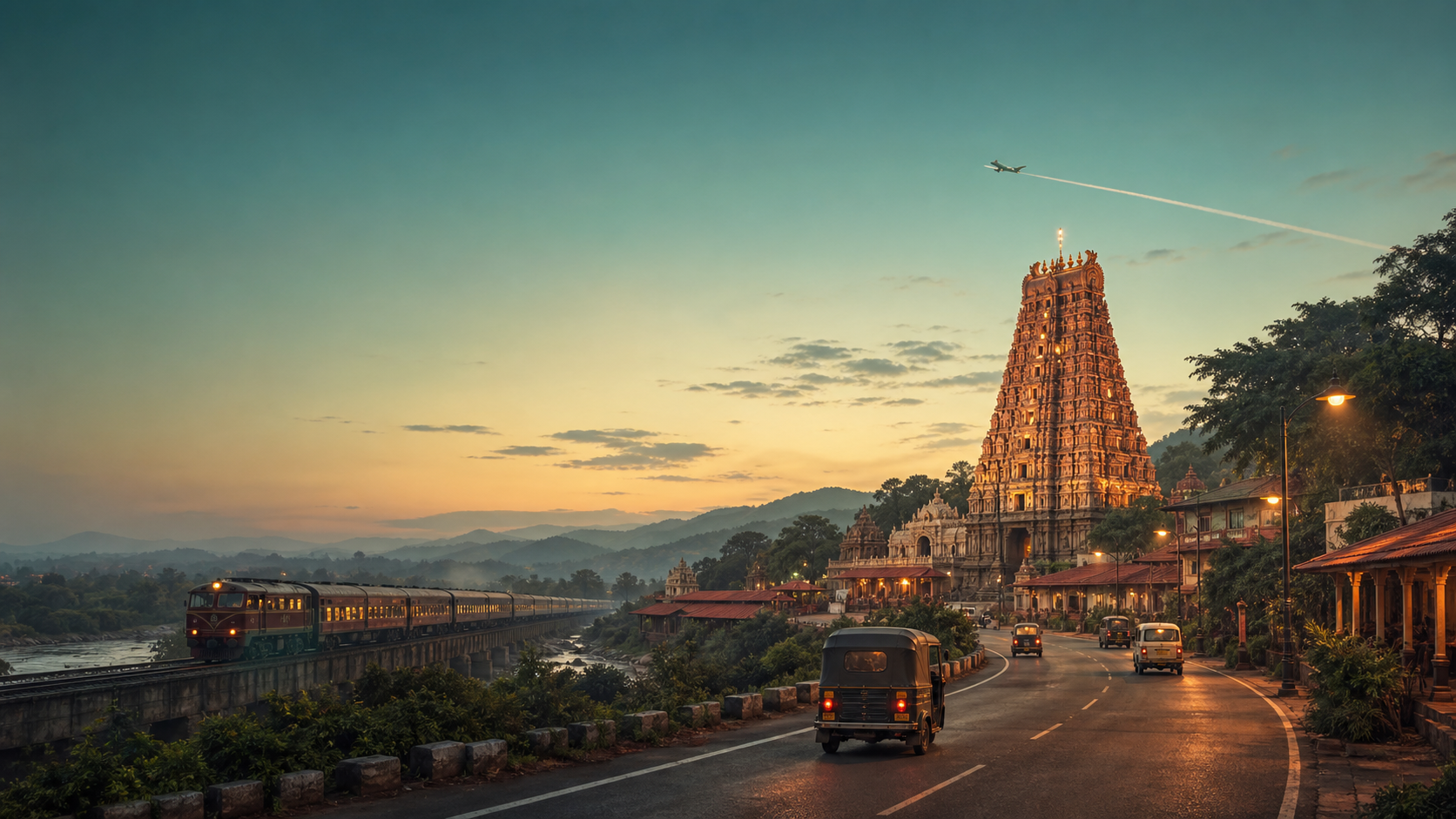
A complete pilgrim record drawn from the existing published article data.
A Legacy Forged: History of Ariyanatha Mudaliar Temple
The Ariyanatha Mudaliar Temple, a prime example of Dravidian architecture, emerged during the Madurai Nayak dynasty's rule. Its evolution is intrinsically linked to Ariyanatha Mudaliar, the influential Prime Minister and General under Viswanatha Nayak. This temple embodies the Nayak era's profound impact on South Indian religious and architectural landscapes.
Nayak Dynasty Patronage
The Madurai Nayak dynasty (16th-18th centuries) were prolific patrons, constructing and expanding numerous temples with grand gopurams and elaborate mandapams, showcasing a distinct architectural style.
Ariyanatha Mudaliar's Vision
Ariyanatha Mudaliar was instrumental in the temple's design and construction. His strategic vision shaped its enduring grandeur, reflecting his deep involvement in the region's development.
Architectural Grandeur: Pillars, Gopurams, and Sculptures
The temple exemplifies the Dravidian architectural style, heavily influenced by the Madurai Nayak dynasty. Its design showcases a remarkable blend of scale and intricate detailing, particularly in its monumental structures.
The Thousand Pillared Hall
A central feature is the Thousand Pillared Hall. Each pillar is a sculpted masterpiece, depicting mythological figures, deities, and scenes from epics, showcasing the artistic prowess of the era.
Towering Gopurams
The temple is distinguished by its towering gopurams, or gateway towers. These multi-tiered structures are adorned with a profusion of stucco figures, depicting various gods, goddesses, and mythical beasts.
Planning Your Pilgrimage: A Visitor's Guide
To fully experience the sanctity of Ariyanatha Mudaliar Temple, visitors should prepare with essential details on timings, accessibility, and cultural etiquette.
Timings and Darshan
The temple generally opens around 6:00 AM, closes midday, and reopens in the late afternoon. Specific darshan hours should be confirmed locally.
Visitor Etiquette and Access
Modest attire (shoulders and knees covered) is required. Photography is restricted in inner sanctums. Remove footwear before entering. Accessibility is limited due to the ancient structure. Maintain reverence.
| Deity | Shakti/Devi |
|---|---|
| Form | Various forms and manifestations, including Parvati, Durga, Kali, Lakshmi, and Saraswati |
| Consort | Shiva |
| Sampradaya | Shaktism |
| Significance | The divine feminine energy, supreme cosmic power, and mother goddess in Hinduism, representing creation, preservation, and destruction. |
The Vision of a Thousand Pillars
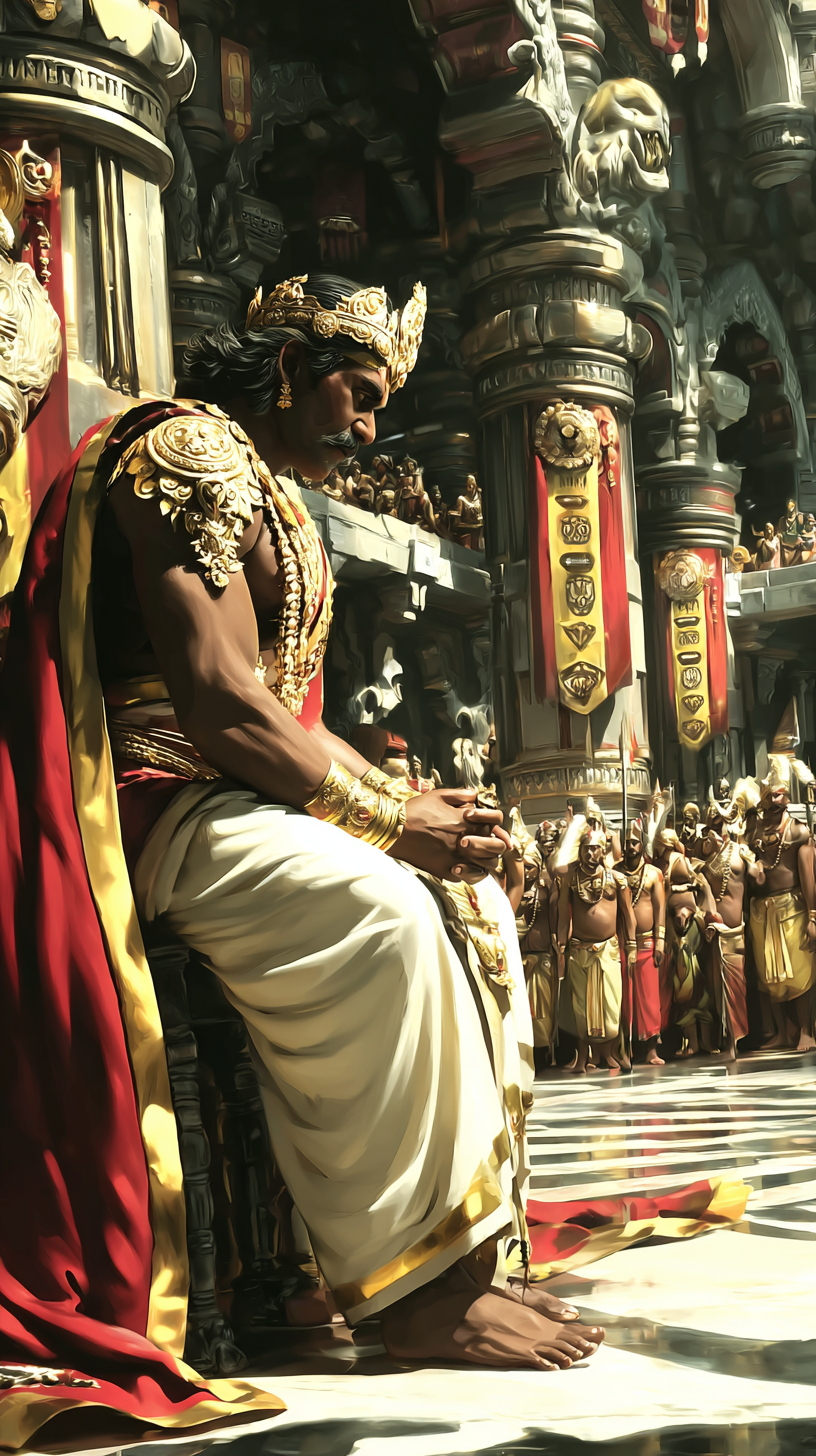
During the reign of the Madurai Nayaks, the great general Ariyanatha Mudaliar was blessed with a divine vision. Goddess Meenakshi appeared to him, commanding him to erect a magnificent hall that would stand as a symbol of eternal devotion and a gathering place for her devotees. Inspired, Ariyanatha dedicated himself to this monumental task. It is whispered that during its construction, each of the thousand pillars was imbued with sacred energy, and the spirits of ancient sages and celestial beings were invoked to guard its sanctity. This hall became a conduit for divine blessings, a place where the goddess's presence was palpable, fulfilling the general's sacred vow.
Behold the Thousand Pillared Hall, a monumental legacy of Ariyanatha Mudaliar, where stone whispers tales of Dravidian grandeur and devotion.
From a thousand pillars to a soaring seven-storied gopuram, the Madurai Nayak dynasty's architectural mastery endures.
Related temples: Aakkoor Thanthondreeswarar Temple | Abhaya Varadeeswarar Temple, Adirampattinam
Introduction to Ariyanatha Mudaliar Temple
The Ariyanatha Mudaliar Temple in Madurai, Tamil Nadu, stands as a profound testament to the architectural prowess and spiritual devotion of the Madurai Nayak dynasty. Dedicated to Shakti/Devi, this temple embodies the rich religious traditions of South India. Its intricate Dravidian architecture and detailed sculptures exemplify the sophisticated craftsmanship of the Nayak era, offering a glimpse into a significant period of regional history and cultural development, and serving as an ASI National Monument.
Nayak Era Heritage
The temple's construction dates back to the Madurai Nayak dynasty, a period renowned for its extensive temple building and artistic patronage in Tamil Nadu. It reflects the political and cultural climate of the 16th and 17th centuries.
Spiritual Significance
Primarily dedicated to Shakti/Devi, the temple serves as a vital center for devotees of the divine feminine. Its spiritual importance is further underscored by its indirect association with the Nayanars and its inclusion in the Divya Desam list for Alvars.
Dravidian Architectural Style
Exhibiting classic Dravidian architectural elements, the temple features towering gopurams, elaborate mandapams, and finely carved pillars. These structures showcase the distinct artistic and engineering capabilities of the Nayak builders.
The Divine Mother: Worship of Shakti/Devi
This temple is dedicated to Shakti, the divine feminine power. Devi embodies the universe's creative and sustaining force, revered for her protection, compassion, and ultimate cosmic energy in Hindu tradition.
Diverse Manifestations
Worshippers venerate Shakti in various forms, each highlighting a distinct aspect of her divine nature. From benevolent goddesses like Parvati to fierce protectors such as Durga, all reflect the Great Mother.
Rituals and Blessings
Devotion involves rituals and offerings, seeking her blessings for prosperity, protection, and spiritual well-being. Her presence imbues the temple with profound sacred energy.
Scholarly Studies and Historical Analysis
The life and contributions of Ariyanatha Mudaliar have been a significant subject of scholarly inquiry, particularly for historians specializing in the Nayak period of Tamil Nadu. Researchers primarily draw upon a diverse array of sources, including temple inscriptions, copper plate grants, local chronicles like the *Madurai Nayakkar Varalaru*, and oral traditions that have been meticulously documented over centuries. A key challenge in these studies involves critically evaluating the often eulogistic accounts, distinguishing historical facts from hagiographical narratives that emerged due to his revered status. Scholars employ epigraphic analysis, comparative historical methods, and archaeological evidence to reconstruct his administrative policies, military campaigns, and extensive public works, especially his role in temple construction and renovation, which profoundly shaped the region's cultural landscape. Contemporary scholarly analyses underscore Ariyanatha Mudaliar's pivotal role in solidifying the Nayak kingdom's administrative framework, particularly his implementation and refinement of the *palayam* system, which organized local chieftains into military and revenue-collecting units. His architectural patronage is another major area of focus, with studies examining the distinctive features of Nayak temple construction, such as the elaborate *mandapams*, towering *gopurams*, and intricate sculptural details that bear his influence. Researchers continue to explore the socio-economic implications of his land reforms and his strategic military leadership, which ensured regional stability for decades. These ongoing studies not only illuminate the life of a remarkable historical figure but also provide invaluable insights into the political, cultural, and religious dynamics of early modern Tamil Nadu, ensuring his legacy remains a vibrant field of academic exploration.🗺 How to Reach
Hover a card to animate the journey on the map
Route to Madurai
Common Questions
Where is Ariyanatha Mudaliar: Architect of Meenakshi's Grand Hall located?
Ariyanatha Mudaliar: Architect of Meenakshi's Grand Hall is documented at Tamil Nadu.
Which deity is associated with Ariyanatha Mudaliar: Architect of Meenakshi's Grand Hall?
Ariyanatha Mudaliar: Architect of Meenakshi's Grand Hall is associated with Durga.
Related Temples


A Living Covenant