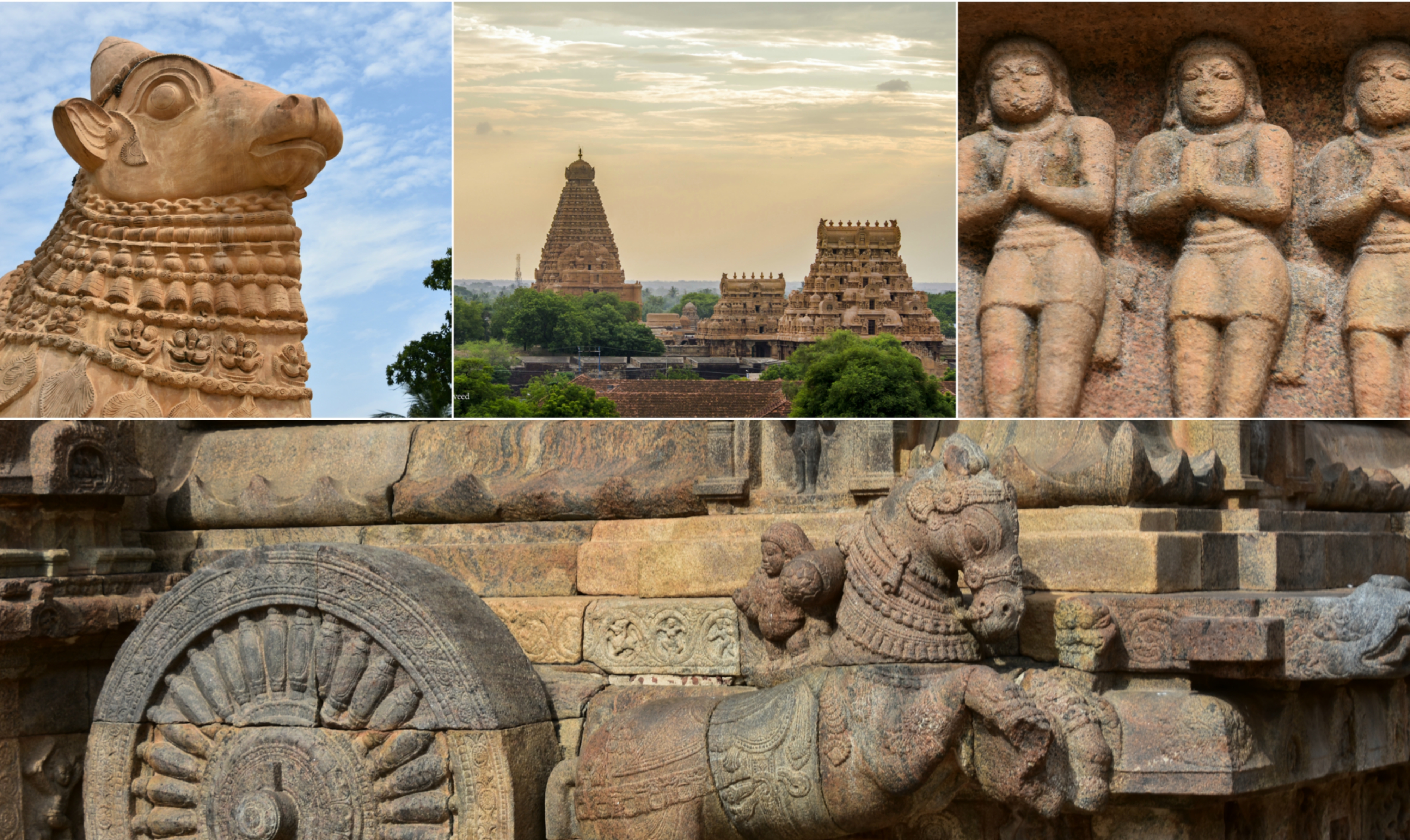
A complete pilgrim record drawn from the existing published article data.
Aranthangi Fort: A Confluence of History and Faith
Aranthangi Fort, located in Tamil Nadu, stands as a unique historical site that seamlessly blends military architecture with profound spiritual significance. This ancient fortification is not merely a defensive structure but also houses an embedded complex of Hindu temples, making it a rare example where strategic defense and vibrant devotion coexist within the same walls. Its ramparts tell tales of bygone eras, while its shrines continue to be active centers of worship, reflecting centuries of cultural and religious continuity in the region. The fort serves as a testament to the integrated nature of spiritual life and political power in historical South India.
Architectural Duality
The fort's design exemplifies a dual purpose, combining robust defensive features like watchtowers and thick walls with intricate temple structures.
Spiritual Core
At its heart, the fort complex maintains several shrines dedicated to various Hindu deities, preserving active worship traditions.
Cultural Landmark
Aranthangi Fort represents a significant cultural landmark, showcasing the harmonious blend of martial heritage and religious devotion characteristic of Tamil Nadu.
Fortress and Sanctuary: The Architecture of Aranthangi
The architecture of Aranthangi Fort showcases a remarkable blend of defensive engineering and traditional temple design, reflecting the dual purpose of protection and worship. The outer fortifications feature robust stone walls, watchtowers, and battlements, characteristic of medieval South Indian military architecture. Inside these protective layers, a complex of Hindu temples stands, exhibiting typical Dravidian architectural elements such as _vimanas_, _mandapas_, and intricate carvings. The use of locally sourced granite is evident throughout, providing both structural integrity to the fort and a durable medium for the temple sculptures. This integration highlights a strategic vision where spiritual centers were safeguarded within fortified enclosures.
Defensive Structures
The fort's perimeter includes strong stone walls, strategically placed watchtowers, and fortified gateways designed for military defense.
Temple Design Elements
Within the fort, the temples feature classic Dravidian architectural styles, including multi-tiered _vimanas_, pillared _mandapas_, and detailed sculptural work.
Material and Craftsmanship
Construction primarily utilized local granite, demonstrating skilled craftsmanship in both the fort's robust engineering and the temples' artistic details.
Plan Your Pilgrimage: A Guide to Aranthangi Fort
Visitors to Aranthangi Fort can explore its historical ramparts and sacred shrines, experiencing a journey through time and faith. The fort is open daily from 9:00 AM to 6:00 PM, with free entry for all. The best time to visit is during the cooler months from October to March, offering comfortable weather for exploration. While there is no strict dress code, comfortable clothing and footwear are recommended due to the walking involved. A visit typically lasts 1–2 hours, allowing ample time to appreciate both the military architecture and the spiritual ambiance of the temple complex. Parking is available near the fort for those arriving by car.
Visitor Information
The fort is open from 9:00 AM to 6:00 PM daily with free entry, and a visit usually takes 1-2 hours.
Best Time to Visit
The months between October and March offer the most pleasant weather conditions for exploring the fort and its temples.
Logistics and Accessibility
Comfortable attire is advised for walking, and parking facilities are available nearby, making the fort easily accessible by road.
| Deity | Multiple Hindu Deities |
|---|---|
| Form | null |
| Consort | null |
| Sampradaya | Hindu |
| Significance | The fort houses multiple Hindu deities, reflecting the diverse religious practices and spiritual importance within its historical context. |
No Specific Legends Available
The provided information does not include any specific mythological stories or legends associated with Aranthangi Fort and its deities.
In the embrace of ancient forts, history whispers tales of devotion and enduring faith.
A sanctuary where diverse Hindu deities reside, reflecting the timeless spiritual heritage of Tamil Nadu.
Echoes of the Past: The History of Aranthangi Fort
Tracing its origins back centuries, Aranthangi Fort has witnessed the rise and fall of various dynasties, each leaving an indelible mark on its structure and religious practices. Originally believed to have been built by the Pandya kings, it later came under the influence of the Cholas, who likely expanded and fortified the complex. Subsequent periods saw it controlled by the Vijayanagara Empire, followed by local chieftains and eventually the Nayaks of Madurai. These successive rules contributed to the fort's architectural layers and influenced the patronage and evolution of the temples within its premises. The fort's history is a microcosm of South Indian political and cultural shifts.
Early Foundations
The initial construction of Aranthangi Fort is often attributed to the Pandya dynasty, laying the groundwork for its strategic importance.
Chola and Vijayanagara Influence
Significant expansions and fortifications occurred under the Cholas and later the powerful Vijayanagara Empire, enhancing both its military strength and religious endowments.
Nayaka Period and Beyond
The Nayaks of Madurai further contributed to the fort's development, maintaining its role as a regional stronghold and a center for Hindu worship until later periods.
Pantheon Within Walls: The Deities of Aranthangi Fort
Housing multiple Hindu deities, the temples within Aranthangi Fort serve as vibrant centers of devotion, embodying the rich spiritual traditions of the region. The fort complex includes shrines dedicated to various gods and goddesses, reflecting the diverse religious practices prevalent in Tamil Nadu. Prominent among these are temples for Shiva and Vishnu, along with shrines for local guardian deities and goddesses. These temples are not merely historical relics but active places of worship where daily rituals, _pujas_, and festivals are regularly conducted, attracting devotees from Aranthangi and surrounding areas. The presence of multiple deities underscores the syncretic nature of Hinduism practiced here.
Principal Deities
The fort complex features dedicated shrines to major Hindu deities such as Shiva and Vishnu, central to South Indian religious traditions.
Local and Guardian Deities
In addition to the principal deities, the fort also houses shrines for various local gods and goddesses, reflecting regional spiritual beliefs.
Active Worship and Rituals
The temples within the fort remain active places of worship, with daily rituals, _pujas_, and annual festivals continuing to be observed by devotees.
🗺 How to Reach
Hover a card to animate the journey on the map
Verified routes to Aranthangi Fort
Common Questions
Where is Aranthangi Fort: Tamil Nadu's Historic 17th-Century Citadel located?
Aranthangi Fort: Tamil Nadu's Historic 17th-Century Citadel is documented at Arantangi, Tamil Nadu.
Which deity is associated with Aranthangi Fort: Tamil Nadu's Historic 17th-Century Citadel?
Aranthangi Fort: Tamil Nadu's Historic 17th-Century Citadel is associated with Multiple Hindu.