A complete pilgrim record drawn from the existing published article data.
Echoes of Empire: The Historical Context
The Battle of Takkolam and Royal Patronage
The stones of Hole Alur remember not only the worship of Shiva but also the echoes of ancient warfare and royal triumph.
Dynastic Alliances: Gangas, Rashtrakutas, and Cholas
Key Events in Arakeshvara Temple's History
Architectural Harmony: The Western Ganga Style
The Classic Ganga Temple Plan
- Garbhagriha: The innermost sanctum, housing the primary deity, represents the spiritual epicenter of the entire complex. This sacred space is where the divine presence of Lord Shiva is most intensely felt.
- Sukhanasi: A vestibule connecting the sanctum to the main hall, it acts as a transitional space. This small antechamber prepares the devotee for the profound experience within the Garbhagriha, subtly shifting focus from the mundane to the divine.
- Navaranga/Maha Mantapa: A large, sculptured hall that expands the sacred space, allowing for communal worship and contemplation. This assembly hall often features intricate pillar carvings and provides areas for devotees to gather, chant, and witness rituals.
- Nandimantapa: An open, elevated, and detached hall facing east, specifically dedicated to the image of Nandi, the divine bull and Shiva's devoted companion. Nandi always sits facing the main sanctum, symbolizing eternal devotion and guarding the entrance to the Lord's abode.
Subtlety in Sculpture and Ornamentation
Presiding Deity: Lord Shiva's Abode
Arakeshvara: Lord Shiva's Manifestation
Lord Shiva (Arakeshvara)
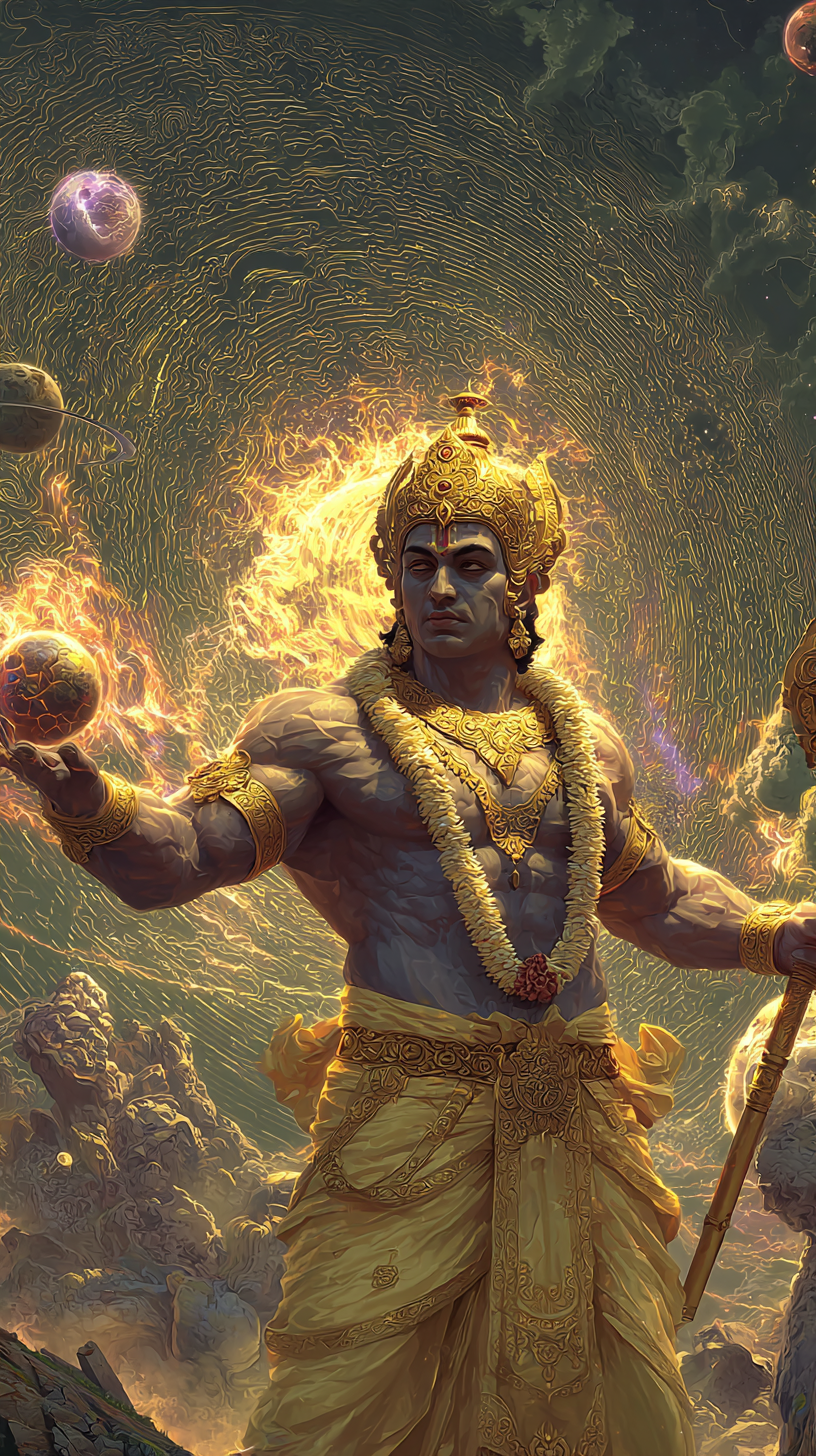
Lord Shiva, the primary deity of the Arakeshvara Temple, is one of the most complex and revered gods in the Hindu pantheon. He embodies both creation and destruction, meditation and dance, asceticism and cosmic exuberance. As Arakeshvara, he is believed to have bestowed blessings upon King Butuga II, leading to the decisive victory at Takkolam. Devotees worship Shiva in his aniconic form, the Lingam, representing his formless, all-pervading reality, as well as in various anthropomorphic manifestations depicting his many attributes and stories.
Symbolic Iconography and Local Legends
The Blessing of Arakeshvara
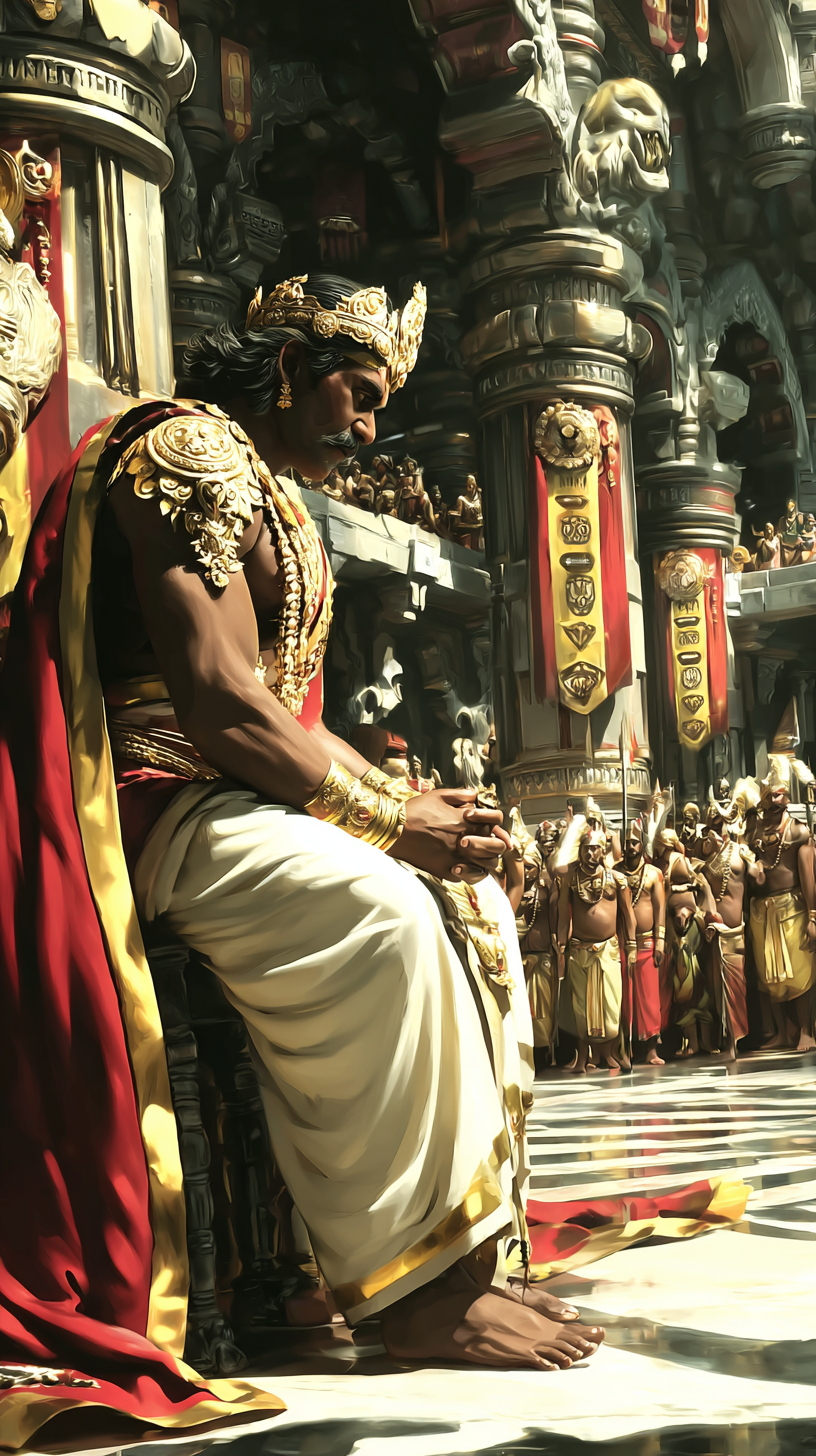
Legend has it that before the fateful Battle of Takkolam, King Butuga II, burdened by the immense challenge of facing the mighty Chola army, sought divine intervention. He performed fervent penance and offered prayers to Lord Shiva, seeking strength and victory. Deep in meditation, the king received a vision of Shiva as Arakeshvara, radiating immense power. The deity blessed Butuga II, assuring him of triumph and the establishment of dharma. Inspired by this divine encounter, the king fought with unparalleled valor, securing a decisive victory. In gratitude, Butuga II commissioned this magnificent temple, dedicating it to Arakeshvara, the form of Shiva who granted his prayer, ensuring the divine blessing would eternally grace his kingdom.
A Living Tradition: Festivals and Rituals
Annual Celebrations and Community Reverence
Festivals at Hole Alur are vibrant expressions of enduring faith, connecting the ancient past with the present community through shared rituals and profound devotion.
The Enduring Rhythm of Worship
A Guide for the Pilgrim: Visiting Hole Alur


Related temples: Aakkoor Thanthondreeswarar Temple | Aazhimala Shiva Temple
Navigating Your Journey to History
If you are planning your visit, consider the following practical advice:
- Best Time to Visit: The cooler months, typically from October to March, offer the most pleasant conditions for exploring the site and its surroundings. Avoid the peak summer heat (April-June) for a more comfortable experience.
- Atmosphere: Expect a serene and contemplative atmosphere, perfect for reflection on history and spirituality. The tranquility of Hole Alur provides a stark contrast to urban bustle.
- Accessibility: As a rural heritage site, visitors should be prepared for a more immersive, slower-paced experience. While the temple complex is generally accessible, facilities for specialized needs might be limited.
- Photography: Respect local customs regarding photography, especially inside the sanctum. Always seek permission if unsure.
Enhancing Your Temple Experience
🗺 How to Reach
Hover a card to animate the journey on the map
Route to Arakeshvara Temple Hole Alur: 10th Century Shiva Heritage
Common Questions
Where is Arakeshvara Temple Hole Alur: 10th Century Shiva Heritage located?
Arakeshvara Temple Hole Alur: 10th Century Shiva Heritage is documented at Tanjore, Tamil Nadu.
Which deity is associated with Arakeshvara Temple Hole Alur: 10th Century Shiva Heritage?
Arakeshvara Temple Hole Alur: 10th Century Shiva Heritage is associated with Krishna.
Related Temples


A Living Covenant