A complete pilgrim record drawn from the existing published article data.
A Journey Through Time: The Temple's Rich History
Tracing its origins back centuries, the Anjaneyar Temple boasts a complex historical narrative shaped by various dynasties and their contributions to its construction and evolution. Evidence suggests its foundations were laid during the Pandya period, with significant expansions and renovations undertaken by the Cheras, Cholas, and later the Nayaks of Madurai. Each dynasty left an indelible mark, enriching the temple's architecture and adding to its spiritual legacy. These historical layers make the temple a living chronicle of South Indian heritage and a testament to enduring faith.
Ancient Foundations
The temple's earliest structures are believed to date back to the Pandya era, laying the groundwork for its future grandeur.
Dynastic Patronage
Successive dynasties, including the Cheras, Cholas, and Nayaks, contributed significantly to the temple's expansion and artistic embellishment.
Evolution Over Centuries
The temple complex reflects a continuous architectural and cultural evolution, showcasing diverse influences over many centuries.
Architectural Grandeur: Dravidian Artistry in Stone
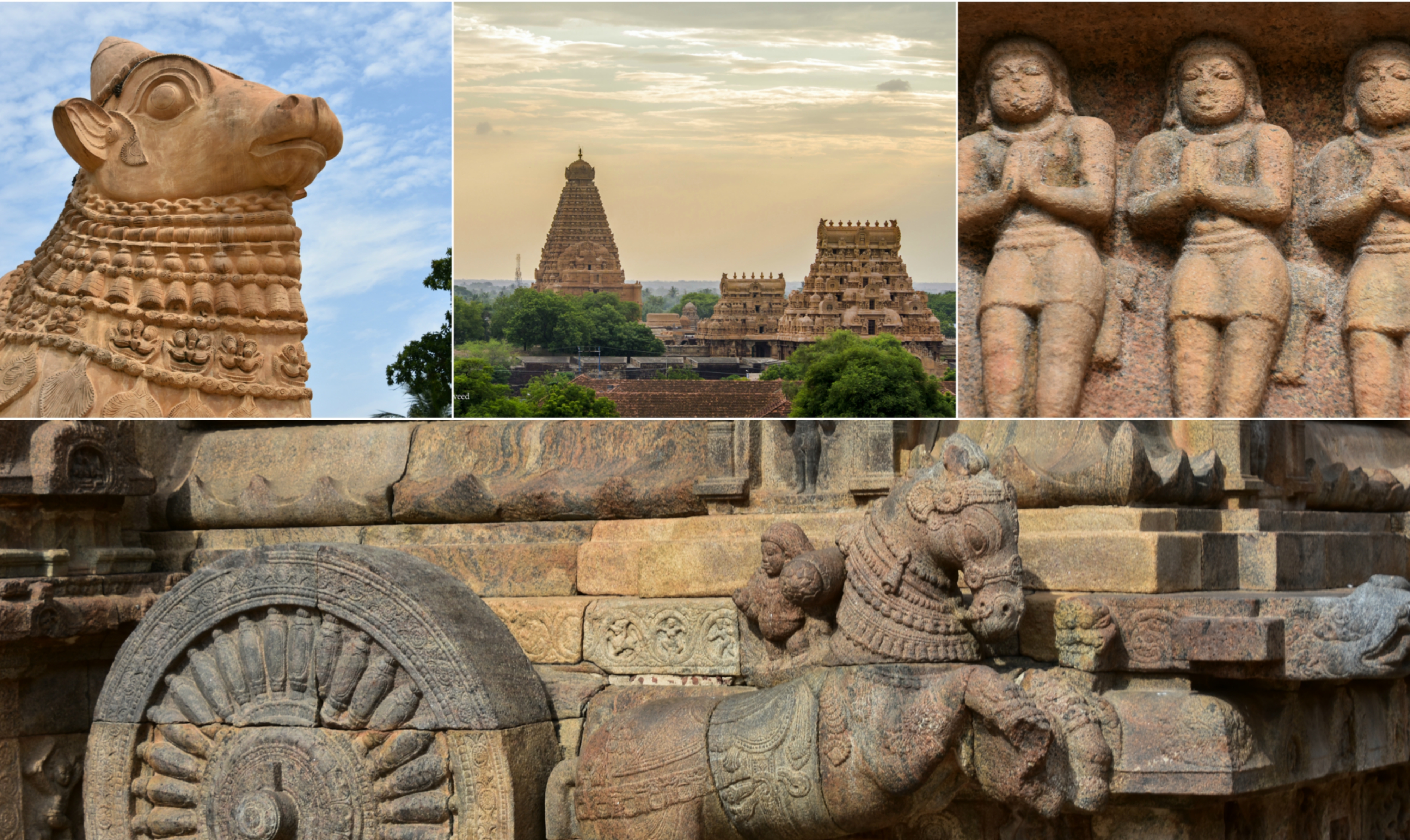
The temple's architecture is a magnificent testament to Dravidian craftsmanship, featuring towering gopurams, intricate carvings, and expansive mandapams that narrate tales of devotion. The main gopuram, reaching impressive heights, is adorned with sculptures depicting mythological scenes and deities. Within the complex, the musical pillars and a colossal Hanuman statue showcase exceptional artistic skill. The various mandapams, each with unique pillars and ceiling art, provide spaces for worship and reflection, embodying centuries of architectural excellence and spiritual artistry.
Soaring Gopurams
The temple's multi-tiered gopurams are adorned with countless sculptures, depicting various deities and mythological narratives.
Intricate Sculptural Details
Every surface, from pillars to ceilings, is intricately carved with figures, floral motifs, and mythological episodes.
Mandapam Marvels
The temple houses several mandapams, including the famous musical pillars, showcasing advanced architectural and acoustic knowledge.
Plan Your Visit: Experiencing the Temple's Aura
For pilgrims and tourists alike, a visit to the Anjaneyar Temple offers a profound spiritual and cultural experience, requiring careful planning to fully appreciate its sanctity and grandeur. The temple is open during specific hours, with a break in the afternoon. Traditional attire is preferred, and footwear must be removed before entering the sacred premises. The best time to visit is during the cooler months, from October to March, to comfortably explore the vast complex and partake in its serene atmosphere. Allow 1-2 hours for a comprehensive visit.
Timings and Entry
The temple generally operates from 6:00 AM to 12:30 PM and 4:00 PM to 8:30 PM, with free entry for all visitors.
Attire and Etiquette
Devotees are encouraged to wear traditional attire, and removing footwear is mandatory before entering the temple.
Optimal Visiting Period
The cooler months from October to March are ideal for visiting, offering pleasant weather for exploration.
| Deity | Three Deities (Brahma, Vishnu, Shiva) |
|---|---|
| Form | Unified image representing Brahma, Vishnu, and Shiva |
| Consort | Not applicable |
| Sampradaya | Hindu |
| Significance | The unique representation of Brahma, Vishnu, and Shiva as a single, unified image in the sanctum symbolizes the profound unity of the Hindu trinity and the oneness of the divine. |
No Specific Mythological Story Provided
Information regarding a specific mythological story or legend associated with the Anjaneyar Temple in Suchindram was not provided in the given data.
Within the sacred unity of three, the divine essence of creation, preservation, and dissolution is revealed.
The confluence of divine forms in a single image speaks to the ultimate oneness of all existence.
Unveiling the Sacred: Anjaneyar Temple, Suchindram
The Anjaneyar Temple in Suchindram, Kanyakumari, stands as a unique spiritual beacon, renowned for its distinctive representation of three deities in a single sanctum. This ancient Hindu temple, dedicated to the Trimurti – Brahma, Vishnu, and Shiva – uniquely embodies their collective power within one sacred image. Its profound spiritual significance draws devotees seeking blessings from this rare manifestation of divine unity. The temple is a prominent landmark in Tamil Nadu, celebrated for its rich religious and cultural heritage.
Location and Spiritual Importance
Situated in Suchindram, the temple holds a significant place in the spiritual landscape of Tamil Nadu, attracting pilgrims from across the region.
The Unique Trimurti Idol
The sanctum houses a rare idol representing Brahma, Vishnu, and Shiva as a unified divine presence, known as Sthanumalayan.
The Trinity Within: Deities and Sacred Lore
At the heart of the Anjaneyar Temple lies its most distinctive feature: a single idol embodying the divine presence of three principal deities. This unique representation, known as Sthanumalayan, combines Shiva (Sthanu), Vishnu (Mal), and Brahma (Ayan) into one sacred image within the sanctum. This rare iconography symbolizes the ultimate unity of the Hindu trinity, representing creation, preservation, and destruction as interconnected aspects of the divine. Devotees believe worshipping this single form bestows blessings from all three powerful gods, making it a profound site for spiritual contemplation and reverence and a testament to advaitic principles.
The Sthanumalayan Idol
The central deity is a unique three-in-one idol, representing Brahma, Vishnu, and Shiva in a unified form.
Symbolism of the Trinity
This rare iconography symbolizes the oneness of the Hindu Trimurti, embodying the cycles of creation, sustenance, and dissolution.
Devotional Significance
Worshipping the Sthanumalayan idol is believed to grant blessings from all three major deities simultaneously.
🗺 How to Reach
Hover a card to animate the journey on the map
Verified routes to Anjaneyar Temple, Suchindram, Kanyakumari
Common Questions
Where is Anjaneyar Temple, Suchindram: Unique Trinity Deity located?
Anjaneyar Temple, Suchindram: Unique Trinity Deity is documented at Suchindram, Tamil Nadu.
Which deity is associated with Anjaneyar Temple, Suchindram: Unique Trinity Deity?
Anjaneyar Temple, Suchindram: Unique Trinity Deity is associated with three different deities represented by one image in the sanctum.