A complete pilgrim record drawn from the existing published article data.
A Journey Through Time: The History of Angambakkam Ambalavaneshvarar
The precise origins and construction timeline of the Angambakkam Ambalavaneshvarar Temple remain largely undocumented, with its builder and founding dynasty currently unknown. Despite this lack of specific historical records, the architectural style and traditional lore suggest an ancient foundation, typical of many temples in the Kanchipuram region which often trace their roots back to early medieval periods. The temple has likely undergone various phases of renovation and expansion over centuries, sustained by the devotion of local rulers and communities, even if specific dynastic contributions are not explicitly recorded.
Undocumented Origins
The early history of the Angambakkam Ambalavaneshvarar Temple is shrouded in mystery, with no definitive records detailing its initial construction or the dynasty responsible for its establishment. This is common for many ancient temples in rural Tamil Nadu.
Inferred Antiquity
Based on its architectural characteristics and the general historical context of Kanchipuram, it is widely believed that the temple possesses considerable antiquity, likely dating back several centuries, even if specific dates are unavailable.
Community Patronage
Throughout its existence, the temple has been maintained and supported by the continuous patronage of local villagers and devotees, ensuring its preservation and ongoing spiritual function despite the absence of documented royal builders.
Architectural Marvels of Angambakkam Ambalavaneshvarar Temple
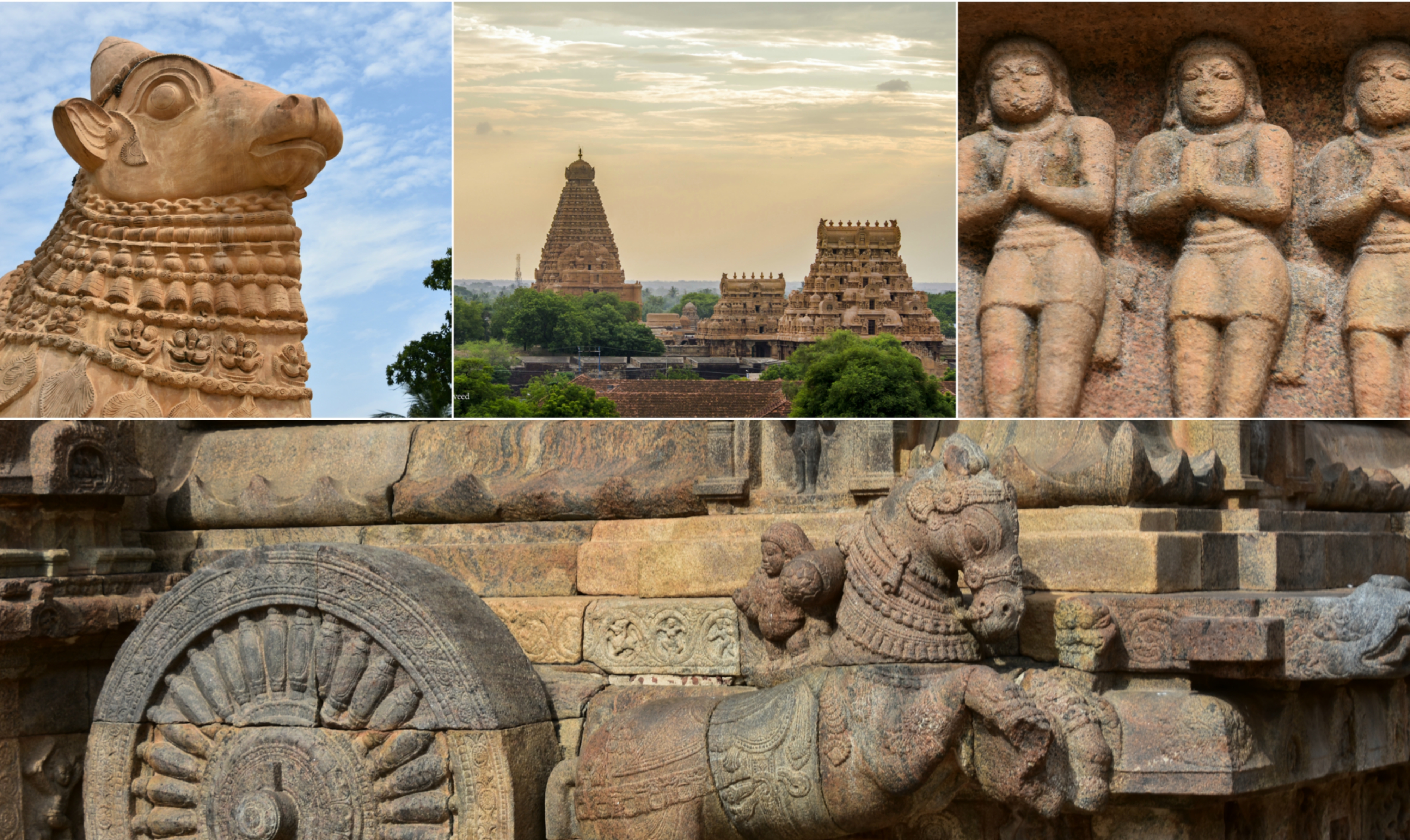
The Angambakkam Ambalavaneshvarar Temple showcases a traditional South Indian temple architectural style, characterized by its stone construction and intricate sculptural work. While the specific architectural style and materials are not definitively classified, it aligns with regional temple building traditions. Key structural elements typically include a central sanctum (garbhagriha) housing the main deity, surrounded by circumambulatory paths, and often adorned with vimanas, mandapams, and gopurams. The craftsmanship reflects the artistic prowess of ancient artisans, utilizing locally available materials to create a durable and aesthetically pleasing edifice.
Traditional Layout
The temple follows a conventional layout found in many South Indian temples, featuring a sanctum sanctorum for Ambalavaneshvarar, likely accompanied by subsidiary shrines and pillared halls (mandapams).
Sculptural Adornments
Though specific details are not recorded, temples of this region typically feature finely carved sculptures depicting various deities, mythological narratives, and decorative motifs, enriching the spiritual experience.
Construction Techniques
The construction primarily uses stone, a common material for enduring temple structures in Tamil Nadu, demonstrating traditional building techniques that have stood the test of time.
The Divine Narrative: Lord Ambalavaneshvarar and Associated Legends
Lord Ambalavaneshvarar, the presiding deity of the Angambakkam temple, is a manifestation of Shiva. The iconography typically depicts Shiva in his aniconic form as a Lingam, symbolizing the formless and all-pervading nature of the divine. While specific legends unique to Ambalavaneshvarar at Angambakkam are not widely documented, the deity is revered as a protector and bestower of blessings, embodying the universal attributes of Shiva. Daily rituals and prayers are meticulously performed according to Shaivite traditions, ensuring the continuous flow of spiritual energy and connecting devotees with the divine presence.
Iconography of Ambalavaneshvarar
The main deity, Ambalavaneshvarar, is primarily worshipped in the form of a Shiva Lingam, a symbolic representation of Lord Shiva's cosmic energy and creative power.
Local Significance
Devotees believe that worshipping Ambalavaneshvarar at this specific site grants specific boons, including prosperity, well-being, and liberation, reinforcing the temple's local spiritual importance.
Rituals and Worship
The temple adheres to traditional Shaivite Agamic rituals, with daily pujas and special ceremonies performed by priests, offering devotees an opportunity to participate in ancient worship practices.
Plan Your Pilgrimage: Visiting Angambakkam Ambalavaneshvarar Temple
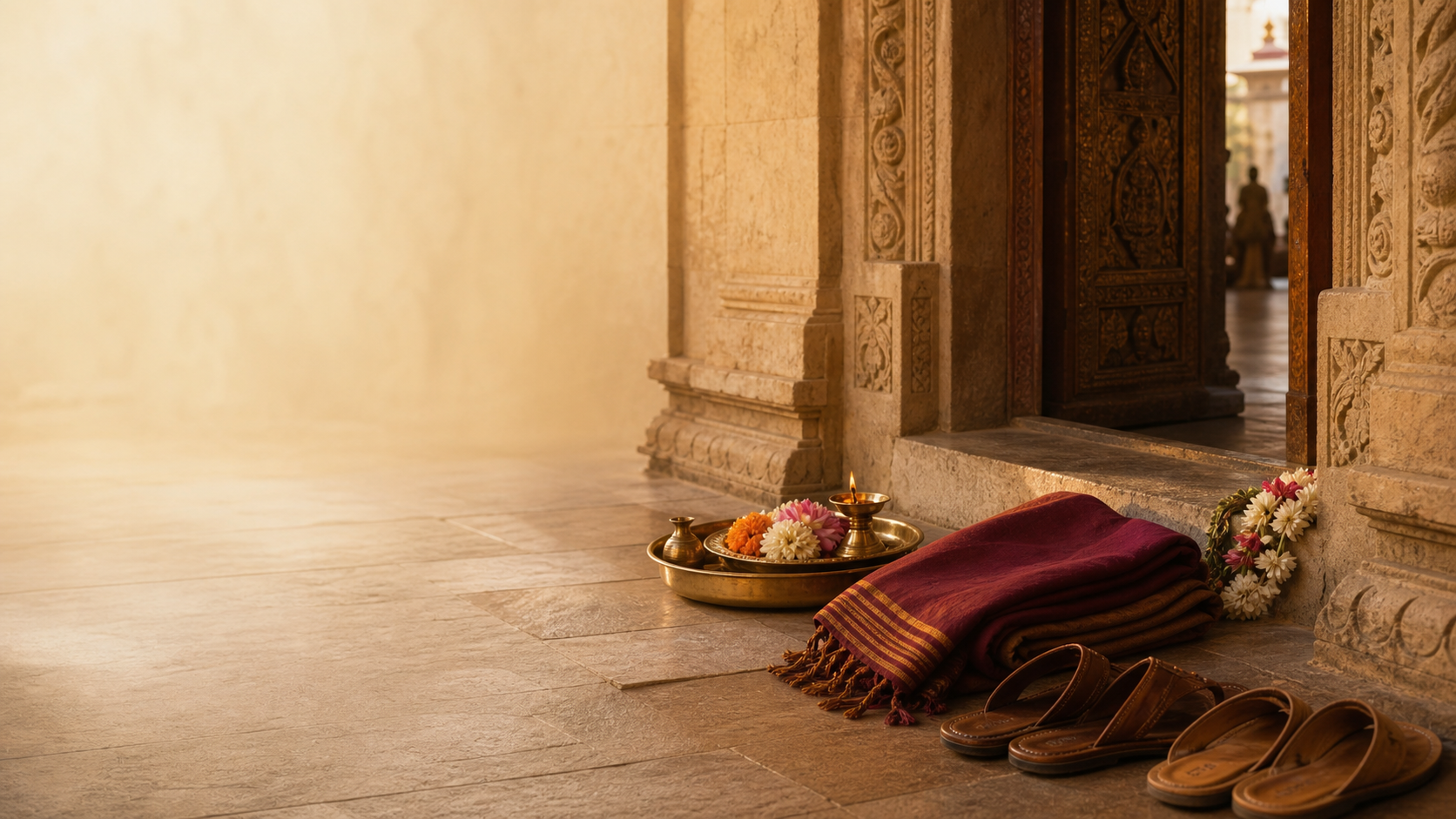
Visiting the Angambakkam Ambalavaneshvarar Temple offers a peaceful pilgrimage experience. The temple is open daily from 6:00 AM to 12:00 PM and again from 4:30 PM to 8:30 PM, with free entry for all. The period from October to March is considered the best time to visit due to pleasant weather conditions. Visitors are encouraged to wear traditional attire and remove footwear before entering the temple premises, respecting local customs. A visit typically lasts 1-2 hours, allowing ample time for darshan and quiet contemplation.
Getting There
The temple is conveniently located 10-15 km from Kanchipuram Bus Stand and Railway Station. Local buses operate from Kanchipuram, and Chennai International Airport is 70-80 km away. Parking is available for those traveling by car via NH48.
Visitor Guidelines
Entry to the temple is free. Visitors should adhere to the dress code of traditional attire and remove footwear before entering. Photography rules should be observed, typically restricting photos inside the main sanctum.
Optimal Visit Times
The temple is best visited between October and March when the weather is cooler and more conducive for travel and exploration. The temple timings are suitable for both morning and evening visits.
| Deity | Ambalavaneshvarar |
|---|
No Specific Legend Available
Information regarding specific mythological stories or legends associated with Angambakkam Ambalavaneshvarar Temple is not available in the provided data. Many ancient temples hold rich narratives that explain their origin or the miracles performed by the deity, often passed down through generations.
In the heart of devotion, peace resides. A sacred space where time stands still, offering solace to every soul.
The presence of the divine is felt not just in grand structures, but in the quiet reverence of a devotee's heart.
Related temples: Aakkoor Thanthondreeswarar Temple | Abhaya Varadeeswarar Temple, Adirampattinam
Discovering the Sacred Angambakkam Ambalavaneshvarar Temple
The Angambakkam Ambalavaneshvarar Temple stands as a significant spiritual landmark in the Kanchipuram district of Tamil Nadu. Dedicated to Lord Shiva, revered here as Ambalavaneshvarar, the temple offers a serene environment for devotees and visitors alike. Its presence underscores the rich devotional heritage of the region, drawing pilgrims seeking blessings and spiritual solace. The temple is a focal point for local religious life, embodying centuries of tradition and faith within its sacred precincts.
Location and Dedication
Situated in Angambakkam, a village within the historical Kanchipuram district, the temple is primarily dedicated to Lord Shiva, known by the name Ambalavaneshvarar. This specific manifestation of Shiva is central to the temple's identity and worship.
Spiritual Significance
The temple holds considerable spiritual importance for the local community and devotees across Tamil Nadu. It serves as a sacred space for prayers, rituals, and festivals, reinforcing the deep-rooted Shaivite traditions prevalent in the region.
Restoration & Conservation Efforts
The Angambakkam Ambalavaneshvarar Temple, with its centuries of history, has naturally faced the relentless march of time, necessitating significant restoration and conservation efforts to preserve its architectural and spiritual integrity. Over the decades, various agencies, including the Tamil Nadu Department of Archaeology and local temple trusts, have undertaken projects to combat the effects of weathering, erosion, and structural degradation. Early interventions often focused on reinforcing weakened structures and replacing damaged elements, sometimes leading to a blend of traditional and contemporary materials. The challenge has always been to maintain the temple's original aesthetic and historical value while ensuring its long-term stability. These efforts are crucial not only for the physical survival of the edifice but also for safeguarding the intricate sculptures, inscriptions, and artistic details that tell the story of its past. Contemporary conservation strategies at Angambakkam emphasize a more scientific and less intrusive approach, prioritizing the preservation of original fabric and minimizing irreversible alterations. Recent initiatives have focused on detailed documentation, structural analysis, and the implementation of traditional building techniques where possible, often involving skilled artisans specializing in Dravidian temple architecture. Community involvement has also grown, with local devotees and heritage enthusiasts contributing to awareness campaigns and fundraising drives to support ongoing maintenance. The continuous battle against environmental factors, coupled with the need for regular upkeep, means that conservation is an evergreen project for the temple. Ensuring the temple remains a vibrant center of worship and a testament to its rich heritage for future generations requires sustained commitment and collaborative efforts from all stakeholders.🗺 How to Reach
Hover a card to animate the journey on the map
Verified routes to Angambakkam Ambalavaneshvarar Temple
Common Questions
Where is Angambakkam Ambalavaneshvarar Temple: Kanchipuram's Shiva Gem located?
Angambakkam Ambalavaneshvarar Temple: Kanchipuram's Shiva Gem is documented at Kanchipuram, Tamil Nadu.
Which deity is associated with Angambakkam Ambalavaneshvarar Temple: Kanchipuram's Shiva Gem?
Angambakkam Ambalavaneshvarar Temple: Kanchipuram's Shiva Gem is associated with Ambalavaneshvarar.