A complete pilgrim record drawn from the existing published article data.
Sacred Geometry: Exploring the Temple's Design
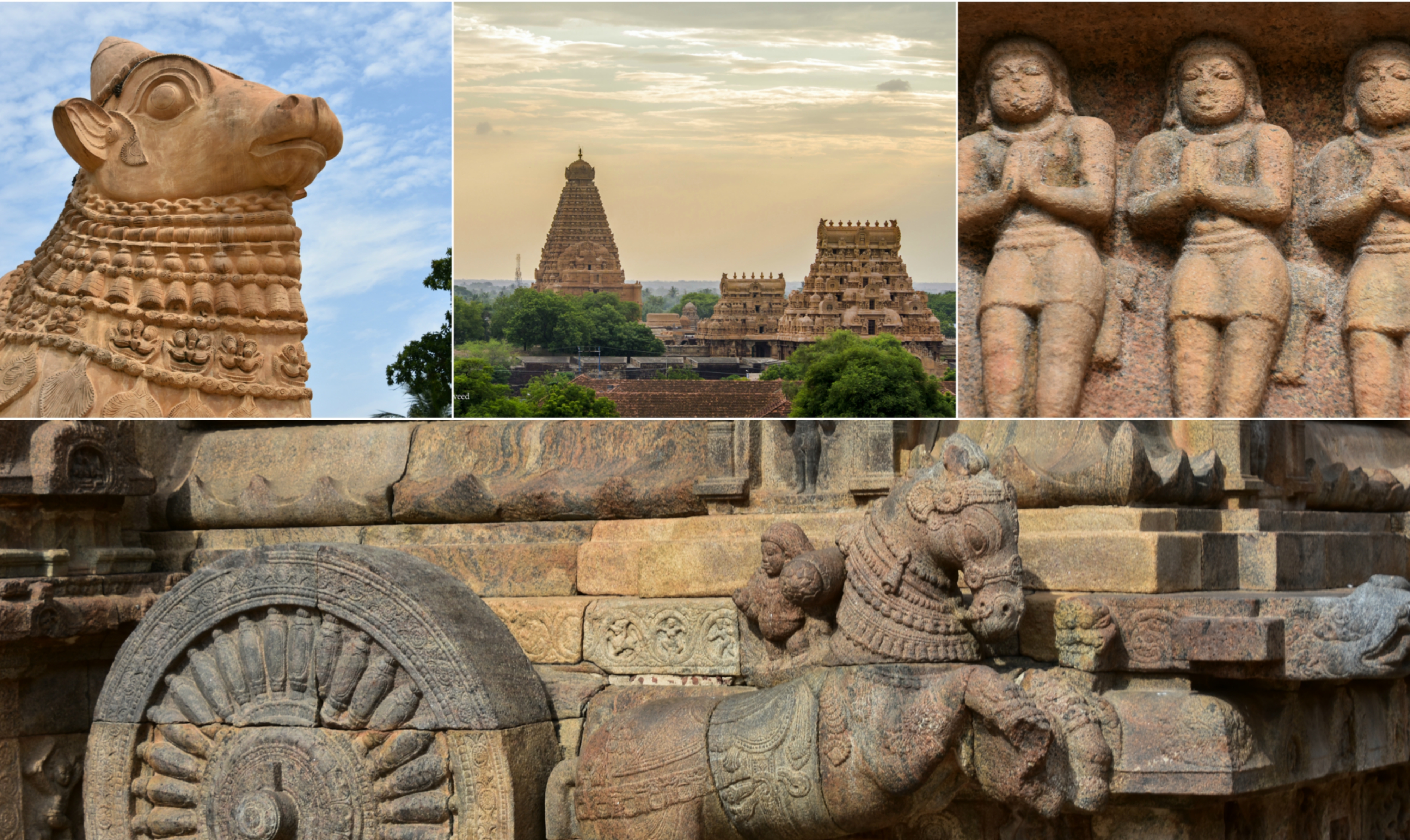
The architectural grandeur of the Sri Mahadevar temple exemplifies the traditional Dravidian style, characterized by its towering gopurams, intricate vimanas, and sculpted pillars. Every stone narrates tales from Hindu mythology, with detailed carvings adorning the walls and ceilings. The sanctum designs meticulously follow ancient agama shastra principles, ensuring the proper energetic alignment for the presiding deities. These elements collectively showcase the remarkable craftsmanship and profound symbolism inherent in ancient Hindu temple construction, inviting devotees into a space of sacred geometry and aesthetic beauty.
Dravidian Architecture
The temple showcases classic Dravidian architectural features, including multi-tiered pyramidal gopurams (entrance towers) and vimanas (sanctum towers), adorned with sculptures of deities, mythical creatures, and devotees.
Intricate Carvings
Throughout the temple, intricate stone carvings depict scenes from Hindu epics and Puranas, along with various divine forms. These detailed sculptures serve both as artistic embellishments and as visual narratives of religious lore.
Sanctum Symbolism
The layout of the main sanctum and subsidiary shrines follows specific agama shastra guidelines, ensuring the correct orientation and placement of deities. This sacred geometry is believed to enhance the spiritual power and efficacy of worship within the temple complex.
Planning Your Pilgrimage: Essential Information
Planning a pilgrimage to Angaarakan Navagrahastalam requires attention to practical details for a fulfilling experience. The temple generally operates from 6:00 AM to 12:30 PM and 4:00 PM to 9:00 PM, with free entry for all visitors. The period from October to March is considered the best time to visit due to pleasant weather conditions. Devotees are encouraged to wear traditional attire as a mark of respect and must remove footwear before entering the temple premises. A visit typically lasts 1–2 hours, allowing ample time for prayers and darshan.
Temple Timings and Entry
The temple is open daily from 6:00 AM to 12:30 PM and reopens from 4:00 PM to 9:00 PM. Entry to the temple is free for all visitors, allowing access to the main shrines and surrounding areas.
Dress Code and Etiquette
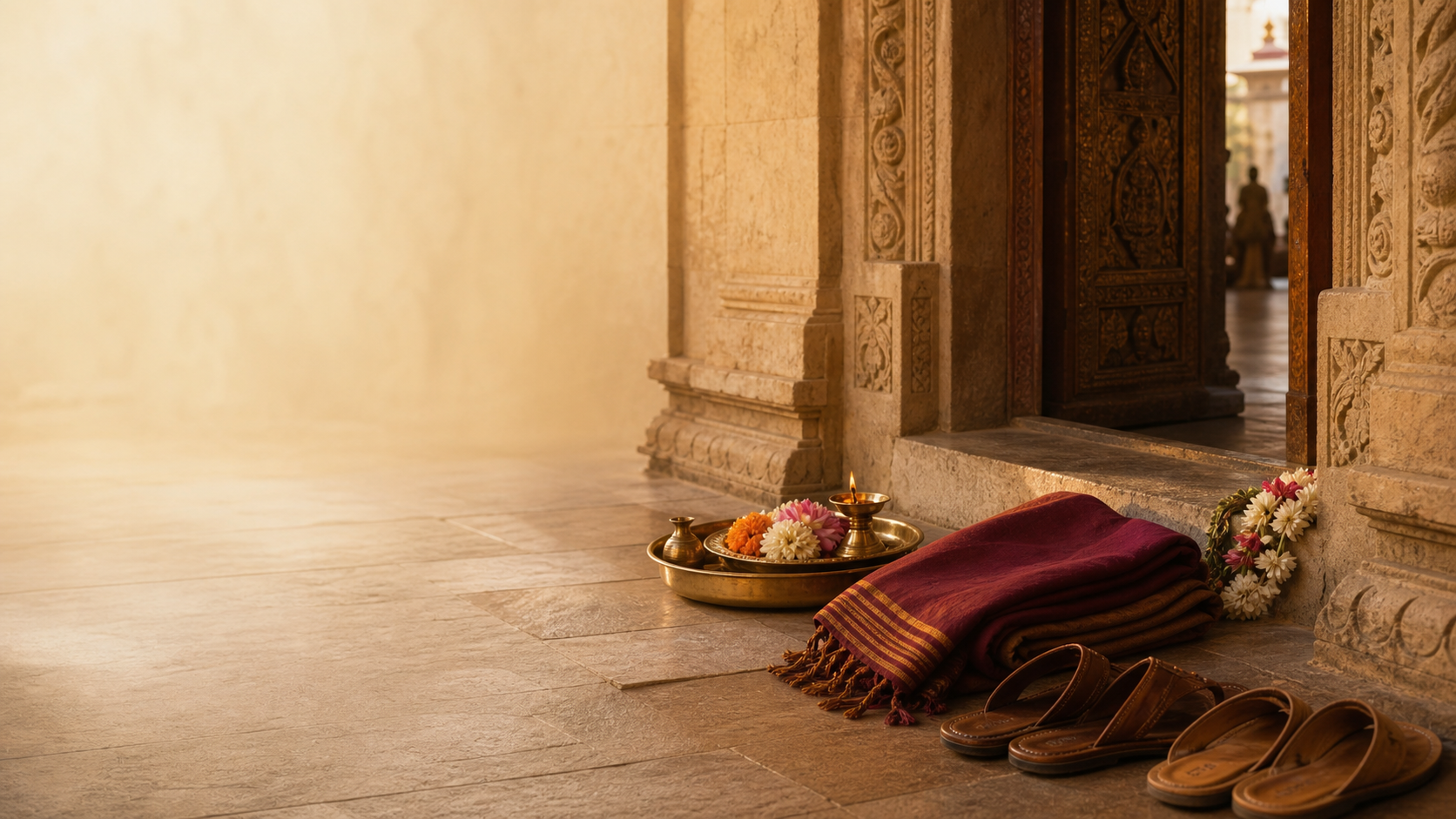
Visitors are advised to wear traditional and modest attire, covering shoulders and knees, as a sign of respect. Footwear must be removed before entering the temple complex, and photography might be restricted in certain areas.
Best Time to Visit
The months from October to March offer the most pleasant weather for visiting Tamil Nadu, making it the ideal time for a comfortable pilgrimage to Angaarakan Navagrahastalam. This period avoids the intense heat and monsoon rains.
| Deity | The Navagrahas |
|---|---|
| Form | Celestial bodies/deities |
| Sampradaya | Hinduism |
| Significance | The Navagrahas are a group of nine celestial bodies and deities in Hindu astrology, believed to influence human life and destiny. Worshipped to mitigate malefic effects and enhance benefic influences. |
The Celestial Influencers
The Navagrahas are a revered group of nine planetary deities in Hindu astrology, believed to govern human destiny and influence various aspects of life. Devotees visit temples dedicated to these celestial bodies, such as Sri Mahadevar temple, to offer prayers and perform rituals. The purpose is to appease the planets, seeking to mitigate any malefic effects they might cast and to enhance their benefic influences. This ancient practice is deeply rooted in the belief that harmonizing cosmic energies can lead to improved health, wealth, relationships, and spiritual well-being, making the temple a vital pilgrimage site for astrological remedies.
The planets govern our destiny; their benevolent gaze can alter our path.
Seek the blessings of the celestial nine to harmonize your life's journey.
Centuries of Devotion: The Temple's Enduring Legacy
The Sri Mahadevar temple boasts a rich and enduring legacy, with its origins tracing back several centuries. While specific founding dates are often steeped in local lore, the temple has been a continuous site of worship, evolving through various periods of regional dynasties. Its architectural styles and inscriptions suggest patronage from ancient kingdoms, which contributed to its expansion and spiritual prominence. Over time, devoted communities and local rulers have ensured its preservation and growth, solidifying its status as a vital religious landmark and a testament to unwavering faith.
Ancient Origins
Historical records and architectural cues suggest the temple's foundations were laid many centuries ago, establishing it as one of the region's oldest places of worship. Its initial construction likely predates several significant historical periods in Tamil Nadu.
Patronage and Development
Throughout its history, the temple received patronage from various local rulers and wealthy devotees. These contributions enabled its expansion, the addition of intricate carvings, and the establishment of rituals, enhancing its spiritual and architectural grandeur.
Spiritual Evolution
Over the centuries, the temple has evolved into a significant pilgrimage center, adapting to changing devotional practices while retaining its core spiritual essence. Its continuous operation reflects a deep-rooted tradition of faith and community involvement.
Unveiling Angaarakan Navagrahastalam: A Cosmic Sanctuary
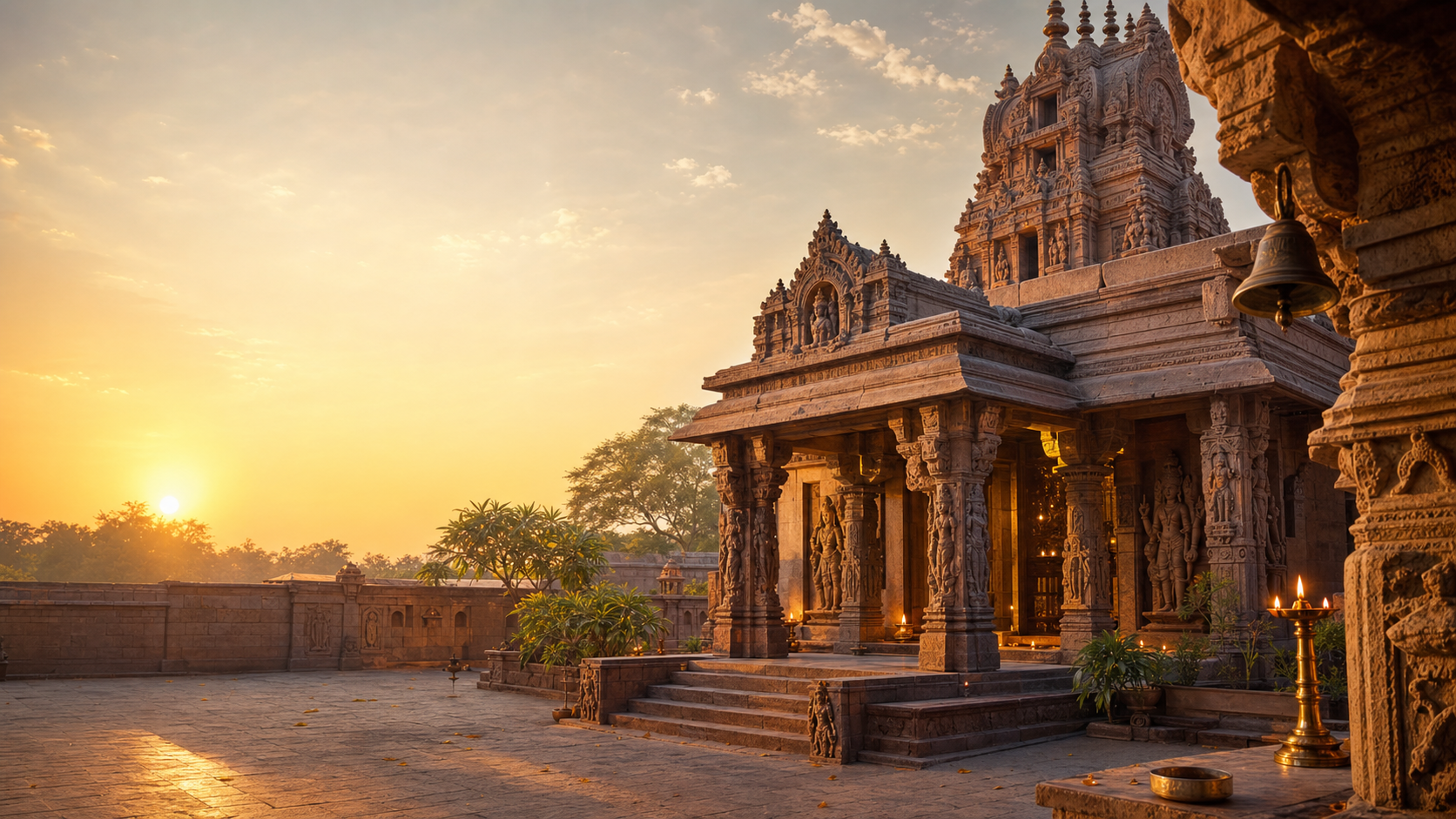
Angaarakan Navagrahastalam, the Sri Mahadevar temple, stands as a profound spiritual center in Tamil Nadu, dedicated primarily to Angaraka, the planet Mars, and the nine celestial bodies known as the Navagrahas. Pilgrims visit this sacred site seeking solace, mitigation of astrological afflictions, and blessings from these powerful planetary deities. The temple is revered for its ability to provide remedies for malefic planetary influences, particularly those associated with Mars. It offers a unique opportunity for devotees to connect with cosmic energies and seek harmony in their lives, making it a significant destination for astrological remedies.
Dedication to Angaraka
The temple's primary dedication is to Angaraka, the Hindu deity representing the planet Mars. Devotees believe that worshipping Angaraka here can alleviate negative impacts associated with Mars in one's astrological chart, promoting courage and overcoming obstacles.
Navagraha Significance
Beyond Angaraka, the temple houses shrines for all nine Navagrahas, making it a comprehensive site for planetary worship. Each deity is believed to influence different aspects of life, and collective worship here aims to balance these cosmic energies.
Astrological Remedies
Pilgrims frequently visit this temple to perform specific rituals and pujas designed to counteract adverse planetary positions. These remedies are sought for various life challenges, from health issues to career impediments, offering spiritual solutions to astrological concerns.
Angaraka and the Navagrahas: Celestial Guardians
Angaraka, the planet Mars, is revered in Hindu astrology as a powerful celestial entity, often associated with courage, energy, passion, and sometimes aggression. Alongside Angaraka, the Navagrahas—a collective of nine planetary deities—are believed to exert significant influence over human destiny and worldly events. Devotees visit this temple to mitigate negative planetary effects and enhance positive ones. Specific pujas and homas are performed to appease these celestial guardians, particularly for Angaraka, seeking protection from afflictions and blessings for prosperity and well-being. Understanding their mythology helps devotees connect with their cosmic roles.
Mythology of Angaraka
In Hindu mythology, Angaraka (Mars) is often depicted as the son of Bhumi (Earth) and Shiva. He is associated with strength, warfare, and leadership, but also with fiery temperaments and potential conflicts, making his appeasement crucial.
Navagraha Influence
The Navagrahas—Surya, Chandra, Mangala (Angaraka), Budha, Guru, Shukra, Shani, Rahu, and Ketu—are believed to govern various aspects of life. Their positions at birth are thought to determine one's fate, and their transit influences daily events.
Rituals and Offerings
Devotees perform specific rituals, including archanas and abhishekams, and offer particular grains, flowers, and clothes to each Navagraha. For Angaraka, offerings often include red lentils (masoor dal) and red flowers to invoke his positive energies and mitigate malefic effects.
🗺 How to Reach
Hover a card to animate the journey on the map
Verified routes to Angaarakan Navagrahastalam - Sri Mahadevar temple
Common Questions
Where is Angaarakan Navagrahastalam: Mars' Divine Abode located?
Angaarakan Navagrahastalam: Mars' Divine Abode is documented at Tamil Nadu.
Which deity is associated with Angaarakan Navagrahastalam: Mars' Divine Abode?
Angaarakan Navagrahastalam: Mars' Divine Abode is associated with the Navagrahas.