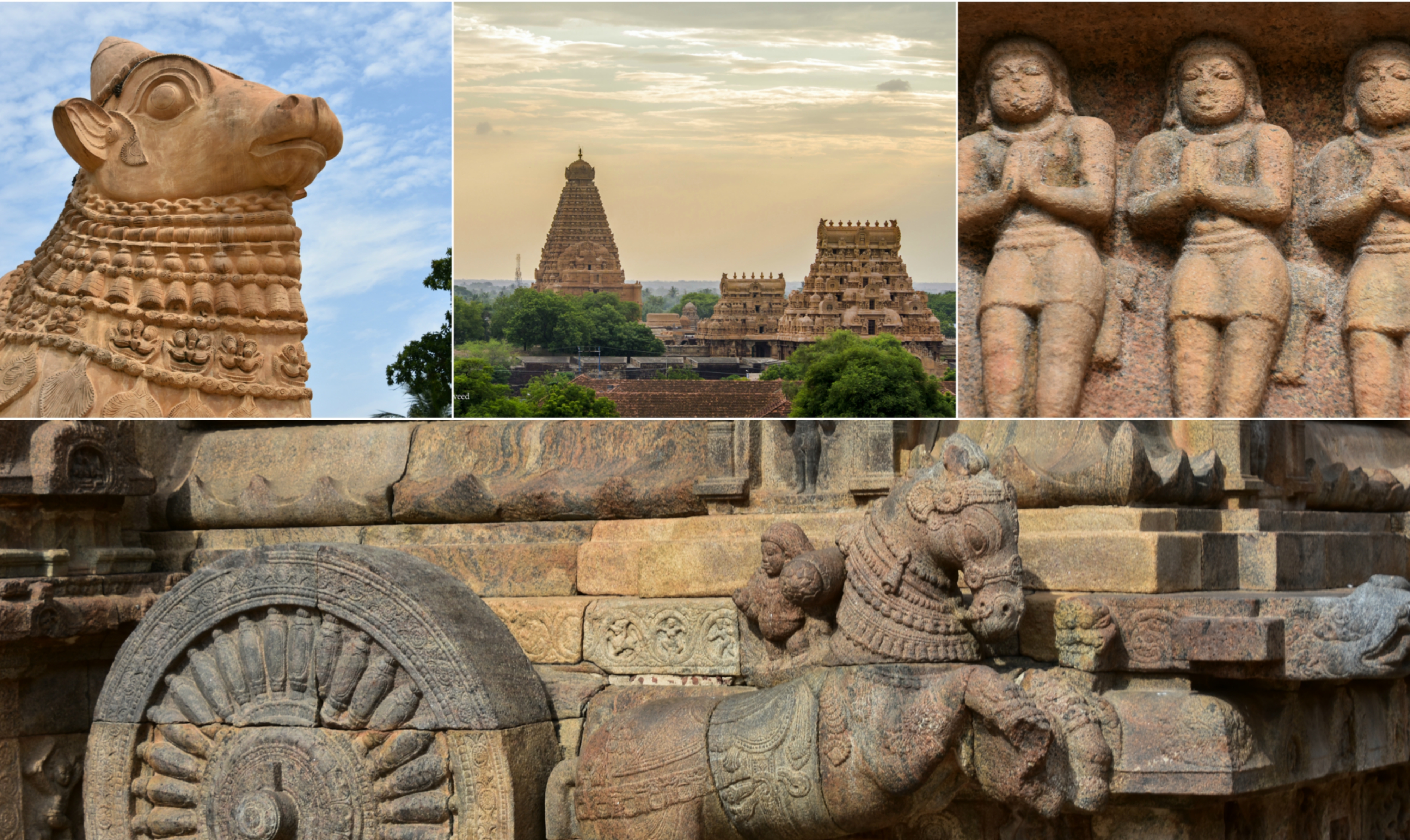
A complete pilgrim record drawn from the existing published article data.
Tamil Nadu, India's southernmost state, boasts a profound spiritual legacy embodied in its ancient temples. These sacred sites offer a captivating glimpse into centuries of rich history, artistic brilliance, and enduring cultural traditions.
This guide explores the historical foundations, distinctive architectural styles, and the vibrant stories that define these magnificent structures.
History & Foundation
Ancient Roots and Dynastic Patronage
Tamil Nadu's history is deeply intertwined with its temple heritage, stretching back millennia. Archaeological findings indicate human habitation over 385,000 years ago, with continuous cultural development for more than 5,500 years.
Artifacts from Adichanallur and Neolithic celts with Indus script (1500-2000 BCE) underscore a profound ancient past. The region, known as Tamilakam, was shaped by powerful dynasties.
Evolution Through Empires
The Sangam era triumvirate—Cheras, Cholas, and Pandyas—laid early foundations. The Pallavas (3rd–9th century CE) were pivotal, pioneering rock-cut and structural temple architecture.
Later, the Vijayanagara Empire (14th–17th century CE) significantly expanded and embellished many existing temples, adding grand gopurams and mandapams. This continuous patronage ensured the temples evolved into vast complexes.
Key Takeaway: Tamil Nadu's temples are living museums, reflecting continuous cultural and architectural evolution across multiple powerful dynasties.
Architecture & Deity
Dravidian Architectural Marvels
The temples of Tamil Nadu are quintessential examples of Dravidian architecture, characterized by towering gopurams (entrance towers), elaborate multi-storied vimanas (sanctum towers), and intricate sculptures.
These structures often feature large courtyards, pillared halls (mandapams), and sacred tanks (pushkarinis). The use of granite is prominent, showcasing remarkable engineering and artistic skill.
The Pantheon of Deities
While specific deities vary, the temples primarily venerate gods and goddesses from the Hindu pantheon, including Shiva, Vishnu, and various forms of Devi. Each temple is dedicated to a principal deity, around whom the complex is built.
The sanctum sanctorum houses the main idol, often accompanied by subsidiary shrines for other deities. These temples are not just places of worship but also centers for art, music, and education.
Definition: Gopuram – A monumental entrance tower, usually ornate and pyramidal, found at the entrance of South Indian temples.
Explore the Meenakshi Amman Temple for a prime example of Dravidian architecture.
Festivals & Traditions
Vibrant Celebrations and Rituals
Tamil Nadu's temples are vibrant centers of religious life, hosting numerous festivals throughout the year. These celebrations are marked by elaborate rituals, processions, music, and dance, attracting millions of devotees.
Major festivals often span several days, involving the ceremonial bathing of deities, chariot processions (Ther Thiruvizha), and cultural performances. These events are integral to the social and spiritual fabric of the state.
Enduring Customs and Offerings
Traditional practices, passed down through generations, are meticulously observed. Offerings of flowers, fruits, incense, and lamps are common, symbolizing devotion and gratitude. Pilgrims often perform specific vows or rituals seeking divine blessings.
The temple priests, adhering to ancient Agamic traditions, conduct daily pujas and special ceremonies, maintaining the sanctity and spiritual energy of these sacred spaces.
"Festivals are the soul of Tamil Nadu's temples, bringing communities together in fervent devotion."
Tamil Nadu's tourism industry is the largest among Indian states, significantly boosted by its temple festivals.
Visiting the Temple
Planning Your Spiritual Journey
Dress modestly, covering shoulders and knees, and be prepared to remove footwear. Respect local customs to ensure a meaningful visit.
Experiencing the Heritage
Beyond worship, appreciate the intricate carvings, architectural grandeur, and peaceful ambiance. Many temples offer guided tours that provide deeper insights into their history and significance.
Consider visiting during a festival to witness vibrant cultural expressions firsthand. Tamil Nadu is home to four World Heritage Sites, many of which are temple complexes, offering unparalleled historical value.
Pro Tip: Hire a local guide at larger temple complexes to understand the intricate iconography and historical narratives more deeply.
Stat: Tamil Nadu has the country's 9th-highest GSDP per capita of ₹315,220 (US$3,700).
Discover more historical sites in Tamil Nadu.
Sacred Stories
Legends Etched in Stone
Every ancient temple in Tamil Nadu is steeped in sacred stories and mythological narratives. These legends, often drawn from Puranas, local folklore, and epics, are vividly depicted in the temple sculptures and murals.
These narratives serve to educate devotees about dharma, karma, and the divine exploits of the deities. They transform the temple into a living scripture, where stories unfold with every step.
Divine Interventions and Miracles
Many temples are associated with specific miracles or divine interventions attributed to the presiding deity. These stories often explain the temple's origin, the significance of its location, or the unique rituals performed there.
For instance, tales of Shiva's cosmic dance or Vishnu's avatars are central to many temple identities, drawing pilgrims seeking blessings and spiritual solace.
"The stones speak volumes, narrating tales of gods, kings, and devotion across centuries."
Restoration & Conservation Efforts
🗺 How to Reach
Hover a card to animate the journey on the map
Verified routes to Ancient Temples of Tamil Nadu: History, Architecture and Legends
Common Questions
Where is Ancient Temples of Tamil Nadu: A Cultural Journey located?
Ancient Temples of Tamil Nadu: A Cultural Journey is documented at Tamil Nadu.
Which deity is associated with Ancient Temples of Tamil Nadu: A Cultural Journey?
Ancient Temples of Tamil Nadu: A Cultural Journey is associated with Multiple.