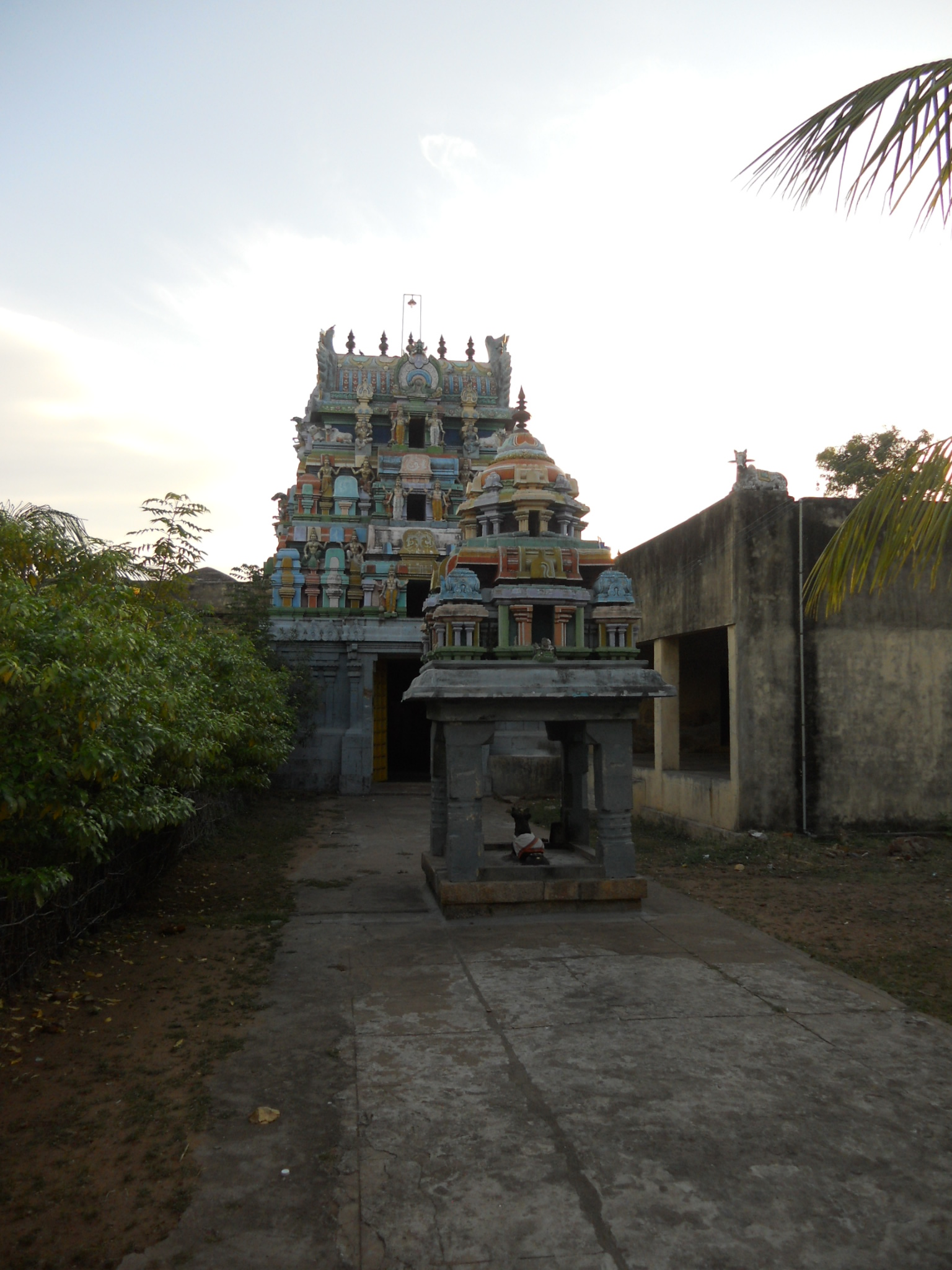
A complete pilgrim record drawn from the existing published article data.
The Deep Roots of Amirthakadeswarar
Ancient Lineages and Sacred Origins
Evolution Through Dynasties
The history of Amirthakadeswarar is not merely a chronicle of stone; it is the enduring poetry of the Nayanmars, etched into the very soul of Tamil Nadu, celebrating a divine presence across centuries.
Architectural Marvels of the Chola Era
Dravidian Grandeur and Symbolic Design
Every stone of the Amirthakadeswarar Temple whispers tales of devotion and design, a testament to the Chola artisans who sculpted faith into enduring granite.
Iconic Sculptures and Natural Integration
The Divine Narrative: Presiding Deities and Sacred Stories
Amirthakadeswarar and Amirthavalli Amman
Amirthakadeswarar (Lord Shiva)
As the primary deity, Amirthakadeswarar symbolizes Lord Shiva's role as the grantor of immortality and divine liberation. The name itself suggests a connection to "Amirtham" (nectar of immortality) and "Kada" (pot), referencing the ancient legend of the divine nectar arriving in a pot at this sacred site. He is worshipped in the form of a lingam, representing the formless, all-pervading reality of Shiva, yet containing all forms.
Amirthavalli Amman (Goddess Parvati)
The divine consort, Amirthavalli Amman, represents the nurturing, life-giving, and complementary energy of the cosmos. As Parvati, she is the embodiment of Shakti, the divine feminine power, and is revered for her grace, compassion, and ability to bestow blessings upon her devotees. Her presence completes the divine couple, symbolizing the perfect harmony between creation, preservation, and dissolution.
Profound Iconography and Mythological Echoes
The Legend of the Nectar Pot and Sakya Nayanar
The name Amirthakadeswarar stems from a profound legend. It is believed that during a cosmic deluge, a pot (kalayam) containing amirtham (the nectar of immortality) floated to this spot. When the pot burst, the divine nectar sanctified the land, and Lord Shiva manifested here, becoming the 'Lord of the Nectar Pot'. This event gave the temple its name and its immense spiritual power. Additionally, the Nayanmar saint Sakya, a devout follower who would offer a stone to the lingam daily as an act of worship, miraculously found the stones transforming into flowers, showcasing his pure devotion and Shiva's boundless grace.
Festivals and Spiritual Rhythms
Annual Celebrations of Devotion
4 Major Annual Festivals Months: Masi & MargazhiDaily Rituals and Enduring Practices
A Pilgrim's Guide to Sakkottai
We invite you to explore the deeper layers of this heritage. For further reading on South Indian spiritual sites, explore our articles on the Brihadeeswarar Temple or the Gangaikonda Cholapuram Temple.


Planning Your Sacred Journey
- Best Time to Visit: The months of December to March generally offer pleasant weather for exploring Tamil Nadu, coinciding with major festivals like Margazhi Tiruvadhirai and Maha Shivrathri.
- Rituals: Plan your visit to observe at least one of the four daily rituals to witness the continuous flow of traditional worship and absorb the spiritual energy of the temple.
- Accommodation: A range of accommodation options, from budget-friendly guesthouses to more comfortable hotels, are available in the nearby town of Kumbakonam, providing a convenient base for exploring the temple and other surrounding heritage sites.
Experiencing Local Culture and Connectivity
🗺 How to Reach
Hover a card to animate the journey on the map
Route to Amirthakadeswarar Temple: Ancient Shiva Shrine in Tamil Nadu
Common Questions
Where is Amirthakadeswarar Temple: Ancient Shiva Shrine in Tamil Nadu located?
Amirthakadeswarar Temple: Ancient Shiva Shrine in Tamil Nadu is documented at Thanjavur, Tamil Nadu.
Which deity is associated with Amirthakadeswarar Temple: Ancient Shiva Shrine in Tamil Nadu?
Amirthakadeswarar Temple: Ancient Shiva Shrine in Tamil Nadu is associated with Durga.
Related Temples


A Living Covenant