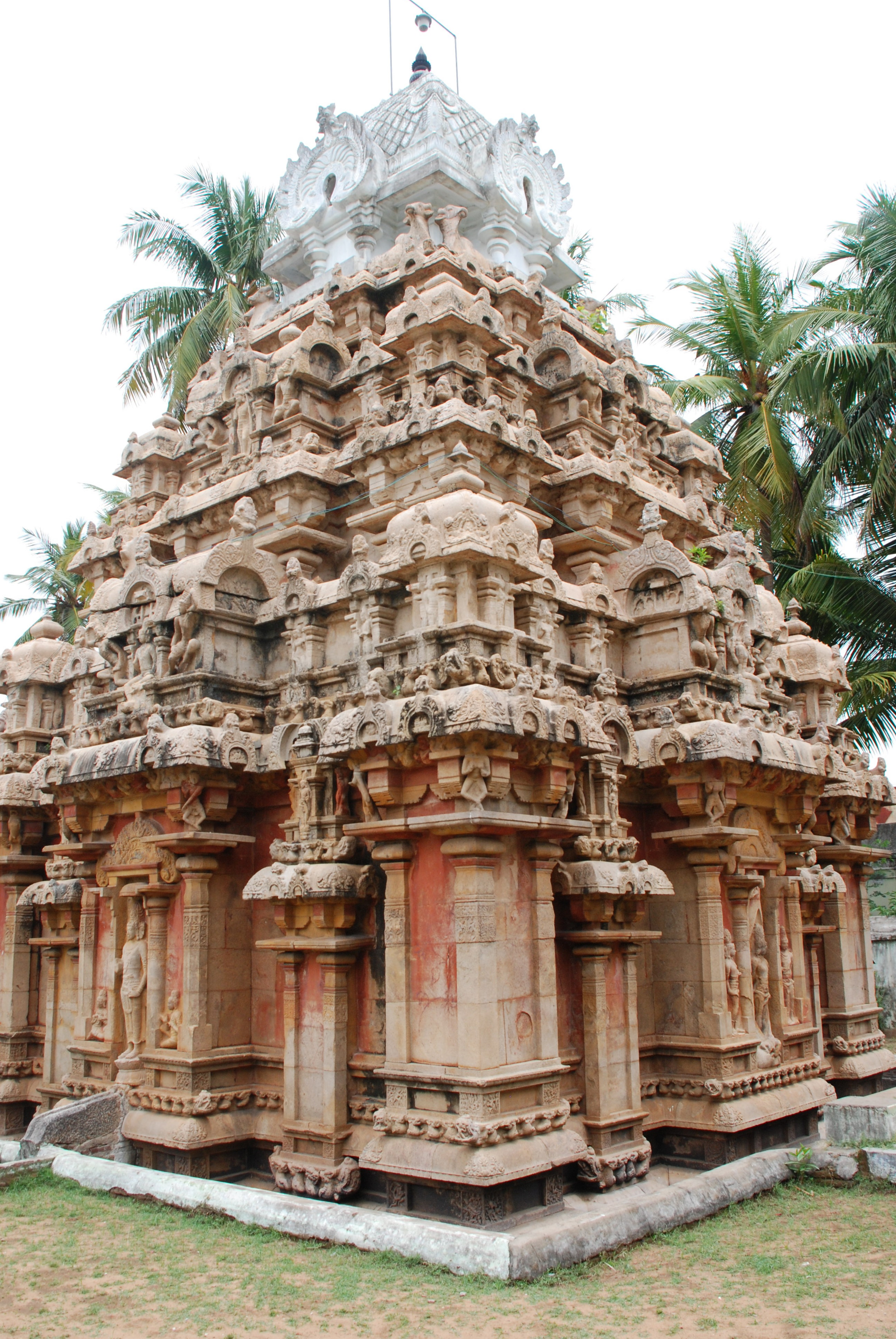
A complete pilgrim record drawn from the existing published article data.

The Sacred Geography: A Temple on the Kaveri's Edge
Riverine Setting and Ecological Significance
The Significance of Saptamangai Sthalams
Architectural Layers: Structure and Symbolism
The Core Structure: Garbhagriha and Arthamandapa
Expanding the Sacred Space: Gopuram and Later Additions

Sculptural Narratives: Artistry in Stone
Deities in Devakoshta: A Pantheon Embodied
The sculpting in this temple is of high class and speaks volumes of Chola artistry, offering a visual encyclopedia of Hindu mythology etched permanently into the temple's sacred walls.
Epic Tales in Miniature: Ramayana and Puranas

The Spiritual Calendar: Festivals and Rituals
Celebrating the Divine Feminine and Matrikas
Annual Utsavams and Community Participation
A Visitor's Guide to Pullamangai
For those planning a pilgrimage to Alandurainathar, understanding the practicalities ensures a richer and more respectful experience. Pullamangai offers a unique blend of historical depth and serene natural beauty, an ideal destination for spiritual contemplation and cultural exploration.


Related temples: Aakkoor Thanthondreeswarar Temple | Abimukeswarar Temple
Planning Your Pilgrimage
- Best Time to Visit: The cooler months, typically from October to March, offer the most serene experience for exploring the temple grounds, avoiding the peak summer heat.
- Atmosphere: Expect a deeply spiritual and reflective atmosphere, especially during early morning visits when the temple is quietest.
- Local Connection: Engage with the local community to understand the living traditions and contemporary significance surrounding the temple. Their insights can enrich your visit significantly.
Respectful Engagement and Cultural Immersion
Historical Foundation and Chola Legacy
Key Eras in Alandurainathar's History
Origins and Pallava Influences
The Golden Age of Chola Patronage
The architecture of Alandurainathar speaks volumes about the artistic maturity of the early Chola period, blending regional Pallava styles with local devotional fervor to create a unique and historically significant edifice.

Presiding Deities: Shiva, the Matrikas, and Cosmic Energies
Lord Alandurainathar: The Primary Deity
Lord Alandurainathar (Shiva)
The presiding deity of the temple is Lord Shiva, revered here as Alandurainathar. This form of Shiva signifies his role as the protector and lord of the sacred forest or 'alandurai'. Devotees worship him primarily in the form of a Shiva Lingam in the garbhagriha. The name itself invokes ancient legends of the deity's presence and power within the local landscape, reflecting a deep connection between the divine and nature.
The central shrine is dedicated to Lord Shiva, embodying his omnipotence and benevolent nature. His presence forms the spiritual core around which the entire temple complex thrives, attracting thousands of devotees annually who seek his blessings and divine grace.
The Matrikas: Guardians of Cosmic Power
Sacred Stories & Legends
The stones of Alandurainathar echo with ancient narratives and local legends that have shaped its spiritual identity for millennia. These stories imbue the temple with a vibrant living history, connecting devotees to cosmic events and divine interventions.
Myths of Alandurainathar
The Manifestation of Shiva
Local lore suggests that Lord Shiva manifested in this location as Alandurainathar to protect the flora and fauna of a sacred forest, giving the temple its name. It is believed that devas and rishis performed austerities here, and Shiva appeared to grant their boons. The sculptures depicting Dakshinamurthy and Tripurantaka subtly reinforce Shiva's multifaceted roles as both a supreme teacher and a formidable protector against evil, embodying the essence of his presence in Pullamangai.
These myths deepen the sanctity of the temple, transforming it from a mere structure into a sacred space where the divine has actively intervened in the world. Visitors often feel a tangible connection to these ancient tales as they explore the temple grounds.
Local Lore and Devotional Narratives
🗺 How to Reach
Hover a card to animate the journey on the map
Route to Alandurainathar Temple: Chola Artistry on the Kaveri Banks
Common Questions
Where is Alandurainathar Temple: Chola Artistry on the Kaveri Banks located?
Alandurainathar Temple: Chola Artistry on the Kaveri Banks is documented at Thanjavur, Tamil Nadu.
Which deity is associated with Alandurainathar Temple: Chola Artistry on the Kaveri Banks?
Alandurainathar Temple: Chola Artistry on the Kaveri Banks is associated with Murugan.
Related Temples


A Living Covenant