




A complete pilgrim record drawn from the existing published article data.
A Chola Masterpiece: The History Behind Airavatesvara
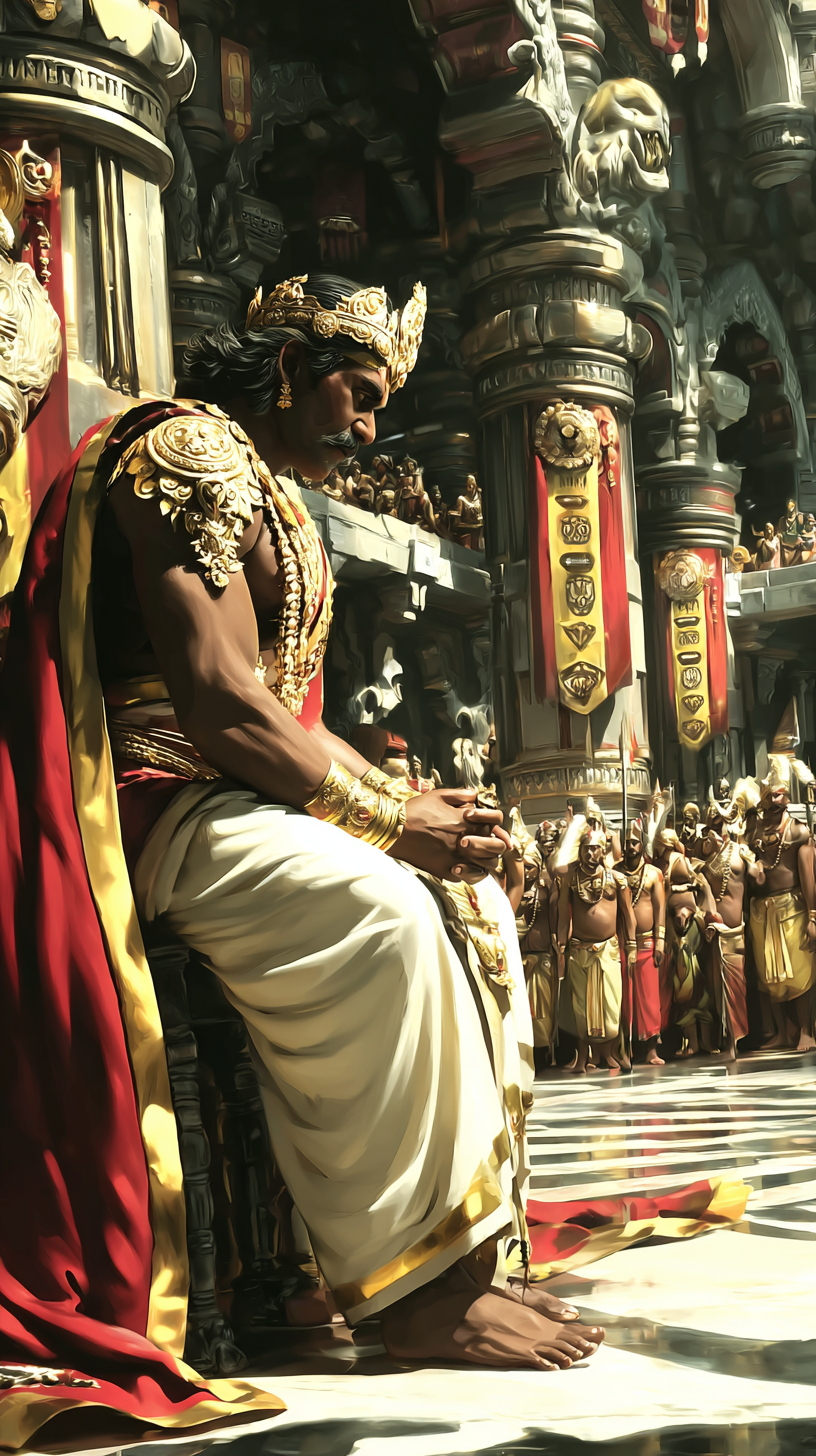
The Airavatesvara Temple was commissioned by King Rajaraja Chola II during the 12th century, specifically between 1146 and 1172 CE. It represents a significant evolution in the Chola architectural style, showcasing refined craftsmanship and artistic innovation that built upon the legacy of earlier Chola monarchs. As part of the Chola empire's extensive temple-building tradition, this shrine was not merely a place of worship but also a center for art, culture, and community life, solidifying its place in history as a true masterpiece.
Royal Patronage
King Rajaraja Chola II initiated the construction, dedicating it to Lord Shiva and ensuring its artistic excellence.
12th-Century Creation
Built in the mid-12th century, the temple reflects the zenith of later Chola artistic and architectural achievements.
Chola Architectural Zenith
It stands as a prime example of the Chola dynasty's mature temple-building style, characterized by intricate details and harmonious proportions.
Beyond the Grandeur: Decoding Airavatesvara's Intricate Architecture
Airavatesvara Temple exemplifies the distinctive Dravidian architectural style, characterized by its towering vimana, multiple mandapas, and elaborate sculptural programs. The main shrine's vimana, though smaller than those at Thanjavur or Gangaikondacholapuram, is celebrated for its exquisite detailing. The Rajagambhira mandapa features a unique chariot-shaped structure with stone wheels and horses, a signature Chola innovation. Every surface, from the plinth to the finial, is adorned with carvings depicting mythological stories, celestial beings, and daily life scenes, showcasing the unparalleled skill of Chola artisans and their ability to transform stone into vibrant narratives. The subtle musical steps are another marvel.
Dravidian Grandeur
The temple showcases classic Dravidian features, including a tiered vimana and intricately carved pillars.
Vimana and Mandapas
The central vimana and the interconnected mandapas, particularly the chariot-shaped Rajagambhira mandapa, are architectural highlights.
Narrative Carvings
Thousands of sculptures narrate Hindu myths, epic tales, and historical events, offering a visual encyclopedia of Chola-era culture.
The Deities and Myths: Stories Etched in Stone
The primary deity enshrined at Airavatesvara Temple is Lord Shiva, worshipped in his Lingam form. The temple's name itself, Airavatesvara, is derived from a fascinating legend involving Airavata, the white elephant of Indra. According to the myth, Airavata was cursed by Durvasa Muni and regained his original white color and strength after bathing in the temple's sacred tank and worshipping Shiva here. This legend is vividly depicted in the temple's sculptures, alongside numerous other mythological narratives from the Puranas and Hindu epics, offering a rich tapestry of divine tales.
Lord Shiva, the Presiding Deity
The temple is dedicated to Lord Shiva, revered in his manifestation as Airavatesvara.
The Legend of Airavata
The temple's name is linked to the myth of Indra's elephant, Airavata, who worshipped Shiva here to be cured of a curse.
Mythological Narratives
Beyond Airavata, the temple features extensive carvings of various Hindu deities, sages, and episodes from sacred texts.
Unveiling the Secrets of Airavatesvara Temple Darasuram
The Airavatesvara Temple in Darasuram, a distinguished UNESCO World Heritage site, stands as a testament to Chola architectural prowess. While its grandeur is immediately apparent, many visitors overlook the myriad of intricate details and profound symbolism embedded within its stone. This article delves beyond the temple's renowned beauty, aiming to uncover the hidden narratives, artistic subtleties, and engineering marvels that often escape a casual glance, revealing the true depth of its historical and cultural significance.
A UNESCO Gem
Recognized for its outstanding universal value, the temple is part of the Great Living Chola Temples group, celebrated globally.
Beyond the Obvious
Our focus is on the less-noticed carvings, structural innovations, and symbolic elements that enrich the visitor's experience.
Symbolism in Stone
Every sculpture and architectural feature at Airavatesvara carries layers of meaning, reflecting ancient Hindu cosmology and philosophy.
Experiencing Darasuram: A Guide to Uncovering Hidden Gems
To truly appreciate Airavatesvara, plan your visit during the cooler months from October to March. The temple is open from 6:00 AM – 12:30 PM and 4:00 PM – 9:00 PM, with free entry. Wear comfortable footwear for walking and consider traditional attire. To uncover hidden details, dedicate at least 1-2 hours. Look closely at the plinth carvings for miniature narratives, observe the musical steps in the mandapa, and seek out the lesser-known sculptures depicting various aspects of Shiva and other deities.
Optimal Visiting Hours
Visit during early mornings or late afternoons for comfortable weather and better light for photography.
Accessibility and Etiquette
The temple is easily accessible; remember to remove footwear before entering and maintain respectful conduct.
Spotting the Subtleties
Pay attention to the intricate miniature friezes, the musical steps, and the diverse depictions of Shiva's 108 karanas (dance poses).
| Deity | Shiva |
|---|---|
| Form | Shiva is primarily worshipped in the aniconic form of the Lingam, representing his cosmic energy and creative power. |
| Consort | Unknown |
| Sampradaya | Hindu |
| Significance | He is a principal deity of Hinduism, revered as the Destroyer and Transformer within the Trimurti, embodying both creation and dissolution. |
The Legend of Airavata and Lord Shiva
Airavata, the white elephant mount of Lord Indra, was once cursed by Sage Durvasa. To cleanse himself of the curse, Airavata worshipped Lord Shiva at this very spot. Pleased by his devotion, Shiva appeared and restored Airavata to his pristine white form. In gratitude, Airavata built this temple, and hence Shiva is known here as Airavatesvara, the Lord worshipped by Airavata. The temple's name itself narrates this ancient tale of devotion and divine grace.
Lord Shiva, the cosmic dancer, embodies the eternal rhythm of creation and dissolution, reminding us of life's cyclical nature.
In the sacred Lingam, Shiva's infinite energy resides, a powerful symbol of the divine presence within and beyond.
Related temples: Aakkoor Thanthondreeswarar Temple | Aazhimala Shiva Temple
Restoration & Conservation Efforts
The Airavatesvara Temple, a UNESCO World Heritage site, stands as a testament to Chola architectural prowess, but its preservation is an ongoing, meticulous endeavor. Decades of exposure to the elements, coupled with natural wear and tear, necessitated extensive restoration and conservation efforts. These projects are spearheaded by the Archaeological Survey of India (ASI), often in collaboration with international heritage organizations, to ensure the temple's structural integrity and aesthetic grandeur are maintained for future generations. The work involves careful documentation, scientific analysis of original building materials like granite and stucco, and the application of traditional techniques combined with modern conservation science to repair damaged sculptures, stabilize foundations, and prevent further erosion. This delicate balance ensures that interventions are minimally invasive, preserving the temple's authenticity and historical narrative. Conservationists face unique challenges in restoring a 12th-century granite temple, particularly in distinguishing original artistry from later additions or repairs. Techniques employed include chemical cleaning to remove biological growth and pollutants without harming the stone, structural consolidation using non-invasive methods, and the painstaking reconstruction of fallen or damaged architectural elements. These efforts often unveil hidden details, such as original paint traces on sculptures or previously obscured inscriptions, offering new insights into Chola craftsmanship and religious practices. Visitors rarely see the scaffolding or the scientific labs where these analyses occur, but the results are evident in the temple's remarkably preserved state. The commitment to authentic restoration ensures that the Airavatesvara Temple continues to tell its story, not just through its art, but through the very fabric of its enduring existence.🗺 How to Reach
Hover a card to animate the journey on the map
Route to Salem
Common Questions
Where is Airavatesvara Temple Darasuram: Hidden Secrets Most Miss located?
Airavatesvara Temple Darasuram: Hidden Secrets Most Miss is documented at Darasuram, Tamil Nadu.
Which deity is associated with Airavatesvara Temple Darasuram: Hidden Secrets Most Miss?
Airavatesvara Temple Darasuram: Hidden Secrets Most Miss is associated with Shiva.
Related Temples

A Living Covenant