



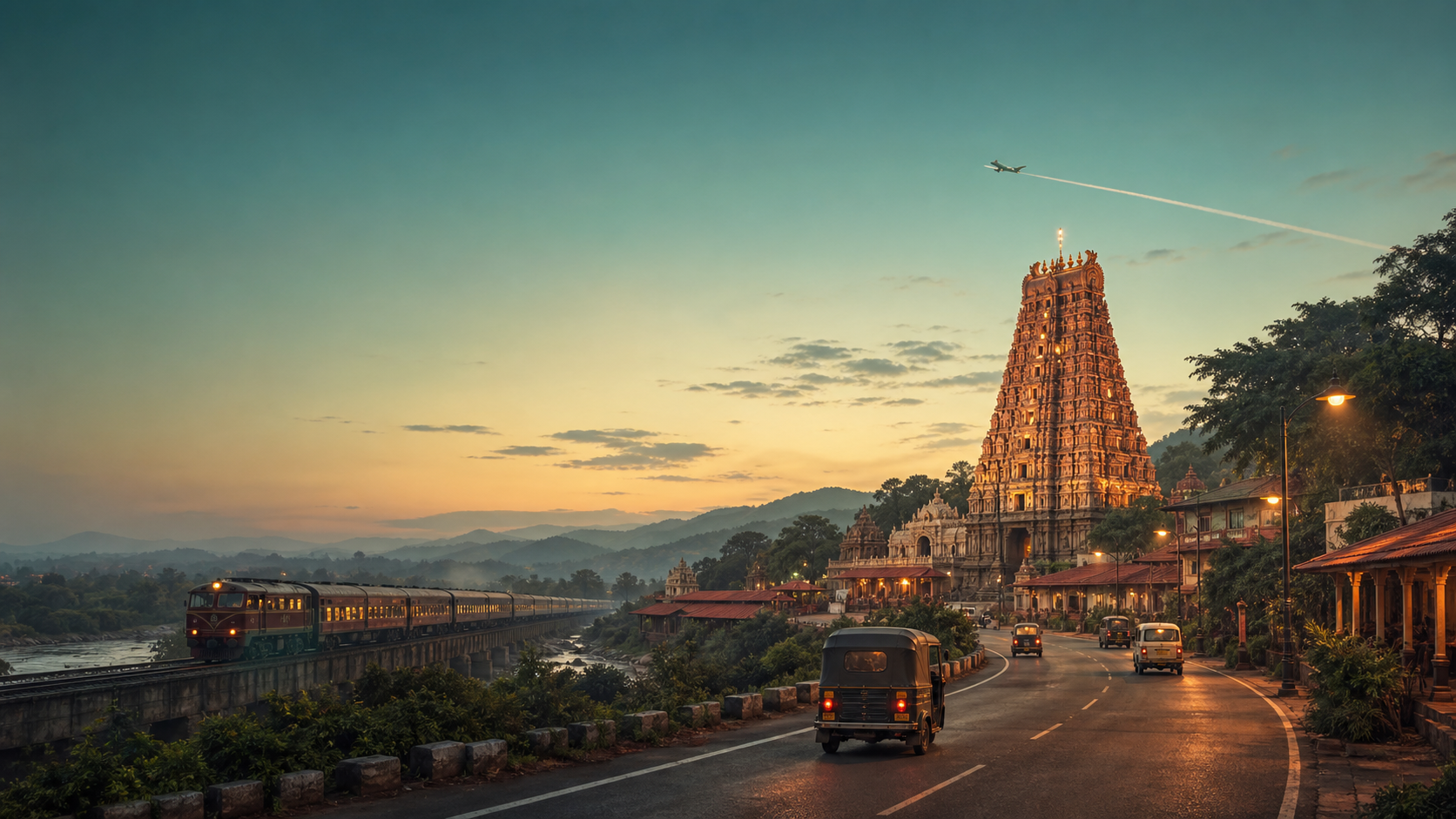
A complete pilgrim record drawn from the existing published article data.
The Chola Legacy: Rajaraja II and the Temple's Genesis
Built in the 12th century by King Rajaraja II, the Airavatesvara Temple is a prime example of later Chola architecture, reflecting the dynasty's power, artistic vision, and deep devotion to Shiva. Rajaraja II, a prominent ruler of the Chola empire, commissioned this grand temple, ensuring that it embodied the peak of Chola artistic expression and religious fervor. Its construction underscores the Chola kings' role as patrons of art and architecture, leaving behind enduring monuments that define South Indian heritage.
Patronage of Rajaraja II
King Rajaraja II (1146–1172 CE) initiated the construction of the Airavatesvara Temple, dedicating it to Lord Shiva. His reign marked a period of significant cultural and architectural flourishing within the Chola empire.
Later Chola Architectural Style
The temple represents the zenith of later Chola architecture, distinguished by its elaborate carvings, refined sculptural details, and innovative structural elements that evolved from earlier Chola designs.
Dynastic Power and Devotion
The temple's scale and artistic complexity are a testament to the immense power and wealth of the Chola dynasty, as well as their profound devotion to the Hindu deity Shiva.
Darasuram's Dravidian Marvel: Design, Layout, and Exquisite Carvings
The Airavatesvara Temple's design, characterized by its vimana resembling a chariot drawn by elephants and horses, and its intricate sculptural details depicting mythological tales and daily life, showcases the pinnacle of Dravidian architectural style. The main shrine is designed like a huge chariot, complete with stone wheels and sculpted horses, creating a dynamic visual narrative. Every surface is adorned with exquisite carvings, from miniature deities to scenes from the Puranas and everyday activities, offering a comprehensive glimpse into 12th-century Chola society and spirituality.
The Chariot Vimana
A distinctive feature is the main shrine's vimana (tower), which is conceptualized as a grand chariot with intricately carved wheels and horses, symbolizing movement and divine procession.
Intricate Sculptural Narratives
The temple walls are a canvas of detailed sculptures depicting Hindu deities, celestial beings, dancers, musicians, and scenes from epic poems and everyday life, showcasing exceptional artistic skill.
Dravidian Architectural Zenith
Airavatesvara exemplifies the mature Dravidian style, integrating sophisticated engineering with unparalleled artistic expression, making it a masterpiece of South Indian temple architecture.
Lord Shiva and Airavata: Mythology Embodied in Stone
Dedicated to Lord Shiva, the temple's name is intrinsically linked to the legend of Airavata, Indra's white elephant, who worshipped Shiva here. According to mythology, Airavata, cursed by Sage Durvasa, regained its pristine white color and health after bathing in the temple tank and worshipping Lord Shiva at this very spot. This legend adds a rich layer of mythological significance to the temple, reinforcing its sacredness and its connection to divine intervention and redemption. The temple is a site where mythology and devotion converge.
Dedication to Shiva
The Airavatesvara Temple is primarily dedicated to Lord Shiva, revered as the presiding deity. The main sanctum houses a Shiva Lingam, the aniconic representation of the god.
The Legend of Airavata
The temple derives its name from Airavata, the celestial white elephant of Lord Indra. Legend states that Airavata worshipped Shiva here to be cured of a curse, bathing in the sacred tank.
Mythological Significance
This mythological narrative imbues the temple with profound spiritual meaning, attracting devotees who believe in the curative and redemptive powers associated with the site.
Airavatesvara Temple: A Chola Masterpiece in Stone
The Airavatesvara Temple in Darasuram stands as a testament to the architectural brilliance of the Chola dynasty. A designated UNESCO World Heritage site, it is renowned for its intricate carvings and profound spiritual significance. This 12th-century marvel showcases the artistic and engineering prowess of its builders, serving not only as a place of worship but also as a stone canvas depicting various aspects of South Indian culture and mythology. Its unique design and detailed sculptures make it a cornerstone of Dravidian architecture.
UNESCO World Heritage Status
Recognized for its outstanding universal value, the Airavatesvara Temple is part of the 'Great Living Chola Temples' UNESCO World Heritage site. This designation highlights its cultural and historical importance.
Architectural Grandeur
The temple exemplifies the refined Chola architectural style, characterized by its elegant proportions, rich sculptural ornamentation, and sophisticated structural design that captivates visitors.
Spiritual Significance
Dedicated to Lord Shiva, the temple serves as an active place of worship, continuing its ancient traditions and attracting devotees and art enthusiasts alike to its sacred precincts.
Experiencing Airavatesvara: Tips for Travelers
A visit to the Airavatesvara Temple offers a profound journey into South Indian history, art, and spirituality, requiring careful planning to fully appreciate its UNESCO-listed heritage. Visitors can explore the intricate carvings, marvel at the chariot-shaped vimana, and immerse themselves in the tranquil atmosphere. The temple is easily accessible and provides a unique opportunity to witness the grandeur of Chola architecture firsthand. Planning your visit during the cooler months and respecting local customs will enhance your experience at this magnificent site.
Planning Your Visit
The temple is open from 6:00 AM to 12:30 PM and 4:00 PM to 9:00 PM daily. Entry is free. Allow 2-3 hours to fully explore the complex and its sculptures.
Best Time to Explore
The ideal time to visit is between October and March, when the weather is cooler and more pleasant for outdoor exploration. Avoid the hot summer months for a more comfortable experience.
Respecting the Heritage
Visitors are encouraged to wear traditional attire out of respect for the sacred site. Footwear must be removed before entering the temple premises, and photography is generally permitted.
| Deity | Shiva |
|---|---|
| Form | Shiva is often depicted in various forms, including the cosmic dancer Nataraja, the ascetic yogi, or as the Lingam, an aniconic representation. |
| Consort | Unknown |
| Sampradaya | Hindu |
| Significance | As the Destroyer within the Hindu Trimurti, Shiva is responsible for cosmic dissolution and regeneration, and is also revered as the patron of yoga and arts. |
No Specific Legend Provided
The input data does not contain a specific mythological story or legend directly associated with the Airavatesvara Temple. The temple is dedicated to Lord Shiva, a principal deity in Hinduism.
The divine dance of Shiva embodies the cosmic cycles of creation, preservation, and dissolution.
Every stone in this temple whispers tales of devotion and the timeless grandeur of ancient craftsmanship.
Related temples: Aakkoor Thanthondreeswarar Temple | Aazhimala Shiva Temple
Restoration and Conservation Efforts
The Airavatesvara Temple, despite its robust granite construction, has faced the relentless march of time and the vagaries of nature, necessitating continuous restoration and conservation efforts to maintain its pristine glory. Over centuries, exposure to diverse weather elements, including monsoons and sun, coupled with occasional historical disruptions and human encroachment, led to the gradual deterioration of its exquisite carvings, intricate stucco work, and overall structural integrity. Early archaeological interventions, particularly during the British Raj, laid the foundational groundwork for systematic preservation, recognizing the temple's immense historical and artistic value. These initial efforts primarily focused on preventing further collapse, clearing debris, and documenting the existing state, highlighting the monumental task ahead for safeguarding this intricate Chola masterpiece from the ravages of age and ensuring its survival for future generations.
In more recent decades, the Archaeological Survey of India (ASI) has spearheaded comprehensive conservation programs, employing advanced scientific methods to preserve the temple's delicate features. Following its inscription as a UNESCO World Heritage site in 1987 as part of the 'Great Living Chola Temples,' international standards and expertise have further informed these efforts. Modern conservation techniques include chemical cleaning to remove accretions without damaging the stone, structural reinforcement of weakened sections, and meticulous documentation through digital mapping and photogrammetry. These ongoing initiatives are crucial not only for arresting decay but also for meticulously restoring lost elements where appropriate, ensuring that the Airavatesvara Temple continues to stand as a vibrant testament to Chola architectural genius for centuries to come.
🗺 How to Reach
Hover a card to animate the journey on the map
Route to Kumbakonam
Common Questions
Where is Airavatesvara Temple: Chola Dynasty's UNESCO Architectural Gem located?
Airavatesvara Temple: Chola Dynasty's UNESCO Architectural Gem is documented at Darasuram, Tamil Nadu.
Which deity is associated with Airavatesvara Temple: Chola Dynasty's UNESCO Architectural Gem?
Airavatesvara Temple: Chola Dynasty's UNESCO Architectural Gem is associated with Shiva.
Related Temples

A Living Covenant