




A complete pilgrim record drawn from the existing published article data.
A Millennium of Devotion: The Temple's Chola Origins
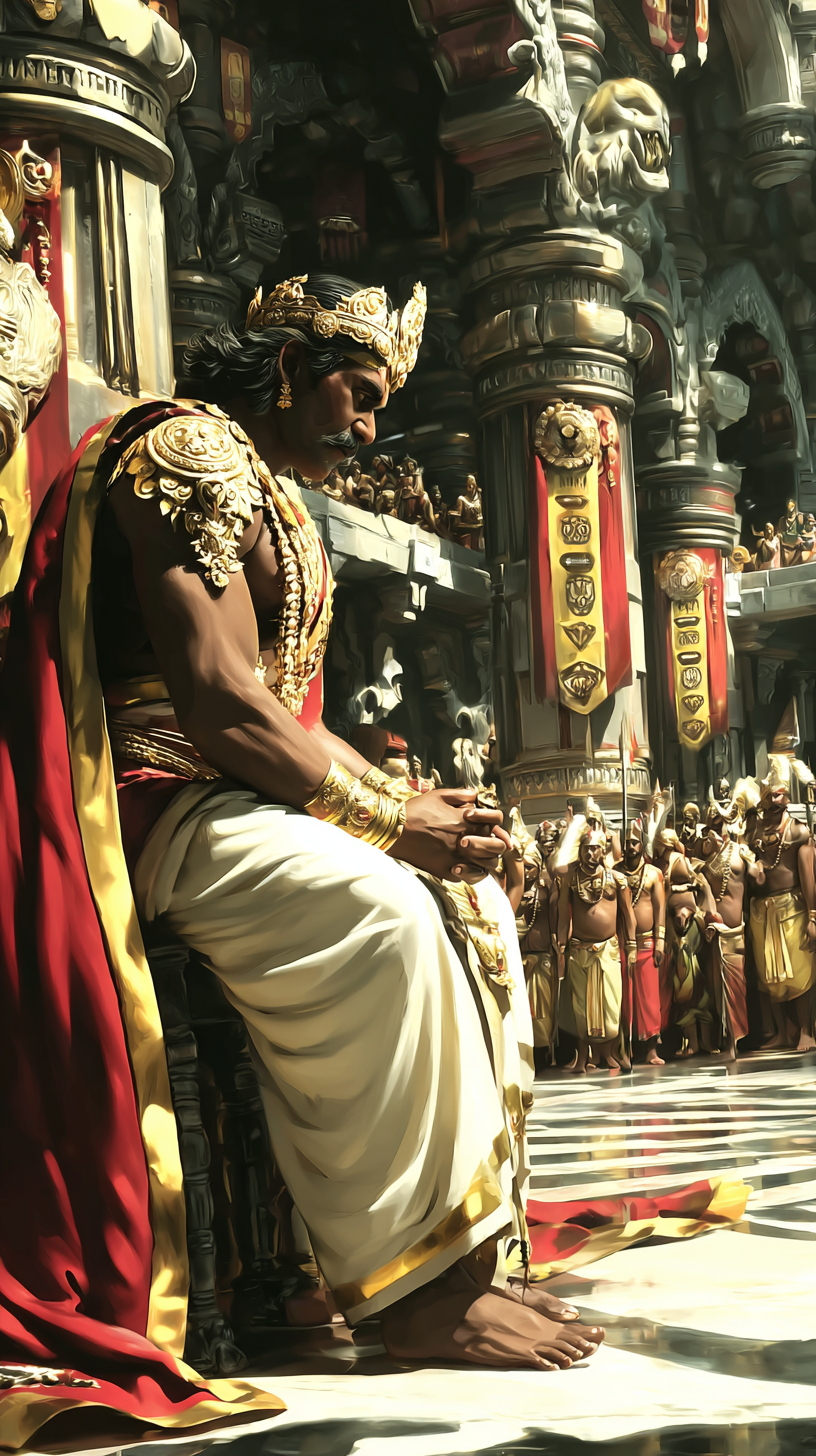
The Adi Kumbeswarar Temple boasts a rich history spanning over a millennium, with its initial construction dating back to the 9th century CE during the Chola period. While its original builders remain unknown, the Chola dynasty laid the foundation for this enduring spiritual center. Over centuries, the temple witnessed extensive expansions and renovations, particularly under the Vijayanagara Empire from the 15th century and subsequently during the Thanjavur Nayak rule in the 16th and 17th centuries. These successive periods of patronage ensured the temple's continuous evolution and sustained its cultural significance.
Chola Foundations
The 9th century CE marked the initial construction phase, establishing the temple's core structures under the patronage of the powerful Chola dynasty.
Vijayanagara and Nayak Expansions
Significant additions and renovations occurred from the 15th century, with contributions from the Vijayanagara Empire and later the Thanjavur Nayak rulers, including epigraphic evidence of donations by Krishnadeva Raya and rituals funded by Govinda Dikshitar.
Stone Narratives: The Unique Architecture of Adi Kumbeswarar
The Adi Kumbeswarar Temple exemplifies the Dravidian architectural style, primarily constructed with granite. Its design reflects the craftsmanship of the Chola era, with later embellishments from the Vijayanagara and Thanjavur Nayak periods. The temple complex features multiple gopurams, which are intricately carved pyramidal towers, serving as prominent gateways. Inside, the mandapas are noted for their detailed sculptures and architectural elements, some of which are believed to integrate concepts related to nakshatras (lunar mansions) and rasis (zodiac signs), adding a unique astrological dimension to its sacred spaces.
Dravidian Craftsmanship
The temple's architecture is a testament to the Dravidian style, characterized by its towering gopurams, elaborate vimanas, and detailed sculptural work in granite.
Mandapa Intricacies
Within the temple's mandapas, architectural elements are said to incorporate specific representations of nakshatras and rasis, reflecting a sophisticated understanding of celestial alignments.
The Divine Presence: Lord Kumbeswarar and Temple Legends
The principal deity of the temple is Lord Shiva, worshipped as Adi Kumbeswarar, embodying the Shaiva tradition. The temple's origin is deeply rooted in the captivating mythology of 'The Cosmic Pot and the Birth of Kumbakonam.' During a cosmic dissolution, Lord Brahma's sacred pot, or 'kumbha,' containing the seeds of creation, drifted upon the waters. Lord Shiva's divine arrow gently guided this pot to its resting place at what is now Kumbakonam. As the pot settled, its nectar spilled into the Mahamaham and Potramarai tanks, infusing them with sacred power. From this nectar and earth, Shiva is believed to have fashioned the Adi Kumbeswarar lingam, giving the town its name and spiritual significance.
Lord Adi Kumbeswarar
The presiding deity, Lord Shiva, is revered as Adi Kumbeswarar, central to the Shaiva worship practiced within the temple.
The Cosmic Pot Legend
The temple's foundation myth narrates how Shiva's intervention led Brahma's cosmic pot to Kumbakonam, resulting in the creation of the sacred lingam and the town's name.
Experience the Sacred: A Visitor's Guide to Adi Kumbeswarar Temple
Visitors to Adi Kumbeswarar Temple can immerse themselves in centuries of devotion. The best time to visit is from January to March, offering pleasant weather for exploration. A modest dress code is enforced, requiring traditional attire like dhoti/veshti for men and saree/salwar for women, with footwear removed before entering the complex. While timings and entry details should be confirmed with the temple office, visitors typically allocate 3-4 hours for a full darshan and precinct exploration. The temple hosts major festivals like the Mahamaham, occurring once every 12 years, and the annual Masi Magam, alongside the nine-night Navaratri celebrations with special rituals.
Essential Visit Information
Visitors are advised to contact the temple office for current timings and entry procedures. A modest dress code is mandatory, and footwear must be removed.
Key Festivals
Important festivals include the Mahamaham (every 12 years), Masi Magam (annual), and Navaratri, offering unique opportunities to witness vibrant temple traditions.
| Deity | Shiva |
|---|---|
| Form | Adi Kumbeswarar (lingam) |
| Consort | Mangalambigai Amman |
| Sampradaya | Shaiva |
| Significance | The Adi Kumbeswarar lingam is believed to be self-manifested (Swayambhu), formed by Shiva mixing nectar of immortality and sand. The temple is also identified as a Shakta pitha, with Mangalambigai Amman enshrined as Mantira Piteswari. |
The Cosmic Pot and the Birth of Kumbakonam
During a terrifying cosmic dissolution, known as pralaya, the universe faced an end. In this cataclysm, Lord Brahma's sacred pot, or 'kumbha,' containing the very seeds of all life, was set adrift. It was Shiva's divine arrow that gently displaced this pot, guiding it to its resting place at what is now Kumbakonam. As the pot settled, its precious nectar spilled into the tanks, particularly the Mahamaham and Potramarai, imbuing them with sacred power. From this very nectar, mixed with the earth's sand, Shiva himself is believed to have fashioned the revered Adi Kumbeswarar lingam, giving the town its name and its profound spiritual significance.
From the cosmic pot's sacred nectar, Lord Shiva manifested the revered Adi Kumbeswarar lingam, giving birth to Kumbakonam's spiritual essence.
A timeless Dravidian masterpiece, this Chola-era temple stands as a testament to ancient devotion and continuous spiritual legacy.
Related temples: Aakkoor Thanthondreeswarar Temple | Aazhimala Shiva Temple
Adi Kumbeswarar Temple: The Heart of Kumbakonam
The Adi Kumbeswarar Temple stands as the largest and oldest Shiva temple in Kumbakonam, Tamil Nadu. Dedicated to Lord Shiva, known here as Adi Kumbeswarar, it is a significant pilgrimage site within the Shaiva tradition. Constructed primarily in the Dravidian architectural style, its origins trace back to the 9th century CE under the Chola dynasty. Recognized as a revered Paadal Petra Sthalam, the temple holds immense spiritual importance, further enhanced by its status as one of the Saptha Stana Temples and its association with the Mahamaham festival.
Prominent Pilgrimage Site
As a Paadal Petra Sthalam, the temple is sanctified by the hymns of Nayanmars such as Appar, Sambandar, and Sundarar, signifying its ancient and profound spiritual heritage.
Architectural Grandeur
The temple showcases the quintessential Dravidian architectural style, characterized by its towering structures and intricate carvings, built predominantly from granite.
Restoration & Conservation
Adi Kumbeswarar Temple, like many ancient Hindu temples in Tamil Nadu, has undergone numerous restoration and conservation efforts throughout its long history. These initiatives are crucial for maintaining the structural integrity of the millennia-old edifice, which faces constant threats from natural elements, aging materials, and the sheer volume of devotees. Early restorations were often undertaken by local rulers and wealthy patrons, focusing on immediate repairs and occasional enhancements. However, modern conservation involves scientific analysis, archaeological expertise, and adherence to international heritage preservation standards. The challenges are significant, ranging from the deterioration of granite and stucco sculptures to the erosion of intricate carvings and frescoes, requiring specialized skills to ensure that interventions respect the original artistry and construction methods while ensuring longevity.
In recent decades, conservation efforts at Adi Kumbeswarar Temple have become more systematic, often involving the Archaeological Survey of India (ASI) or the Tamil Nadu State Department of Archaeology, alongside temple trusts and community organizations. These projects typically involve meticulous documentation, structural stabilization, chemical cleaning of sculptures, and the careful replacement of damaged elements using traditional materials and techniques. For instance, the intricate stucco work (sudhai) on the gopurams and vimanas requires skilled artisans to recreate lost details, while structural repairs address foundational issues. Such ongoing preservation ensures that the temple not only stands as a monument of historical significance but also continues to function as a vibrant center of worship, allowing future generations to experience its spiritual and architectural grandeur.
🗺 How to Reach
Hover a card to animate the journey on the map
Route to Temple
Common Questions
Where is Adi Kumbeswarar Temple: Chola Grandeur & Shiva's Pot located?
Adi Kumbeswarar Temple: Chola Grandeur & Shiva's Pot is documented at Kumbakonam, Tamil Nadu.
Which deity is associated with Adi Kumbeswarar Temple: Chola Grandeur & Shiva's Pot?
Adi Kumbeswarar Temple: Chola Grandeur & Shiva's Pot is associated with Shiva.
Related Temples


A Living Covenant