



A complete pilgrim record drawn from the existing published article data.

Historical Foundation
The Adi Kesava Perumal Temple, a revered Vaishnavite shrine in Mylapore, Chennai, boasts a rich and intricate history deeply intertwined with the cultural and religious tapestry of Tamil Nadu. Its origins are steeped in ancient lore and historical records, suggesting its existence predates many other prominent temples in the region. This section delves into the foundational myths, early inscriptions, and the initial establishment of this sacred site, tracing its journey through various epochs and highlighting the pivotal moments that shaped its spiritual and architectural evolution over centuries.
The Kanyakumari Shrine's Origins
Nestled at the confluence of three seas, the Adikesava Perumal Temple in Kanyakumari carries a rich historical tapestry. Historians generally attribute its initial construction to the mighty Chola dynasty around the 8th century CE. This makes it a significant early medieval Vaishnavite site.
Mylapore's Ancient Roots
Mylapore, the ancient coastal town where the Adi Kesava Perumal Temple stands, possesses a profound historical identity that predates recorded history, making it a cradle of South Indian civilization. This vibrant locality has been a significant spiritual and commercial hub for millennia, attracting saints, poets, and traders alike. Exploring Mylapore's ancient roots reveals its role as a key port city, a center for arts and culture, and a sacred land blessed by numerous divine manifestations, all of which contribute to the temple's enduring sanctity and cultural importance.
Dynastic Contributions and Evolution
Timeline of Adi Kesava Perumal Temple Development
"The historical layers within the Adi Kesava Perumal Temples are not just stones and carvings; they are echoes of an unwavering faith that spanned millennia, connecting generations of devotees."
Architectural Grandeur
The Adi Kesava Perumal Temples are exemplary specimens of South Indian temple architecture, each embodying the distinct artistic sensibilities of the dynasties that fostered their growth. Their structures are not merely buildings but sacred spaces designed to evoke spiritual contemplation and awe.
Kanyakumari's Dravidian-Chola Fusion
While the Adi Kesava Perumal Temple is situated in Mylapore, its architectural and cultural narrative often reflects broader regional influences, including the distinctive Dravidian and Chola styles prevalent across Tamil Nadu, notably seen in sacred sites as far south as Kanyakumari. This section explores how the powerful architectural traditions and artistic expressions, characterized by intricate carvings, towering gopurams, and robust structural designs, have permeated temple construction throughout the state, potentially influencing elements found within the Mylapore temple or providing context for its stylistic evolution.
Mylapore's Pallava-Chola-Vijayanagara Legacy
The Adi Kesava Perumal Temple stands as a testament to the enduring architectural and cultural patronage of several powerful South Indian dynasties that shaped Mylapore's landscape. This section explores the profound impact of the Pallavas, Cholas, and Vijayanagara rulers on the temple's construction, expansion, and artistic embellishments. From early Pallava rock-cut traditions to the grand Chola temple complexes and the elaborate Vijayanagara additions, understanding this dynastic legacy reveals the layers of history embedded in the temple's very fabric, showcasing a continuous evolution of devotional art and architecture.
Distinctive Architectural Features
Annual Festivals and Observances
The Adi Kesava Perumal Temples are vibrant centers of religious activity, with their annual festival calendars marking periods of intense devotion, grand celebrations, and cultural expressions. These festivals draw pilgrims from across India and beyond, showcasing the enduring faith of the Vaishnavite community.
Brahmotsavam: The Grand Celebration
The annual Brahmotsavam stands as the most magnificent and eagerly anticipated festival at the Adi Kesava Perumal Temple, transforming the sacred precincts into a vibrant spectacle of devotion and cultural fervor. This section provides an in-depth look into this grand celebration, detailing its elaborate rituals, the ceremonial processions of the deities on various vahanams (mounts), and the spiritual significance behind each day's observance. From flag hoisting to the grand chariot festival, Brahmotsavam encapsulates the temple's living traditions, uniting devotees in a shared experience of faith, music, and communal joy.
Other Key Festivals
"The festivals at Adi Kesava Perumal Temples are more than just religious events; they are vibrant cultural tapestries, weaving together ancient traditions, community spirit, and an enduring testament to faith."
Planning Your Visit
Visiting the Adi Kesava Perumal Temples offers a profound cultural and spiritual experience. Thoughtful planning can enhance your journey, ensuring a respectful and enriching encounter with these ancient shrines.
Sri Ranganathaswamy TempleMeenakshi Amman Temple


Location and Accessibility
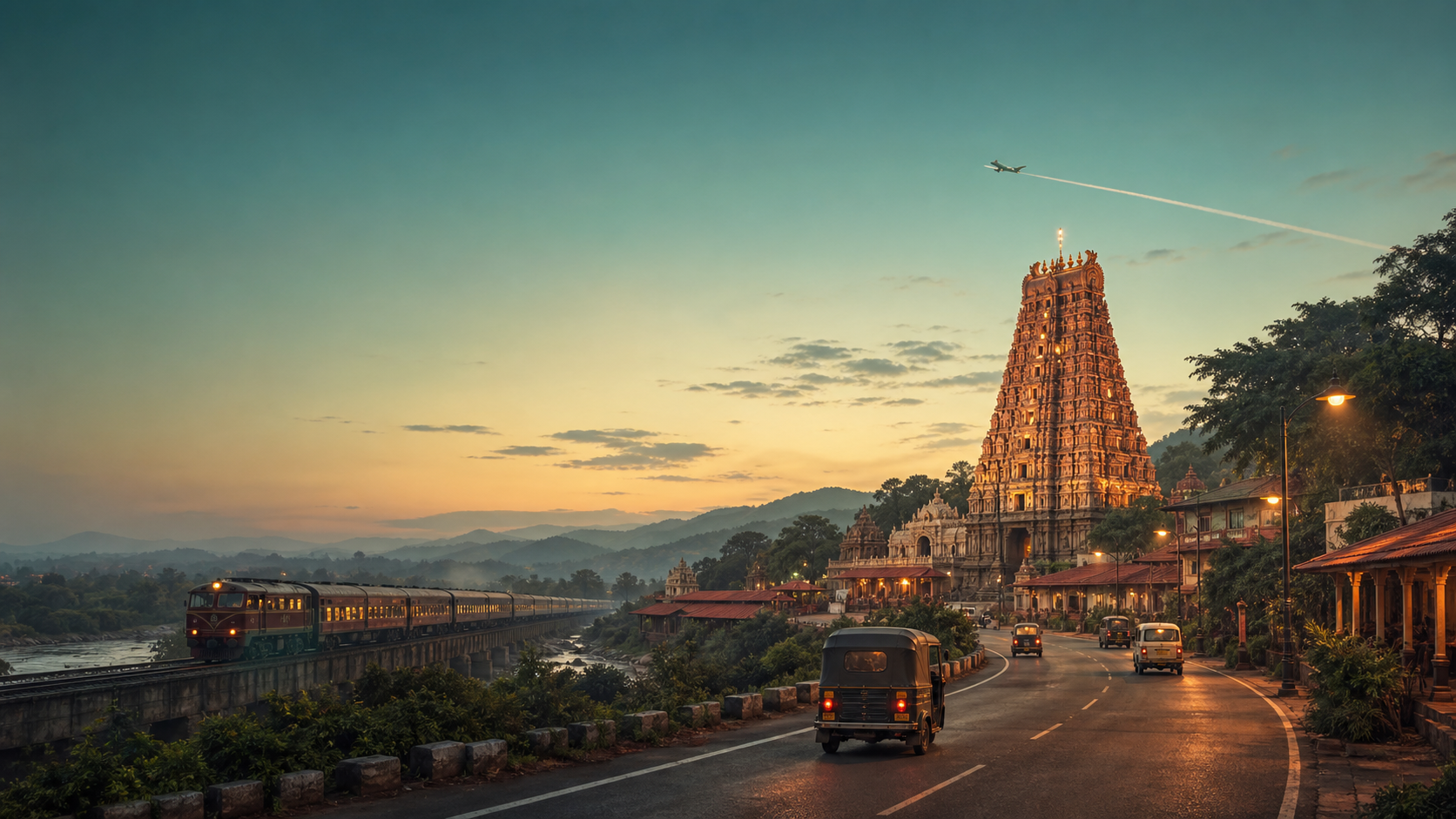
Situated in the historic Mylapore district of Chennai, the Adi Kesava Perumal Temple enjoys a prime location that is both spiritually significant and easily accessible to devotees and visitors alike. This section provides practical information regarding the temple's exact address, its proximity to major landmarks such as the Kapaleeshwarar Temple and Marina Beach, and various transportation options available. Whether traveling by local train, bus, or private vehicle, understanding the temple's location and accessibility ensures a smooth and convenient pilgrimage or visit to this revered Vaishnavite shrine.
Etiquette and Modesty
Visiting the Adi Kesava Perumal Temple is a deeply spiritual experience, and adherence to certain customs and etiquette ensures respect for the sacred space and its traditions. This section outlines important guidelines for visitors, covering appropriate dress codes that emphasize modesty, respectful conduct within the temple premises, and general decorum expected during worship or sightseeing. Understanding and observing these practices not only enhances one's own spiritual journey but also contributes to maintaining the sanctity and peaceful atmosphere cherished by all who enter this ancient and revered shrine.
Operating Hours and Best Times
Introduction to Adi Kesava Perumal Temples
Presiding Deities & Sacred Stories
At the heart of the Adi Kesava Perumal Temple lies its spiritual core, embodied by the presiding deities and the rich tapestry of sacred stories that envelop them. This section introduces Lord Adi Kesava Perumal, a manifestation of Vishnu, and his consort, Goddess Maragathavalli Thayar, detailing their iconography, unique attributes, and the profound symbolism they represent. We delve into the ancient legends, Puranic tales, and local folklore associated with these divine forms, exploring their miraculous deeds, the temple's sthala puranam, and the spiritual significance that draws countless devotees to their hallowed presence.
Adi Kesava Perumal: The Primal Lord
Adi Kesava Perumal (Lord Vishnu)
Adi Kesava Perumal is a form of Lord Vishnu, the preserver deity in the Hindu Trimurti. He is often depicted in a standing posture, holding his traditional attributes: the conch (Shankha), discus (Chakra), mace (Gada), and lotus (Padma). In both temples, he represents divine order, protection, and the primal source of creation. Devotees seek his blessings for prosperity, spiritual liberation, and relief from worldly afflictions. The deity embodies supreme consciousness and eternal existence.
Legends of Kanyakumari
The Legend of Vamana and King Bali
According to ancient texts, the benevolent but ambitious demon king Bali, through his immense austerities, had conquered the heavens and earth, displacing the gods. To restore cosmic balance, Lord Vishnu incarnated as Vamana, a dwarf Brahmin boy. Approaching Bali during a grand sacrifice, Vamana requested three paces of land. Bali, known for his generosity, readily agreed, amused by the small request.
As soon as Bali granted the boon, Vamana miraculously grew to cosmic proportions. With his first step, he covered the entire earth. With his second, he encompassed the heavens. When Vamana asked where he should place his third step, Bali, realizing Vishnu's divine trick, humbly offered his own head. Vishnu then placed his third step on Bali's head, sending him to Patala (the netherworld) and granting him immortality as a ruler there. This act of divine humility and cosmic power reinstated the cosmic order, an event deeply cherished at the Kanyakumari temple.
Mylapore's Divya Desam Status
🗺 How to Reach
Hover a card to animate the journey on the map
Route to Chennai
Common Questions
Where is Adi Kesava Perumal Temple: Chennai's Ancient Vishnu Shrine located?
Adi Kesava Perumal Temple: Chennai's Ancient Vishnu Shrine is documented at Chennai, Tamil Nadu.
Which deity is associated with Adi Kesava Perumal Temple: Chennai's Ancient Vishnu Shrine?
Adi Kesava Perumal Temple: Chennai's Ancient Vishnu Shrine is associated with Vishnu.
Related Temples


A Living Covenant