

A complete pilgrim record drawn from the existing published article data.
Adi Annamalai: The Ancient Abode of Lord Shiva
The Adi Annamalai Temple, nestled in Tiruvannamalai, Tamil Nadu, stands as an ancient and deeply revered sanctuary dedicated to Lord Shiva. It is believed to be older than the larger Annamalaiyar Temple and holds a unique spiritual essence, predating many established traditions. This sacred site offers a profound glimpse into the region's spiritual heritage and continues to draw devotees seeking divine blessings and historical insight. Its serene ambiance and architectural simplicity contribute to its profound spiritual depth, making it a significant pilgrimage destination.
Location and Significance
Situated at the foot of Arunachala Hill, Adi Annamalai is considered a pivotal spiritual site in Tiruvannamalai.
Spiritual Aura
The temple is known for its tranquil atmosphere, conducive to meditation and deep spiritual connection with Lord Shiva.
Historical Importance
Revered as one of the oldest Shiva temples in the region, it offers a window into ancient Shaivite worship practices.
Stonework and Spirituality: The Architecture of Adi Annamalai
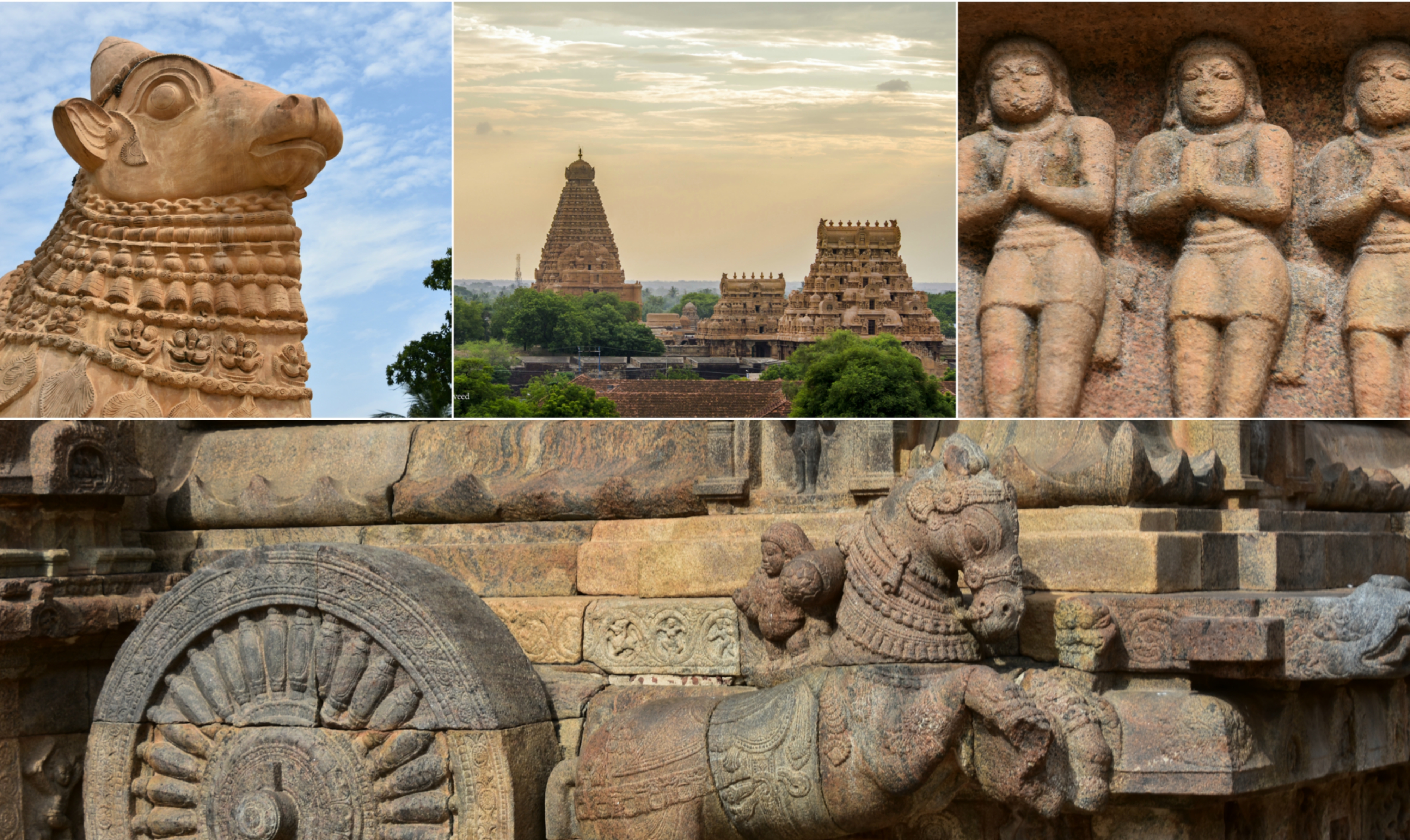
Adi Annamalai Temple exemplifies the classic Dravidian architectural style, characterized by its sturdy stone construction and intricate carvings, albeit on a more modest scale compared to larger temples. The temple complex features a central shrine, a mandapam, and a surrounding prakaram. Stone pillars often depict mythological figures and deities, showcasing the craftsmanship of ancient artisans. The vimana above the sanctum sanctorum, though less ornate than later temples, retains the traditional pyramidal form. The overall design emphasizes simplicity and spiritual focus, reflecting its ancient origins.
Dravidian Style
The temple showcases fundamental elements of Dravidian architecture, including granite construction and a gopuram.
Key Structures
It comprises a sanctum sanctorum housing the main deity, a pillared hall, and circumambulatory paths for devotees.
Sculptural Details
Though modest, the temple features intricate carvings on its pillars and walls, depicting various deities and mythological scenes.
The Divine Presence: Lord Shiva as Annamalaiyar
At Adi Annamalai, Lord Shiva is worshipped as Annamalaiyar, a manifestation deeply intertwined with the sacred Arunachala Hill. Mythology recounts Shiva appearing as an infinite column of light (Jyotirlinga) to settle a dispute between Brahma and Vishnu, who sought to find his beginning and end. This site is believed to be the Adi (first or original) place of this manifestation, preceding the larger temple. The main deity is a lingam, symbolizing Shiva's formless, infinite nature. This legend imbues the temple with profound spiritual significance, making it a powerful center for Shiva devotees.
Manifestation Legend
The temple is associated with the legend of Shiva's appearance as an infinite column of fire, the Jyotirlinga.
Lingam Form
Lord Shiva is primarily worshipped here in the form of a lingam, representing his cosmic energy and formlessness.
Spiritual Significance
Devotees believe worshipping Annamalaiyar at this ancient site bestows immense spiritual merit and liberation.
Tracing the Roots: A Journey Through Adi Annamalai's Past
The origins of Adi Annamalai Temple are deeply rooted in antiquity, with its history predating many known architectural and religious developments in the region. Archaeological findings and ancient texts suggest its existence as a primal worship site. Over centuries, various dynasties, including the Pallavas, Cholas, and Vijayanagara rulers, contributed to its structure and sanctity, leaving behind inscriptions and additions that chronicle its evolution. These historical milestones underscore its continuous reverence and enduring significance as a sacred space dedicated to Lord Shiva.
Early Mentions
References to the temple can be found in ancient Tamil literature, indicating its long-standing presence and sanctity.
Dynastic Contributions
Successive empires patronized the temple, enhancing its structure and ensuring its preservation through various eras.
Inscriptional Evidence
Stone inscriptions within the temple premises provide valuable historical data about its construction and donations.
Experiencing Devotion: A Guide to Adi Annamalai Temple
Visiting Adi Annamalai Temple offers a serene spiritual experience. Devotees can participate in darshan during specified timings, offering prayers and performing archanas (ritual offerings) to Lord Shiva. Daily rituals include abhishekam (sacred bathing) and deeparadhana (lamp offerings). While smaller in scale, the temple observes important Hindu festivals, particularly those dedicated to Shiva, such as Maha Shivaratri and Karthigai Deepam. These occasions draw local devotees, filling the temple with devotional fervor. Visitors are encouraged to observe traditional dress codes and temple etiquette for a respectful experience.
Darshan and Offerings
Devotees can offer prayers and perform archanas during the temple's operating hours.
Daily Rituals
Regular pujas, abhishekam, and deeparadhana are conducted daily, maintaining the temple's sanctity.
Temple Festivals
Key festivals like Maha Shivaratri and Karthigai Deepam are celebrated with special pujas and communal gatherings.
Adi Annamalai's Timeless Influence
Adi Annamalai Temple continues to exert a profound and timeless influence on the spiritual landscape of Tiruvannamalai and beyond. Its ancient roots provide a continuous link to early Shaivite traditions, nurturing the faith of countless generations. Culturally, it preserves architectural styles and ritual practices that reflect the region's rich heritage. As a pilgrimage destination, it remains a source of solace and spiritual renewal, inspiring devotees to connect with the divine presence of Lord Shiva. Its enduring legacy underscores its role as a cornerstone of local religious life.
Spiritual Legacy
The temple serves as a living testament to ancient Shaivite traditions, passed down through generations.
Cultural Impact
It contributes significantly to the cultural identity of the region, preserving ancient art forms and practices.
Pilgrimage Destination
Adi Annamalai remains a vital pilgrimage site, attracting devotees seeking spiritual solace and blessings from Lord Shiva.
| Deity | Shiva |
|---|---|
| Form | Shiva is often depicted as a yogi, meditating in the Himalayas, or as Nataraja, the cosmic dancer. He is typically shown with a third eye, a crescent moon in his hair, and a serpent around his neck. |
| Consort | Parvati |
| Sampradaya | Shaivism |
| Significance | Shiva is one of the principal deities of Hinduism, known as the Destroyer and Transformer within the Trimurti. He represents creation, preservation, and destruction, and is revered as the supreme being in Shaivism. |
The Fiery Pillar of Creation
In ancient times, a profound dispute arose between Lord Brahma, the creator, and Lord Vishnu, the preserver, each claiming ultimate supremacy. To resolve this cosmic argument, Lord Shiva manifested as an immense, fiery column of light, an infinite lingam, piercing the heavens and the earth. Brahma, taking the form of a swan, soared upwards to find its crown, while Vishnu, as a boar, delved deep into the netherworld to discover its base. After eons of tireless searching, both returned, humbled and unsuccessful, realizing the immeasurable and boundless nature of Shiva. This divine revelation of Shiva's infinite form is believed to have taken place at Arunachala, establishing his supreme dominion and the sanctity of this sacred land.
Adi Annamalai: Where Shiva, the Destroyer and Transformer, manifests his divine presence in the heart of Tamil Nadu.
At Adi Annamalai, witness Shiva, the Destroyer and Transformer, in his sacred abode. A timeless spiritual journey awaits in Tamil Nadu.
🗺 How to Reach
Hover a card to animate the journey on the map
Verified routes to Adi Annamalai
Common Questions
Where is Adi Annamalai Temple: Ancient Shiva Shrine in Tiruvannamalai located?
Adi Annamalai Temple: Ancient Shiva Shrine in Tiruvannamalai is documented at Tiruvannamalai, Tamil Nadu.
Which deity is associated with Adi Annamalai Temple: Ancient Shiva Shrine in Tiruvannamalai?
Adi Annamalai Temple: Ancient Shiva Shrine in Tiruvannamalai is associated with Shiva.