
A complete pilgrim record drawn from the existing published article data.
Tracing the Ancient Legacy and Maratha Confederacy's Contribution
The Vishnupad Temple's spiritual lineage extends to ancient times, with the legend of Gayasura and Vishnu's footprint documented in the Puranas from the Early to Late 1st Millennium CE. The current structure, a testament to enduring faith, was built in 1787 CE. This significant reconstruction was commissioned by Maharani Ahilyabai Holkar of Indore, a prominent ruler from the Maratha Confederacy. Her patronage during the 18th century CE solidified the temple's physical presence and ensured its continued role as a vital pilgrimage center, blending ancient narratives with Maratha architectural influence.
Ancient Origins
The foundational legend of Gayasura and Lord Vishnu's footprint, central to the temple's sanctity, is recorded in the Puranas, dating back to the Early to Late 1st Millennium CE.
Maratha Reconstruction
The current Vishnupad Temple was constructed in 1787 CE under the patronage of Maharani Ahilyabai Holkar of Indore, a key figure of the Maratha Confederacy, during a period when the region was under Maratha influence.
Enduring Spiritual Importance
The temple's continuous existence, from its ancient mythological roots to its 18th-century rebuilding, underscores its lasting spiritual significance as a site for devotion and ancestral rites.
The Distinctive Architecture of Vishnupad Temple
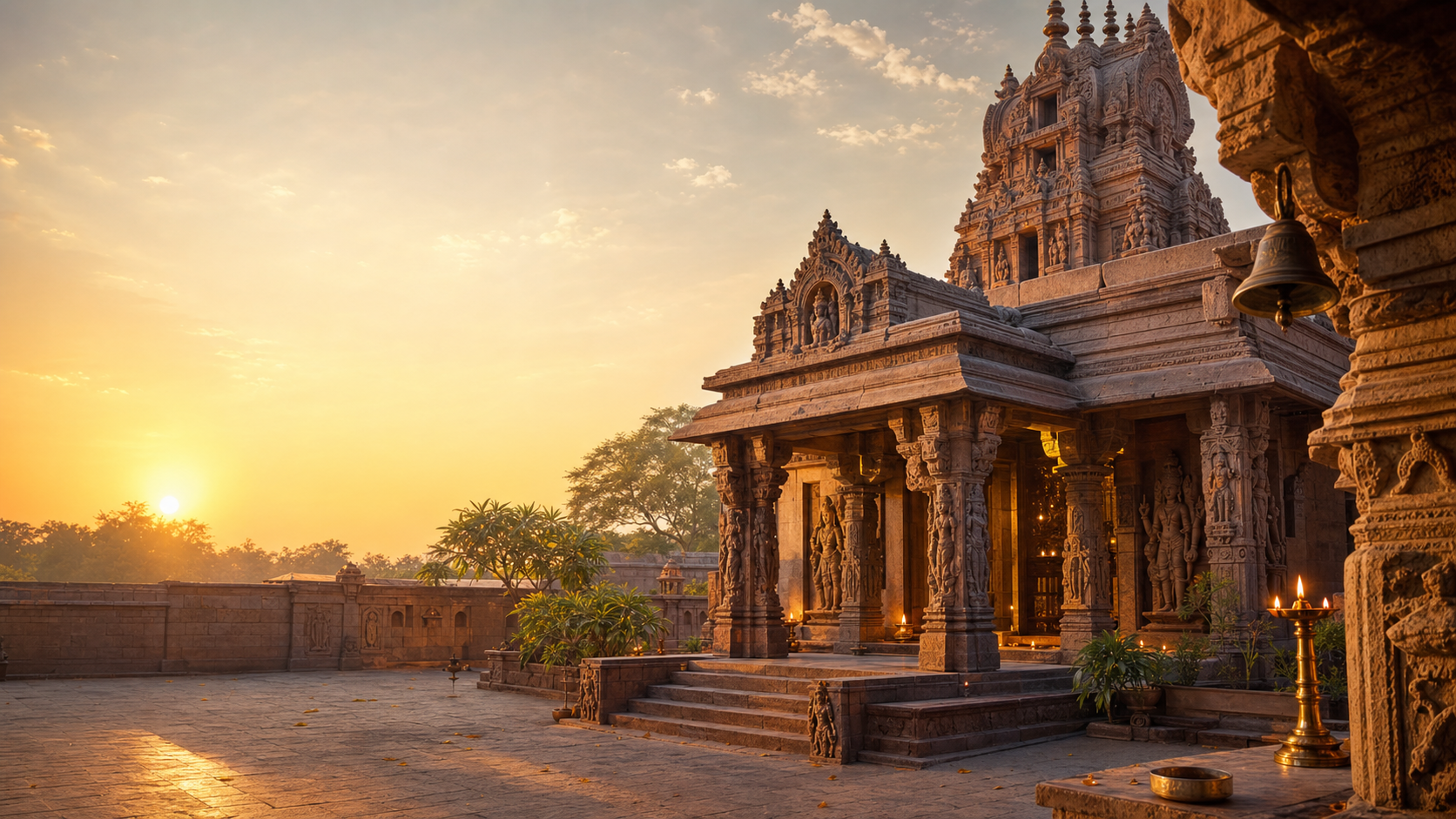
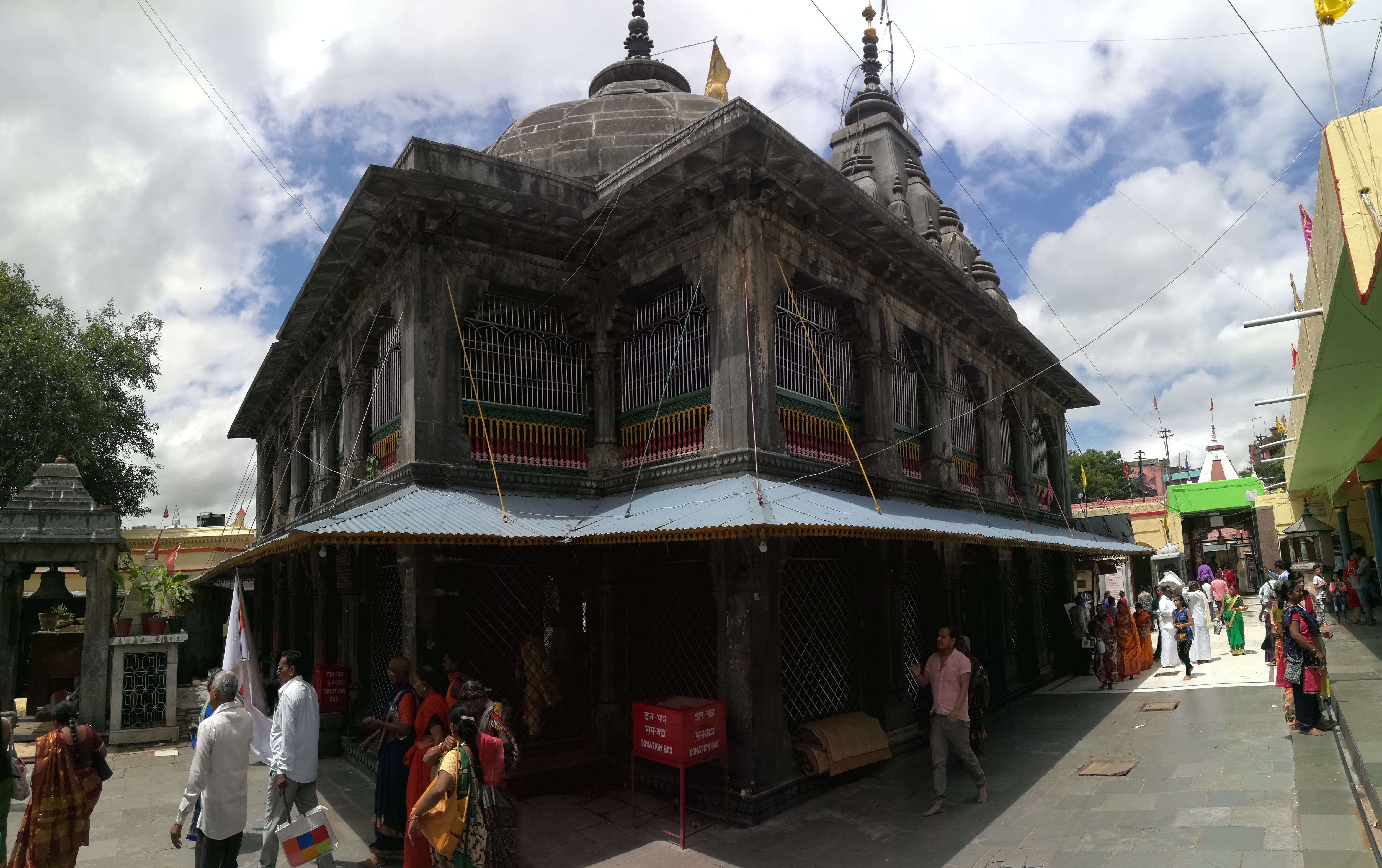
The Vishnupad Temple exemplifies the Nagara style of architecture, a characteristic North Indian temple design. Built in 1787 CE by Maharani Ahilyabai Holkar of Indore, its construction primarily utilized iron, a notable material choice for its time. The temple's design intricately incorporates the sacred footprint of Lord Vishnu as its central focus. Its structure reflects the craftsmanship and devotional aesthetics prevalent during the Maratha Confederacy period, showcasing a blend of traditional styles and the specific requirements for housing such a revered relic.
Nagara Style Influence
The temple's architectural framework adheres to the Nagara style, a distinct form of temple architecture common in Northern India, characterized by its curvilinear tower.
Construction and Material
Commissioned in 1787 CE by Maharani Ahilyabai Holkar, the Vishnupad Temple was notably constructed using iron, demonstrating a unique approach to temple building materials.
Central Sacred Footprint
The entire architectural layout is designed to venerate the sacred footprint of Lord Vishnu, which forms the spiritual and physical core of the temple structure.
The Divine Footprint: Mythology and Ancestral Rites
The Vishnupad Temple's sanctity revolves around the divine footprint of Lord Vishnu, believed to be impressed on a rock. This footprint is central to the ancient narrative of "The Subduing of Gayasura," where Vishnu placed his foot upon the demon to grant him liberation and establish Gaya as a sacred site for ancestral salvation. Following this Vaishnava tradition, the temple is a primary destination for Pind Daan rituals, especially during Pitru Paksha. Pilgrims perform these ceremonies to offer salvation to their forefathers, making the footprint a powerful symbol of divine intervention and ancestral liberation.
The Legend of Gayasura
The footprint marks the spot where Lord Vishnu subdued the demon Gayasura, granting him liberation and establishing Gaya as a holy site for ancestral rites as per the Puranas.
Significance for Ancestral Rites
The temple is a pivotal location for performing Pind Daan ceremonies, particularly during Pitru Paksha, where offerings are made to ensure the salvation of ancestors.
Lord Vishnu's Presence
As a Vaishnava temple, its main deity is Lord Vishnu, whose footprint is the central object of veneration, representing his direct divine presence and blessing.
Modern Pilgrimage and Rituals
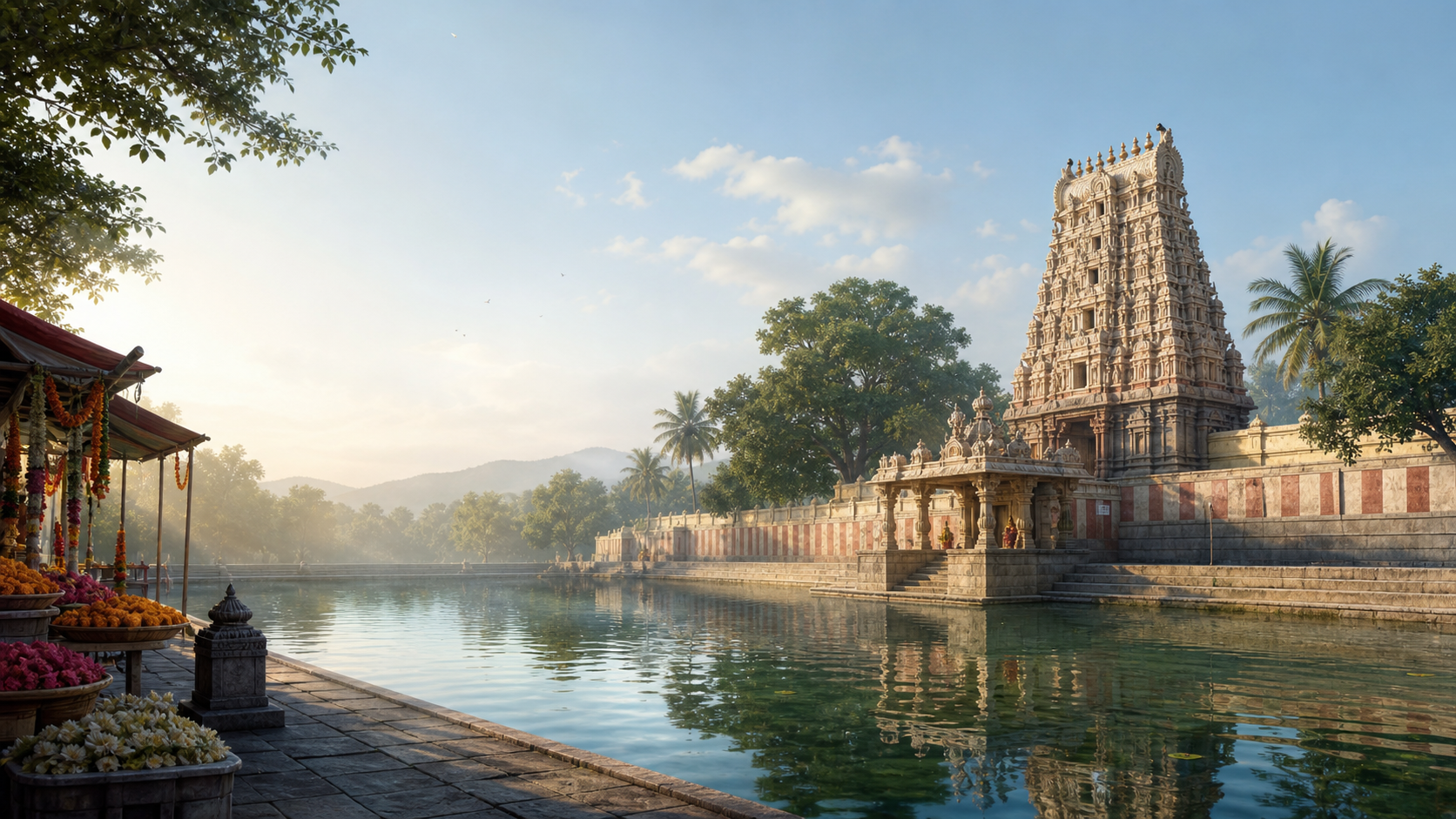
Today, the Vishnupad Temple remains a vibrant and essential pilgrimage destination, drawing countless Hindus from across India and the globe who seek to perform ancestral rites. Thousands of devotees flock to Gaya annually, with a significant surge during the auspicious Pitru Paksha period, to conduct the sacred Pind Daan ceremony. This profound ritual, performed on the banks of the Falgu River and within the temple premises, is believed to grant salvation and peace to departed souls. Pilgrims engage local priests, known as 'pandas,' who meticulously guide them through the intricate steps of the offerings, chanting ancient mantras and facilitating the symbolic feeding of ancestors. The atmosphere within and around the temple is one of profound devotion and solemnity, with families uniting to honor their lineage, making the journey to Vishnupad a deeply personal and spiritually significant experience for many.
While the core rituals at Vishnupad Temple have remained largely unchanged for centuries, the modern pilgrimage experience has seen notable adaptations to meet contemporary demands. Infrastructure around the temple has developed significantly to accommodate the increasing influx of devotees, with improved access roads, guesthouses, and facilities for managing large crowds, especially during peak seasons. Efforts are continuously made by local authorities and temple committees to maintain cleanliness, order, and security, ensuring a smooth and reverent spiritual journey for visitors. The economic life of Gaya is intricately linked to this enduring pilgrimage, with countless local businesses, from florists and food vendors to souvenir shops and guide services, thriving on the steady stream of pilgrims, showcasing a harmonious blend of ancient tradition with modern logistical management.
Planning Your Pilgrimage to Vishnupad Temple
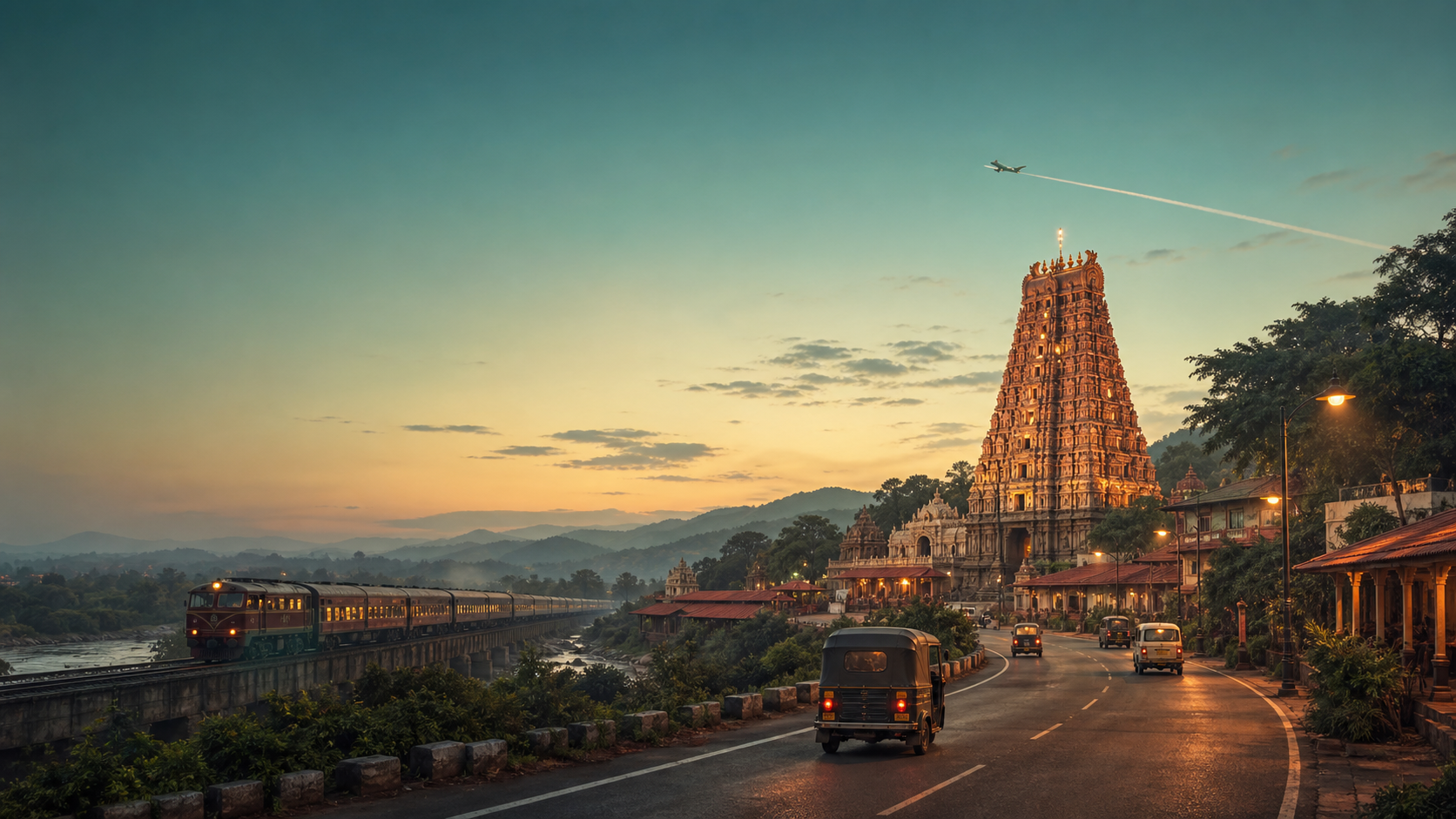
For pilgrims planning a visit to Vishnupad Temple, Gaya, essential information regarding travel and temple etiquette is crucial. The temple is well-connected, with Gaya Junction Railway Station approximately 2 km away and Gaya Airport (GAY) about 5 km. The best time to visit is from October to March, though Pitru Paksha (September–October) sees the highest number of devotees for ancestral rituals. Visitors should expect to spend 2–3 hours for darshan and basic rituals, or a full day if performing Pind Daan. Modest dress is required, and footwear must be removed before entering.
Getting There
The temple is accessible via Gaya Junction Railway Station (2 km) and Gaya Airport (GAY, 5 km). It is also well-connected by national and state highways.
Best Time to Visit
The most favorable period for a pilgrimage is from October to March. Pitru Paksha (September–October) is the peak season for ancestral rites, attracting numerous devotees.
Visitor Guidelines
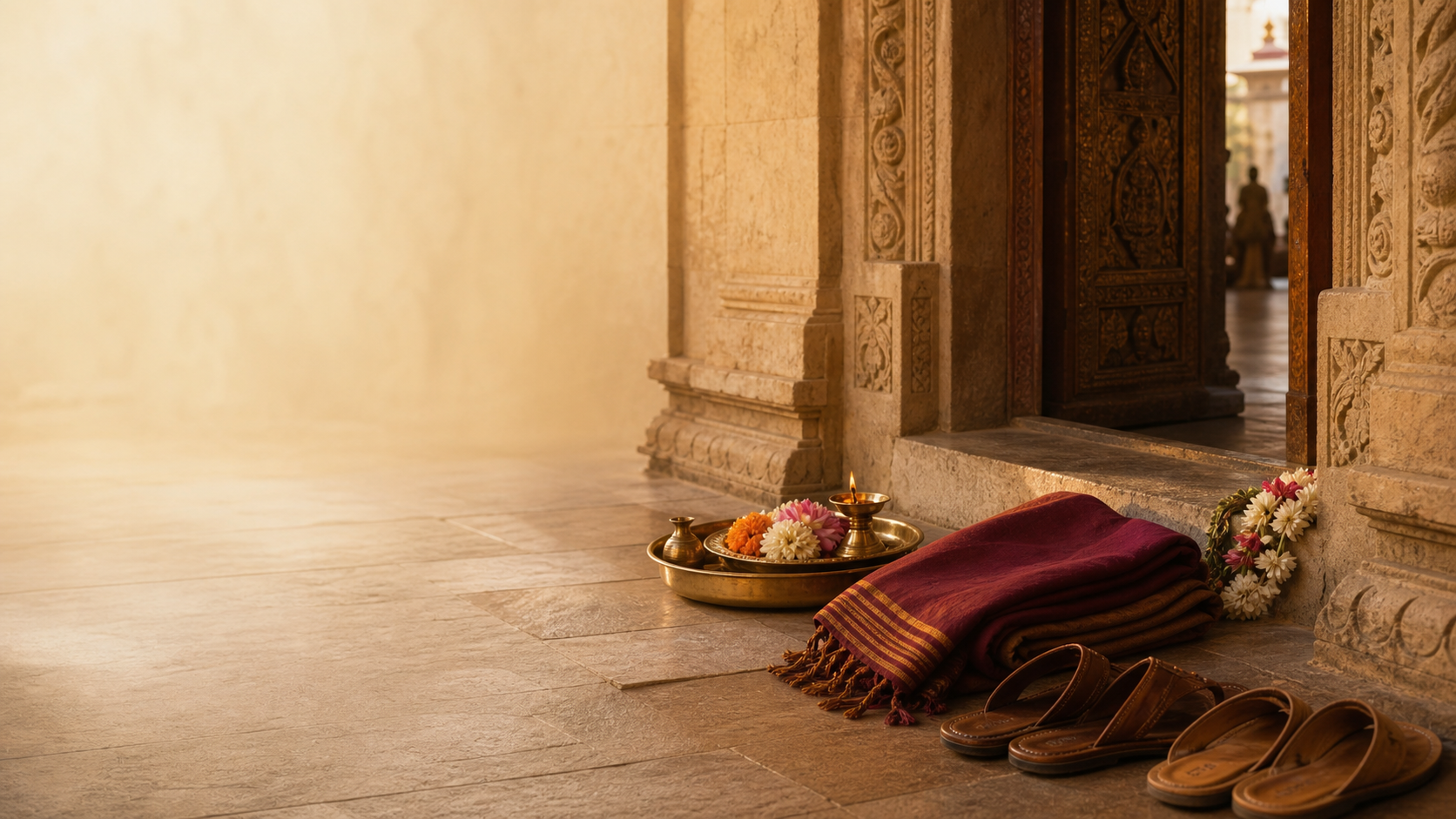
A modest dress code is mandatory, and all visitors are required to remove their footwear before entering the temple premises. The estimated duration for a visit is 2–3 hours, or a full day for Pind Daan.
| Deity | Lord Vishnu |
|---|---|
| Form | The main deity is Lord Vishnu, worshipped in the unique form of his footprint, known as Vishnupad. |
| Consort | Unknown |
| Sampradaya | Vaishnava |
| Significance | The footprint is the central object of worship, signifying Vishnu's divine intervention to subdue the demon Gayasura and grant him liberation. It is a rare representation of a primary deity in temple architecture. |
The Subduing of Gayasura
Long ago, the demon Gayasura gained a boon: anyone who saw him achieved liberation, disrupting cosmic order. The gods sought Lord Vishnu's help. Vishnu asked Gayasura to offer his vast body for a yagna. As Gayasura lay down, his form stirred. To stabilize him, Vishnu placed his divine foot on Gayasura's head, pressing his footprint into the rock. Subdued, Gayasura requested that the spot become Gaya, a sacred site for ancestral salvation. Vishnu granted this, and Gayasura attained moksha, his body forming Gaya's hills. This legend marks Gaya as a place of divine intervention and liberation, centered around Vishnu's sacred footprint.
A single step of Vishnu, imprinted in stone, offers liberation to ancestors and peace to the living. This sacred footprint marks the path to moksha.
Maharani Ahilyabai Holkar's devotion gifted us this sacred shrine, where the divine footprint of Vishnu subdues the earthly and elevates the soul.
Related temples: Bagahi Dham | Buddha Samyak Darshan Museum and Memorial Stupa
Vishnupad Temple: A Sacred Footprint in Gaya
Vishnupad Temple in Gaya, Bihar, is a significant Vaishnava pilgrimage site. It is uniquely dedicated to the footprint of Lord Vishnu, believed to be imprinted on a rock. Built in 1787 CE by Maharani Ahilyabai Holkar of Indore, the temple represents a fusion of spiritual devotion and architectural prowess. It is recognized as a State Protected Monument by Bihar and is part of the Union Government's temple corridor development initiative, underscoring its national importance. Pilgrims visit throughout the year, with October to March being the best time, and Pitru Paksha being the peak period for ancestral rites.
Location and Significance
Situated in Gaya, Bihar, the Vishnupad Temple is a central hub for Hindu pilgrims, particularly those performing rituals for their ancestors. Its dedication to Vishnu's footprint makes it a unique and highly revered destination.
Heritage Status
The temple holds the status of a State Protected Monument in Bihar. It is also included in the Union Government's temple corridor development initiative, highlighting its cultural and religious value.
Pilgrimage Season
The ideal time to visit is from October to March. The temple experiences its highest influx of devotees during Pitru Paksha (September–October), when ancestral rites are performed.
🗺 How to Reach
Hover a card to animate the journey on the map
Route to Temple
Common Questions
Where is Vishnupad Temple, Gaya: Where Vishnu's Footprint is Revered located?
Vishnupad Temple, Gaya: Where Vishnu's Footprint is Revered is documented at Gaya (Bihar).
Which deity is associated with Vishnupad Temple, Gaya: Where Vishnu's Footprint is Revered?
Vishnupad Temple, Gaya: Where Vishnu's Footprint is Revered is associated with Vishnu.
Related Temples

A Living Covenant