



A complete pilgrim record drawn from the existing published article data.
Centuries of Faith: Shwedagon's Enduring History
Tracing its origins back millennia according to legend, the Shwedagon Pagoda has been continuously expanded and embellished by various Burmese monarchs, reflecting a rich tapestry of devotion and resilience. The earliest verifiable construction dates to 1362–63 CE under King Binnya U. Subsequent rulers, including Queen Shin Saw Pu and King Hsinbyushin, undertook significant expansions and renovations, raising the pagoda to its approximate current height and repairing damage from natural disasters.
Legendary Origins
Legend states the pagoda was founded circa 500 BCE by King Okkalapa, enshrining hair relics of Gautama Buddha and relics of three preceding Buddhas.
Royal Patronage and Expansion
From King Binnya U in the 14th century to Queen Shin Saw Pu in the 15th, and later King Hsinbyushin and King Mindon, numerous monarchs contributed to its growth and adornment.
Resilience Through Time
The pagoda has endured earthquakes and other challenges, with rulers like King Hsinbyushin and King Mindon undertaking major repairs and raising its height over centuries.
Gilded Grandeur: The Architecture of Shwedagon
Dominating the Yangon skyline, the Shwedagon Pagoda's breathtaking architecture is characterized by its towering golden stupa, intricate hti, and a complex of surrounding shrines, all adorned with precious metals and jewels. Constructed primarily of brick, its surface is covered with thousands of gold plates. The pinnacle, or hti, is laden with diamonds, rubies, and other gems, culminating in a single diamond at its very top. This exemplifies Burmese Buddhist stupa architecture.
The Golden Stupa
The main stupa, standing at an impressive height, is entirely covered with thousands of gold plates, creating its iconic shimmering appearance.
The Hti and Jewels
The pagoda's hti (umbrella crown) is adorned with diamonds, rubies, and other precious stones, with a large diamond gracing its uppermost point.
Architectural Style
Shwedagon is a prime example of Burmese Buddhist stupa architecture, featuring a bell-shaped dome, a tiered base, and a tapering spire.
Modern Pilgrimage and Community Engagement
The Shwedagon Pagoda in Bihar has emerged as a significant destination for modern Buddhist pilgrims, drawing devotees not only from various parts of India but also increasingly from Southeast Asian nations, particularly Myanmar. For local Indian Buddhists, it represents a tangible link to the rich heritage of Buddhism that once flourished extensively in the region, offering a serene space for meditation, prayer, and spiritual reflection. Its unique identity, bearing the revered name of its Burmese counterpart, attracts those seeking a connection to global Buddhist traditions without necessarily undertaking the journey to Myanmar. Pilgrims often visit to participate in daily rituals, observe special festivals, and engage in communal activities that reinforce their faith and foster a sense of shared cultural identity within the broader Buddhist diaspora. Beyond individual spiritual journeys, the Shwedagon Pagoda in Bihar plays a crucial role in fostering community engagement and cultural exchange. It regularly hosts significant Buddhist festivals, such as Vesak (Buddha Purnima) and Kathina, which draw large congregations and feature elaborate ceremonies, chanting, and alms-giving. These events not only provide spiritual nourishment but also serve as platforms for cultural preservation, showcasing traditional Burmese and Indian Buddhist art forms, music, and culinary traditions. The pagoda also actively engages with the local populace, often organizing educational workshops on Buddhist philosophy, meditation techniques, and even interfaith dialogues, thereby promoting understanding and harmony within the diverse social fabric of Bihar. Its presence contributes significantly to the revitalization of Buddhist heritage in a region historically central to the religion's origins.Experiencing Shwedagon: A Visitor's Guide
To fully appreciate the spiritual ambiance and architectural marvel of Shwedagon Pagoda, visitors should be aware of practical considerations such as dress code, best times to visit, and cultural etiquette. The optimal time to visit is typically from November to February, avoiding the hottest months. Visitors should allocate 3–5 hours to explore the complex. Modest dress is required, covering shoulders and knees, and shoes and socks must be removed before entering the platform as a sign of respect.
Etiquette and Dress
Visitors must adhere to a modest dress code, ensuring shoulders and knees are covered. It is mandatory to remove shoes and socks before stepping onto the pagoda platform.
Optimal Visiting Times
The best time to visit Shwedagon Pagoda is generally between November and February. A visit typically spans 3–5 hours to fully experience the site.
Annual Celebrations
The Shwedagon Pagoda Festival, held from the new moon to the full moon of Tabaung (around March), is Myanmar's largest pagoda festival, offering a vibrant cultural experience.
| Deity | Gautama Buddha |
|---|---|
| Form | The main deity, Gautama Buddha, is venerated through sacred relics rather than an anthropomorphic idol. Specifically, the pagoda enshrines eight strands of his hair. |
| Consort | Unknown |
| Sampradaya | Theravada Buddhism |
| Significance | The pagoda is unique for enshrining relics of all four Buddhas of the present kalpa, including Gautama Buddha's hair strands, making it a central and globally significant relic assemblage and pilgrimage site for Theravada Buddhists. |
The Sacred Hair Relics and the Genesis of Shwedagon
At Bodh Gaya, two devout merchants, Tapussa and Bhallika, were blessed to encounter the newly enlightened Buddha. They became his very first lay disciples and were bestowed with a most precious gift: eight strands of the Buddha's sacred hair. Carrying these revered relics, they journeyed to Dagon, presenting them to the righteous King Okkalapa. Following divine guidance, the king meticulously enshrined these eight hairs of Gautama Buddha, alongside relics of the three preceding Buddhas of this kalpa, upon the sacred Singuttara Hill. This profound act marked the hallowed founding of the Shwedagon Pagoda, a beacon of Buddhist faith, as recounted in the ancient Buddhavaṃsa epic.
The Shwedagon Pagoda stands as a beacon of faith, enshrining the sacred hair of Gautama Buddha, a timeless testament to enlightenment.
A globally significant pilgrimage site, Shwedagon holds relics of all four Buddhas of this kalpa, connecting generations to ancient wisdom.
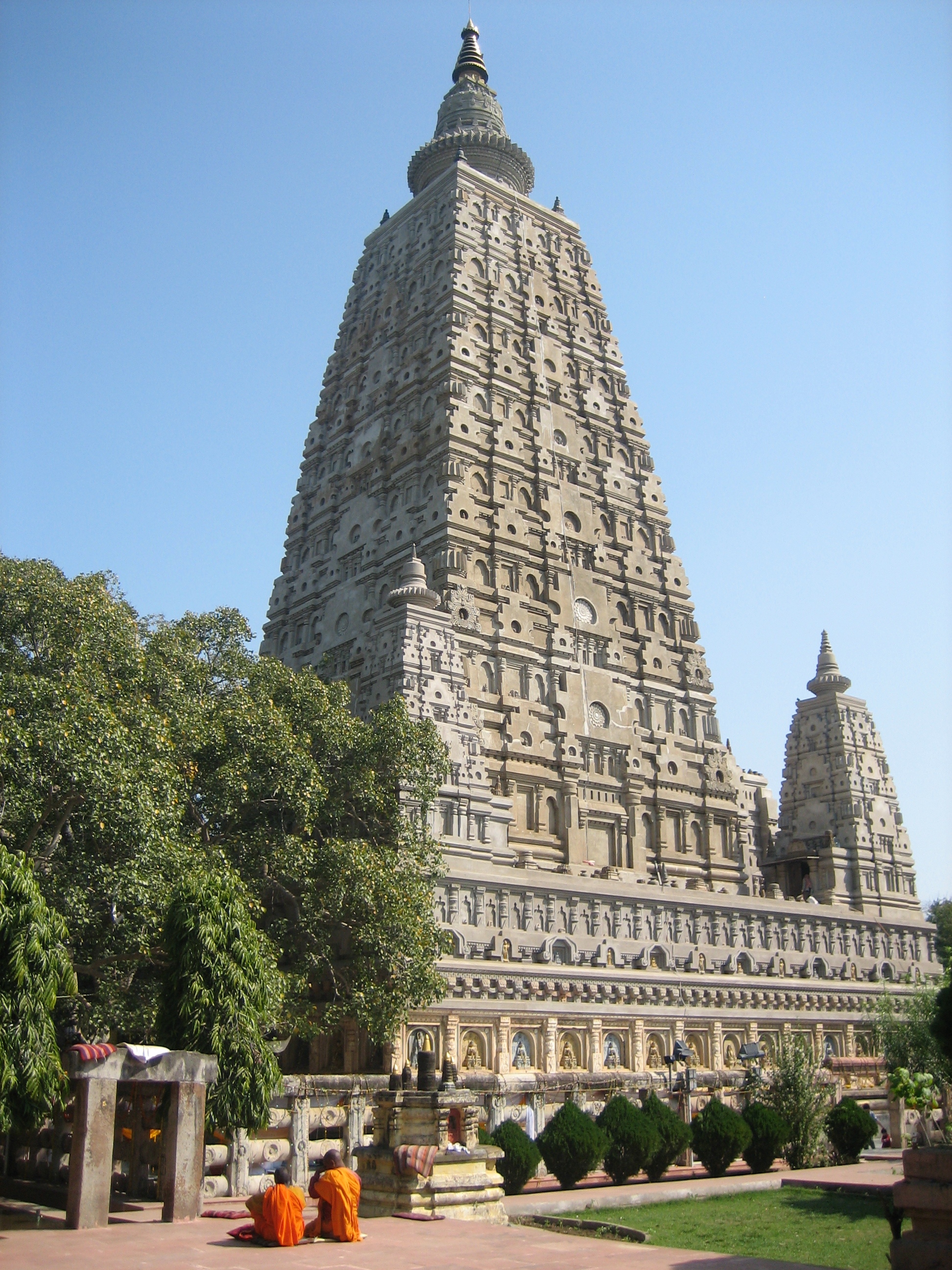
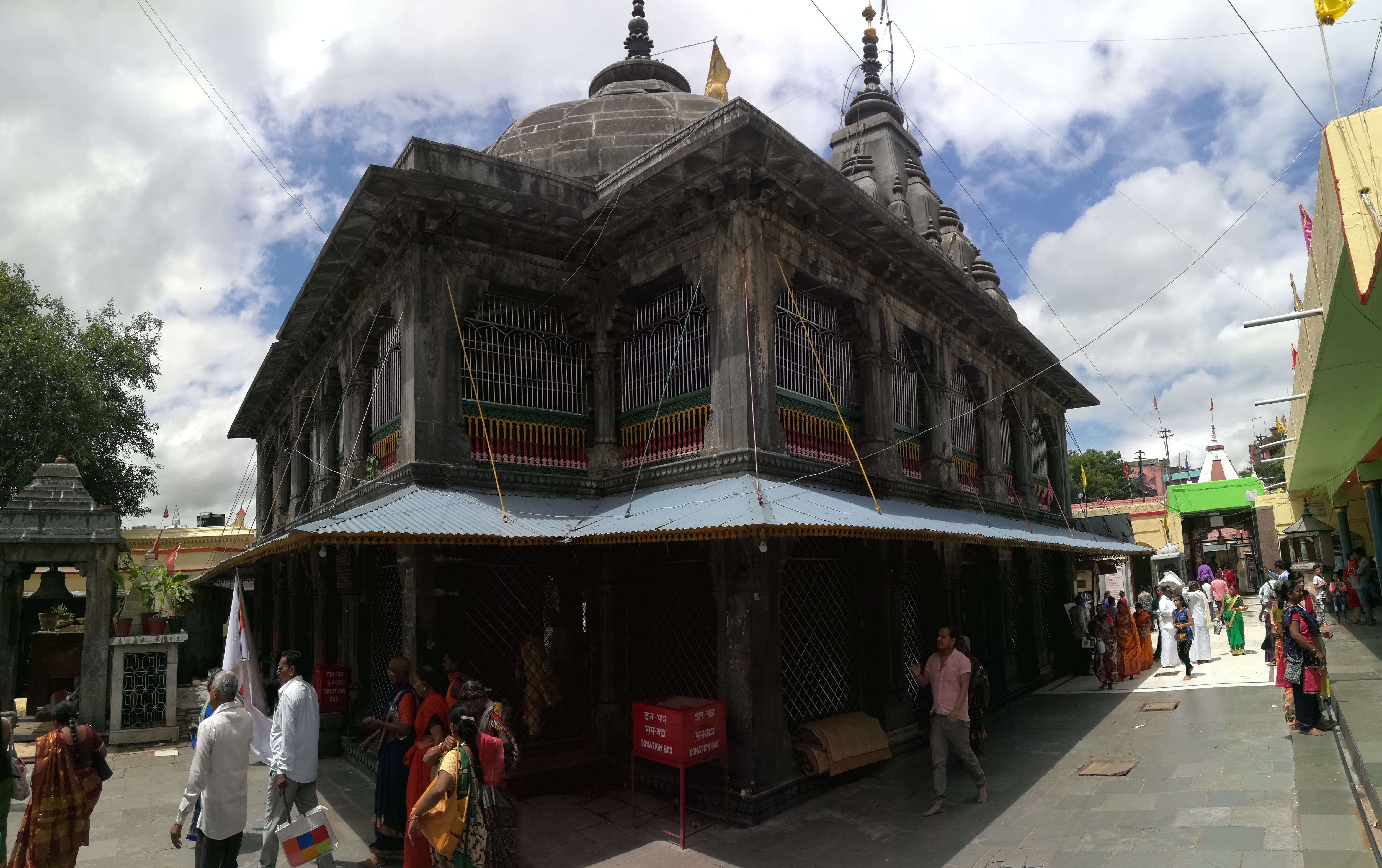
Related temples: Bagahi Dham | Buddha Samyak Darshan Museum and Memorial Stupa
The Golden Majesty of Shwedagon Pagoda
The Shwedagon Pagoda, located in Yangon, Myanmar, stands as the most revered Buddhist stupa in the country. This iconic symbol of spiritual devotion and architectural grandeur is central to Theravada Buddhism. As a significant relic shrine and Jataka pilgrimage site, it draws countless devotees to its glittering golden spires. Its majestic presence dominates the city skyline, reflecting centuries of faith and tradition, making it an unparalleled spiritual landmark for the Buddhist world.
A National Icon
Recognized for its profound spiritual and cultural significance, the Shwedagon Pagoda is a national emblem of Myanmar, embodying the nation's deep-rooted Buddhist heritage and resilience.
Spiritual Significance
As a central site for Theravada Buddhism, the pagoda enshrines sacred relics, serving as a focal point for worship, meditation, and pilgrimage for devotees worldwide.
Architectural Grandeur
Its towering golden stupa, adorned with precious materials, showcases the distinctive Burmese Buddhist stupa architecture, a testament to ancient craftsmanship and royal patronage.
The Heart of Shwedagon: Relics of Enlightenment
At the core of Shwedagon's profound sanctity are the sacred hair relics of Gautama Buddha, alongside relics of the three preceding Buddhas of this kalpa, making it an unparalleled repository of Buddhist spiritual heritage. According to legend, these precious relics were enshrined by King Okkalapa upon Singuttara Hill. The presence of these revered relics elevates the pagoda to one of the most sacred sites in the Buddhist world, drawing pilgrims seeking spiritual merit and connection.
The Sacred Hair Relics
The pagoda enshrines eight strands of hair from Gautama Buddha, bestowed upon the merchants Tapussa and Bhallika, his first lay disciples.
Relics of Preceding Buddhas
In addition to Gautama Buddha's hair, the pagoda also houses relics of the three preceding Buddhas of this kalpa, enhancing its spiritual significance.
A Site of Pilgrimage
The enshrinement of these revered relics by King Okkalapa established Shwedagon as a primary pilgrimage destination for Buddhists worldwide, seeking blessings and spiritual insight.
🗺 How to Reach
Hover a card to animate the journey on the map
Route to Bodh Gaya
Common Questions
Where is Shwedagon Pagoda: Buddha's Relics in Bodh Gaya located?
Shwedagon Pagoda: Buddha's Relics in Bodh Gaya is documented at Bodh Gaya, Bihar.
Which deity is associated with Shwedagon Pagoda: Buddha's Relics in Bodh Gaya?
Shwedagon Pagoda: Buddha's Relics in Bodh Gaya is associated with These Hair Relics.
Related Temples

A Living Covenant