



A complete pilgrim record drawn from the existing published article data.
Key Takeaway: The Uniqueness of Vishnupad
The Vishnupad Temple is globally unique as the sole major Hindu temple where Lord Vishnu is worshipped not as an idol or image, but through his sacred footprint – the 'Vishnupada' – impressed upon the Dharmasila basalt rock. This distinctive feature elevates its spiritual significance, especially for devotees performing ancestral rites (Shraddha) seeking liberation for their forefathers.
Historical Foundation
Reconstruction by Devi Ahilya Bai Holkar
"Devi Ahilya Bai Holkar's reconstruction of Vishnupad Temple in 1787 stands as a monumental testament to her profound devotion and architectural vision, solidifying the temple's status as a spiritual beacon."
Timeless Pilgrimage & Ancient Links
Timeline of Vishnupad Temple

An artistic depiction of the grand Vishnupad Temple complex, showcasing its unique Nagara architecture.
Architecture & Craftsmanship
Structural Grandeur and Materials
Height: 30 meters (100 feet)
Primary Sanctum: Octagonal, facing East
Construction Material: Granite, Basalt, Iron Clamps
Exquisite Carvings and Design Elements
"The precision in assembling pre-carved stone components, transported from Patharkatti, highlights the advanced craftsmanship employed in the 1787 reconstruction of Vishnupad Temple."

Detail of the intricately carved pillars supporting the mandapa, showcasing Maratha artistry.
The Presiding Deity
The Sacred Vishnupada: Vishnu's Footprint
Deity Profile: Lord Vishnu (Vishnupada)
- Main Deity: Vishnu
- Form of Worship: Vishnupada (Sacred Footprint)
- Location of Footprint: Dharmasila (Basalt rock)
- Footprint Dimensions: 40 cm long
- Symbols on Footprint: Shankam, Chakram, Gadham, and six others (total nine)
- Associated Tradition: Vaishnava Sampradaya
The Vishnupada is revered as a potent symbol of Vishnu's cosmic power and his act of subduing the demon Gayasura, ensuring the continuity of creation and dharma.
Secondary Deities and Sacred Elements
Beyond the Vishnupada, two other significant entities are venerated within the temple complex and hold immense spiritual value for pilgrims performing Shraddha rites:
- Akshayavat: Located within the temple premises, the Akshayavat is an immortal banyan tree believed to grant wishes and ensure the eternal well-being of ancestors. It is a central point for performing final rituals for the departed.
- Gayasura: Although a demon in the origin legend, Gayasura is revered as a subterranean deity. He receives the daily offerings of pind daan (ancestral offerings), with the belief that these offerings sustain him and, in return, ensure the salvation of the devotees' ancestors. The concept of Gayasura receiving daily offerings to prevent his re-emergence is a unique folk belief tied to the temple.
Definition: Shraddha and Pind Daan
Shraddha: A Hindu ritual performed to pay homage to one's ancestors, offering prayers and food to ensure their peace and salvation in the afterlife.
Pind Daan: A specific part of the Shraddha ceremony where 'pindas' (rice balls mixed with sesame seeds, ghee, and honey) are offered to the ancestors, symbolizing nourishment for their souls. Gaya, particularly Vishnupad Temple, is considered the most sacred site for these rites.
Festivals & Living Traditions
Pivotal Festivals for Ancestral Worship
The temple experiences its highest influx of devotees during specific periods, which are considered most auspicious for performing Shraddha rites:
- Pitru Paksha: This 16-day period in the Hindu month of Ashwin (September-October) is exclusively dedicated to ancestor worship. During Pitru Paksha, millions flock to Gaya to perform pind daan at Vishnupad, believing it ensures salvation for up to seven generations of their ancestors. It is the peak ritual activity period at the temple, characterized by continuous ceremonies and a profound spiritual atmosphere.
- Amavasya: Every lunar new moon day (Amavasya) is considered highly auspicious for Shraddha rites. Devotees visit throughout the year on these days, but the Sarva Pitru Amavasya, which falls at the end of Pitru Paksha, is particularly significant, drawing the highest footfall for ancestral offerings.
Daily Rituals and the Gayawal Pandas

Devotees participate in Shraddha rites near the Phalgu River, a sacred tradition sustained by the Vishnupad Temple.
Plan Your Visit
Location and Accessibility
The Vishnupad Temple is situated in the city of Gaya, Bihar.
- Nearest City: Gaya
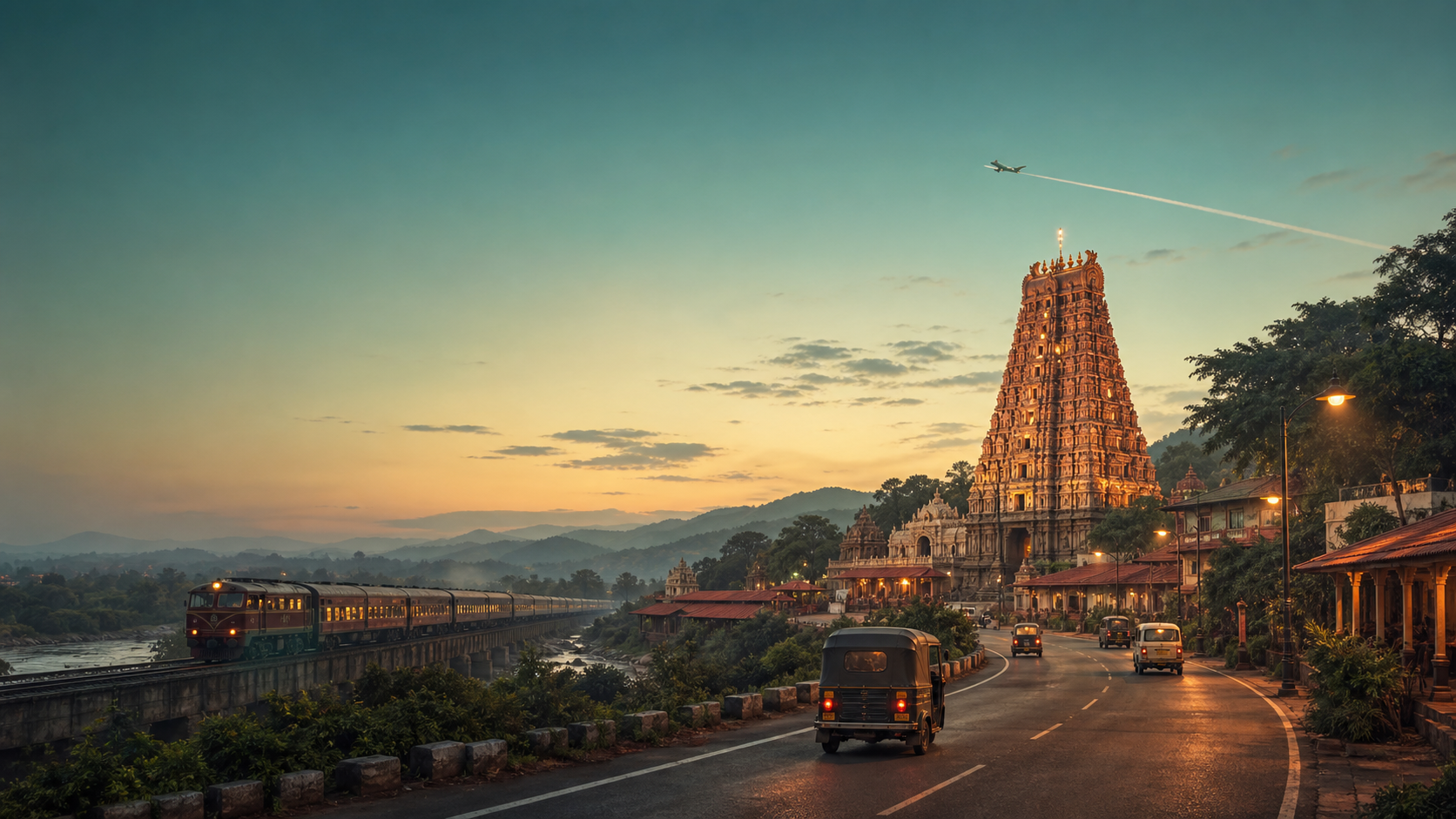
- Nearest Airport: Gaya Airport (IXG), approx. 5 km away.
- Nearest Railway: Gaya Junction (GAYA), approx. 2 km away.
- Road: Well-connected by road to major cities in Bihar and neighboring states.
Best Time to Visit & Duration
Pro-Tip for Pilgrims
To avoid crowds and ensure a more serene experience, consider visiting during weekdays or outside the peak Pitru Paksha period. If performing elaborate Shraddha, it's advisable to connect with a Gayawal Panda in advance.
Visitor Guidelines and Nearby Attractions
- Dress Code: Modest dress is required, respecting the sanctity of the temple.
- Footwear: Must be removed before entering the temple premises.
- Photography: Restricted inside the main sanctum.
- Ritual Participation: Non-Brahmin devotees may view the rituals but cannot perform pind daan without the guidance and assistance of a Gayawal Panda.
While in Gaya, consider exploring these significant nearby sites:
- Mangla Gauri Temple: One of the 51 Shakti Peethas.
- Surya Temple (Dakshinark): Dedicated to the Sun God.
- Brahmayoni Hill: Offers panoramic views of Gaya city and Vishnupad, accessible via 1000 stone steps.
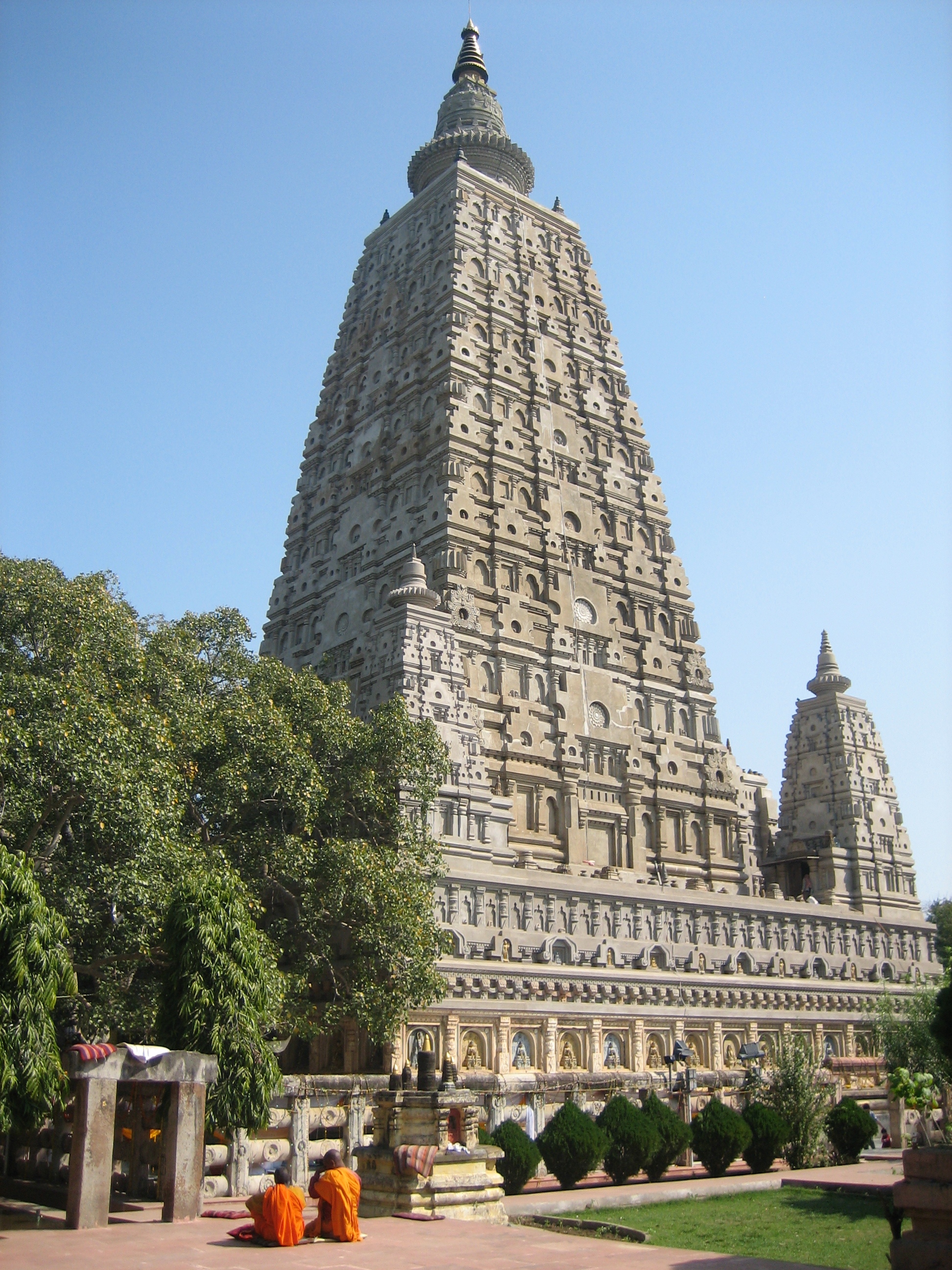
- Bodh Gaya (approx. 20 km): The revered Mahabodhi Temple and the Bodhi Tree, where Buddha attained enlightenment.
Explore the spiritual tranquility of Mahabodhi Temple in Bodh Gaya for a complete pilgrimage experience.
Related temples: Abeyadana Temple | Adi Kesava Perumal temple
Sacred Stories & Mythology
The Legend of Gayasura
Vishnu Subdues Gayasura
Once, a mighty demon named Gayasura performed intense penance, earning a boon that anyone who saw him would instantly attain moksha (liberation). This boon, while benevolent, disrupted the cosmic order, as even the unworthy began to achieve salvation effortlessly, bypassing the natural cycle of karma and righteousness.
To restore balance, Lord Vishnu intervened. He approached Gayasura and, in an act of divine subjugation, placed his right foot upon the demon's chest, pinning him beneath the earth. This powerful act prevented Gayasura from continuing his disruptive boon. The sheer force of Vishnu's foot left a permanent imprint on the rock (Dharmasila) where it pressed.
Gayasura, though subdued, was granted another boon: that daily offerings (pind daan) made by devotees at this spot would sustain him and, in turn, ensure the salvation of their departed ancestors. This legend forms the very foundation of Gaya's fame as the preeminent site for ancestral rites.
The legend of Gayasura directly connects the Vishnupad Temple to the core purpose of ancestral offerings, making it an indispensable site for Hindu pilgrimage.
Ramayana and Puranic Connections
Beyond the Gayasura legend, the Vishnupad Temple area holds other significant mythological associations:
- Ramayana Link: Tradition holds that Lord Rama and Sita visited Gaya during their exile and performed Shraddha rites for their father, King Dasharatha, on the banks of the Phalgu River. This narrative deeply reinforces the site's ancient sanctity for ancestral worship.
- Puranic Accounts: The existence and significance of the Vishnupada and the Gayasura legend are extensively detailed in various Puranas, including the Padma Purana and Vishnu Purana, solidifying its place in Hindu theological literature.

A reverent depiction of the sacred Vishnupada footprint on the Dharmasila, surrounded by its silver plating.
Saints, Poets & Devotees
Trailblazers of Devotion
- Madhvacharya (13th Century): A principal philosopher of the Dvaita school of Vedanta, Madhvacharya’s visit underscored the temple’s significance for Vaishnavites across diverse traditions.
- Chaitanya Mahaprabhu (15th-16th Century): The revered saint and founder of the Gaudiya Vaishnavism tradition, Chaitanya Mahaprabhu’s visit to Gaya is a significant event in his spiritual journey, believed to be where he received initiation from his guru, Iswara Puri. His pilgrimage to Vishnupad highlighted the temple’s importance for followers of Bhakti yoga.
- Vallabhacharya (15th-16th Century): The founder of the Pushtimarg sect of Vaishnavism, Vallabhacharya's visit further illustrates the temple's broad appeal across different Vaishnava Sampradayas.
Legacy of Devotion
Learn more about the broader Vaishnava Tradition and its diverse schools of thought.
Records, Marvels & Heritage
The Vishnupad Temple holds several distinctions, from its unique architectural focus to its profound cultural and historical significance, recognized both locally and nationally.
Unique Distinctions and Engineering Marvels
- Sole Vishnu Footprint Temple: As previously highlighted, Vishnupad Temple is the only major temple in India dedicated solely to the footprint of Lord Vishnu as its primary object of worship, making it a truly one-of-a-kind pilgrimage destination.
- Center of Shraddha Rites: It is unequivocally recognized as the foremost center for Shraddha rites in India, attracting pilgrims from across the globe who seek to perform ancestral offerings for salvation.
- Engineering Acumen: The 1787 reconstruction showcased remarkable engineering for its time, employing iron-clamped granite masonry for structural stability. The precise assembly of pre-carved stone components, transported from Patharkatti, is a testament to the architectural and logistical prowess of the era.
Heritage Status and Modern Significance
🗺 How to Reach
Hover a card to animate the journey on the map
Route to Gaya
Common Questions
Where is Vishnupad Temple, Gaya: Vishnu's Sacred Footprint located?
Vishnupad Temple, Gaya: Vishnu's Sacred Footprint is documented at Gaya, Bihar.
Which deity is associated with Vishnupad Temple, Gaya: Vishnu's Sacred Footprint?
Vishnupad Temple, Gaya: Vishnu's Sacred Footprint is associated with Vishnu.
Related Temples

A Living Covenant