




A complete pilgrim record drawn from the existing published article data.
Architectural Simplicity and Spiritual Grandeur
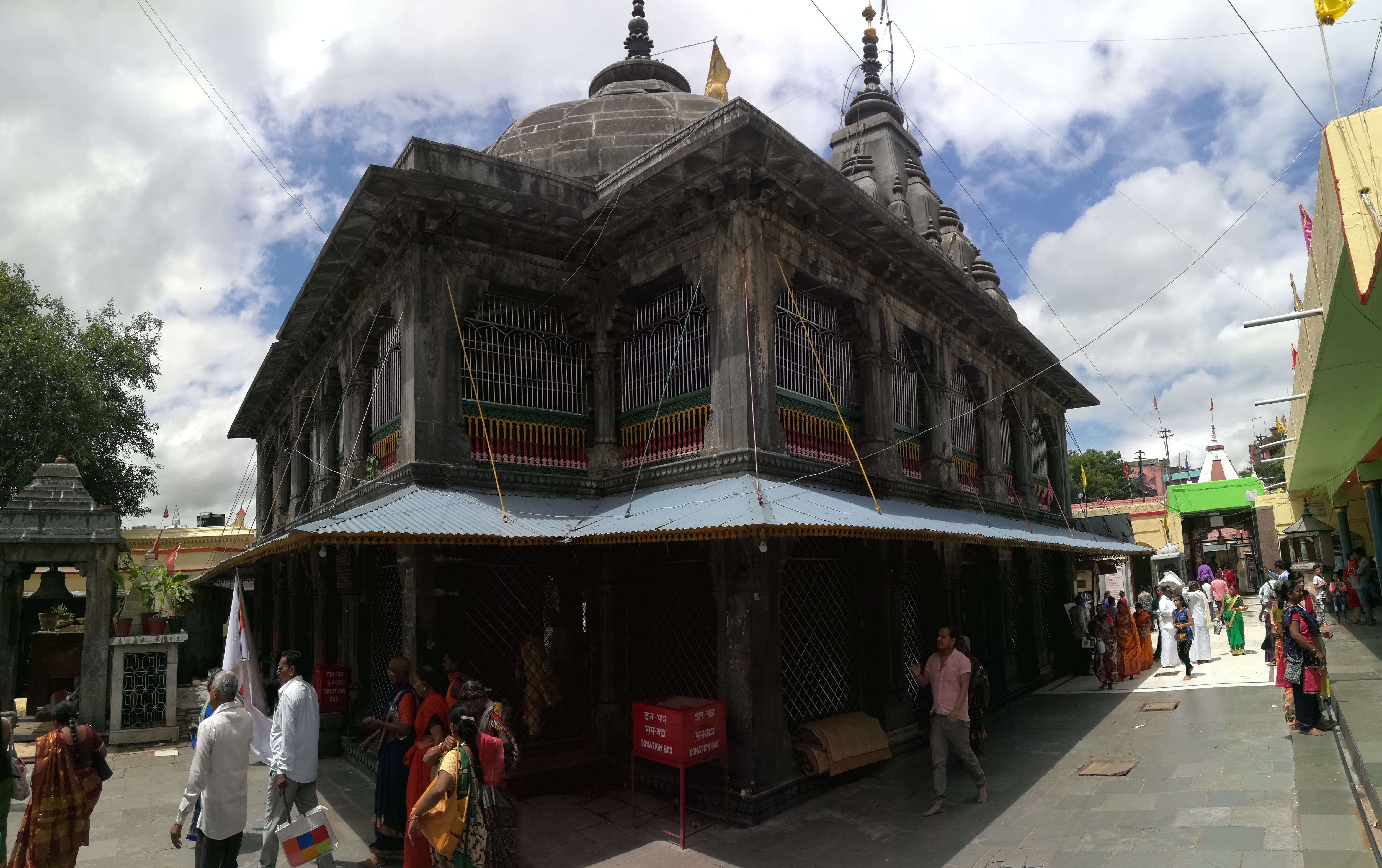
The Ugna Mahadev Mandir exhibits a Regional Bihar Hindu temple architecture style, predominantly utilizing stone, brick, and concrete as its construction materials. Built in 1932, its design emphasizes functionality and devotion over elaborate ornamentation, reflecting the humble nature of its enshrined deity, Ugna. The architecture provides a serene and conducive environment for worship, focusing attention on the self-manifested Linga within the sanctum. Its structural elements are robust, designed to endure, mirroring the eternal presence of Lord Shiva.
Construction Materials
The temple is primarily constructed from stone, brick, and concrete, materials common in regional Bihar temple architecture, ensuring durability and a traditional aesthetic.
Design Philosophy
The architectural design prioritizes spiritual focus, offering a simple yet grand setting for devotees to connect with the unique manifestation of Shiva as Ugna.
The Legend of Ugna and Vidyapati
The Ugna Mahadev Mandir's origins are rooted in the 14th-century legend of Maithili poet Vidyapati and Lord Shiva. Vidyapati's intense devotion moved Shiva to incarnate as Ugna, a humble servant, to serve him directly. During a scorching journey, Ugna miraculously provided Ganga water from his matted locks to a parched Vidyapati, revealing his divine identity. After an incident where Ugna was struck, Shiva vanished but granted Vidyapati the boon of worshipping him eternally as a self-manifested Linga at that very site. This divine encounter forms the spiritual bedrock of the temple.
Vidyapati's Devotion
The poet Vidyapati's unwavering devotion is the catalyst for Lord Shiva's miraculous descent and service as Ugna, setting the stage for the temple's foundation.
Divine Revelation
The moment Ugna provided Ganga water from his locks to Vidyapati marked the revelation of Shiva's true identity, a pivotal event in the temple's lore.
Experiencing Devotion: A Visitor's Guide
For pilgrims and tourists, the Ugna Mahadev Mandir offers a profound spiritual experience. The temple is accessible via Pandaul Railway Station, approximately 3 km away, and Darbhanga Airport, about 50 km distant. While specific timings and entry details require contacting the temple office, the best time to visit is from October to March, offering cool weather. Peak devotional periods include Maha Shivaratri in Phalguna (February–March) and Jeth Mela in Jeth (May–June), commemorating the thirst-quenching miracle. Visitors are advised to wear modest clothing and remove footwear before entering the sanctum, respecting local customs.
Travel and Accessibility
The temple is conveniently located near Pandaul Railway Station and Darbhanga Airport, with bus routes available from Madhubani. Specific transport details should be confirmed with the temple office.
Best Time to Visit
The period from October to March is ideal for comfortable weather. Major festivals like Maha Shivaratri and Jeth Mela offer unique cultural and spiritual experiences, though they attract larger crowds.
| Deity | Shiva |
|---|---|
| Form | Shiva is worshipped here as Ugna Mahadev, a self-manifested Linga (svayambhu). This form represents Shiva in the guise of a humble, devoted servant. |
| Consort | Unknown |
| Sampradaya | Shaiva |
| Significance | The temple commemorates Shiva's unique incarnation as Ugna to serve his devotee Vidyapati, highlighting the profound reciprocal nature of bhakti. It is a rare narrative-based iconography tied to Vidyapati’s devotional poetry and the Maithili bhakti tradition. |
The Divine Servant, Ugna
The revered Maithili poet, Vidyapati, was known for his profound devotion to Lord Shiva. So deep was his bhaki that Shiva himself, moved by such unwavering love, chose to descend to Earth, taking the form of a humble, seemingly simple servant named Ugna. Ugna served Vidyapati diligently, accompanying him on his travels. One scorching day in the month of Jeth, as they journeyed under the relentless sun, Vidyapati was parched with thirst. To his astonishment, Ugna miraculously produced cool, refreshing Ganga water from his matted locks. The divine taste instantly revealed Ugna's true identity to Vidyapati – his humble servant was none other than Lord Shiva!
In the heart of a true devotee, even the divine takes the form of a humble servant.
The purest devotion can move mountains, and even Lord Shiva himself, to walk among us.
Related temples: Aakkoor Thanthondreeswarar Temple | Aazhimala Shiva Temple
Ugna Mahadev Mandir: A Unique Abode of Shiva
The Ugna Mahadev Mandir in Bihar stands as a testament to profound devotion, dedicated to Lord Shiva in his unique 'Ugna' form. This temple is deeply embedded in the Maithili bhakti tradition, specifically through its association with the revered poet-saint Vidyapati. Unlike other Shiva temples, Ugna Mahadev celebrates the deity's incarnation as a humble servant, a narrative central to its spiritual identity. Constructed in 1932, the mandir enshrines a self-manifested Linga, marking the sacred site where a divine revelation occurred centuries ago.
The Servant Form of Shiva
Ugna Mahadev is celebrated for Shiva's extraordinary manifestation as a servant, Ugna, to the poet Vidyapati, highlighting the deity's responsiveness to intense devotion.
Maithili Bhakti Tradition
The temple is a significant site within the Maithili bhakti tradition, preserving the legacy of Vidyapati and his unique spiritual journey with Lord Shiva.
Ugna Mahadev: The Servant Incarnate
Ugna Mahadev represents a unique and profoundly personal incarnation of Lord Shiva, revered for his role as a humble servant to the Maithili poet Vidyapati. The mythology recounts how Shiva, moved by Vidyapati's intense devotion, chose to serve him directly as Ugna. This divine service culminated in a miraculous event where Ugna, during a journey, provided Ganga water from his matted locks to quench Vidyapati's thirst, revealing his true identity. After a subsequent incident, Shiva vanished but left behind a self-manifested Linga, ensuring his eternal presence as Ugna Mahadev at the sacred site. This narrative underscores Shiva's boundless compassion and accessibility to his devotees.
Shiva's Humility
The incarnation of Shiva as Ugna highlights the deity's humility and willingness to serve his ardent devotees, a rare narrative in Hindu mythology.
The Self-Manifested Linga
The temple's central deity is a self-manifested Linga, believed to have appeared after Shiva's disappearance, signifying his eternal presence as Ugna Mahadev.
Restoration & Conservation Efforts
The ancient nature of Ugna Mahadev Mandir, like many historical sites in India, necessitates ongoing restoration and conservation efforts to preserve its structural integrity and artistic heritage. Over centuries, the temple has faced natural weathering, erosion, and the impact of human activity, leading to gradual deterioration of its stone carvings, sanctum, and surrounding structures. Various governmental bodies, including the Archaeological Survey of India (ASI) and the Bihar State Archaeology Department, have periodically undertaken projects to stabilize the temple's foundations, repair damaged walls, and conserve intricate sculptures. These initiatives often involve meticulous documentation, scientific analysis of materials, and the use of traditional building techniques to ensure authenticity and minimize further degradation, reflecting a commitment to safeguarding this important cultural landmark for future generations.
Despite these efforts, conservation of Ugna Mahadev Mandir presents unique challenges, primarily due to its active religious use and the humid climate of the region. Balancing the needs of daily worship and pilgrim access with the delicate process of preservation requires careful planning and execution. Local community groups and temple trusts also play a crucial role, often contributing resources and volunteer labor for routine maintenance and cleanliness drives. Future conservation plans aim to address issues such as water seepage, vegetation growth on ancient walls, and the development of sustainable visitor management strategies. These collaborative endeavors underscore a collective responsibility to protect the temple's architectural grandeur and spiritual significance, ensuring its continued existence as a beacon of faith and history in Bihar.
🗺 How to Reach
Hover a card to animate the journey on the map
Route to Temple
Common Questions
Where is Ugna Mahadev Mandir: Ancient Shiva Shrine in Bihar located?
Ugna Mahadev Mandir: Ancient Shiva Shrine in Bihar is documented at Bihar, India.
Which deity is associated with Ugna Mahadev Mandir: Ancient Shiva Shrine in Bihar?
Ugna Mahadev Mandir: Ancient Shiva Shrine in Bihar is associated with Shiva.
Related Temples

A Living Covenant