
A complete pilgrim record drawn from the existing published article data.
A Tapestry of Time: Tirupati's Enduring History
The history of Tirupati is a rich tapestry woven over centuries, with its foundations tracing back to earlier Pallava structures from the 6th century CE. Subsequent dynasties, including the Cholas and Pandyas, contributed significantly, but it was the Vijayanagara Empire (14th-17th century CE) that provided extensive patronage, leading to major renovations and expansions of the core temple complex. The temple's architectural style reflects this synthesis of Dravidian influences. Inscriptions found throughout the complex serve as invaluable historical records, detailing royal grants, structural additions, and the evolution of religious practices, offering a detailed chronicle of this sacred site's enduring legacy.
Ancient Foundations
Early temple structures at Tirupati have Pallava foundations dating back to the 6th century CE, marking the beginning of its long sacred history.
Imperial Patronage
The Chola, Pandya, and notably the Vijayanagara empires provided extensive patronage and undertook significant construction and renovation efforts from the 10th to 17th centuries CE.
Architectural Grandeur: A Fusion of Dynastic Styles
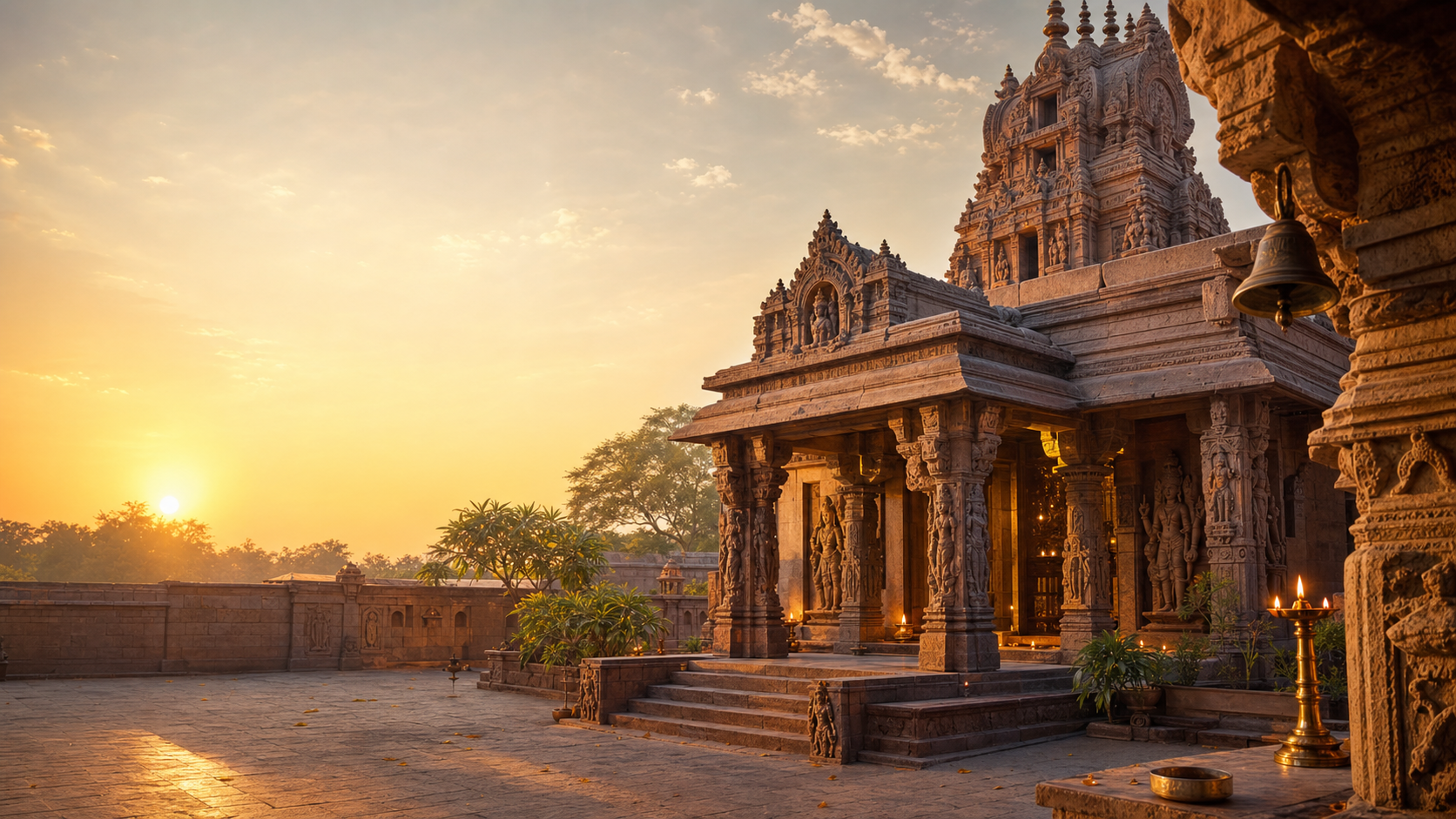
Tirupati Temple exemplifies a magnificent synthesis of Dravidian architectural styles, primarily influenced by the Pallava, Chola, Pandya, and Vijayanagara empires. The core temple complex, largely built from granite and sandstone, showcases intricate carvings, towering gopurams, and elaborate mandapams. Each dynasty left its indelible mark, adding layers of artistic and structural complexity. From the early foundations to the grand expansions, the temple's design evolved, reflecting the prevailing aesthetics and engineering prowess of its patrons, resulting in a unique architectural heritage that draws devotees and art enthusiasts alike to its sacred spaces.
Dravidian Synthesis
The temple's architecture is a distinctive Dravidian style, synthesizing elements from the Pallava, Chola, Pandya, and Vijayanagara periods into a cohesive and grand design.
Material and Craftsmanship
Constructed predominantly from granite and sandstone, the temple features intricate carvings, detailed sculptures, and monumental structures like gopurams and mandapams.
Lord Venkateswara: The Presiding Deity and Sacred Legends
Lord Venkateswara, the presiding deity of Tirupati, is a revered incarnation of Vishnu, spontaneously manifested on Venkata Hill. This sacred site is celebrated as one of the eight Svayam Vyakta Kshetras, places where the Lord appeared on his own accord. A profound legend narrates Lord Venkateswara taking a colossal loan from Kubera for his celestial marriage to Goddess Padmavathi, a debt continuously repaid by devotee offerings. Another tale connects the site to Lord Rama's sojourn during the Treta Yuga, further imbuing the hills with ancient sanctity, underscoring the deity's profound spiritual significance and the temple's rich mythological heritage.
The Self-Manifested Lord
Lord Venkateswara is venerated as a Svayam Vyakta Kshetra, signifying his spontaneous manifestation on the Venkata Hill, a unique divine occurrence.
The Divine Debt
A prominent legend recounts Lord Venkateswara's loan from Kubera for his marriage, with pilgrim offerings symbolically repaying this eternal divine debt.
Planning Your Pilgrimage: Navigating the World's Richest Temple
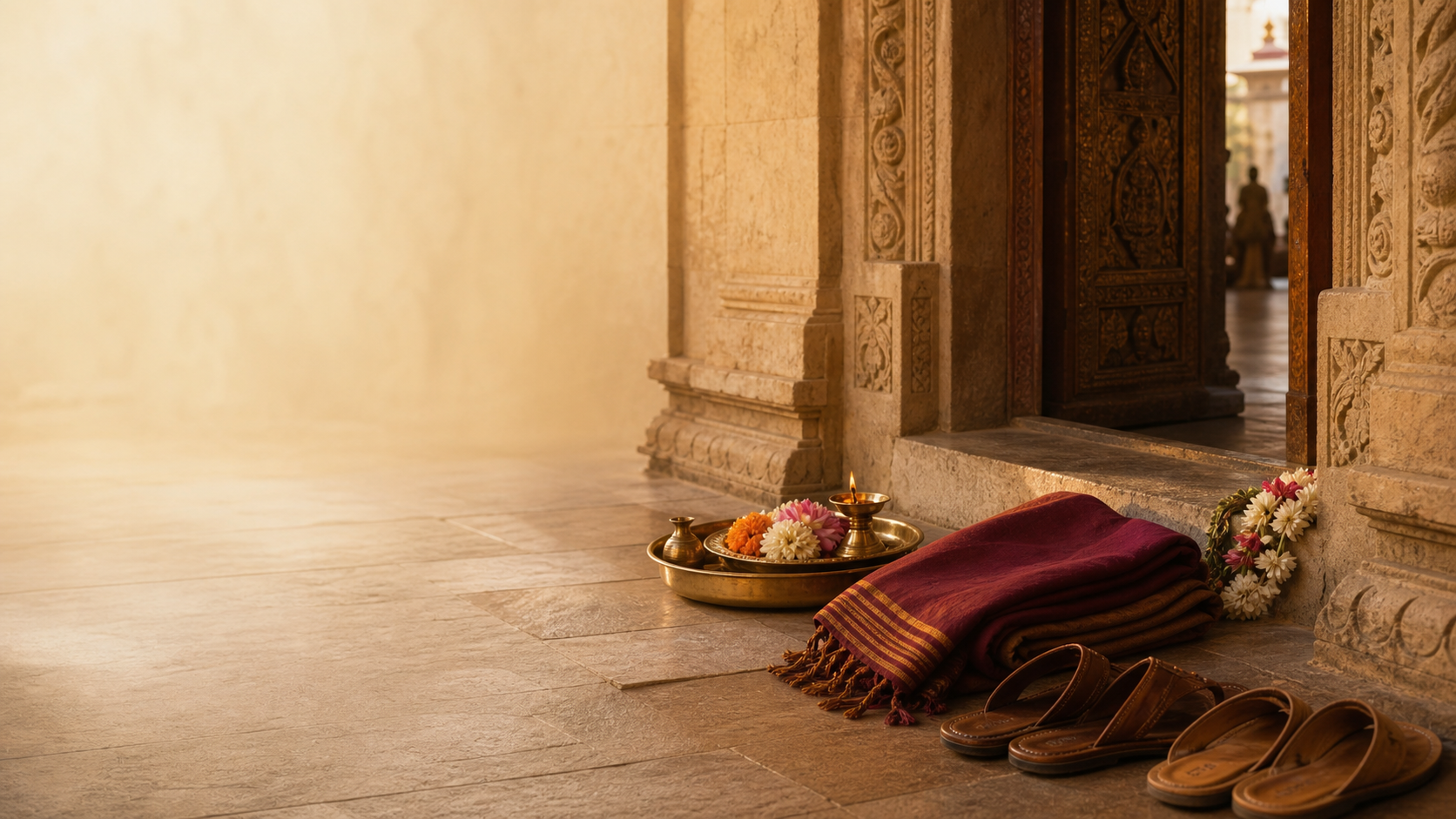
Planning a pilgrimage to Tirupati, home to the world's most visited religious site, requires careful consideration. Free entry is available, but a strict dress code mandates traditional attire: dhoti/veshti for men and saree/salwar for women, with footwear removed before temple entry. The best time to visit is October to February. The temple is managed under the TTD Act 1932, a unique statutory framework overseeing its vast operations and charitable activities. Visitors should allocate at least two days for darshan and a heritage trail, with four to five days recommended to explore nearby temples, ensuring a comprehensive spiritual experience.
Essential Visitor Information
Visitors must adhere to a strict dress code of traditional attire and remove footwear before entering temple premises; the optimal visiting period is October to February.
Temple Management and Legacy
The temple's operations and charitable endeavors are uniquely managed under the Tirumala Tirupati Devasthanams (TTD) Act of 1932, reflecting its significant institutional heritage.
| Deity | Venkateswara |
|---|---|
| Form | Venkateswara is a standing form of Vishnu, holding Shankha and Chakra, crowned with Makara Kundala and adorned with a Vaijayanti garland. He is a self-manifested (Svayam Vyakta) deity, uniquely depicted with a seven-hooded serpent canopy, a tilak of saffron and sandalwood paste, and feet covered by offerings. |
| Consort | Padmavathi |
| Sampradaya | Vaishnava |
| Significance | Believed to have manifested spontaneously on Venkata Hill to relieve the earth's burden during Kali Yuga, Venkateswara is revered as Kaliyuga Varada, the giver of boons in the current age. He is also known for taking a loan from Kubera for his marriage, which devotees eternally help repay through offerings. |
The Divine Manifestation and Eternal Debt
As the dark age of Kali Yuga descended upon the earth, bringing with it spiritual decline and suffering, Lord Venkateswara, a form of Vishnu, manifested spontaneously on the Venkata Hill. His divine purpose was to alleviate the burdens of humanity and guide souls towards salvation. A poignant tale associated with his manifestation tells of the Lord taking a colossal loan of one crore and 11.4 million gold coins from Kubera, the treasurer of the gods, to finance his celestial marriage to Goddess Padmavathi. This divine debt, it is believed, is continuously repaid through the countless offerings made by devoted pilgrims, symbolizing an eternal covenant between the Lord and his followers.
Lord Venkateswara, the Kaliyuga Varada, manifested spontaneously to relieve the earth's burden, offering boons in this age of spiritual decline.
Pilgrims' offerings at Tirupati continuously repay the Lord's divine debt to Kubera, symbolizing an eternal covenant between deity and devotee.
Related temples: Aakkoor Thanthondreeswarar Temple | Abhaya Varadeeswarar Temple, Adirampattinam
Introduction to Tirupati: A Sacred Heritage Trail
Tirupati stands as a preeminent Vaishnava pilgrimage destination, renowned globally for its profound spiritual significance and the majestic presence of Lord Venkateswara. This sacred site, a Svayam Vyakta Kshetra and Divya Desam, offers pilgrims a unique opportunity to embark on a heritage trail, exploring centuries of devotion, architectural marvels, and captivating legends. The journey through Tirupati is not merely a visit but an immersive experience into a living tradition, where every stone tells a story of faith and divine manifestation. It invites devotees to connect with an ancient spiritual lineage and witness the convergence of history and divinity.
The Essence of Pilgrimage
As a principal Divya Desam and Svayam Vyakta Kshetra, Tirupati holds immense spiritual weight, drawing millions of devotees seeking blessings from Lord Venkateswara.
A Trail Through Time
The heritage trail through Tirupati allows visitors to explore the temple's historical evolution, from its ancient Pallava foundations to the grand expansions under the Vijayanagara Empire.
Restoration & Conservation Efforts
The Tirupati Temple Walk, a journey through ancient pathways and numerous sacred shrines, faces significant challenges in preserving its historical and spiritual integrity. Over centuries, natural erosion, weather-related damage, and the immense volume of pilgrims have necessitated continuous restoration and conservation efforts. These initiatives are crucial not only for maintaining the structural stability of the ancient steps, mandapams, and smaller temples along the route but also for safeguarding the intricate carvings, frescoes, and inscriptions that narrate the rich history of the region. Various archaeological departments, temple trusts, and heritage organizations collaborate to employ traditional building techniques combined with modern scientific approaches, ensuring the heritage trail remains accessible and intact for future generations while respecting its sacred character.
Specific conservation projects often involve meticulous documentation of existing structures, scientific analysis of original materials, and careful reconstruction or reinforcement. For instance, sections of the ancient stone steps, some dating back centuries, require regular maintenance to prevent wear and tear, while smaller, less-frequented shrines along the path might undergo structural stabilization and artistic restoration of their intricate details. A major challenge lies in balancing the imperative for preservation with the continuous flow of millions of pilgrims, necessitating careful planning to minimize disruption. Community involvement, including local artisans and volunteers, plays a vital role in these efforts, fostering a sense of shared responsibility for the upkeep of this invaluable heritage trail and ensuring its spiritual essence is not compromised by modern interventions.
🗺 How to Reach
Hover a card to animate the journey on the map
Route to Tirupati
Common Questions
Where is Tirupati Temple Walk: Heritage Through Sacred Spaces located?
Tirupati Temple Walk: Heritage Through Sacred Spaces is documented at Tirupati, Tamil Nadu.
Which deity is associated with Tirupati Temple Walk: Heritage Through Sacred Spaces?
Tirupati Temple Walk: Heritage Through Sacred Spaces is associated with Vishnu.
Related Temples
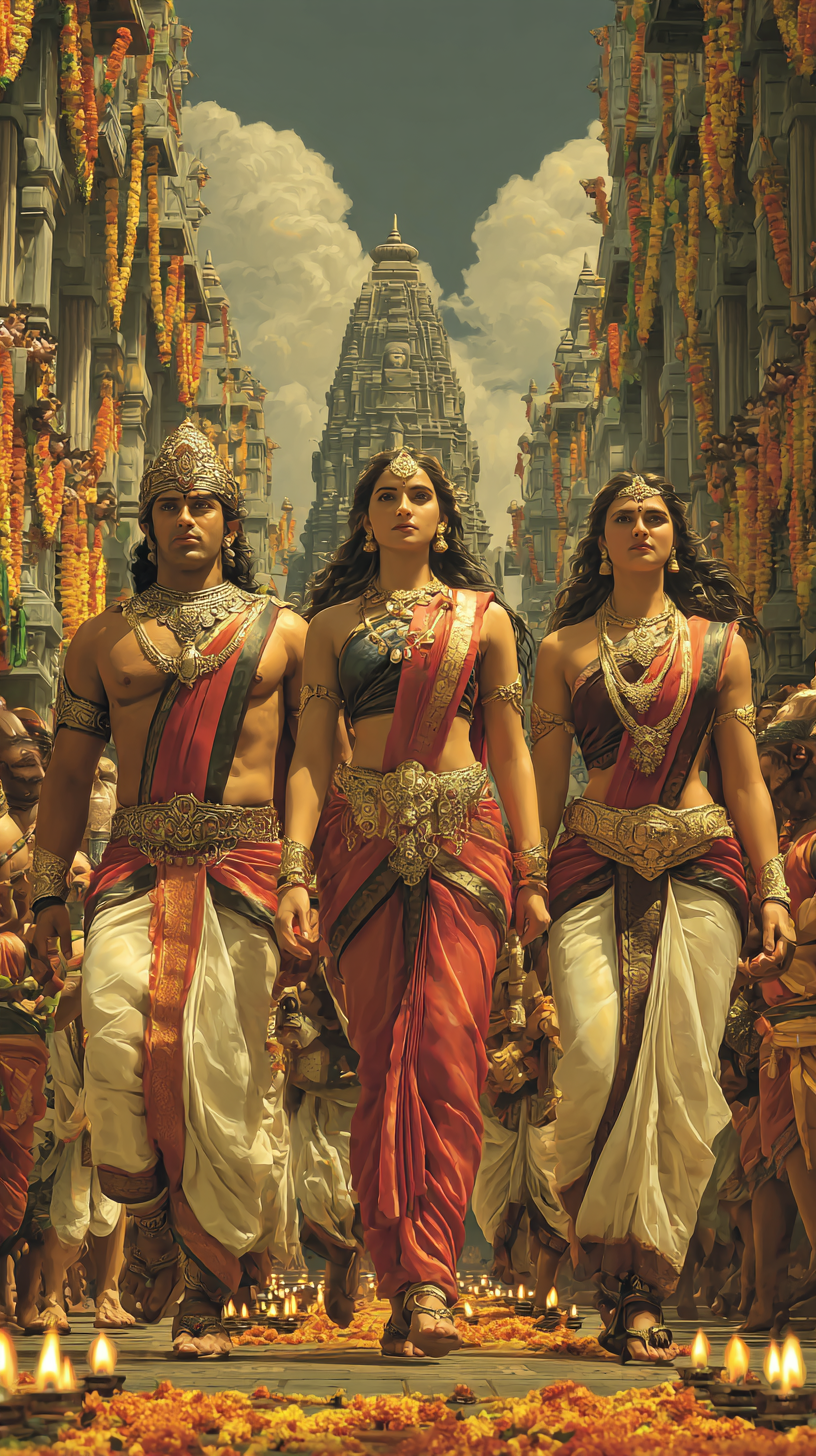
A Living Covenant