A complete pilgrim record drawn from the existing published article data.
Tracing the Centuries: History of Varadaraja Perumal Temple
The history of the Thanjavur Varadaraja Perumal Temple is deeply intertwined with the Chola dynasty and subsequent empires that ruled the region. While specific founding dates are not definitively known, the temple's architectural style and inscriptions suggest significant patronage during the medieval period. It reflects periods of substantial expansion and renovation under various rulers, each contributing to its present form. These dynasties not ably provided financial support but also encouraged the flourishing of art, sculpture, and religious practices associated with the temple. The temple thus stands as a historical chronicle in stone, reflecting the cultural and political shifts of Tamil Nadu.
Chola Patronage
The Chola dynasty, renowned for its temple building, played a crucial role in the initial development and enrichment of the temple, evident in early architectural elements.
Later Dynastic Contributions
Subsequent rulers, including the Nayaks and Marathas, undertook further renovations and additions, ensuring the temple's continuous growth and preservation through the centuries.
Architectural Marvels of Thanjavur Varadaraja Perumal
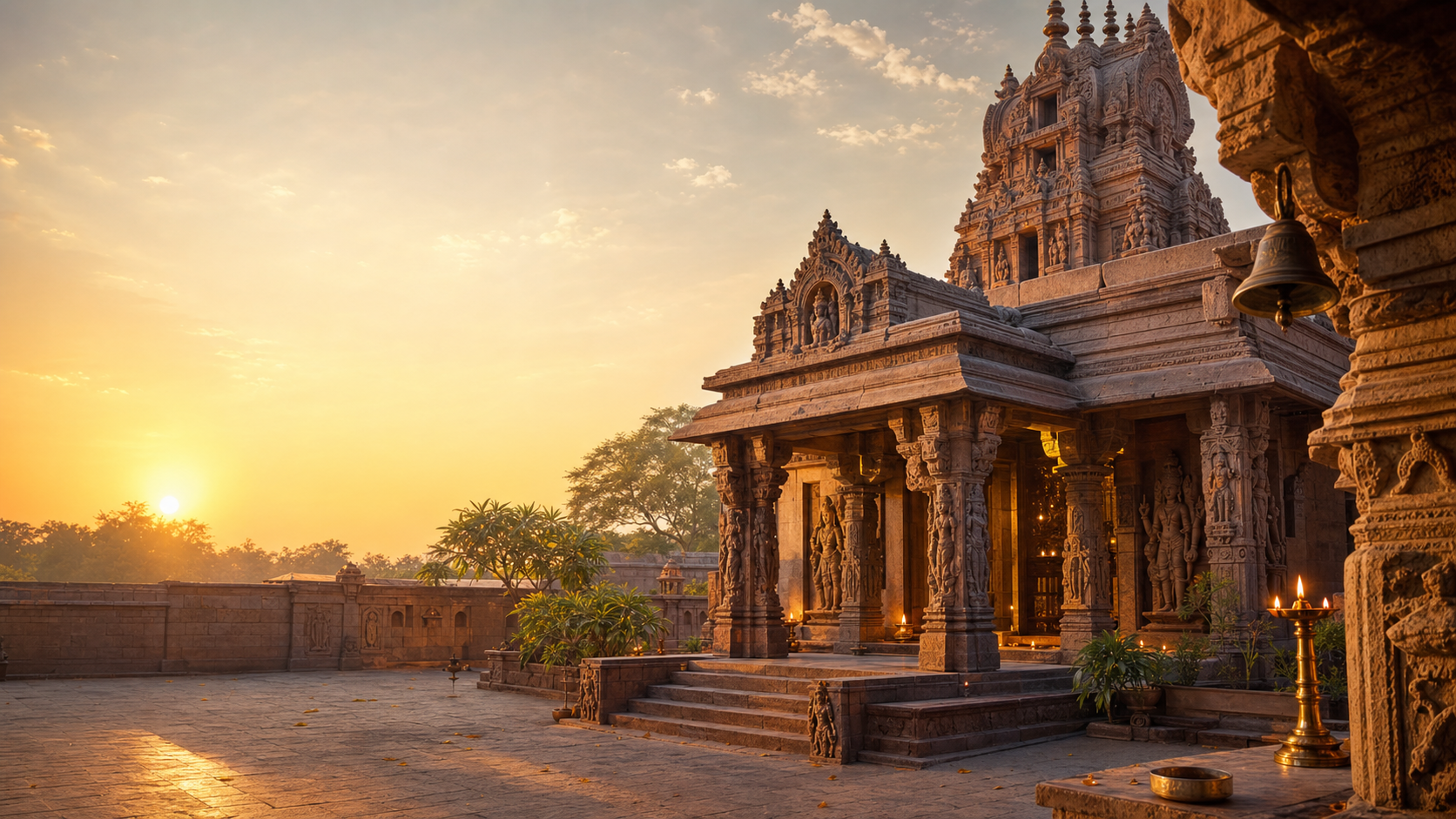
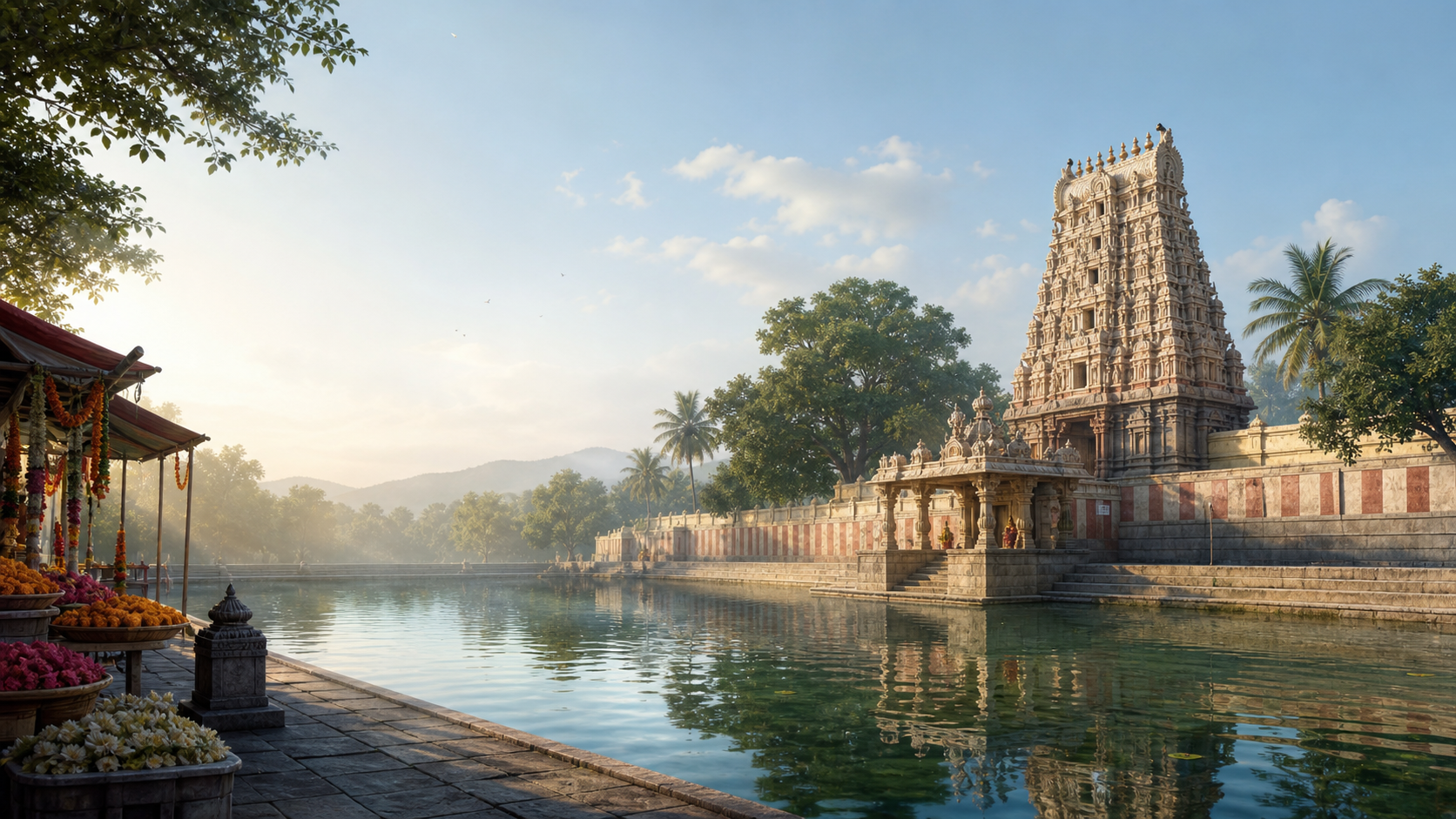
Showcasing classic Dravidian architecture, the Thanjavur Varadaraja Perumal Temple is a testament to ancient Indian craftsmanship. It features intricate carvings depicting mythological narratives, divine figures, and floral motifs adorning its pillars and walls. Towering gopurams, or monumental entrance towers, rise majestically, visible from a distance and serving as iconic landmarks. The meticulously planned layout includes multiple mandapams (halls), a sanctum sanctorum, and a temple tank, all designed to inspire spiritual reverence and awe. Each element contributes to a harmonious structure that guides devotees through a sacred journey.
Gopurams and Vimanams
The temple boasts impressive gopurams at its entrances and a vimanam over the main sanctum, adorned with stucco figures and detailed sculptures.
Sculptural Details
Every pillar and wall surface is a canvas for intricate carvings, illustrating scenes from Hindu epics and the lives of various deities, reflecting high artistic skill.
Lord Varadaraja Perumal: Deity, Mythology, and Worship
Dedicated to Lord Vishnu in his benevolent form as Varadaraja Perumal, the Thanjavur temple is a vibrant center for Vaishnavite worship. The main deity, often depicted with four arms holding a conch, discus, mace, and lotus, symbolizes preservation and cosmic order. The temple is steeped in ancient legends and devotional practices, with daily rituals performed according to the Vaishnava Agamas. These practices include elaborate abhishekams (sacred bathing), alankaram (decoration), and aarti (offering of lamps), fostering a deep connection between devotees and the divine.
The Presiding Deity
Lord Varadaraja Perumal, a form of Vishnu, is the primary deity, revered as the "Giver of Boons," and is central to the temple's spiritual identity.
Vaishnavite Traditions
The temple strictly adheres to Sri Vaishnava traditions, with priests performing daily pujas and ceremonies that have been passed down through generations.
Experiencing the Sacred: A Visitor's Guide
This guide provides essential information for visitors planning a journey to the Thanjavur Varadaraja Perumal Temple, ensuring a meaningful and well-prepared experience. The temple operates on specific timings, generally opening early morning, closing for a midday break, and reopening in the evening. Entry to the temple is free, though donations for maintenance are welcomed. Visitors are encouraged to observe local etiquette, which includes removing footwear before entering the sanctum and dressing modestly. The best time to visit is during the cooler months, from October to March, to fully appreciate the temple's spiritual ambiance.
Temple Timings and Entry
The temple is open from 6:00 AM to 12:30 PM and 4:00 PM to 9:00 PM daily. Entry is free for all visitors.
Dress Code and Etiquette
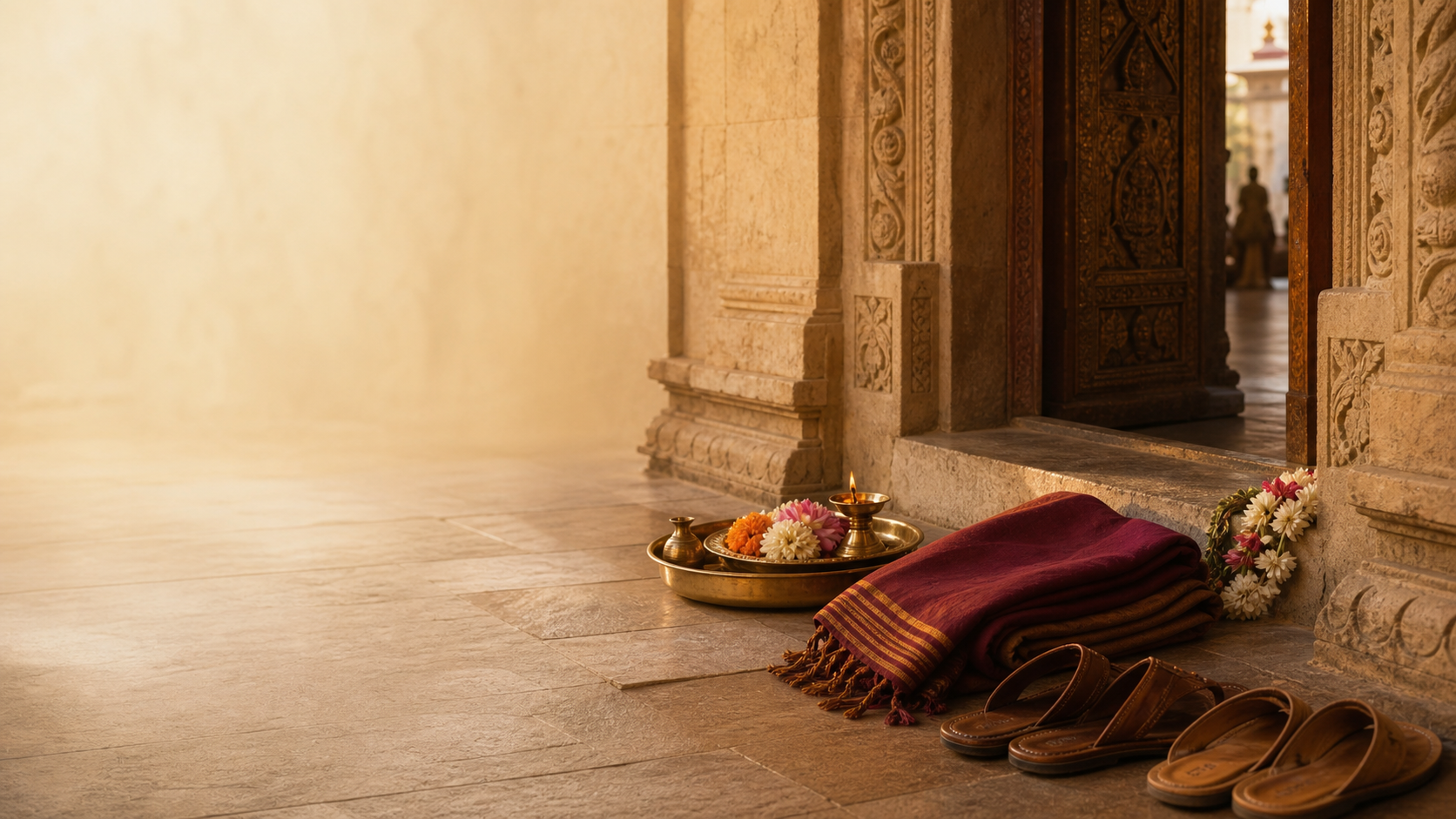
Traditional attire is preferred. Visitors should remove footwear before entering the temple premises and maintain silence inside the sanctum.
Best Time to Visit
The months between October and March offer pleasant weather, making it ideal for exploring the temple and its surroundings comfortably.
| Deity | Vishnu located in the city of Kanchipuram |
|---|
No Specific Story Available
There is no specific mythological story or legend provided for the Thanjavur Varadaraja Perumal Temple in the given information.
Experience the divine presence of Vishnu, a journey for the soul.
In the heart of Thanjavur, find solace and devotion in the sacred abode.
Related temples: Aakkoor Thanthondreeswarar Temple | Abhaya Varadeeswarar Temple, Adirampattinam
Thanjavur Varadaraja Perumal Temple: A Divine Abode
The Thanjavur Varadaraja Perumal Temple stands as a significant spiritual landmark, embodying the rich Vaishnavite tradition and architectural grandeur of Tamil Nadu. Dedicated to Lord Vishnu, this sacred site invites devotees seeking spiritual solace and history enthusiasts eager to explore its ancient heritage. Its serene atmosphere and intricate artistry offer a profound glimpse into the region's devotional culture. The temple serves as a focal point for religious ceremonies and community gatherings, preserving centuries of tradition within its hallowed walls. It remains a testament to the enduring faith and artistic prowess of its builders.
Spiritual Significance
The temple is revered as a powerful center for Vaishnavite worship, attracting pilgrims from across the region. Devotees believe that prayers offered here are especially potent.
Cultural Heritage
Beyond its religious role, the temple is a custodian of Tamil culture, showcasing traditional art forms, music, and dance during its various festivals and daily rituals.
Cultural Impact
The Thanjavur Varadaraja Perumal Temple, beyond its primary religious function, has profoundly shaped the cultural fabric of the region. Its annual Brahmotsavam and other festivals are not merely religious observances but vibrant community celebrations, drawing devotees and tourists alike, fostering a sense of collective identity and heritage. These events often feature traditional music, dance, and craft exhibitions, providing a platform for local artists and artisans. The temple's presence has historically encouraged the patronage of arts like Bharatanatyam and Carnatic music, with many compositions dedicated to deities residing in similar Vaishnavite shrines. Its architectural grandeur and spiritual aura serve as a constant inspiration, weaving itself into local folklore, proverbs, and daily rituals, signifying its deep integration into the lives of the Thanjavur populace. The temple's cultural resonance extends far beyond Thanjavur, contributing significantly to the broader tapestry of Tamil culture. As a revered Divya Desam, it holds a special place in the Vaishnavite tradition, having been glorified by the Alvars in their devotional hymns (Nalayira Divya Prabandham). These ancient poetic compositions are foundational to Tamil literature and continue to be recited and studied, ensuring the temple's spiritual and literary legacy endures. Architecturally, its Dravidian style, characterized by towering gopurams and intricate carvings, reflects and reinforces the aesthetic principles prevalent in South Indian temple construction, influencing subsequent structures. Thus, the Varadaraja Perumal Temple stands not just as a place of worship, but as a living monument to Tamil artistic, literary, and spiritual heritage, continually enriching the cultural landscape.🗺 How to Reach
Hover a card to animate the journey on the map
Verified routes to Thanjavur Varadaraja Perumal Temple
Common Questions
Where is Thanjavur Varadaraja Perumal Temple: A Sacred Divya Desam located?
Thanjavur Varadaraja Perumal Temple: A Sacred Divya Desam is documented at Thanjavur, Tamil Nadu.
Which deity is associated with Thanjavur Varadaraja Perumal Temple: A Sacred Divya Desam?
Thanjavur Varadaraja Perumal Temple: A Sacred Divya Desam is associated with Vishnu.
