




A complete pilgrim record drawn from the existing published article data.
A Tapestry of Time: The History Behind Meghalaya's Temples
The historical development of Meghalaya's temple architecture is a complex narrative, shaped by centuries of cultural exchange and indigenous innovation. While specific construction dates for many sites remain unknown, oral traditions and archaeological findings point to ancient origins. Early structures likely utilized natural materials, evolving as communities interacted with neighboring kingdoms and introduced new religious practices. This rich history has resulted in a diverse array of temple forms, each telling a part of Meghalaya's enduring story.
Ancient Roots
The earliest forms of worship in Meghalaya were often animistic, with sacred groves and megalithic structures preceding formal temple construction.
Influences from Afar
Historical interactions with neighboring regions, including Bengal and Assam, introduced new architectural motifs and religious practices, enriching local traditions.
Evolution of Styles
Over time, indigenous building techniques merged with external influences, leading to the distinctive temple styles seen across the state today.
Discovering Meghalaya's Sacred Architecture
Meghalaya, the "Abode of Clouds," harbors a unique and often overlooked tradition of temple architecture. Unlike many regions of India, its sacred structures reflect a blend of indigenous beliefs and later influences, deeply intertwined with the landscape and cultural identity of its people. These temples serve not only as places of worship but also as vital centers for community life, preserving ancient customs and spiritual practices. Their distinct forms offer a fascinating glimpse into the region's rich heritage.
An Unseen Heritage
Meghalaya's temples present an architectural narrative distinct from mainstream Indian temple styles, often characterized by local materials and construction methods.
Spiritual Landscapes
The location of these sacred sites is often chosen for its natural beauty and spiritual significance, integrating seamlessly with the hilly terrain and dense forests.
Cultural Fusion
Over centuries, indigenous Khasi, Garo, and Jaintia traditions have converged with other belief systems, shaping the unique aesthetic and function of these religious edifices.
Cultural Impact and Community Life
Meghalaya's temple architecture extends far beyond mere structural aesthetics, deeply embedding itself into the cultural fabric and daily lives of its indigenous communities, particularly the Khasi, Jaintia, and Garo tribes. These sacred structures often serve as focal points for traditional ceremonies, seasonal festivals, and community gatherings, reinforcing social cohesion and transmitting ancestral knowledge across generations. The unique design elements, often reflecting animistic beliefs and reverence for nature, are not just decorative but carry profound symbolic meaning, connecting worshippers to their spiritual heritage and the natural landscape. They act as living repositories of local customs, rituals, and oral histories, ensuring the continuity of distinct cultural identities in a rapidly changing world. The distinctive architectural styles and intricate carvings found in Meghalayan temples have profoundly influenced local artistic expressions and craftsmanship. Motifs inspired by the natural world, mythological figures, and geometric patterns frequently adorn traditional textiles, wood carvings, and pottery, creating a visual language that echoes the spiritual narratives enshrined in the temples. These structures are not only places of worship but also powerful symbols of regional identity, drawing both locals and visitors to appreciate the rich cultural tapestry of the state. Their presence fosters a sense of pride and belonging, contributing significantly to Meghalaya's unique cultural landscape and serving as enduring testaments to the ingenuity and spiritual depth of its people.Journey to the Divine: A Visitor's Guide to Meghalaya's Temples
Visiting Meghalaya's temples offers a profound cultural and spiritual experience. To ensure a respectful and enriching journey, visitors should be mindful of local customs. The best time to visit is generally from October to April, when the weather is pleasant. While entry is usually free, donations are appreciated. It is advisable to contact the temple office for specific timings and any particular dress code requirements, although traditional attire and removing footwear are generally preferred. Allow ample time to appreciate the architecture and serene atmosphere.
Planning Your Visit
Research specific temple locations and accessibility, especially for those in remote areas, and confirm timings with local sources.
Etiquette and Respect
Dress modestly, remove footwear before entering, and observe local customs, particularly during prayer times or ceremonies.
Best Time to Explore
The dry season, from autumn through spring, offers the most comfortable weather for travel and temple visits across Meghalaya.
| Deity | Multiple |
|---|---|
| Form | Unknown |
| Consort | Unknown |
| Sampradaya | other |
| Significance | Unknown |
No Specific Legends Recorded
Information regarding specific mythological stories or legends associated with the Temple Architecture of Meghalaya is not readily available in the provided facts. The focus is primarily on the architectural aspects rather than specific narratives tied to individual deities or events within these structures. The diverse temples likely hold local tales, but these are not specified in the given data.
Meghalaya's temples, though often unrecorded in history, stand as silent testaments to faith and architectural diversity.
Explore the unique blend of spirituality and regional design in Meghalaya's sacred spaces.
Related temples: ASI Protected Temples: India's Archaeological Treasures | Bahrot Caves
Stones and Stories: Unpacking Meghalaya's Temple Architecture
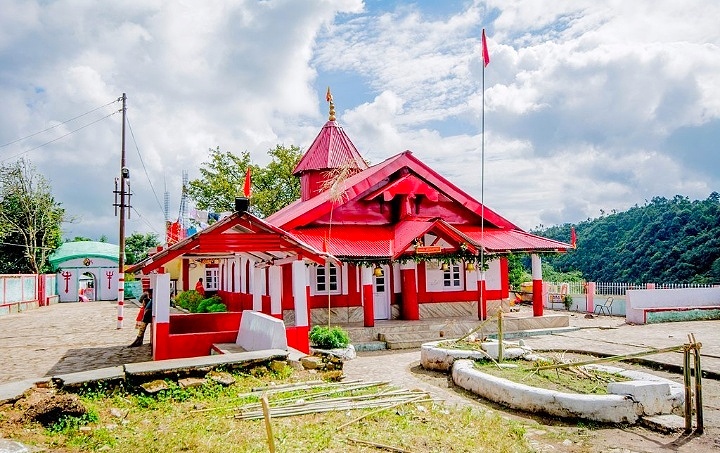
Meghalaya's temple architecture is characterized by its adaptability to the local environment and the use of readily available materials. Structures often feature robust stone foundations, wooden superstructures, and sometimes corrugated iron roofs, reflecting a practical yet spiritual aesthetic. Distinctive elements include intricately carved pillars, unique roof designs, and symbolic motifs drawn from nature and local folklore. These architectural choices not only provide durability against the region's heavy rainfall but also imbue each temple with a unique identity, narrating stories of faith and community.
Materials and Craftsmanship
Local stone, timber, and sometimes bamboo are primary building materials, expertly fashioned by local artisans into durable and aesthetically pleasing structures.
Distinctive Features
Architectural elements such as tiered roofs, specific pillar designs, and the integration of natural rock formations are common in Meghalayan temples.
Symbolic Artistry
Carvings and decorative motifs often depict local deities, mythical creatures, and natural elements, reflecting the deep connection between faith and environment.
Guardians of the Hills: Deities and Lore of Meghalaya's Temples
The temples of Meghalaya are home to a diverse pantheon of deities, reflecting the state's multicultural heritage. While some temples venerate specific Hindu deities, many also incorporate indigenous spiritual figures and ancestral spirits, particularly within the Khasi, Garo, and Jaintia traditions. Associated myths often speak of creation, natural phenomena, and heroic ancestors, deeply embedding the divine within the landscape. Worship practices vary, ranging from traditional Hindu rituals to unique local ceremonies that emphasize community participation and offerings to nature.
Pantheon of the Khasi Hills
Many temples honor local deities and ancestral spirits alongside pan-Indian gods, reflecting a syncretic spiritual landscape.
Myths and Legends
Oral traditions and folklore surrounding the deities and temple sites often explain the origin of natural features and cultural practices.
Ritual Practices
Worship involves a blend of traditional prayers, offerings, and community gatherings, often guided by local priests or elders.
🗺 How to Reach
Hover a card to animate the journey on the map
Route to Temple
Related Temples

A Living Covenant