



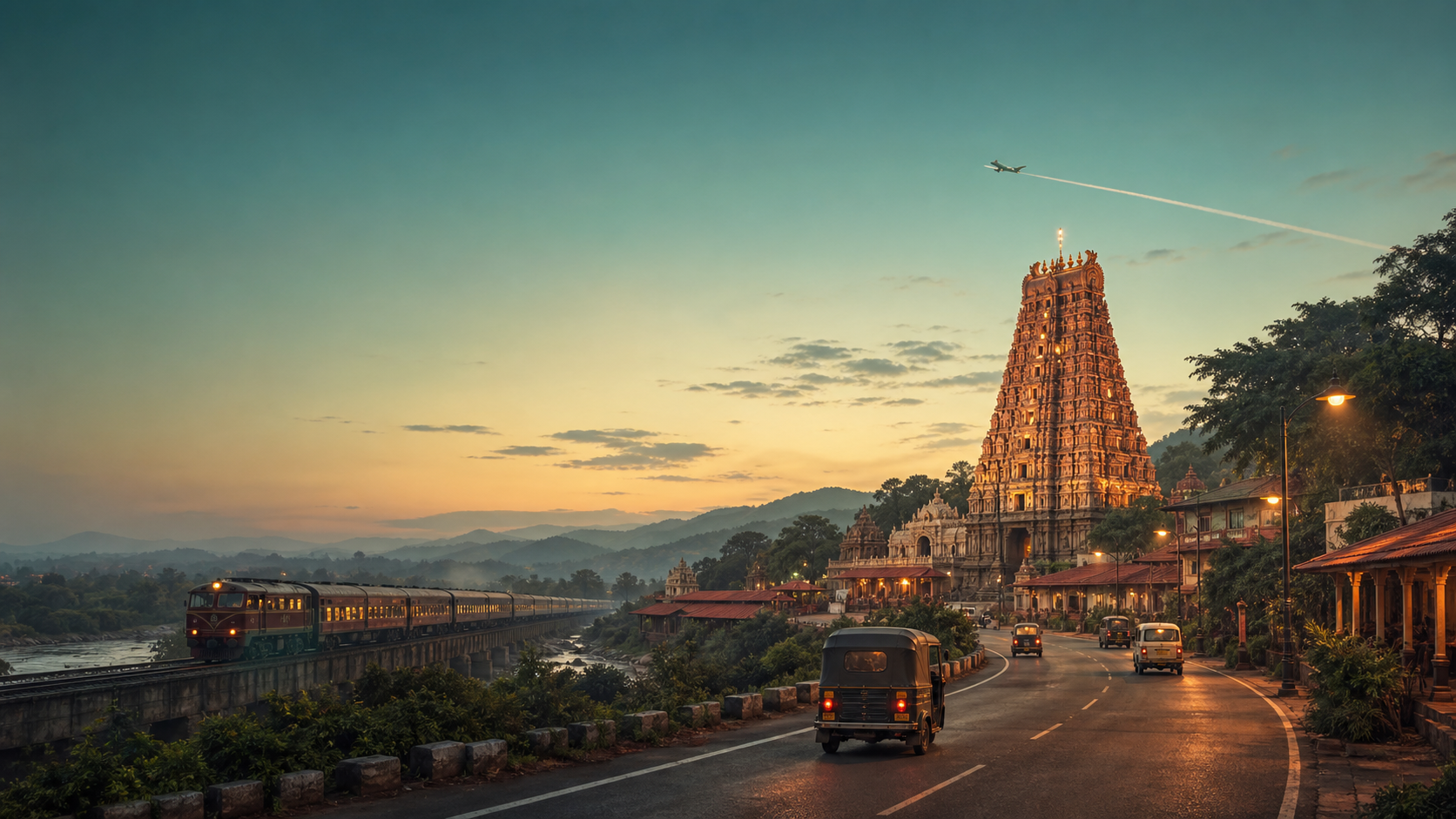
A complete pilgrim record drawn from the existing published article data.
Echoes of the Past: The Ancient Origins of Meghalaya's Temples
The origins of Meghalaya's hidden temples are deeply embedded in the ancient history and cultural fabric of its indigenous communities. These sacred structures are not merely places of worship but are testament to the enduring spiritual practices and community life that have thrived in these hills for centuries. Many predate colonial influence, with their foundations laid by early tribal societies. They reflect a continuum of devotion, evolving from animistic beliefs and traditional rituals to incorporate various religious streams while maintaining distinct local characteristics. Excavations, such as those at Bhaitbari, provide archaeological evidence of early religious complexes.
Indigenous Roots and Beliefs
Many temples trace their lineage to ancient tribal practices and animistic traditions, reflecting a deep reverence for nature and ancestral spirits.
Community Building and Devotion
These sites historically served as focal points for community gatherings, fostering social cohesion and preserving collective spiritual identity through generations.
Archaeological Insights
Limited archaeological work, like the 1993 excavations at Bhaitbari by A. K. Sharma, suggests the presence of significant ancient religious activity in the region.
Stone, Wood, and Spirit: Unique Architectural Styles of the Hidden Temples
The hidden temples of Meghalaya exhibit distinct architectural styles that are deeply rooted in the region's cultural identity and natural environment. They often blend elements of traditional Khasi, Jaintia, and other local building techniques. Construction predominantly utilizes locally sourced materials such as stone, wood, and sometimes bamboo, chosen for their durability and availability. The designs frequently feature intricate carvings and simple, robust structures that are well-adapted to the hilly terrain and often harsh weather conditions. This architectural harmony with the landscape emphasizes a spiritual connection to nature, making each temple a unique cultural landmark.
Regional Architectural Influences
Temples showcase a fusion of Khasi, Jaintia, and other indigenous architectural styles, reflecting the diverse cultural tapestry of Meghalaya.
Sustainable Local Materials
Construction primarily employs natural materials like stone, wood, and thatch, sourced directly from the surrounding environment, ensuring durability and environmental integration.
Harmony with Nature
The designs are often modest yet resilient, built to withstand the local climate while blending seamlessly into the lush, hilly landscapes of the state.
Guardians of the Hills: The Diverse Deities and Rich Mythology
These secluded temples serve as sanctuaries for a diverse pantheon of deities, reflecting the rich mythological tapestry and spiritual narratives unique to Meghalaya. The worship practices often embody a fascinating syncretism, blending indigenous animistic beliefs with elements from other major religions, particularly Hinduism, which have found their way into the region over centuries. Each temple is typically dedicated to specific deities, often associated with natural elements, ancestral spirits, or local folklore heroes. These sacred stories and figures are central to the community's identity, providing moral guidance and a connection to the spiritual realm, making the temples living repositories of cultural memory.
Pantheon of Deities
Temples are dedicated to various deities, often linked to natural forces, local legends, and ancestral reverence, reflecting Meghalaya's spiritual diversity.
Rich Mythological Narratives
Each sacred site is steeped in local myths and legends, serving as a repository of stories that define cultural identity and spiritual understanding.
Syncretic Traditions
Worship often combines indigenous animistic practices with influences from other faiths, creating a unique blend of spiritual traditions found across the state.
Planning Your Spiritual Journey: A Visitor's Guide to Meghalaya's Sacred Hidden Gems
Visiting Meghalaya's hidden temples offers an unparalleled opportunity for spiritual reflection and cultural immersion, far removed from the usual tourist crowds. However, these secluded sites require careful planning and a deep respect for local customs and traditions. Access to some temples may involve navigating challenging terrain, so comfortable footwear and appropriate attire are essential. It is advisable to engage local guides who can provide invaluable insights into the temple's history and significance, and ensure respectful interaction with the community. These journeys are not just about sightseeing but about experiencing the profound spirituality embedded in the heart of Meghalaya.
Essential Planning and Preparation
Researching temple locations, accessibility, and local transport options is crucial for a smooth and rewarding visit to these often-remote sites.
Respecting Local Customs
Visitors should observe modest dress codes, remove footwear where requested, and be mindful of local rituals and practices to show reverence.
Cultural Immersion and Guidance
Hiring a local guide is highly recommended for deeper cultural understanding and navigating the nuances of visiting sacred indigenous spaces.
Unveiling Meghalaya's Sacred Secrets: Hidden Temples Off the Beaten Path
Meghalaya, a state celebrated for its pristine natural beauty, waterfalls, and living root bridges, also conceals a rich spiritual landscape. Beyond the well-trodden tourist circuits lie numerous ancient temples, often tucked away in serene, verdant locales. These sacred sites, though less publicized, offer a profound and authentic glimpse into the region's diverse spiritual heritage and indigenous traditions. They represent centuries of devotion and community life, providing a unique counterpoint to the state's natural wonders, inviting a deeper connection with Meghalaya's soul.
Beyond Mainstream Tourism
Many of Meghalaya's temples remain largely undiscovered by typical tourist itineraries, preserving their tranquility and authenticity.
Glimpses into Spiritual Heritage
These hidden gems serve as vital centers of local faith, showcasing the enduring spiritual practices of the Khasi, Jaintia, and Garo communities.
An Authentic Cultural Experience
Visiting these sites offers a rare opportunity to engage with local customs and traditions away from commercialized attractions.
Safeguarding Sacred Spaces: The Future of Meghalaya's Hidden Temples
The preservation of Meghalaya's hidden temples is paramount for maintaining the state's unique cultural identity and spiritual legacy. These ancient sites are not just architectural marvels but living testaments to centuries of indigenous faith and community life. Efforts are needed to protect them from environmental degradation and unchecked development. Encouraging sustainable tourism practices, which prioritize conservation and local community involvement, can help ensure their longevity. By raising awareness and fostering responsible visitation, future generations can continue to experience the profound spiritual and historical significance of these sacred spaces, safeguarding their invaluable heritage for posterity.
Importance of Preservation
Protecting these temples is vital for safeguarding Meghalaya's distinctive cultural identity, historical narrative, and spiritual continuity.
Promoting Sustainable Tourism
Responsible tourism initiatives can provide economic benefits to local communities while ensuring the conservation and integrity of these sacred sites.
Ensuring Spiritual Legacy
Conservation efforts aim to pass on the rich spiritual and cultural heritage of these temples to future generations, maintaining their significance.
| Deity | Multiple Deities |
|---|---|
| Form | Specific forms of the multiple deities are not detailed in the provided information. |
| Consort | Consorts for the multiple deities are not specified in the available data. |
| Sampradaya | Unknown |
| Significance | The spiritual roles and significance of the multiple deities are not elaborated upon in the provided knowledge. |
The Whispers of Unseen Deities
Deep within the verdant hills of Meghalaya lie ancient temples, their origins often shrouded in the mists of time and forgotten lore. These hidden gems, untouched by the common gaze, hold silent witness to centuries of devotion. While specific tales of their deities may have faded with time, the very existence of these sacred sites speaks of a profound spiritual heritage, waiting to be rediscovered by those who venture off the beaten path. Each stone, each carving, hints at stories untold, echoing the reverence of their unknown builders.
In the quiet embrace of Meghalaya's hills, ancient devotion whispers through forgotten stones, awaiting discovery.
Seek not the grandeur of the known, but the profound peace found within the hidden sanctuaries.
Related temples: ASI Protected Temples: India's Archaeological Treasures | Bahrot Caves
🗺 How to Reach
Hover a card to animate the journey on the map
Route to Temple
Related Temples
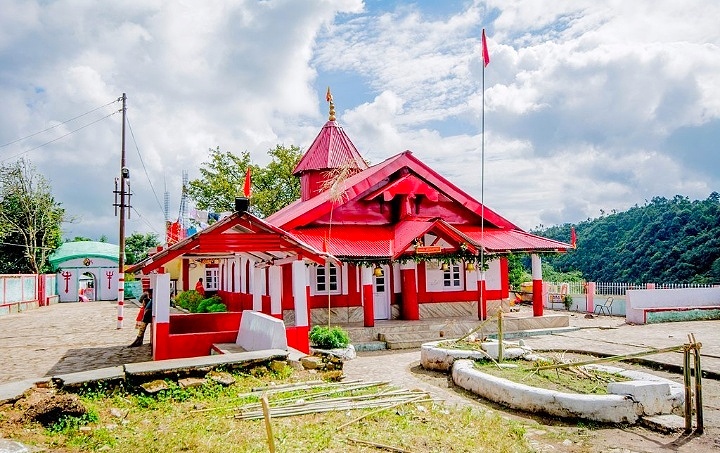

A Living Covenant