



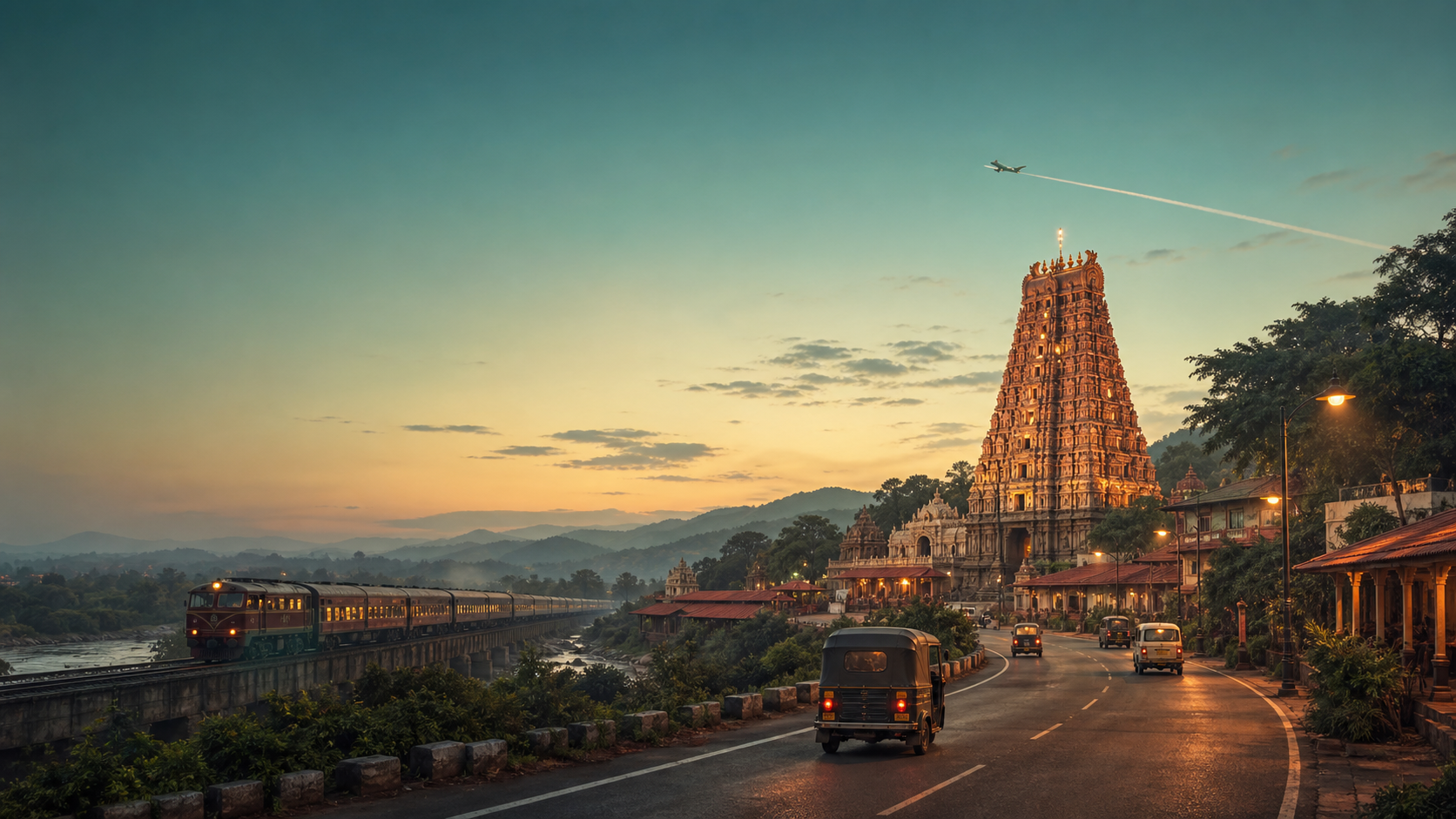
A complete pilgrim record drawn from the existing published article data.
Whispers of the Past: History and Legends of Ancient Shrines
The history of Meghalaya's ancient shrines is often shrouded in antiquity, with many dating back centuries, their exact origins lost to time or preserved through oral traditions. Archaeological studies, such as the excavation at Bhaitbari in 1993, hint at a rich past, revealing connections to broader regional histories. Local legends abound, attributing the construction or significance of these temples to mythical figures, ancient kings, or divine interventions. These captivating narratives are integral to the temples' identities, imbuing them with profound cultural and spiritual meaning that resonates deeply with the local populace and visitors alike, connecting the present to a storied past.
Ancient Origins
Many temples are centuries old, predating documented history, with their foundations rooted in ancient tribal beliefs.
Oral Traditions
Legends and historical accounts are passed down through generations, forming the backbone of the temples' narratives.
Archaeological Insights
Excavations, like those at Bhaitbari, provide tangible evidence of the region's historical and cultural depth.
Built by Nature, Blessed by Devotion: Unique Temple Architecture
The architecture of Meghalaya's off-the-beaten-path temples is profoundly influenced by the region's natural abundance. Often, these shrines utilize local materials such as stone, wood, and even natural rock formations as their primary structural elements. The designs frequently eschew elaborate carvings found in other temple traditions, favoring simplicity and a harmonious integration with the pristine environment. This minimalist yet profound architectural style reflects a deep reverence for nature, transforming natural caves, groves, or rock shelters into sacred spaces. The result is a unique blend of human devotion and environmental artistry, creating structures that feel organically part of the landscape.
Natural Materials
Local stone, wood, and natural rock formations are commonly used, reflecting regional availability and ecological harmony.
Harmonious Integration
Temples often blend seamlessly with their surroundings, utilizing existing caves or natural clearings.
Simplicity in Design
Architectural styles prioritize functionality and natural aesthetics over intricate ornamentation.
Unveiling Meghalaya's Hidden Spiritual Gems
Meghalaya, the 'Abode of Clouds', is renowned for its breathtaking landscapes, but beyond the well-trodden paths lie a collection of ancient temples. These off-the-beaten-path sanctuaries offer a unique glimpse into the spiritual heart of the region, far removed from mainstream tourist circuits. They are not merely places of worship but cultural touchstones, preserving indigenous traditions and historical narratives. Exploring these hidden gems provides a profound connection to Meghalaya's rich heritage and serene natural beauty, inviting visitors to discover a deeper sense of tranquility and cultural understanding.
A Journey into Serenity
These temples provide an escape from urban clamor, nestled in tranquil settings that enhance their spiritual appeal.
Cultural Immersion
Visiting these sites offers a rare opportunity to engage with local customs and spiritual practices firsthand.
Navigating the Sacred Trails: A Guide to Visiting Remote Temples
Visiting Meghalaya's remote temples requires thoughtful planning and a respectful approach. The best time to visit is from October to May, when the weather is pleasant. Modest attire is recommended, and removing footwear before entering the shrine is customary. While entry is often free, donations are appreciated. Be prepared for potential treks to reach some sites, and carry essentials like water. Respect local customs, seek permission before photographing people, and maintain the sanctity of these spiritual places. These guidelines ensure a meaningful and enriching experience while honoring the traditions of the local communities and the sacredness of the sites.
Best Time to Visit
The dry season, from October to May, offers ideal weather for exploration and trekking.
Respectful Conduct
Adhere to local customs, including modest dress and removing footwear, to show reverence.
Preparation for Travel
Carry water and be ready for varying terrain, as some temples require short hikes to access.
| Deity | Multiple Deities |
|---|---|
| Form | The specific forms of the deities housed in these off-the-beaten-path temples are not detailed in the available information. |
| Consort | Information regarding specific consorts for these multiple deities is not available. |
| Sampradaya | Other |
| Significance | The spiritual significance and roles of the various deities worshipped in these temples are not specified. |
No Specific Mythological Story Available
Information regarding specific mythological stories or legends associated with these off-the-beaten-path temples in Meghalaya is not detailed in the provided data. These temples likely hold local narratives and traditions unique to their communities.
Discover the quiet reverence of Meghalaya's hidden spiritual gems, where multiple deities are honored in serene, untrodden sanctuaries.
Step away from the crowds and immerse yourself in the unique spiritual tapestry woven within these ancient, lesser-known temples.
Related temples: ASI Protected Temples: India's Archaeological Treasures | Bahrot Caves
Beyond the Crowds: Discovering Meghalaya's Secluded Sanctuaries
Meghalaya's secluded sanctuaries are characterized by their integration with the surrounding natural environment, often found amidst dense forests, beside cascading waterfalls, or within ancient caves. These temples are typically smaller, less ornate than their mainstream counterparts, yet possess an undeniable aura of sanctity and peace. Their cultural importance lies in their role as community hubs for local tribes and villages, maintaining ancestral practices and oral traditions. The breathtaking natural settings, often requiring a trek to reach, contribute significantly to their mystical charm, making the journey an integral part of the spiritual experience.
Natural Integration
Many temples are built directly into natural formations, utilizing caves or rock shelters as primary structures.
Community Hubs
These sites serve as vital centers for local tribal communities, sustaining unique cultural and religious practices.
Scenic Journeys
Reaching these sanctuaries often involves treks through pristine landscapes, adding to the pilgrimage experience.
Guardians of the Hills: Deities and Indigenous Spiritual Traditions
The hidden temples of Meghalaya are dedicated to a diverse pantheon of deities, reflecting the rich tapestry of indigenous spiritual traditions prevalent in the state. While some may venerate Hindu deities, many others are central to the animistic beliefs of various Khasi, Garo, and Jaintia tribes. Reverence for nature spirits, ancestral guardians, and specific local deities associated with mountains, rivers, and forests is common. These spiritual practices are deeply intertwined with the daily lives and cultural identity of the communities, emphasizing a symbiotic relationship between humans and their natural environment. The temples serve as focal points for rituals, prayers, and festivals honoring these unique belief systems.
Indigenous Deities
Beyond mainstream traditions, many temples honor ancestral spirits, nature deities, and local gods specific to tribal groups.
Animistic Beliefs
A strong animistic current runs through the spiritual practices, revering the sacredness of natural elements.
Cultural Identity
These spiritual sites are crucial for maintaining the distinct cultural and religious identities of Meghalaya's tribes.
🗺 How to Reach
Hover a card to animate the journey on the map
Route to Temple
Related Temples
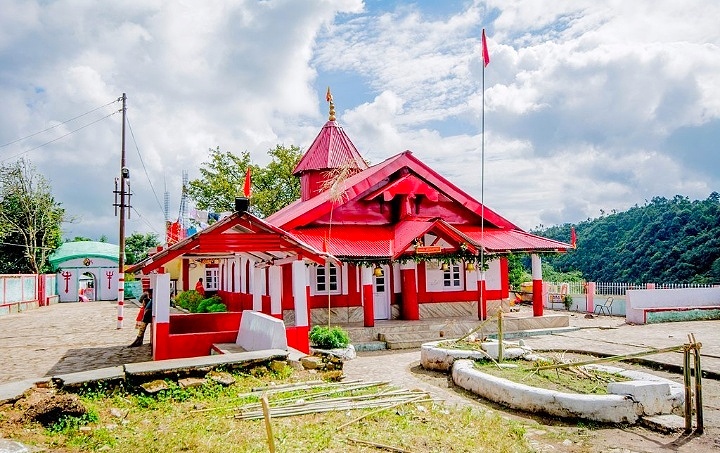

A Living Covenant