



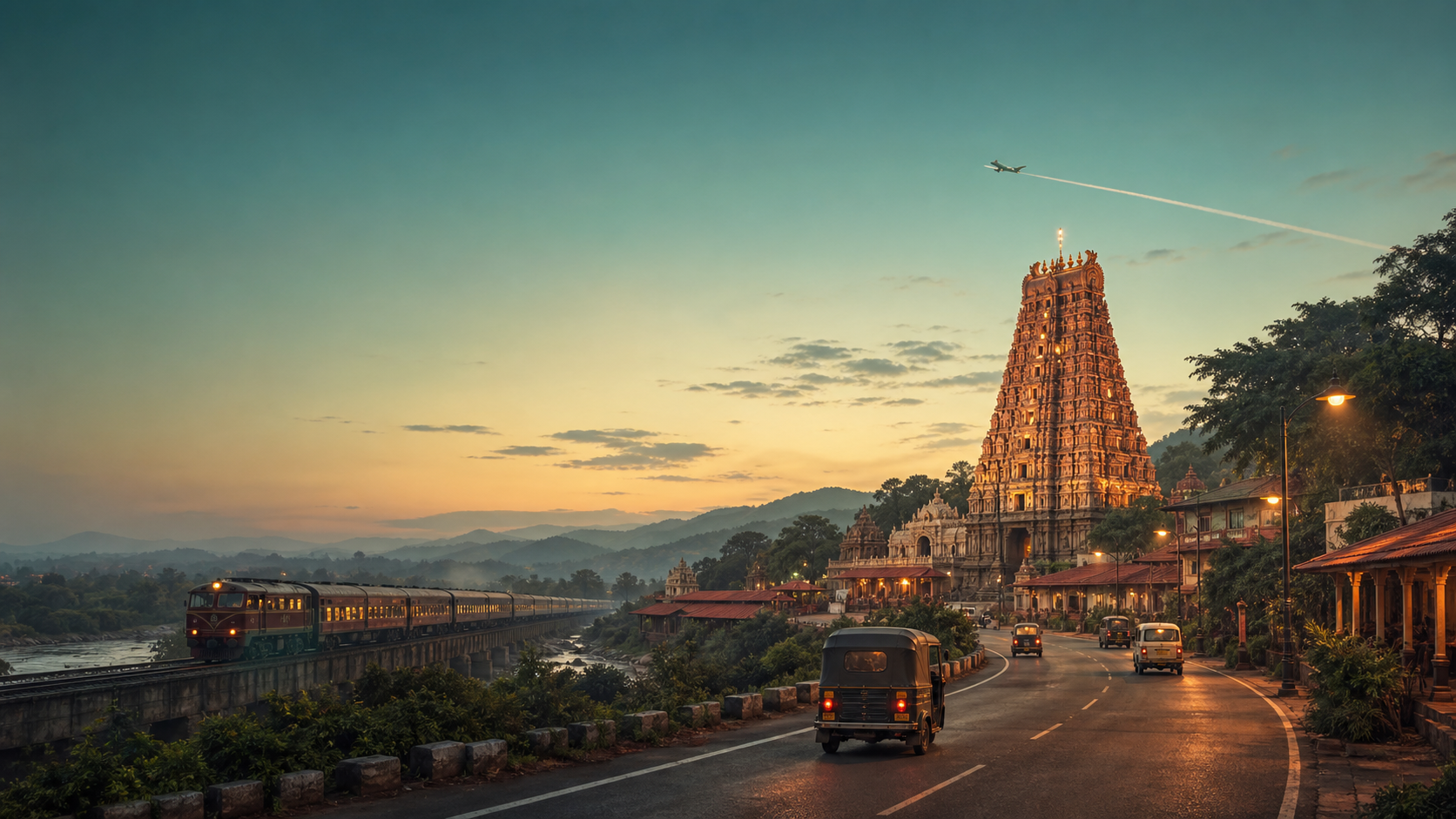
A complete pilgrim record drawn from the existing published article data.
A Saga of Resilience: The History of Somnath
The history of Somnath Temple is a poignant narrative of repeated destruction and reconstruction, reflecting the enduring devotion of its patrons and the resilience of Hindu faith. The first temple was likely constructed in the 9th century CE, with early patronage from the Gurjara-Pratihara dynasty. Over centuries, it underwent significant rebuilding efforts by powerful dynasties such as the Chaulukyas and Vaghelas, notably by Mularaja before 997 CE and Kumarapala in 1169 CE. The current structure, a magnificent testament to this enduring spirit, was reconstructed between 1947 and 1951 under the leadership of Vallabhbhai Patel, marking its final restoration post-independence.
Ancient Origins and Early Patronage
The earliest known temple at Somnath dates back to the 9th century CE. Historical records indicate that Gurjara-Pratihara king Nagabhata II visited Someshvara in the early 9th century, signifying its early prominence.
Dynastic Reconstructions
Major reconstructions were undertaken by Chaulukya kings Mularaja before 997 CE and Kumarapala in 1169 CE, reflecting the temple's significance to various regional powers. These efforts ensured the temple's continuity despite challenges.
Post-Independence Restoration
The current temple, built between 1947 and 1951, stands as a symbol of national resurgence. Its reconstruction was initiated by Vallabhbhai Patel, using stone and granite, restoring its grandeur after centuries of turmoil.
Architectural Grandeur and Design
The Somnath Temple showcases the distinctive Māru-Gurjara style of architecture, characteristic of the Chaulukya-era. This architectural style is renowned for its intricate carvings, elaborate ornamentation, and a towering shikhara that dominates the skyline. The meticulous craftsmanship, evident in every detail from the plinth to the pinnacle, embodies traditional Hindu temple design principles, reflecting a deep understanding of sacred geometry and aesthetics. Constructed primarily from stone and granite, the temple stands as a testament to the skill of ancient and modern artisans.
Māru-Gurjara Style
The temple's architecture is a prime example of the Māru-Gurjara style, also known as the Chaulukya style. This style is recognized for its ornate sculptures, complex patterns, and distinct structural elements.
Intricate Carvings and Shikhara
The temple features intricate carvings adorning its walls, pillars, and ceilings, depicting deities, mythological scenes, and geometric patterns. Its prominent shikhara, or spire, is a hallmark of this architectural tradition, drawing the eye upwards.
Material and Craftsmanship
Built with durable stone and granite, the Somnath Temple exemplifies robust construction. The craftsmanship reflects centuries of traditional Hindu temple building techniques, merging structural integrity with aesthetic beauty.
Lord Shiva and the Jyotirlinga Legend
At the spiritual core of Somnath lies Lord Shiva, enshrined in his revered Jyotirlinga form. This site is steeped in ancient legends and mythological narratives that sanctify its very ground. The primary legend recounts the Moon God's redemption, where Soma regained his lustre through penance to Lord Shiva at Prabhasa, giving the deity the name Somnath, 'Lord of the Soma.' Additionally, the sacred land of Prabhasa is significant for being the site of Lord Krishna's final sojourn, imbuing it with an additional layer of holiness as a place where the divine manifested in human vulnerability.
The Jyotirlinga Form of Shiva
Lord Shiva is worshipped here as a Jyotirlinga, a radiant pillar of light. This form represents Shiva's supreme, unmanifest reality, making Somnath one of the most powerful and sacred pilgrimage sites for Shaivites.
The Moon God's Redemption
According to legend, the Moon god Soma was cursed, losing his brilliance. He performed penance at Prabhasa, and Lord Shiva, pleased, restored his light, leading to the temple's name 'Somnath' and sanctifying the site.
Krishna's Final Sojourn
The land near Somnath is also revered as the location where Lord Krishna spent his final earthly moments before ascending to his celestial abode, adding a profound spiritual dimension and connecting the site to the epic Mahabharata.
Planning Your Pilgrimage to Somnath
Visiting Somnath Temple offers a deeply enriching pilgrimage experience. The best time to plan your visit is between October and March, coinciding with pleasant weather and significant festivals like Mahashivaratri and Somnath Mahotsav. Modest dress is required for entry, and footwear must be removed before entering the sanctum. While the core darshan and rituals can take 2–3 hours, a full day is recommended to explore nearby sites and immerse oneself in the cultural context. The temple is accessible by various transport options, including train stations at Somnath Terminus and Veraval Junction, and airports at Keshod and Diu.
Best Time and Cultural Etiquette
The ideal period for visiting is from October to March, offering comfortable weather. Visitors should adhere to the modest dress code and remove footwear before entering the temple's inner sanctum, respecting local customs.
Visitor Timings and Duration
Specific temple timings and entry procedures should be confirmed with the temple office. While the main darshan and rituals typically take a few hours, allocating a full day allows for exploration of the temple complex and surrounding sacred sites.
Accessibility and Transport
Somnath is well-connected by rail, with Somnath Terminus and Veraval Junction nearby. Keshod and Diu airports offer air travel options, and bus services link the temple to major hubs like Veraval, ensuring convenient access for pilgrims.
| Deity | Shiva |
|---|---|
| Form | Shiva is worshipped here in the form of a Jyotirlinga, a radiant pillar of light. This specific form is known as Somnath, meaning 'Lord of the Moon', and is deeply connected to lunar mythology. |
| Consort | Unknown |
| Sampradaya | Shaiva |
| Significance | As Somnath, Shiva is revered for his role in restoring the Moon god Soma's radiance, symbolizing healing and regeneration. The temple's location at a Triveni Sangam further enhances its spiritual significance as a site for purification and liberation. |
The Moon God's Redemption
Long ago, Soma, the radiant Moon god, was afflicted by a terrible curse that caused him to lose his divine lustre, plunging the world into darkness. Distraught, he sought solace and redemption. Following divine guidance, Soma arrived at Prabhasa, a sacred confluence where the mythical Saraswati river met the sea. Here, he performed rigorous penance and bathed in the holy waters. Through his devotion, Lord Shiva was pleased and restored Soma's brilliance, though with a cyclical waxing and waning, a perpetual reminder of his penance. This miraculous event sanctified the site, earning it the name Prabhasa, meaning 'place of splendor', and the deity enshrined here as Somnath, the 'Lord of the Soma'.
The Somnath Jyotirlinga, a self-manifested form of Lord Shiva, possesses an inherent, divine power of regeneration, rising anew from every destruction.
Here, at Prabhasa, Lord Shiva restored Soma's brilliance, sanctifying this land as the abode of Somnath, the Lord of the Moon.
Related temples: Aakkoor Thanthondreeswarar Temple | Aazhimala Shiva Temple
The Eternal Shrine: Unveiling Somnath Temple
Somnath Temple, revered as the foremost among the twelve sacred Jyotirlingas of Lord Shiva, stands majestically on India's western coast in Gujarat. This ancient shrine embodies profound spiritual significance, serving as a beacon of enduring faith and resilience throughout centuries of tumultuous history. Its coastal location at Prabhasa Pattan, a revered Tirtha Kshetra, adds to its sanctity, drawing countless devotees seeking divine blessings and spiritual solace.
Foremost Jyotirlinga
As the first of the twelve self-manifested Jyotirlingas, Somnath holds a unique position in Shaiva tradition. Devotees believe that a pilgrimage here offers immense spiritual merit and purification, connecting them directly with the cosmic energy of Shiva.
A Symbol of Resilience
The temple's history is a testament to unwavering devotion, having faced numerous destructions and subsequent reconstructions. Each rebuilding effort reinforced its status as an indomitable symbol of Hindu faith and cultural heritage against adversity.
Sacred Coastal Location
Situated at the confluence of the mythical Saraswati River and the Arabian Sea, Somnath is also a sacred Triveni Sangam site. This geographical feature enhances its spiritual allure, making it a powerful pilgrimage destination known as a Tirtha Kshetra.
Restoration & Conservation
The Somnath Temple's history is inextricably linked with its repeated destruction and subsequent reconstruction, a testament to enduring faith. The current magnificent structure, often referred to as the seventh temple, stands as a powerful symbol of resilience. Its reconstruction was initiated shortly after India gained independence, spearheaded by Sardar Vallabhbhai Patel, who envisioned its revival as a national project. Following his demise, the monumental task was overseen by K.M. Munshi, then the Union Minister. The temple's consecration in 1951 by India's first President, Dr. Rajendra Prasad, marked a pivotal moment, signifying not just the rebuilding of a shrine but the restoration of cultural pride and heritage after centuries of foreign rule. Beyond its grand reconstruction, the Somnath Temple continues to be a subject of diligent conservation and maintenance efforts. The Shree Somnath Trust, the governing body, plays a crucial role in preserving the temple's structural integrity and aesthetic beauty. The architecture, primarily in the Chalukya style, features intricate carvings and robust construction, utilizing high-quality Dholpur stone. Given its coastal location, the temple faces unique challenges from environmental factors such as salt-laden air and potential erosion, necessitating continuous monitoring and specialized preservation techniques. These efforts ensure that the temple not only stands firm against the ravages of time but also retains its historical authenticity and spiritual sanctity for future generations of devotees and visitors.🗺 How to Reach
Hover a card to animate the journey on the map
Route to Veraval
Common Questions
Where is Somnath Temple: India's First Jyotirlinga Shrine located?
Somnath Temple: India's First Jyotirlinga Shrine is documented at Veraval, Gujarat.
Which deity is associated with Somnath Temple: India's First Jyotirlinga Shrine?
Somnath Temple: India's First Jyotirlinga Shrine is associated with Shiva.
Related Temples

A Living Covenant