
A complete pilgrim record drawn from the existing published article data.
Intricate Craftsmanship: The Distinctive Architecture of Swaminarayan Mandirs
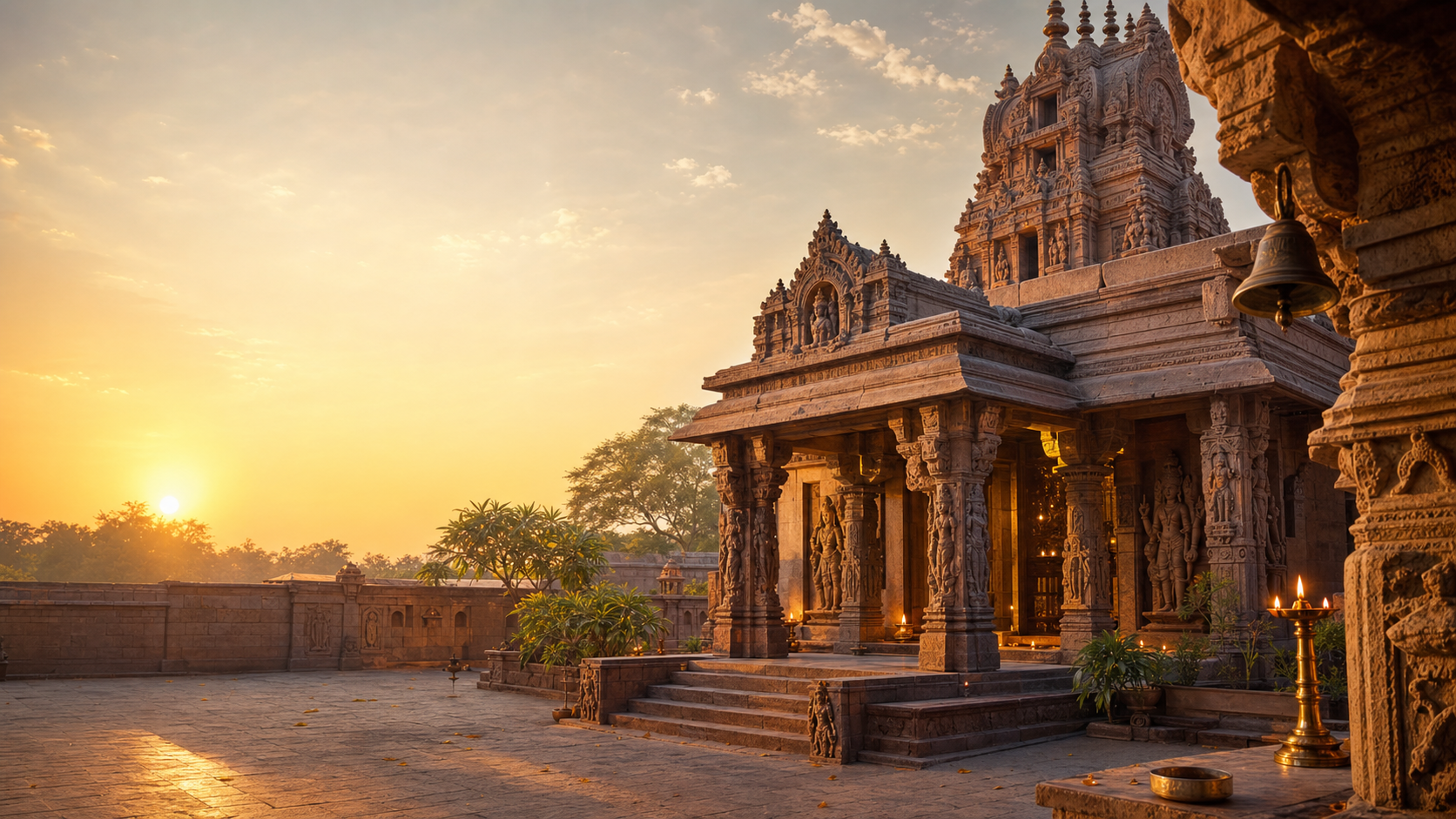
Swaminarayan temples are renowned for their distinctive Neo-traditional Hindu architecture, blending ancient design principles with post-classical Gujarati temple aesthetics. They often feature elaborate carvings in Burma teak, marble, and stone, depicting deities, mythological narratives, and intricate floral patterns. While adhering to traditional _shilpa shastra_ (architectural treatises), modern Swaminarayan mandirs also incorporate contemporary engineering and materials, creating structures that are both visually stunning and spiritually resonant. The craftsmanship reflects centuries of artistic heritage.
Traditional Design Elements
Temples typically incorporate _shikharas_ (spires), _mandapas_ (halls), and _garbhagrihas_ (sanctum sanctorum), all adorned with detailed sculptures and motifs inspired by Hindu iconography.
Material and Craftsmanship
Common materials include Burma teak for wooden elements, and various types of marble and stone for facades and interiors, meticulously hand-carved by skilled artisans.
Modern Adaptations
While rooted in tradition, newer temples often integrate modern construction techniques and facilities, ensuring durability and accessibility while maintaining aesthetic integrity.
Cultural Impact and Community Engagement
The Swaminarayan Temple in Gujarat has profoundly shaped the cultural landscape of its immediate surroundings, serving as a vibrant hub that transcends its religious function. Its presence has fostered a unique blend of spiritual devotion and traditional artistry, influencing local music, dance forms, and artisanal crafts. Many festivals celebrated at the temple, such as Janmashtami or the Swaminarayan Jayanti, become community-wide events, drawing participation from devotees and non-devotees alike, strengthening social bonds and preserving regional customs. Local artisans often find inspiration and patronage through the temple, creating intricate carvings, devotional paintings, and textiles that reflect the temple's iconography and philosophical tenets. This symbiotic relationship ensures that the temple remains not just a place of worship but a living repository of Gujarati cultural heritage, contributing significantly to the region's identity. Beyond its local influence, the Swaminarayan Temple extends its cultural impact by actively promoting the core values of the Swaminarayan Sampraday, such as selfless service, moral living, and community harmony, to a wider audience. It often hosts educational programs, youth camps, and spiritual discourses that attract devotees from across Gujarat and even the global diaspora, reinforcing cultural ties and spiritual understanding. The temple frequently engages in various charitable initiatives, including disaster relief, healthcare camps, and educational support, embodying the Sampraday's commitment to social welfare. Furthermore, it serves as a significant cultural touchstone for Gujaratis living abroad, offering a connection to their roots and a spiritual home during visits. This expansive outreach solidifies the temple's role as a vital institution for cultural preservation and the propagation of universal human values.Experiencing a Swaminarayan Temple: A Visitor's Guide
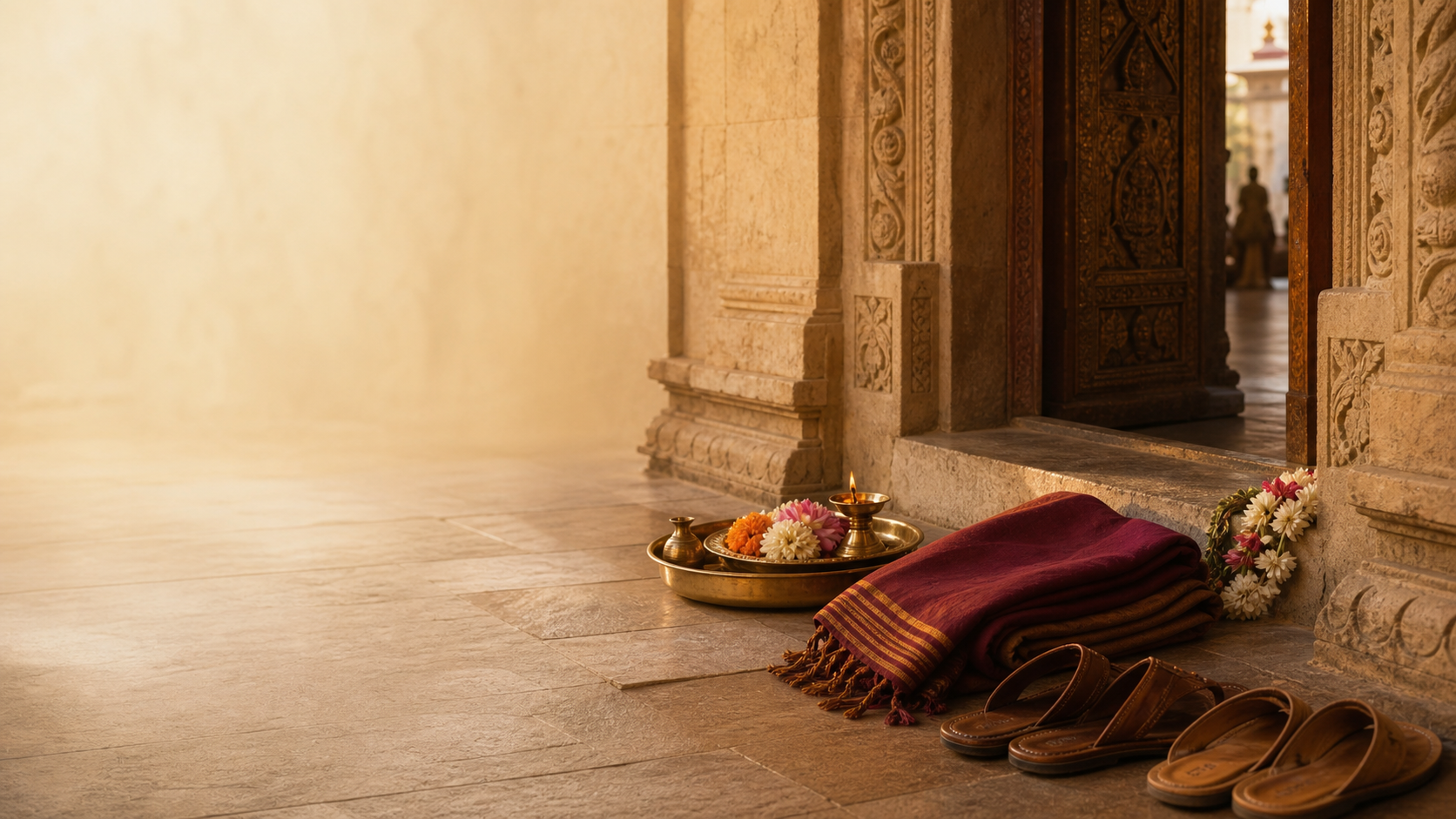
Visiting a Swaminarayan temple offers a rich cultural and spiritual experience. To ensure a meaningful visit, observe the modest dress code and remove footwear before entering the shrine area. While specific timings for _darshan_ (viewing of deities) and _aarti_ vary, the best time to visit is generally from October to March, offering pleasant weather. Temples often provide guided tours, access to exhibitions, and opportunities to partake in community meals (_prasad_).
Dress Code and Etiquette
Visitors are requested to wear modest clothing, covering shoulders and knees. Photography may be restricted in certain areas, and silence is encouraged within the main shrine.
Darshan and Aarti Timings
Daily _darshan_ is available throughout the day, with specific _aarti_ ceremonies held in the morning, noon, and evening. It is advisable to contact the temple office for precise schedules.
Engaging with the Community
Many temples offer opportunities to learn about the faith through information centers, participate in cultural programs, and enjoy vegetarian meals at the temple canteen.
| Deity | Harikrishna Maharaj |
|---|---|
| Form | Harikrishna Maharaj is an anthropomorphic murti, representing Swaminarayan's own consecrated and self-manifested form, often depicted in Krishna-based forms. |
| Consort | Unknown |
| Sampradaya | Swaminarayan Sampraday |
| Significance | As the self-manifested form of Swaminarayan, the founder of the Swaminarayan Sampraday, Harikrishna Maharaj is worshipped as a central deity in some of these temples, embodying the spiritual presence of Swaminarayan himself. |
The Vision of Nine Temples
In the early 19th century, between 1822 and 1828, Bhagwan Swaminarayan envisioned and personally established nine magnificent temples across Gujarat. These sacred centers were not merely structures but vibrant hubs for devotion, scriptural study, social service, and satsang. Swaminarayan himself meticulously oversaw every installation, often accepting generous land donations from devoted followers like Joban Pagi in Vadtal and Dada Khachar in Gadhada. He even lent his own hands to construction, famously assisting in lifting stones at Gadhada. Through these mandirs, he institutionalised a profound theology that championed devotion (bhakti) as the paramount path, offering divine presence through the consecrated murtis, making spiritual accessibility a cornerstone of his tradition.
Through these mandirs, he institutionalised a profound theology that championed devotion (bhakti) as the paramount path, offering divine presence through the consecrated murtis.
His devotion culminated in a remarkable act of generosity: he donated the very land upon which the revered Vadtal temple now stands.
Related temples: Baba Balak Nath | Bahrot Caves
The Global Legacy of Swaminarayan Temples
Swaminarayan temples, originating from Gujarat, have evolved into significant spiritual and cultural centers worldwide. They serve as vibrant hubs for devotion, community engagement, and the preservation of Hindu traditions. These mandirs foster spiritual growth, offer educational programs, and provide humanitarian services, extending their influence far beyond their physical structures. Their global presence underscores the enduring appeal and universal message of the Swaminarayan Sampraday, uniting devotees across continents and promoting a sense of shared heritage and spiritual belonging.
Centers of Devotion
Each temple is primarily a place of worship, where devotees perform _darshan_ (sacred viewing) of the murtis, engage in _bhajans_ (devotional songs), and participate in _aartis_ (ritual of light).
Community and Culture
Beyond worship, temples host cultural events, language classes, and youth activities, serving as vital community anchors for the diaspora and local followers.
Humanitarian Outreach
Many Swaminarayan temples are actively involved in charitable initiatives, including disaster relief, healthcare, and educational support, reflecting the sampraday's commitment to social welfare.
From Gujarat to Global Presence: The Swaminarayan Movement's Journey
The Swaminarayan Sampraday began in Gujarat in the early 19th century with Bhagwan Swaminarayan (Sahajanand Swami). He established nine original temples between 1822 and 1828, starting a profound spiritual movement. The first temple was consecrated in Ahmedabad in 1822. From these foundational sites, the tradition expanded rapidly within India and then globally, propelled by dedicated followers and spiritual leaders. Today, Swaminarayan temples are found on every continent, embodying a journey from regional roots to a worldwide spiritual phenomenon.
Foundational Temples
Swaminarayan himself oversaw the construction and consecration of nine temples in Gujarat, including those in Ahmedabad, Vadtal, and Gadhada, which served as the bedrock of the sampraday.
Early Expansion in India
Following Swaminarayan's lifetime, his spiritual successors and disciples continued to spread his teachings, leading to the establishment of numerous new temples and centers across India.
Global Diaspora and Growth
The 20th century witnessed significant global migration of devotees, leading to the establishment of Swaminarayan temples in the UK, USA, Africa, and Australia, serving the diaspora and attracting new followers.
Worship and Philosophy: Understanding Swaminarayan Devotion
Within the Swaminarayan Sampraday, Bhagwan Swaminarayan is revered as the supreme deity, the ultimate form of God. Devotion, or _bhakti_, is central to the tradition, emphasizing heartfelt worship and surrender. Practices include daily _darshan_ of consecrated murtis, _aarti_, _kirtan_ (devotional singing), and _kathas_ (discourses). A key devotional act is _pradakshina_ (circumambulation) around the shrine, performed by worshipers to show reverence and absorb spiritual energy. This tradition champions a path of devotion accessible to all.
Swaminarayan as Supreme
Followers believe Swaminarayan is the manifestation of Parabrahman (the Supreme Reality), and worship Him alongside other traditional Hindu deities, often in dual forms like Radha Krishna or Lakshmi Narayana.
Devotional Practices
Daily worship involves offering prayers, meditating on the divine form, and participating in congregational services that include chanting and listening to sacred texts.
Significance of Circumambulation
_Pradakshina_ is a symbolic act of acknowledging the deity as the center of one's existence, performed clockwise around the main shrine, often multiple times, to accumulate spiritual merit.
🗺 How to Reach
Hover a card to animate the journey on the map
Route to Dixadham Piplana
Common Questions
Where is Swaminarayan Temple: Architectural Splendor in Piplana located?
Swaminarayan Temple: Architectural Splendor in Piplana is documented at Dixadham Piplana, Gujarat.
Which deity is associated with Swaminarayan Temple: Architectural Splendor in Piplana?
Swaminarayan Temple: Architectural Splendor in Piplana is associated with Allow Worshipers To Circumambulate The Shrine.
Related Temples


A Living Covenant