A complete pilgrim record drawn from the existing published article data.
The allure of a spiritual journey often calls for introspection and personal discovery. Solo temple pilgrimages offer a unique path for independent travelers seeking profound experiences in sacred landscapes.
Uttarakhand, with its revered Himalayan shrines, presents an ideal destination for such solitary quests, provided careful planning and safety measures are observed.
History & Foundation
Pilgrimage, known as Tirtha Yatra, has been a cornerstone of spiritual practice in India for millennia. These sacred journeys are undertaken for purification, merit, and divine connection.
The Himalayan region, particularly Uttarakhand, holds immense historical significance as the abode of numerous revered sites, drawing seekers from across the globe.
The Ancient Call of Pilgrimage
From ancient times, individuals have embarked on solitary journeys to sacred sites. This tradition is rooted in the belief that personal suffering and spiritual seeking can be transformed through arduous travel to holy places. The very act of pilgrimage is considered a form of devotion.
These routes, often challenging, fostered resilience and deep spiritual contemplation. Early texts detail the spiritual benefits of traversing mountains and forests to reach divine abodes.

Uttarakhand's Spiritual Legacy
Uttarakhand, often called 'Devbhumi' (Land of the Gods), is steeped in spiritual history. Its mountains and rivers are considered sacred, mentioned in ancient scriptures. The region's spiritual legacy makes it a prime destination for those seeking a profound solo experience.
The establishment of various pilgrimage circuits over centuries underscores its importance. These paths have witnessed countless individual spiritual quests.
Timeline of Pilgrimage Significance
- Ancient Times: Establishment of Himalayan pilgrimage routes.
- Medieval Era: Development of temple complexes and pilgrim infrastructure.
- Modern Era: Continued spiritual importance, evolving travel methods.

Architecture & Deity
Temples in Uttarakhand often reflect a distinct regional architectural style, harmonizing with the natural mountain environment. While specific deities vary by temple, the overarching spiritual focus remains consistent across pilgrimage sites.
Architectural Diversity
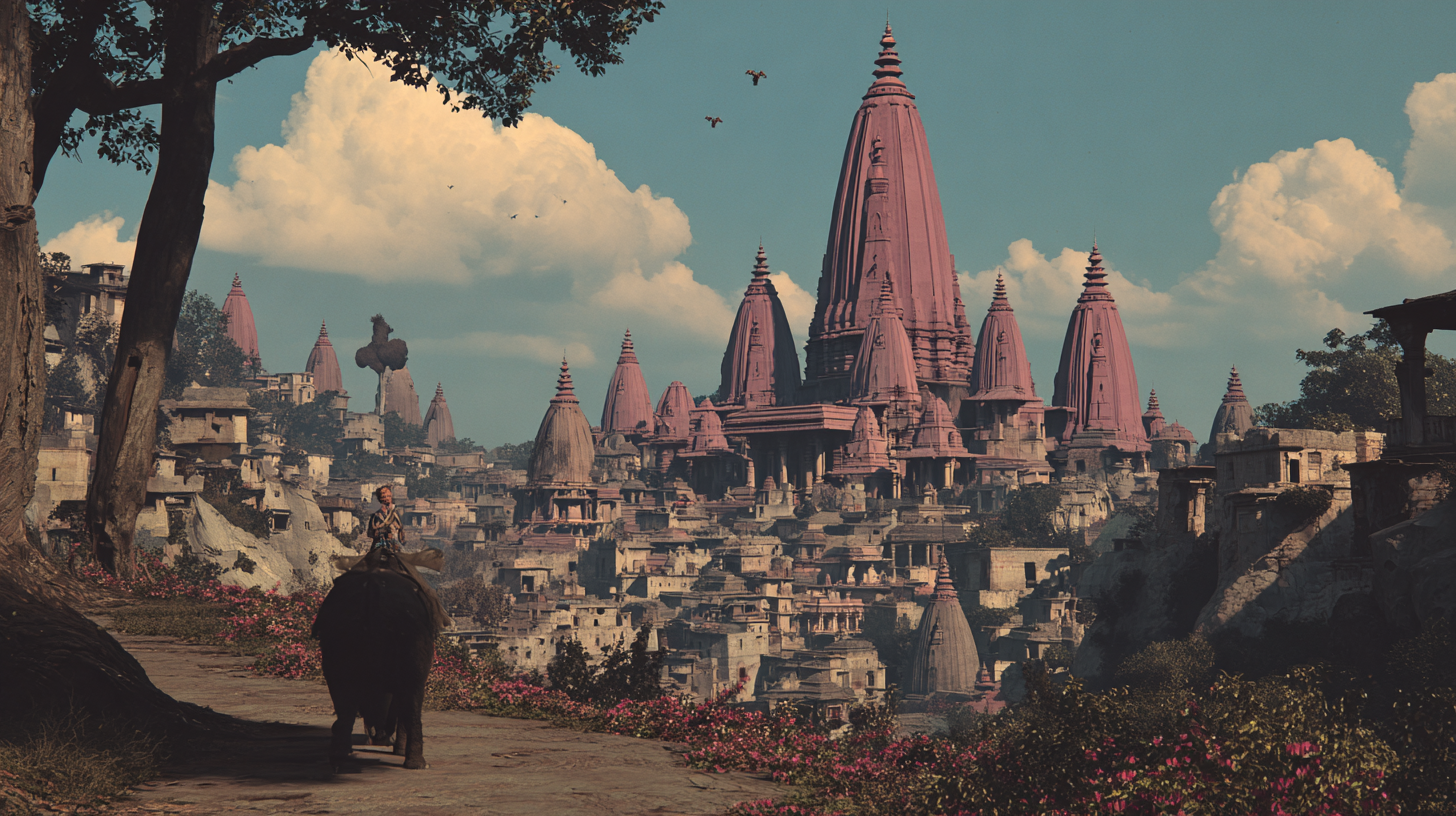
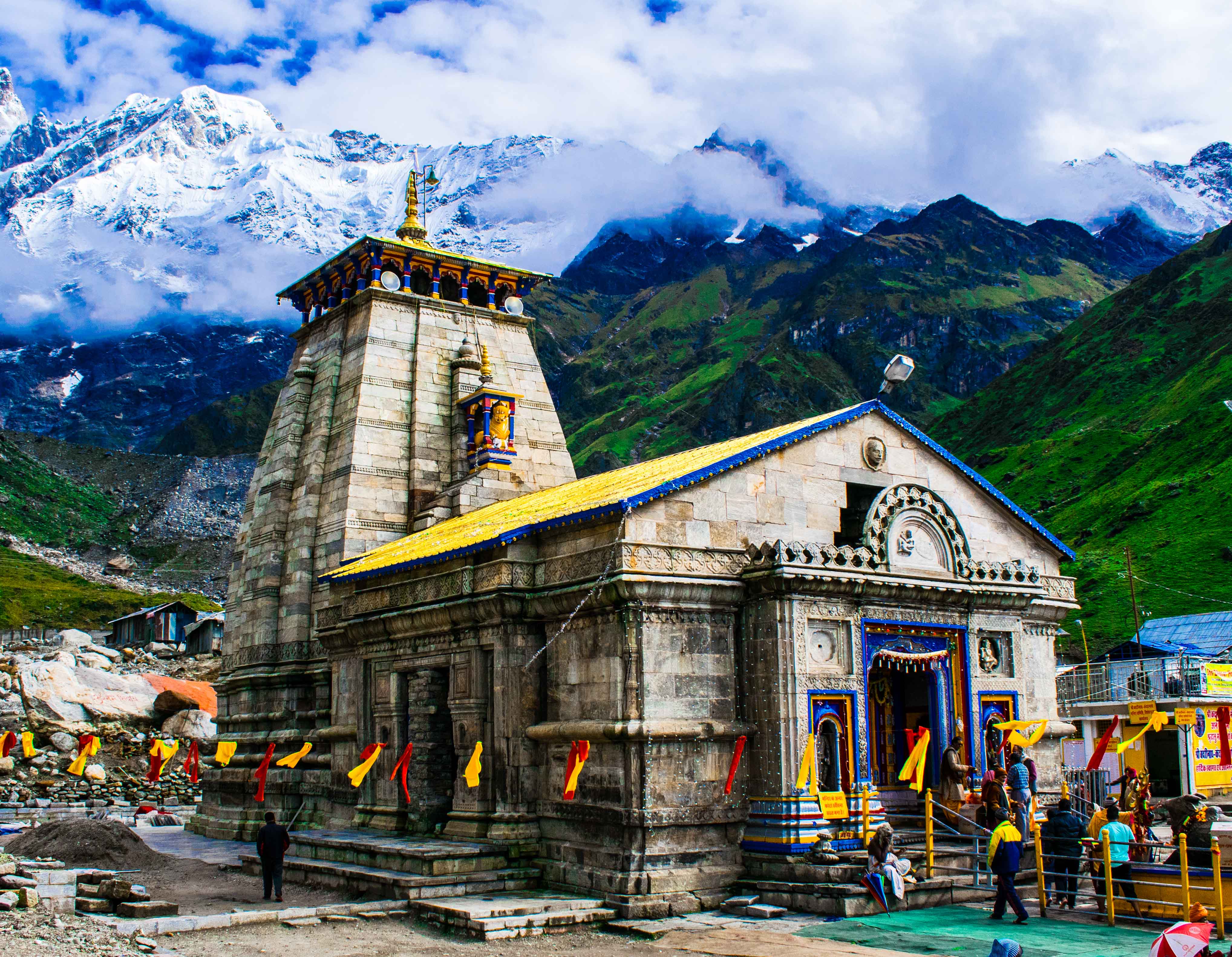
Uttarakhand's temples showcase diverse architectural forms, often utilizing local stone and wood. Styles range from simple mountain shrines to elaborate complexes, frequently featuring tiered roofs and intricate carvings. These structures are designed to inspire reverence and connect with the divine.
Many temples are strategically located amidst breathtaking natural beauty, enhancing the pilgrim's experience. The construction often integrates local materials and traditional building techniques passed down through generations.

The Spiritual Focus
While specific deities like Shiva, Vishnu, or Devi are worshipped, the core of a pilgrimage is often a quest for inner peace and spiritual connection. For solo travelers, this focus becomes even more pronounced.
The journey itself becomes an act of devotion, with the deity serving as a focal point for meditation and prayer. The divine presence is felt not just within the temple, but throughout the sacred landscape.
Pilgrimage Focus
Primary Goal: Spiritual purification and self-realization.
Associated Concepts: Devotion (Bhakti), knowledge (Jnana), action (Karma).
Symbolism: The journey mirrors life's challenges and triumphs.

Festivals & Traditions
While the knowledge data indicates no specific major festivals, solo pilgrims often observe personal traditions and rituals. The focus shifts from communal celebrations to individual spiritual practices.
The Pilgrim's Path
For solo travelers, the pilgrimage itself is a continuous ritual. Each step, each prayer, and each moment of reflection forms part of their personal tradition. They may choose to visit during quieter periods, avoiding large crowds associated with major festivals.
This allows for a more intimate and focused spiritual experience. The absence of specific major festivals for solo travelers emphasizes individual devotion.
"In solitude, the soul finds its truest voice."

Embracing Solitude
Solo pilgrimages inherently embrace solitude, fostering deep introspection and self-reliance. Traditions might include silent contemplation, specific mantra recitation, or personal offerings at shrines.
The journey becomes a meditative practice, unburdened by external distractions. This unique approach allows for profound spiritual insights and a stronger connection to the self and the divine.
Visiting the Temple
Planning is paramount for safe and fulfilling solo temple pilgrimages in Uttarakhand. Independent travelers must prioritize research, safety, and preparedness to navigate the region effectively.
Planning Your Safe Route
Thorough research into routes, weather conditions, and local customs is essential. Consider hiring local guides for remote sections or consulting local authorities for up-to-date information. Always inform someone of your itinerary.
Obtain necessary permits if venturing into restricted areas. Pack appropriately for varying altitudes and weather. For more general travel tips, see our article on Travel Essentials for India.
Pro-Tip for Solo Travelers
Always carry a fully charged power bank, a reliable map (offline options), and emergency contact information. Learn basic local phrases.

Essential Safety Measures
Safety is non-negotiable for solo pilgrims. Share your location with trusted contacts, avoid traveling alone after dark, and trust your instincts. Stay hydrated and be aware of altitude sickness symptoms.
Carry a basic first-aid kit and any necessary medications. Local emergency numbers should be readily accessible.
Key Takeaway
Preparation and awareness are your best companions on a solo pilgrimage.
90% of solo pilgrims report enhanced self-reliance and spiritual growth.
Definition: Pilgrimage
A journey, especially a long one, made to a sacred place as an act of religious devotion.


Sacred Stories
Every pilgrimage route and sacred site is imbued with narratives that inspire and guide devotees. These stories, often drawn from ancient epics and Puranas, lend profound meaning to the physical journey.
Narratives of Devotion
Sacred stories recount the deeds of gods, goddesses, and saints, often detailing their presence or significant events at specific locations. These tales transform geographical points into spiritual landmarks, motivating pilgrims to undertake arduous journeys.
For solo travelers, these narratives provide a rich internal landscape, deepening their personal connection to the sites visited. They serve as a spiritual compass.
The Pilgrim's Inner Narrative
Pilgrimage is often seen as a personal epic, a journey where the individual confronts challenges and seeks divine grace, much like the heroes of ancient tales.

Personal Transformation
The act of pilgrimage, fueled by these sacred stories, is believed to lead to personal transformation. It is a journey of self-discovery, shedding worldly attachments and fostering spiritual growth.
Solo pilgrims often find these narratives resonate deeply, offering comfort and guidance in their solitary quest. The journey becomes a metaphor for life's spiritual path.
"The journey itself is the prayer, the path a meditation."

🗺 How to Reach
Hover a card to animate the journey on the map
Route to Solo Temple Pilgrimages: Safe Routes for Independent Travelers
Related Temples

A Living Covenant