A complete pilgrim record drawn from the existing published article data.
Tracing the Ancient Roots of Badrinath
The history of Badrinath Temple is deeply interwoven with ancient spiritual traditions and dynastic patronage. While its origins are believed to be Vedic or early historic, its spiritual significance was prominently revived and formalized by Adi Shankara in the 9th century CE. The temple has undergone numerous reconstructions, notably by the Kings of Garhwal in the 17th century and a significant rebuild by the King of Jaipur after a devastating earthquake in 1803. This continuous stewardship by various rulers and spiritual leaders has ensured its enduring sanctity.
Ancient Origins and Revival
The original shrine's history is ancient, possibly dating back to Vedic times. Adi Shankara is credited with rediscovering the idol and re-establishing the temple's spiritual practices in the 9th century CE, formalizing its place in Hindu pilgrimage.
Dynastic Patronage
The temple received significant patronage from the Parmar dynasty of the Garhwal Kingdom, who served as hereditary custodians. Later, the King of Jaipur played a crucial role in its reconstruction following the 1803 earthquake, ensuring its preservation.
Reconstructions Through Centuries
Major rebuilding efforts in the 17th century by Garhwal kings and subsequent renovations in the late 19th century under British-era administration reflect a continuous commitment to maintaining this sacred site through various eras.
The Unique Architecture of Badrinath
Badrinath Temple showcases a distinctive Himalayan/Nagara-influenced hybrid architectural style, reflecting its mountainous location and rich spiritual heritage. Constructed primarily from durable black stone, granite, and stone masonry, the temple's design integrates elements suited to the challenging Himalayan environment. The iconic black stone (Shaligram) idol of Lord Vishnu, central to its worship, further defines its unique aesthetic and spiritual identity, differentiating it from many other classical temple forms.
Himalayan-Nagara Synthesis
The architectural style is a blend, incorporating traditional Nagara elements with adaptations necessary for the Himalayan terrain, resulting in a robust yet aesthetically pleasing structure.
Construction Materials
The temple is predominantly built using local black stone, granite, and stone masonry, materials chosen for their durability and availability in the mountainous region, ensuring its resilience against harsh weather.
Distinctive Idol
A key architectural and spiritual feature is the main deity, Lord Vishnu, carved from a black Shaligram stone, depicted in a meditative padmasana posture. This idol is central to the temple's unique identity.
Lord Vishnu: The Presiding Deity and Sacred Legends
Lord Vishnu is the presiding deity of Badrinath Temple, revered in his meditative padmasana posture. This sacred site is considered a 'svayam vyakta kshetra,' a self-manifested abode, signifying its inherent divinity. Ancient legends deeply intertwine with the temple's origins. One prominent story recounts Goddess Lakshmi transforming into the Badri tree to shield Vishnu during his intense penance from the harsh cold, giving the place its name. Another narrates how the divine sages Nara and Narayana, manifestations of Vishnu, performed rigorous austerities here for the welfare of all beings, imbuing the land with profound sanctity.
Vishnu's Divine Abode
Badrinath is primarily dedicated to Lord Vishnu, who is worshipped in a unique meditative posture. This form of the deity is believed to be self-manifested, making it a 'svayam vyakta kshetra'.
The Legend of Lakshmi and the Badri Tree
The temple's name, Badrinath, originates from the legend where Goddess Lakshmi, in the form of a Badri (jujube) tree, provided shelter and warmth to Lord Vishnu during his severe penance in the Himalayas.
Nara and Narayana's Penance
The Bhagavata Purana identifies Badrikashram as the site where the twin sages Nara and Narayana, believed to be incarnations of Vishnu, undertook profound penance for the salvation and welfare of the cosmos.
The Enduring Spiritual Legacy of Badrinath
Badrinath holds an enduring spiritual legacy as a pivotal site within both the Char Dham pilgrimage circuit and the Divya Desam tradition. Its sanctity was profoundly established by influential saints like Adi Shankara in the 9th century, who formalized its rituals and spiritual practices. The temple's glory was also celebrated in the Naalayira Divya Prabandham by the Alvars, including Perialvar and Thirumangai Alvar, between the 7th and 9th centuries CE. This rich heritage continues to attract Vaishnava devotees globally, affirming its status as a beacon of faith and devotion for centuries.
A Pillar of Char Dham
As one of the four cardinal points of the Char Dham pilgrimage, Badrinath represents a crucial spiritual journey for Hindus, believed to grant liberation and spiritual merit.
Divya Desam Significance
The temple's inclusion in the Divya Desam list, due to the hymns composed by the Alvars, elevates its status as a most sacred abode of Vishnu within the South Indian Vaishnava tradition.
Influence of Saints
The spiritual foundation of Badrinath was significantly strengthened by the efforts of Adi Shankara, who revived its importance, and the Alvars, whose devotional poetry immortalized its sanctity.
| Deity | Badrinarayana |
|---|---|
| Form | Badrinarayana is a self-manifested Shaligram form of Vishnu, depicted seated in padmasana. He holds a conch and chakra, with other arms in yogamudra, a rare depiction. |
| Consort | Badridevi (Lakshmi) |
| Sampradaya | Vaishnava |
| Significance | Vishnu meditated here in austerity, protected by Lakshmi as the Badri tree, leading to the name Badrika Ashrama. This site is a svayam vyakta kshetra, a self-manifested form of Vishnu, and a vital pilgrimage destination within the Char Dham. |
The Divine Shelter of Lakshmi
Long ago, Lord Vishnu performed intense austerity in the Himalayas. The harsh cold threatened his penance. Goddess Lakshmi, in profound devotion, transformed into the Badri tree (jujube), shielding Vishnu from the elements and providing warmth. Touched by her sacrifice, Vishnu named this sacred ground Badrika Ashrama, honoring Lakshmi's nurturing presence and making it a testament to her unwavering devotion and the divine protection she offered.
In the sacred Himalayas, Lord Vishnu undertook intense penance, and Goddess Lakshmi, transforming into the Badri tree, lovingly shielded him from the harsh elements, giving this holy place its name.
Badrinath is a revered Svayam Vyakta Kshetra, a self-manifested form of Vishnu, making it an essential and vital pilgrimage destination for spiritual seekers.
Related temples: Abeyadana Temple | Adi Kesava Perumal temple
Planning Your Sacred Journey to Badrinath
Planning a pilgrimage to Badrinath requires careful consideration due to its high-altitude Himalayan location and seasonal accessibility. The temple is typically open from late April to early November, closing during the winter months due to heavy snow. Pilgrims can reach Badrinath via bus services, primarily from Joshimath, which is connected to major cities like Haridwar and Rishikesh. Rishikesh serves as the nearest railway station, while Jolly Grant Airport in Dehradun is the closest airport. Modest attire is required for entry, and a customary bath in the Tapt Kund hot springs before darshan is considered sacred.
Accessibility and Travel
Badrinath is accessible by road, with regular bus services from Joshimath. Rishikesh Railway Station is 235 km away, and Jolly Grant Airport in Dehradun is 295 km away, offering connections to major Indian cities.
Best Time to Visit
The temple is open for pilgrims from late April to early November. This period, typically from late spring to autumn, offers the most favorable weather conditions for travel and darshan.
Pilgrim Etiquette and Rituals
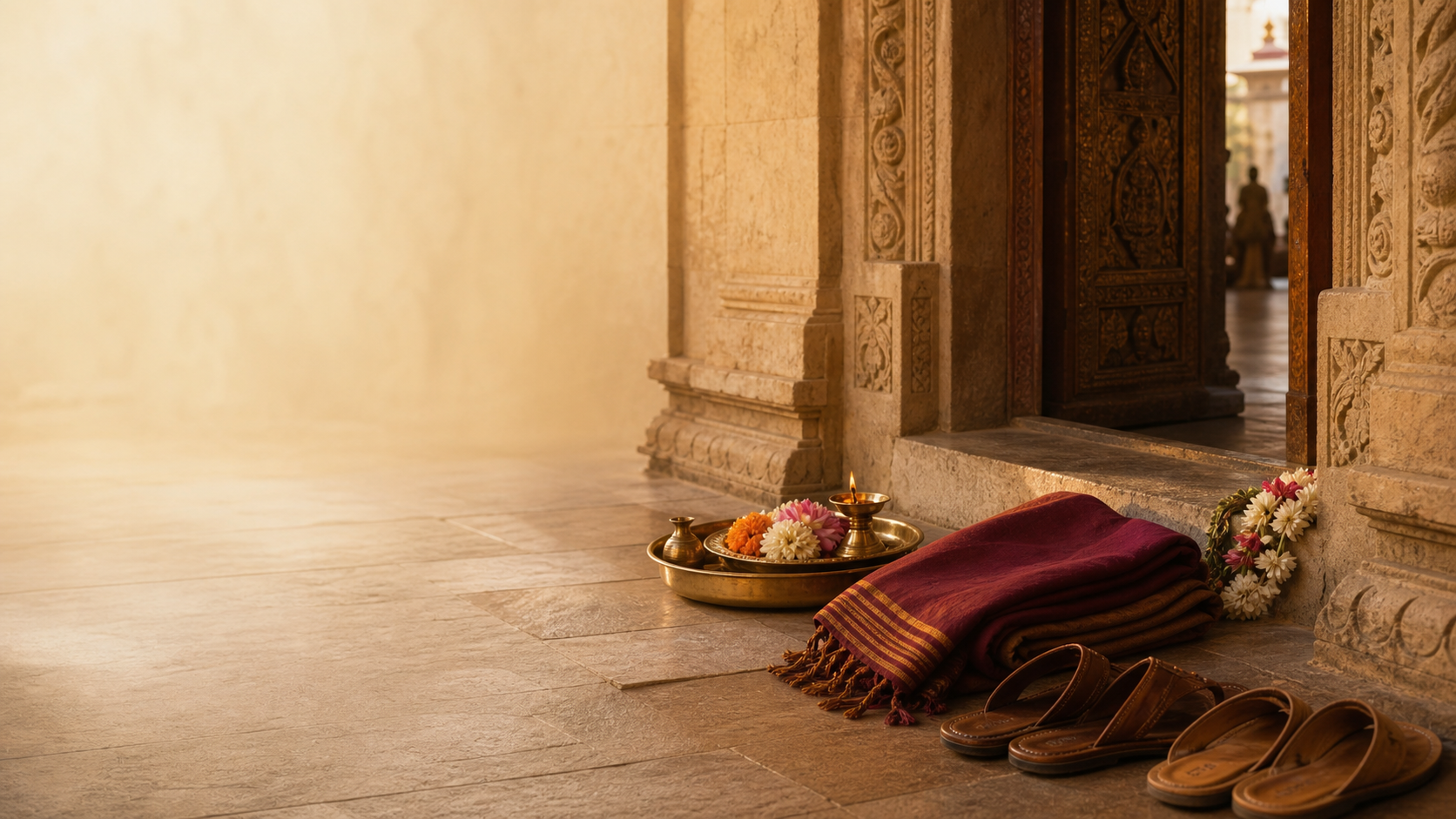
Visitors must observe a modest dress code and remove footwear before entering. A traditional ritual includes bathing in the Tapt Kund, a natural hot spring, before proceeding for darshan of the deity.
Badrinath Temple: A Sacred Abode in the Himalayas
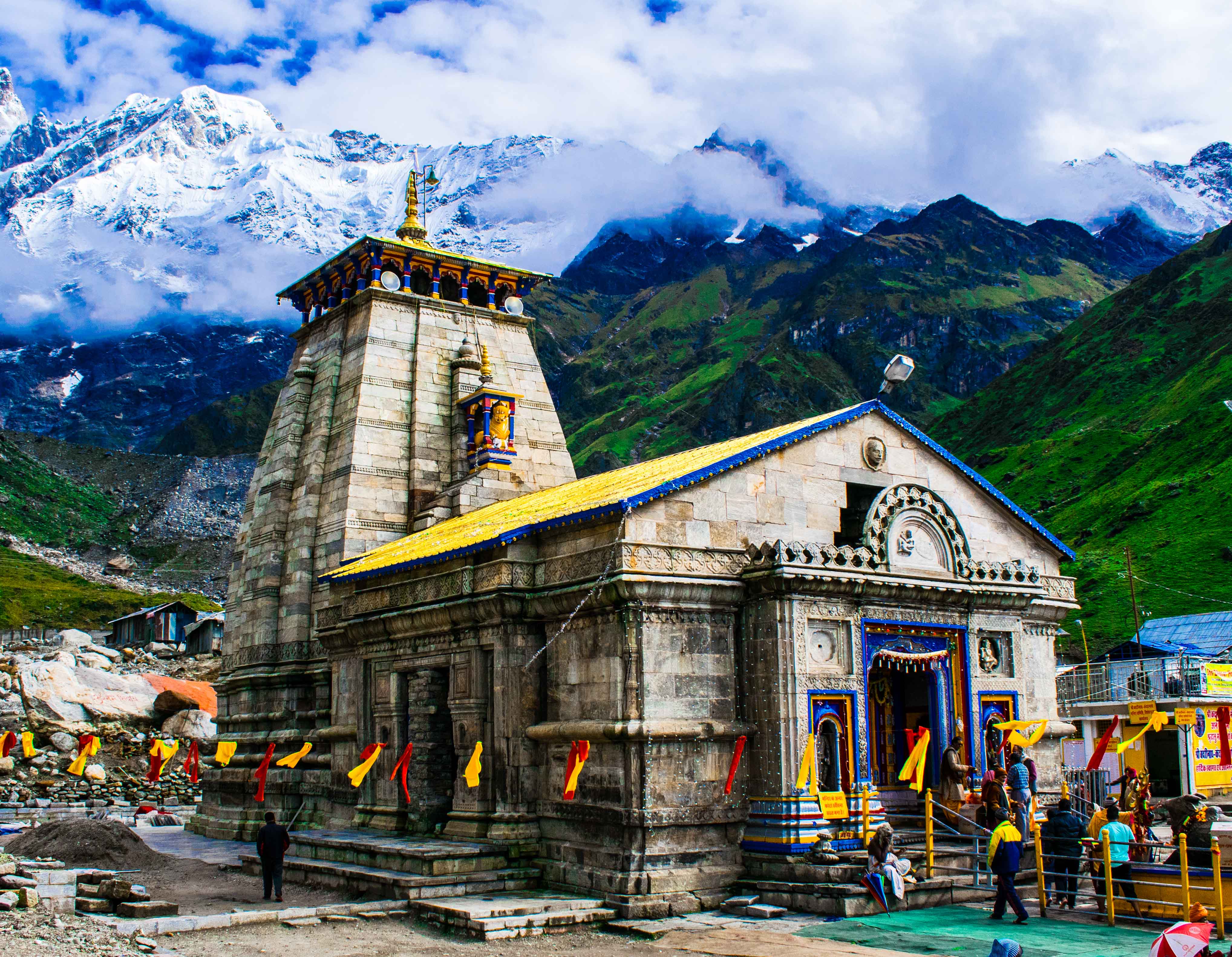
Badrinath Temple, nestled in the majestic Garhwal Himalayas of Uttarakhand, stands as one of India's most revered pilgrimage destinations. This paramount Vaishnava shrine is dedicated to Lord Vishnu and is a cornerstone of the sacred Char Dham Yatra. Its breathtaking high-altitude setting, surrounded by snow-capped peaks and the Alaknanda River, profoundly enhances its spiritual allure. As a Divya Desam, it holds immense significance for devotees, drawing countless pilgrims seeking divine blessings and solace in its serene environment.
Himalayan Setting
The temple's location in the Chamoli district of Uttarakhand, at an elevation of approximately 3,300 meters, offers a spectacular natural backdrop of mountains and rivers, contributing to its profound spiritual atmosphere.
Char Dham and Divya Desam Status
Badrinath is a vital part of the Char Dham pilgrimage circuit and is revered as one of the 108 Divya Desams, the holy abodes of Vishnu glorified by the Alvars, underscoring its pan-Indian spiritual importance.
Vaishnava Tradition
The temple is a central hub for the Vaishnava tradition, dedicated to Lord Vishnu. The presiding deity is worshipped in a meditative posture, signifying deep spiritual contemplation and peace.
🗺 How to Reach
Hover a card to animate the journey on the map
Route to Temple
Common Questions
Where is Badrinath Temple: Vishnu's Himalayan Divya Desam located?
Badrinath Temple: Vishnu's Himalayan Divya Desam is documented at Uttarakhand, India.
Which deity is associated with Badrinath Temple: Vishnu's Himalayan Divya Desam?
Badrinath Temple: Vishnu's Himalayan Divya Desam is associated with Vishnu.
Related Temples


A Living Covenant