



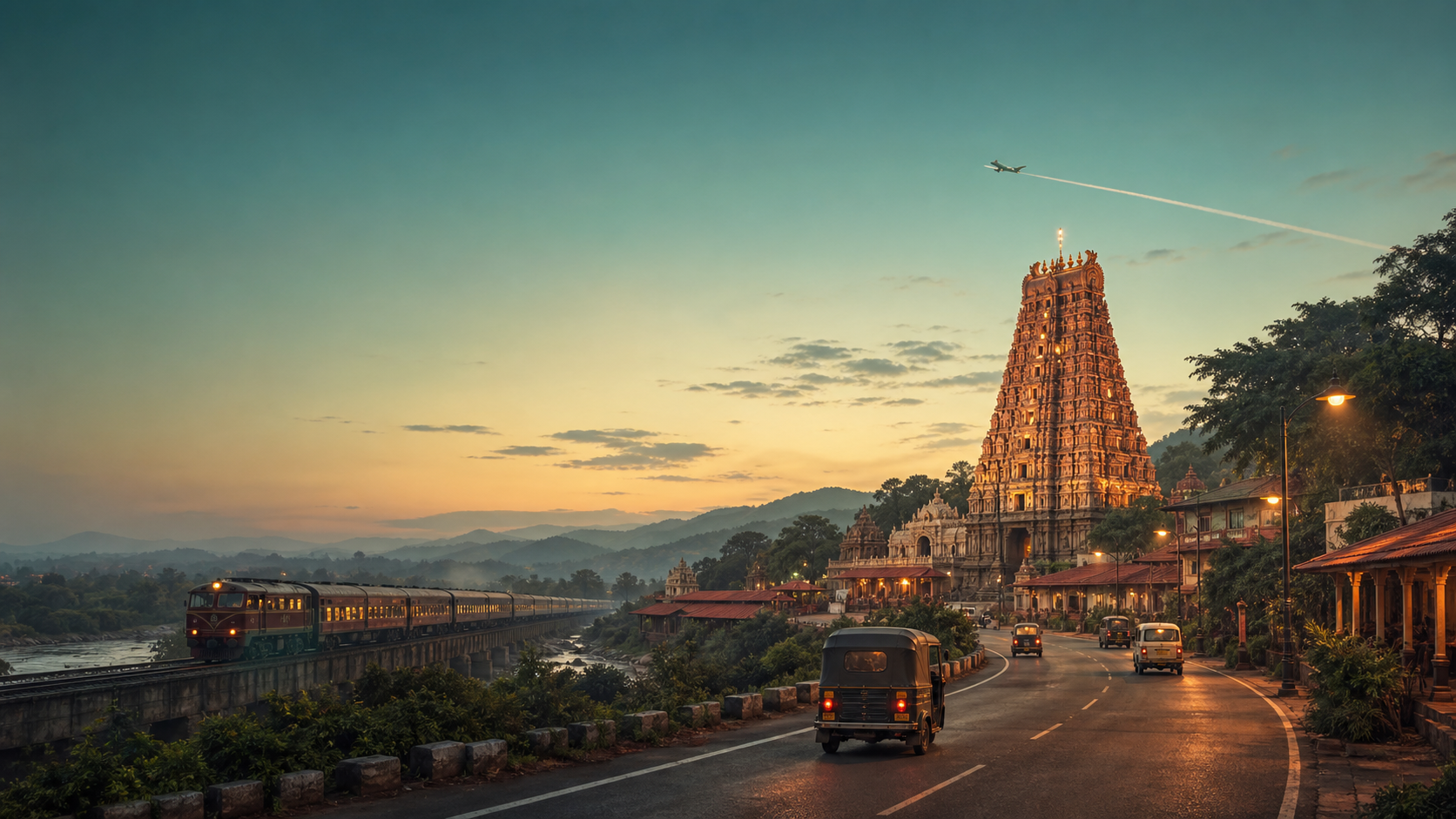
A complete pilgrim record drawn from the existing published article data.
Roots of Faith: The Ancient Traditions of Meghalaya's Temples
The temple worship and festival celebrations in Meghalaya are deeply rooted in the animistic beliefs and indigenous practices of its various communities, particularly the Khasi, Garo, and Jaintia tribes. These traditions predate many organized religions, evolving from a profound respect for nature, ancestral spirits, and a pantheon of local deities. Over centuries, these practices have been meticulously passed down through generations, ensuring the continuity of unique rites, oral histories, and ceremonial arts that define Meghalaya's spiritual identity.
Indigenous Origins
The spiritual practices of Meghalaya's indigenous communities are ancient, stemming from animistic reverence for natural elements and a strong connection to ancestral wisdom.
Enduring Practices
Despite external influences, many traditional rituals, chants, and community gatherings have endured, maintaining their original forms and significance within temple worship.
Discovering the Sacred Festivals of Meghalaya
Meghalaya, the "Abode of Clouds," is a land rich in spiritual heritage, where ancient traditions intertwine with vibrant community life. Its temples, though often modest in structure, serve as powerful centers for devotion and cultural expression. The sacred festivals celebrated here are not merely religious observances but are integral to the social fabric, preserving indigenous beliefs and fostering a deep connection to the land and its spiritual guardians. These events offer a unique window into the state's profound cultural identity, showcasing a blend of reverence and communal joy.
Spiritual Landscape
Meghalaya's spiritual landscape is characterized by a reverence for nature and ancestral spirits, manifested through unique temple practices distinct from mainstream traditions.
Cultural Cornerstones
Festivals act as vital cultural cornerstones, bringing communities together to celebrate harvests, honor deities, and reinforce social bonds through shared rituals and festivities.
Experiencing the Divine: Practical Tips for Visiting Meghalaya's Temple Festivals
Visitors planning to experience Meghalaya's sacred festivals should aim for the cooler, drier months from October to April for the most comfortable travel. Respecting local customs is paramount; modest dress is advisable, and always seek permission before photographing individuals or sacred rituals. While specific temple information may require contacting local offices, general transportation to Shillong is available via Guwahati Railway Station (approx. 120 km) or Shillong Airport (approx. 30 km). Booking accommodations in advance, especially during major festival periods, is highly recommended.
Best Time to Visit
The period from October to April offers pleasant weather, making it ideal for attending festivals and exploring Meghalaya's natural beauty.
Local Customs and Etiquette
Always observe local traditions, dress modestly, and be respectful of sacred spaces and community practices, particularly during religious ceremonies.
Travel and Accommodation
Plan transportation to Shillong via Guwahati or Shillong Airport and book accommodations well in advance, especially during peak festival seasons.
| Deity | Multiple Deities |
|---|---|
| Form | Forms vary depending on the specific temple and festival being observed, encompassing a wide range of Hindu deities and local spiritual figures. |
| Consort | Not applicable as this refers to multiple deities across various temples. |
| Sampradaya | other |
| Significance | These temples are significant as sites for various sacred festivals, reflecting the diverse spiritual practices and cultural heritage of Meghalaya. |
Mythological Stories
No specific mythological stories or legends associated with the collective temples of Meghalaya have been provided in the available information.
In Meghalaya's sacred spaces, the divine manifests in myriad forms, celebrating the rich tapestry of faith and tradition.
Each festival at these temples weaves together devotion, community, and the ancient spirit of the land.
Related temples: ASI Protected Temples: India's Archaeological Treasures | Bahrot Caves
A Calendar of Devotion: Key Festivals and Their Spiritual Essence
Meghalaya's calendar is punctuated by a series of vibrant sacred festivals, each carrying profound spiritual significance and unique community rituals. Festivals like Shad Suk Mynsiem (Dance of the Joyful Heart) of the Khasis, Wangala (100 Drums Festival) of the Garos, and Behdeinkhlam of the Jaintias are central. These celebrations involve elaborate dances, music, offerings, and communal prayers, embodying themes of thanksgiving, purification, and appeasing deities for prosperity. They are not just spectacles but deeply spiritual journeys that unite communities in shared devotion and cultural expression.
Prominent Celebrations
Key festivals such as Shad Suk Mynsiem, Wangala, and Behdeinkhlam are pivotal, each reflecting the distinct cultural and spiritual heritage of Meghalaya's major tribes.
Rituals and Participation
These festivals feature intricate rituals, traditional music, and dance, with widespread community participation that reinforces social cohesion and spiritual connection.
Guardians of the Hills: Understanding Meghalaya's Pantheon and Sacred Rites
The temples and sacred groves of Meghalaya are dedicated to a diverse pantheon of deities, spirits, and ancestral figures, reflecting the rich mythological traditions of the region. While some traditions acknowledge a supreme creator, U Blei Nongthaw, many rituals focus on nature spirits, river deities, and forest guardians, believed to influence daily life, harvests, and well-being. Festivals often involve invoking these specific entities through ancient chants, symbolic offerings, and ceremonial dances, performed to seek blessings, avert misfortune, or express gratitude for nature's bounty.
Diverse Deities
Meghalaya's spiritual landscape honors a pantheon including a supreme creator, nature spirits, river deities, and ancestral figures, each with specific roles in community life.
Sacred Rites
Rituals during festivals involve invoking these deities through chants, offerings, and dances, performed to secure blessings, ensure prosperity, and maintain cosmic balance.
Local Cuisine & Stay
Attending a sacred festival in Meghalaya is as much a culinary journey as it is a spiritual one. The temple precincts and surrounding villages often come alive with temporary food stalls offering traditional Khasi, Garo, and Jaintia delicacies. Visitors have the unique opportunity to savor authentic dishes like Jadoh (rice cooked with meat), Doh Khlieh (pork salad), and Tungrymbai (fermented soybean paste), often prepared with fresh, locally sourced ingredients. These meals are not just sustenance; they are an integral part of the communal celebration, reflecting the region's rich agricultural heritage and distinct culinary practices. Sharing a meal with locals during a festival provides an intimate glimpse into their culture, fostering a deeper connection to the place and its people, making the overall experience truly unforgettable. For those planning to immerse themselves in the vibrant atmosphere of Meghalaya's temple festivals, securing suitable accommodation is crucial, especially given the influx of devotees and tourists. Options range from modest guesthouses and homestays in smaller villages to more established hotels in larger towns like Shillong or Jowai. Homestays, in particular, offer an invaluable opportunity to experience local hospitality firsthand, often providing insights into daily life and customs that a conventional hotel cannot. It is highly advisable to book accommodations well in advance, sometimes several months ahead, as popular festival dates lead to high demand. Consider staying close to the temple sites for convenience, but also explore options that allow for easy access to other local attractions, ensuring a comprehensive and comfortable visit.🗺 How to Reach
Hover a card to animate the journey on the map
Route to Temple
Related Temples

A Living Covenant