



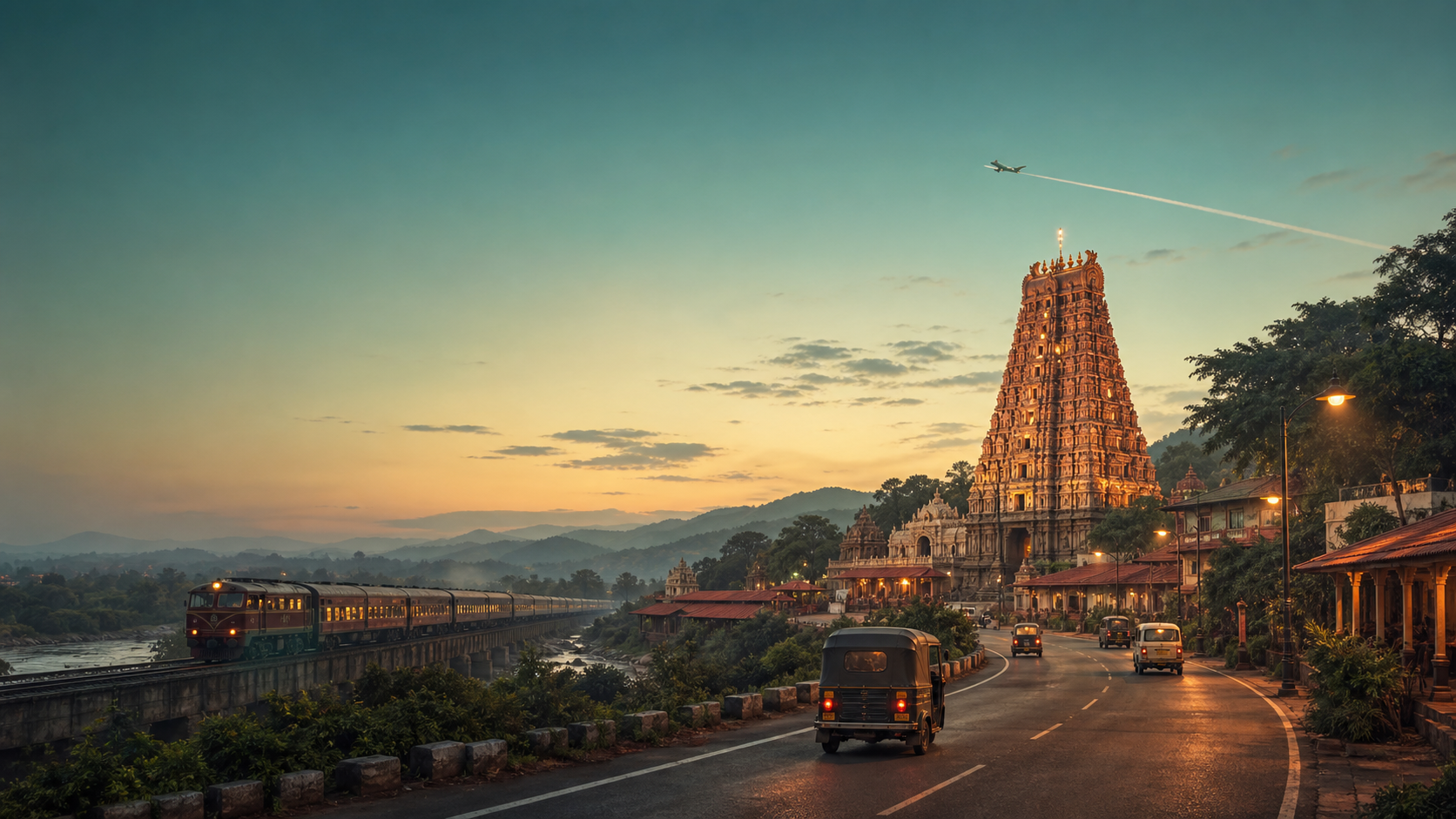
A complete pilgrim record drawn from the existing published article data.
Chhattisgarh's Ancient Roots: Temples and Their Enduring Traditions
The temples of Chhattisgarh stand as testaments to centuries of unwavering devotion, their foundations laid by various dynasties that left an indelible mark on the region's spiritual landscape. These ancient structures are not just architectural marvels but living repositories of traditions, where festival customs have evolved, yet retained their core essence over millennia. The continuous practice of rituals, hymns, and community gatherings within these sacred spaces underscores a profound connection to the past, shaping the unique spiritual identity of Chhattisgarh's people and their vibrant festival culture.
Dynastic Influences on Temple Culture
Various historical dynasties contributed to the construction and patronage of temples, influencing the specific deities revered and the festival practices observed today.
Evolution of Festival Customs
While ancient rituals form the bedrock, many festival customs have adapted over time, reflecting societal changes while preserving their spiritual core.
The Living Heritage
The continuous worship and celebration within these temples highlight their role as active centers of spiritual life, connecting past and present generations.
Stones of Devotion: The Architecture that Frames Chhattisgarh's Festivals
The temples of Chhattisgarh showcase a variety of distinctive architectural styles, from early brick structures to later stone edifices, each providing a magnificent and sacred backdrop for the region's vibrant festivals. These structures are not merely buildings but embodiments of devotion, intricately carved with mythological scenes, divine figures, and intricate patterns that resonate with the spiritual practices performed within. During festivals, the temple architecture becomes an integral part of the celebration, framing processions, housing sacred idols, and creating an awe-inspiring atmosphere for rituals and gatherings, enhancing the spiritual experience for all attendees.
Architectural Diversity
Chhattisgarh's temples exhibit various styles, including early brick temples, Nagara style stone temples, and regional adaptations, each contributing to the visual grandeur.
Symbolic Carvings and Iconography
The intricate carvings adorning temple walls and pillars depict deities, mythical creatures, and epic narratives, enriching the spiritual context of festival rituals.
Temple Layout and Festival Flow
The design of many temples, including their courtyards, mandapas, and sanctums, is often optimized to facilitate large gatherings and processions during major festivals.
Discovering Chhattisgarh's Sacred Festival Calendar
Chhattisgarh, a land rich in cultural heritage, hosts a myriad of vibrant temple festivals throughout the year. This comprehensive guide aims to illuminate the significance of these sacred celebrations, offering insights into their historical roots and spiritual importance. From ancient rituals to joyous community gatherings, these festivals provide a unique window into the devotional practices of the region. Visitors seeking to experience Chhattisgarh's spiritual heart will find practical advice on planning their journey, ensuring a respectful and enriching engagement with these profound traditions. Understanding the calendar of these events is key to a memorable cultural immersion.
The Essence of Chhattisgarh's Festivals
These festivals are more than mere celebrations; they are deeply ingrained expressions of faith, community bonding, and historical narratives passed down through generations.
Planning Your Festival Experience
Practical tips for visitors include understanding the festival dates, local customs, and transportation, all crucial for a smooth and respectful visit.
Planning Your Sacred Journey: Festival Visit Guide
To ensure an unforgettable and respectful spiritual experience, careful planning is essential when visiting Chhattisgarh's temple festivals. The best time to visit is generally from October to March, coinciding with cooler weather and numerous significant celebrations. Visitors should research specific festival dates, as they often follow lunar calendars. It is advisable to wear traditional, modest attire and remove footwear before entering temple premises, respecting local customs. Understanding the basic etiquette, such as participating respectfully in rituals and being mindful of photography restrictions, will enrich your journey and foster a deeper connection with the local culture and devotion.
Best Time to Visit
The period from October to March offers pleasant weather and hosts many major festivals, making it ideal for temple visits.
Essential Etiquette and Dress Code
Modest traditional attire and removing footwear are customary. Visitors should observe local practices and maintain reverence within sacred spaces.
Logistics and Accommodation
Booking accommodation and transport in advance, especially during peak festival times, is highly recommended for a smooth travel experience.
| Deity | Multiple Deities |
|---|---|
| Form | Unknown |
| Consort | Unknown |
| Sampradaya | Other |
| Significance | The specific forms and spiritual roles of the multiple deities worshipped at these temples are not detailed in the provided information. |
Mythological Story Not Available
No specific mythological story or legend is provided for the temples of Chhattisgarh in the given information. The region's temples are known for their diverse deities and rich cultural heritage, with many local legends and folk tales associated with individual shrines and festivals that are passed down through generations.
In every sacred festival, the divine presence is felt, uniting hearts in devotion and celebration.
The temples of Chhattisgarh are not just structures of stone, but vibrant centers of faith, echoing with ancient prayers.
Related temples: Arang Jain temples | ASI Protected Temples: India's Archaeological Treasures
Honoring the Gods: The Diverse Deities Central to Chhattisgarh's Celebrations
Chhattisgarh's temple festivals are vibrant tapestries woven around a diverse pantheon of deities, each holding unique mythological significance and commanding deep reverence. From the fierce manifestations of Durga and Kali to the benevolent forms of Vishnu and Shiva, and local folk deities, these gods and goddesses are central to the region's spiritual identity. Festivals often revolve around specific deities, celebrating their legends, powers, and blessings through elaborate rituals, processions, and offerings. Understanding the roles of these divine figures is crucial to appreciating the spiritual depth and cultural richness embedded within Chhattisgarh's most cherished celebrations.
Pantheon of Revered Deities
Chhattisgarh worships a wide array of Hindu deities, including major gods and goddesses, as well as numerous local and tribal deities, each with distinct festival associations.
Mythological Narratives and Rituals
Festivals often re-enact or commemorate mythological events associated with the presiding deity, involving specific rituals, prayers, and community participation.
The Significance of Local Deities
Many festivals highlight indigenous deities, reflecting the unique cultural amalgamation and spiritual beliefs prevalent in various parts of Chhattisgarh.
Local Cuisine & Stay
Chhattisgarh's temple festivals offer a unique opportunity to delve into the state's rich culinary landscape, which often intertwines with religious traditions. Visitors will find an array of local delicacies, particularly around major pilgrimage sites. During festivals like Bastar Dussehra or Rajim Kumbh Mela, temporary food stalls proliferate, serving authentic Chhattisgarhi fare. Staples include rice-based dishes like 'Fara' (steamed rice rolls), 'Chila' (rice flour pancakes), and 'Muthia' (dumplings). The use of local vegetables, pulses, and unique spices creates distinct flavors. Don't miss out on 'Bafauri' (lentil dumplings) or the sweet 'Petha' (ash gourd candy). Many dishes are prepared with minimal oil and spices, reflecting a healthy, traditional cooking style, often offered as 'prasad' (blessed food) at the temples, providing a true taste of local devotion. Planning your stay during Chhattisgarh's temple festivals requires some foresight, especially given the surge in visitors. Accommodation options range from simple guesthouses and government-run tourist lodges to more comfortable hotels in larger cities like Raipur or Bilaspur. For those seeking an immersive experience, many temple towns and villages offer 'Dharmashalas' or pilgrim rest houses, providing basic but clean lodging, often at very affordable rates, and sometimes even free. Homestays are also emerging, offering a glimpse into local life and culture. It is highly advisable to book your accommodation well in advance, particularly if you plan to attend major festivals like the Sirpur Dance and Music Festival or the Champaran Mela, as rooms can fill up quickly. Consider staying slightly outside the main festival hub for more options and a quieter experience.🗺 How to Reach
Hover a card to animate the journey on the map
Route to Temple
Related Temples


A Living Covenant