



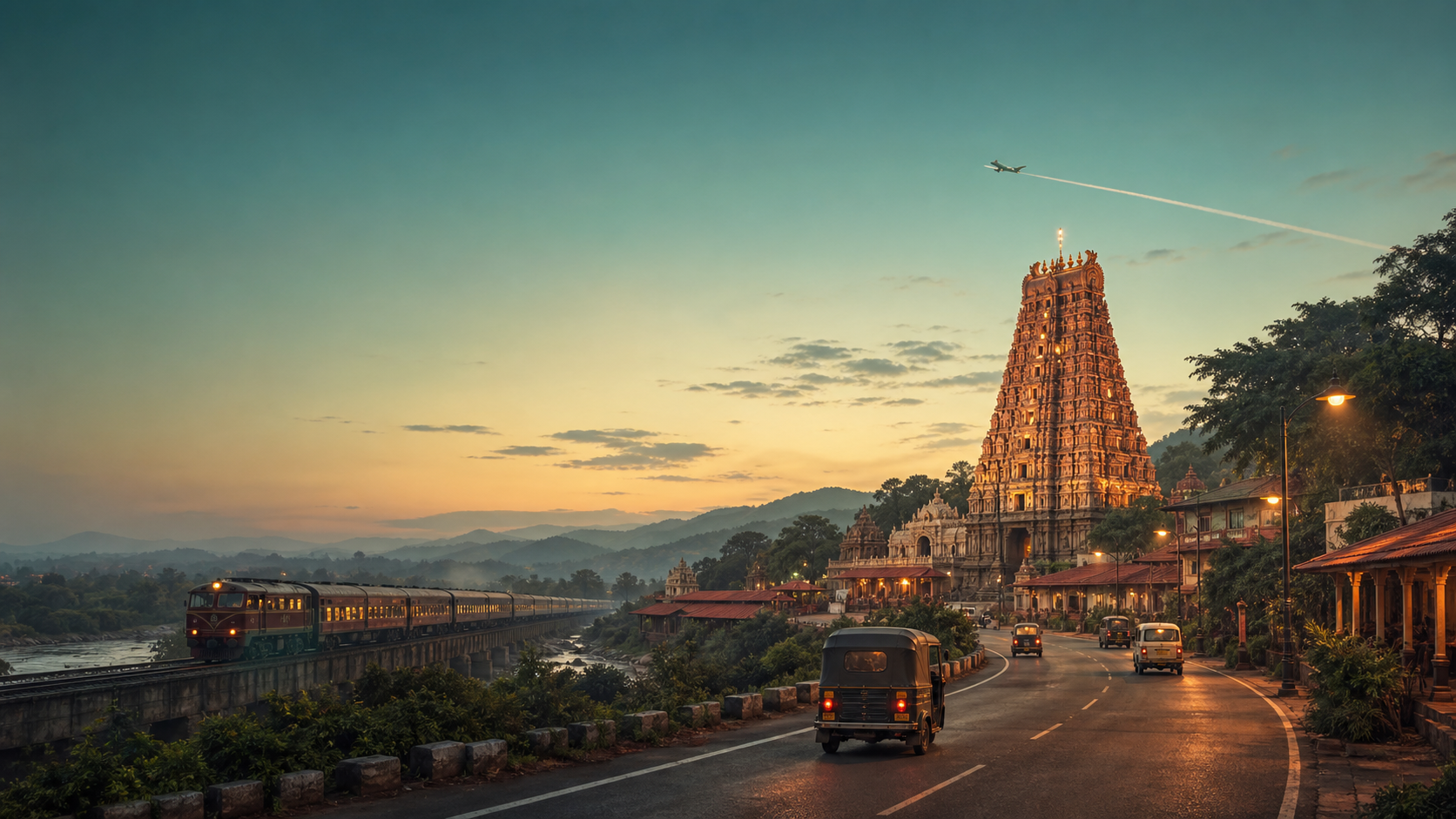
A complete pilgrim record drawn from the existing published article data.
Laxman Temple, Sirpur: A Brick Marvel of Ancient India
The Laxman Temple in Sirpur, Chhattisgarh, stands as a pivotal example of early Indian temple architecture. Built around 500 CE, it is celebrated as one of the earliest surviving structural brick temples in India, showcasing advanced construction techniques for its era. Its enduring structure highlights the architectural prowess of the Sarabhapuriya dynasty. The temple's design, an early Nagara style, is almost entirely crafted from brick, a rarity that contributes significantly to its historical and architectural importance. This monument is a testament to the sophisticated engineering and artistic vision of its ancient builders.
Pioneering Brick Construction
The Laxman Temple is distinguished by its primary use of brick as a construction material, a remarkable feat for its period, demonstrating advanced masonry skills.
Early Nagara Style
Its architectural style is classified as Early Nagara, representing a significant developmental stage in North Indian temple architecture, predating later stone structures.
Historical Significance
Dating back to circa 500 CE, the temple's survival makes it a crucial historical artifact, offering insights into ancient Indian building practices and religious art.
An Ode to Brick: The Enduring Design of Laxman Temple
The Laxman Temple's remarkable preservation, despite being constructed primarily of brick, is a testament to the advanced engineering and artistic skills of its builders from the 5th-6th century CE. Its intricate brickwork, featuring detailed carvings and structural integrity, sets it apart as a unique example of early Indian temple design. Unlike many stone temples, the brick construction allowed for a different aesthetic and structural approach, demonstrating a mastery over the material. The temple's enduring design showcases the ingenuity of its creators and offers valuable insights into ancient building practices. It remains a significant architectural marvel.
Brick Craftsmanship
The temple exhibits highly skilled brickwork, with bricks precisely cut and laid to form intricate designs and structural elements, including decorative motifs.
Structural Longevity
Its exceptional state of preservation, despite centuries of exposure, underscores the robust construction techniques and quality of materials used by its ancient builders.
Innovative Design
The use of brick in an early Nagara style allowed for innovative architectural forms and decorative details that were distinct from contemporary stone temples.
Vishnu's Abode: Iconography and Spiritual Significance
Dedicated to Lord Vishnu, the Laxman Temple's iconography and sculptural narratives offer profound insights into the Vaishnavite traditions prevalent during its construction. Though named for Lakshmana, an incarnation of Vishnu, the temple primarily venerates Vishnu himself. The carvings depict various Hindu deities and mythological scenes, reflecting the spiritual beliefs of the Sarabhapuriya period. These artistic representations serve not only as decorative elements but also as didactic tools, conveying the rich spiritual narratives and philosophical underpinnings of Vaishnavism to devotees and visitors alike.
Vaishnava Tradition
As a Vaishnava temple, its primary devotion is to Lord Vishnu, with Lakshmana, the main deity, being an incarnation of Vishnu.
Iconographic Depictions
The temple features intricate carvings and sculptures that illustrate mythological stories and various forms of Vishnu, reflecting the Vaishnava pantheon.
Spiritual Narratives
The sculptural art within the temple serves to narrate sacred stories and convey the spiritual messages central to the Vaishnava faith of that era.
Tracing the Roots: The Sarabhapuriya Dynasty and the Temple's Genesis
The construction of the Laxman Temple was initiated by Queen Vasata, mother of King Mahashivagupta of the Sarabhapuriya dynasty, around 500 CE. This period marks a significant era in the architectural and religious history of Chhattisgarh. The temple's genesis under royal patronage underscores the dynasty's devotion and its role in fostering artistic and spiritual development. Queen Vasata's dedication to honoring Lakshmana, as recounted in ancient narratives, led to the creation of this Vaishnava shrine, establishing Sirpur as a thriving cosmopolitan religious center where various faiths coexisted.
Royal Patronage
Queen Vasata, mother of the Shaivite king Mahashivagupta, commissioned the temple, reflecting the Sarabhapuriya dynasty's support for religious institutions.
Vaishnava Dedication
The temple was dedicated to Lakshmana, an incarnation of Vishnu, highlighting the prevalent Vaishnava traditions under the Sarabhapuriya rule.
Sirpur's Religious Landscape
The temple's construction contributed to Sirpur's reputation as a cosmopolitan center where Vaishnava, Shaiva, Buddhist, and Jain traditions flourished.
Experiencing Sirpur: A Guide to the Laxman Temple and Beyond
As an ASI Protected Monument, the Laxman Temple offers visitors a unique opportunity to explore ancient Indian heritage and spiritual artistry. Located within the broader Sirpur Group of Monuments, it is part of a significant archaeological site. The best time to visit is from October to March, particularly during the Sirpur Festival in February, which celebrates the region's rich history. While specific timings and entry details require contact with the temple office, the site encourages a visit duration of 2-3 hours to fully appreciate its historical and architectural importance.
ASI Protected Status
The Laxman Temple is designated an ASI Protected Monument, ensuring its preservation and recognizing its immense historical and architectural value.
Optimal Visiting Period
The months from October to March are ideal for a visit, with the Sirpur Festival in February offering a vibrant cultural experience alongside the temple exploration.
Exploring Sirpur
Visitors to the Laxman Temple can also explore the surrounding Sirpur Group of Monuments, which includes other ancient temples and archaeological remains.
| Deity | Lakshmana |
|---|---|
| Form | Lakshmana is depicted in a standing anthropomorphic form, representing the younger brother of Rama. |
| Consort | Unknown |
| Sampradaya | Vaishnava |
| Significance | As a central figure in the Ramayana, Lakshmana's dedication reflects the epic’s profound influence on early medieval temple culture in Central India. The temple's Vaishnava dedication under Shaivite royal patronage highlights the syncretic religious environment prevalent in Sirpur during that era. |
The Queen's Devotion: Birth of the Laxman Temple
In the annals of ancient Sirpur, a profound act of devotion unfolded, giving rise to the magnificent Laxman Temple. It was Queen Vasata, the esteemed mother of King Mahashivagupta of the Sarabhapuriya dynasty, whose heart was set on honoring Lakshmana, the epitome of unwavering loyalty from the epic Ramayana. Her vision brought forth a splendid Vaishnava shrine, a testament to her piety and a beacon of architectural brilliance. This grand construction not only consecrated a sacred abode for Lakshmana but also marked Sirpur's ascendance as a thriving cosmopolitan religious center. Under royal patronage, the city became a harmonious confluence where the spiritual traditions of Shaiva, Vaishnava, Buddhist, and Jain faiths flourished side by side, making the Laxman Temple a vital symbol of Sirpur’s rich cultural and religious tapestry.
A testament to devotion, etched in brick, standing as a beacon of ancient Indian architectural prowess.
Where Vaishnava faith flourished under Shaivite patronage, reflecting Sirpur's rich tapestry of spiritual harmony.
Related temples: Abeyadana Temple | Adi Kesava Perumal temple
Restoration and Conservation Efforts
The Laxman Temple, a magnificent example of brick architecture, has undergone extensive restoration and conservation efforts over the past century to preserve its historical and artistic integrity. Initially rediscovered and documented by British archaeologists in the late 19th and early 20th centuries, the temple was found in a state of considerable disrepair, partially buried and overgrown. The Archaeological Survey of India (ASI) took charge of its preservation, initiating systematic excavation and stabilization work. These early interventions were crucial in preventing further structural decay and revealing the temple's intricate details, which had been hidden beneath layers of debris and vegetation, thereby bringing this architectural marvel back into public consciousness and scholarly attention. Modern conservation techniques have been meticulously applied to the Laxman Temple, focusing on maintaining its original fabric while ensuring its long-term survival. Experts have undertaken the painstaking task of consolidating the ancient brickwork, using traditional lime mortar to repair damaged sections and prevent water ingress. Chemical cleaning processes have been employed to remove centuries of grime and biological growth without harming the delicate carvings. Furthermore, efforts have been made to reconstruct missing elements of the superstructure and decorative panels based on archaeological evidence and comparative studies of contemporary temples, allowing visitors to better appreciate its original grandeur and the sophisticated craftsmanship of the Sarabhapuriya and Panduvamshi periods.🗺 How to Reach
Hover a card to animate the journey on the map
Route to Temple
Common Questions
Where is Laxman Temple, Sirpur: Ancient Brick Marvel of Vishnu located?
Laxman Temple, Sirpur: Ancient Brick Marvel of Vishnu is documented at Sirpur (Chhattisgarh).
Which deity is associated with Laxman Temple, Sirpur: Ancient Brick Marvel of Vishnu?
Laxman Temple, Sirpur: Ancient Brick Marvel of Vishnu is associated with Lakshmana.
Related Temples


A Living Covenant