
A complete pilgrim record drawn from the existing published article data.
Centuries of Faith: Tracing the Temple's Ancient Roots
Built in the 7th century CE by Ratnadev I of the Somavamshi dynasty, the Rajiv Lochan Vishnu Temple boasts a rich and complex history. It stands as one of Chhattisgarh's oldest and most significant religious sites, having undergone numerous reconstructions and renovations by various dynasties. Major reconstruction efforts were undertaken by Jajalladeva of the Somavamshi dynasty in the 9th century, Karnadeva of the Kalchuri dynasty in the 11th century, and Jajalladeva II of the Chalukya dynasty in the 13th century. Later, the Marathas and Bhonsle rulers also contributed to its preservation, ensuring its enduring legacy. Its historical depth is further amplified by its role in the revered Rajim Kumbh Mela.
Somavamshi Origins
The temple's foundation in the 7th century CE by Ratnadev I established its initial architectural and spiritual framework.
Cycles of Reconstruction
Throughout its existence, the temple has been periodically rebuilt and restored by successive dynasties, including the Kalchuris, Chalukyas, and Marathas, each leaving their mark.
A Site of Pilgrimage
The temple's ancient roots and continuous worship underscore its importance, especially as a central venue for the Rajim Kumbh Mela.
Lord Vishnu: The Presiding Deity and Spiritual Essence
Dedicated to Lord Vishnu, the Rajiv Lochan Vishnu Temple serves as a vibrant center for Vaishnavite worship in Rajim. The main deity, known as Rajiv Lochan, signifies Vishnu's mesmerizing lotus-like eyes, a symbol of beauty and divine grace. The temple is steeped in spiritual narratives, including the belief that Lord Rama consecrated a form of Vishnu here during his exile. This act imbued the site with unique sanctity, making it an eternal tirtha. The temple attracts devotees seeking blessings and spiritual solace, particularly during the annual Magh Purnima Fair and the multi-week Rajim Kumbh Mela, reinforcing its role as a spiritual heartland.
The Presiding Deity
Lord Vishnu, in his form as Rajiv Lochan, is the central deity, revered for his compassionate and lotus-eyed appearance.
Vaishnava Tradition
The temple is a significant hub for the Vaishnava tradition, focusing on the worship of Vishnu and his avatars.
Legends of Divine Presence
Stories recount Lord Rama's visit and consecration, further sanctifying the temple and enhancing its spiritual allure.
Plan Your Pilgrimage: A Guide to Rajiv Lochan Temple
For those planning a visit to the Rajiv Lochan Vishnu Temple, understanding its timings, accessibility, and the best periods for a fulfilling journey is essential. The temple is ideally visited between October and March, with special spiritual significance during the Magh Purnima and Rajim Kumbh Mela (January–February). Modest dress is required, and footwear must be removed before entering the sanctum. While local transport is available within Rajim, major hubs like Raipur (approximately 120 km away) offer comprehensive bus, train, and flight connections. Swami Vivekananda Airport (RPR) in Raipur is the nearest airport. Driving via NH30 from Raipur takes about 2-3 hours.
Optimal Visiting Periods
The best time to visit is from October to March, particularly during the Magh Purnima Fair or the Rajim Kumbh Mela for a heightened spiritual experience.
Accessibility and Transport
The temple is accessible via Rajim Bus Stand and Rajim Railway Station. Major connections are available from Raipur, including Swami Vivekananda Airport and Raipur Junction.
Visitor Guidelines
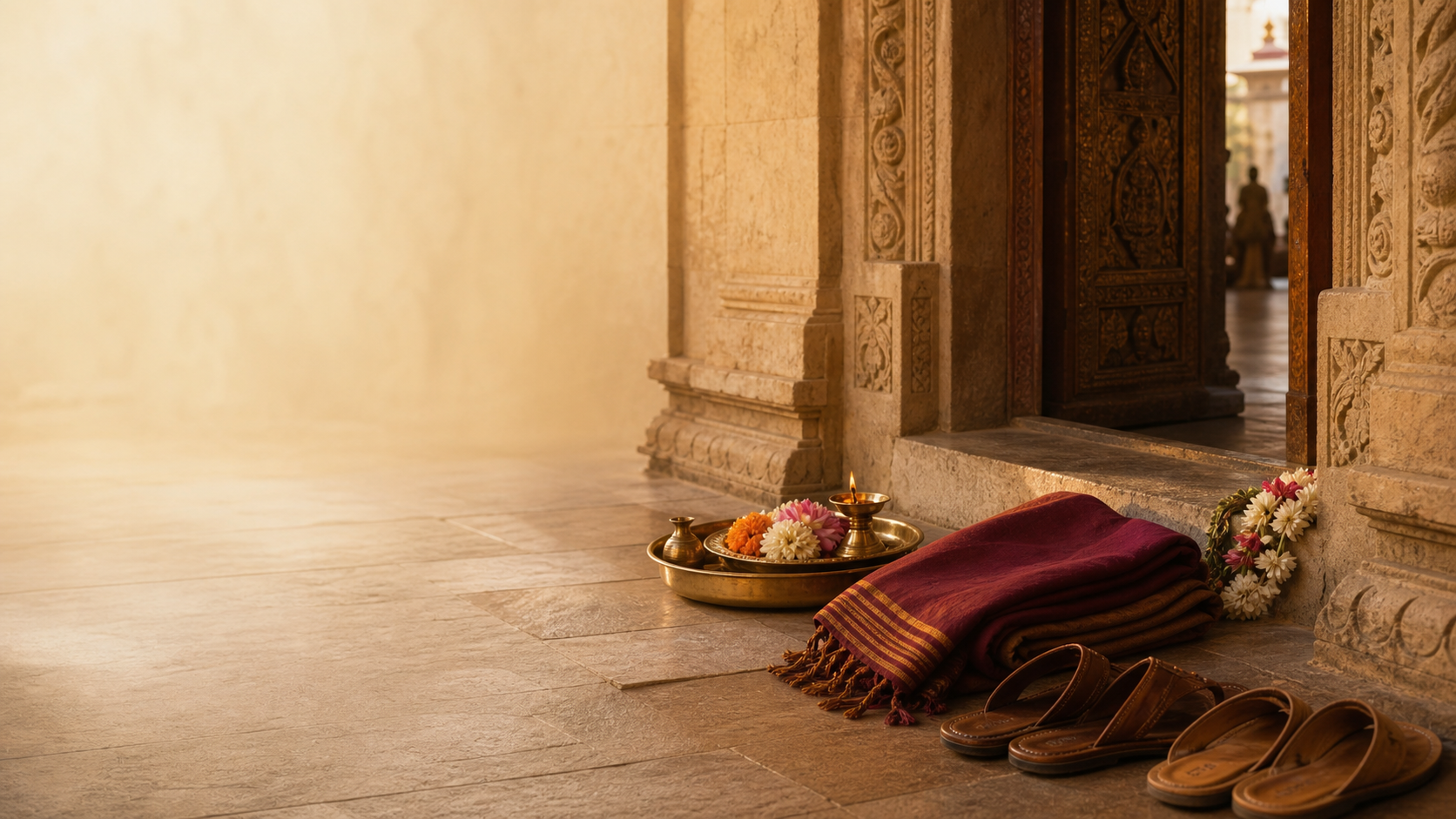
Visitors are required to wear modest attire and remove footwear before entering the temple's sanctum, ensuring respect for the sacred space.
| Deity | Vishnu |
|---|---|
| Form | Known as Rajiv Lochan, meaning 'Lotus-Eyed Vishnu', this form is depicted with eyes resembling lotus petals. It is a rare triadic arrangement, with Vishnu flanked by Lakshmi and Saraswati. |
| Consort | Lakshmi |
| Sampradaya | Vaishnava |
| Significance | Vishnu is revered as the preserver of the universe in Hinduism. The 'Lotus-Eyed' aspect emphasizes his divine beauty and cosmic vision, symbolizing purity and spiritual awakening. |
The Lotus-Eyed Lord and Rama's Sacred Halt
Deep in the heart of ancient Dandakaranya, as Lord Rama traversed his arduous exile, his divine footsteps graced the banks of the sacred Mahanadi. It was here, amidst the tranquil flow of the river, that the compassionate prince is believed to have established a shrine, consecrating a form of Vishnu. This hallowed ground became known as Rajim, a name intrinsically linked to 'Rajiv Lochan,' signifying Vishnu's mesmerizing lotus-like eyes. The very presence of Rama transformed this spot into an eternal tirtha, a pilgrimage site where the divine essence of the lotus-eyed Lord continues to bless devotees, echoing tales of devotion from an age long past. This founding act imbued the temple with a unique sanctity, making it a beacon of faith for centuries to come.
This hallowed ground became known as Rajim, a name intrinsically linked to 'Rajiv Lochan,' signifying Vishnu's mesmerizing lotus-like eyes.
Through countless invasions, destructions, and reconstructions, the sacred idol has miraculously persevered, a silent witness to the passage of time and unwavering divine presence.
Related temples: Arang Jain temples | Cave research in India
The Sacred Heart of Rajim: Rajiv Lochan Vishnu Temple
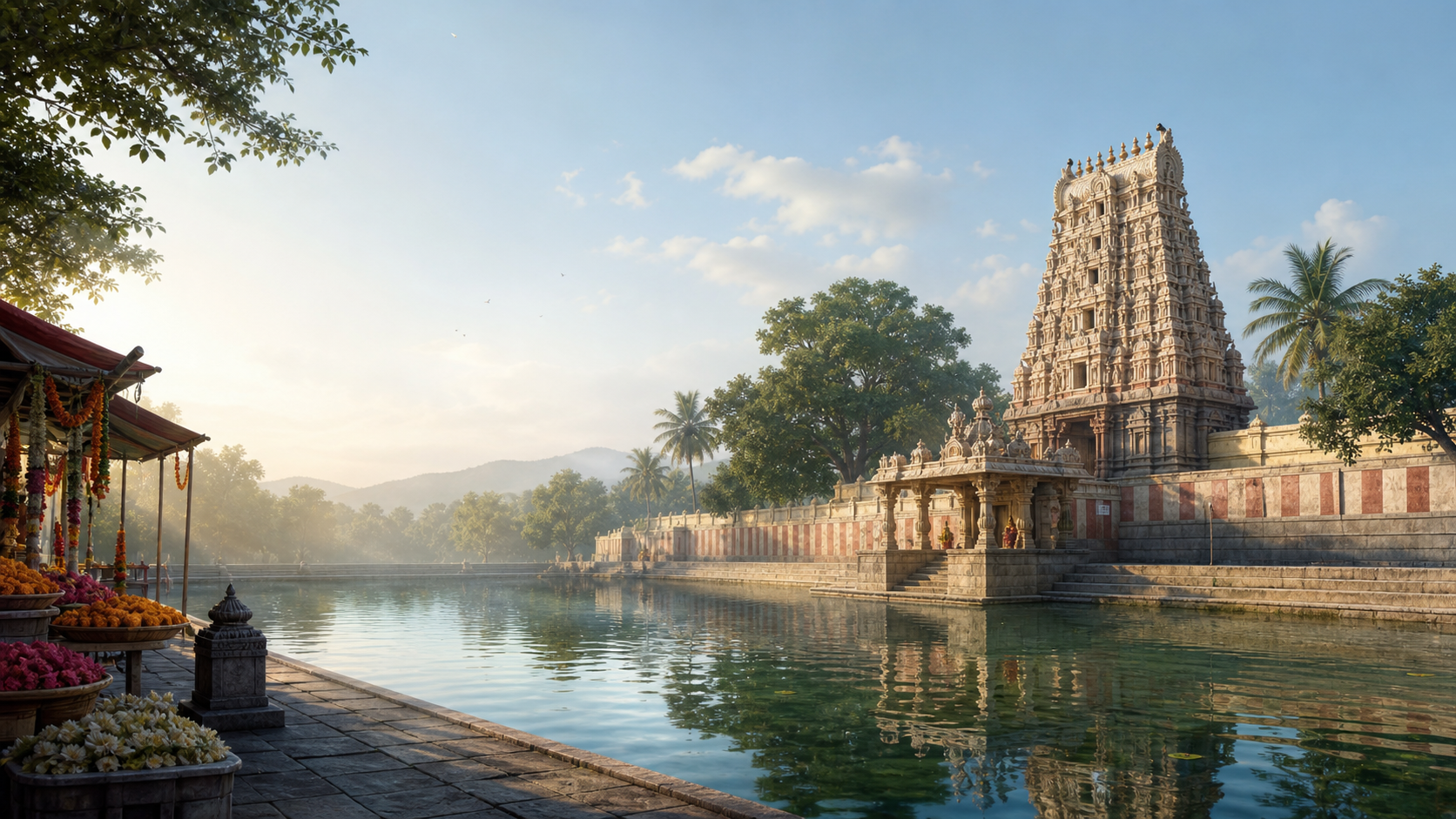
The Rajiv Lochan Vishnu Temple stands as a venerable testament to ancient devotion and architectural prowess in Rajim, Chhattisgarh. Dedicated to Lord Vishnu, this significant pilgrimage site draws devotees and history enthusiasts alike to its sacred precincts. Constructed in the 7th century CE, the temple showcases the distinctive Nagara style of architecture, built primarily from stone. It is recognized as a State Protected Monument in Chhattisgarh, preserving its historical and spiritual importance. Located on the banks of the Mahanadi River, the temple is central to the spiritual landscape of the region, embodying centuries of faith and artistic tradition.
Location and Significance
Situated in Rajim, Chhattisgarh, the temple is a focal point for Vaishnava worship. Its ancient origins and continuous reverence make it a revered destination.
Architectural Heritage
The temple exemplifies the Nagara style, characterized by its curvilinear shikhara and intricate stonework, reflecting the skilled craftsmanship of its builders.
The Lotus-Eyed Lord
The temple's name, Rajiv Lochan, refers to Vishnu's lotus-like eyes, a descriptor that emphasizes the deity's captivating and compassionate form.
Sculpted Devotion: The Artistry of Rajiv Lochan Temple
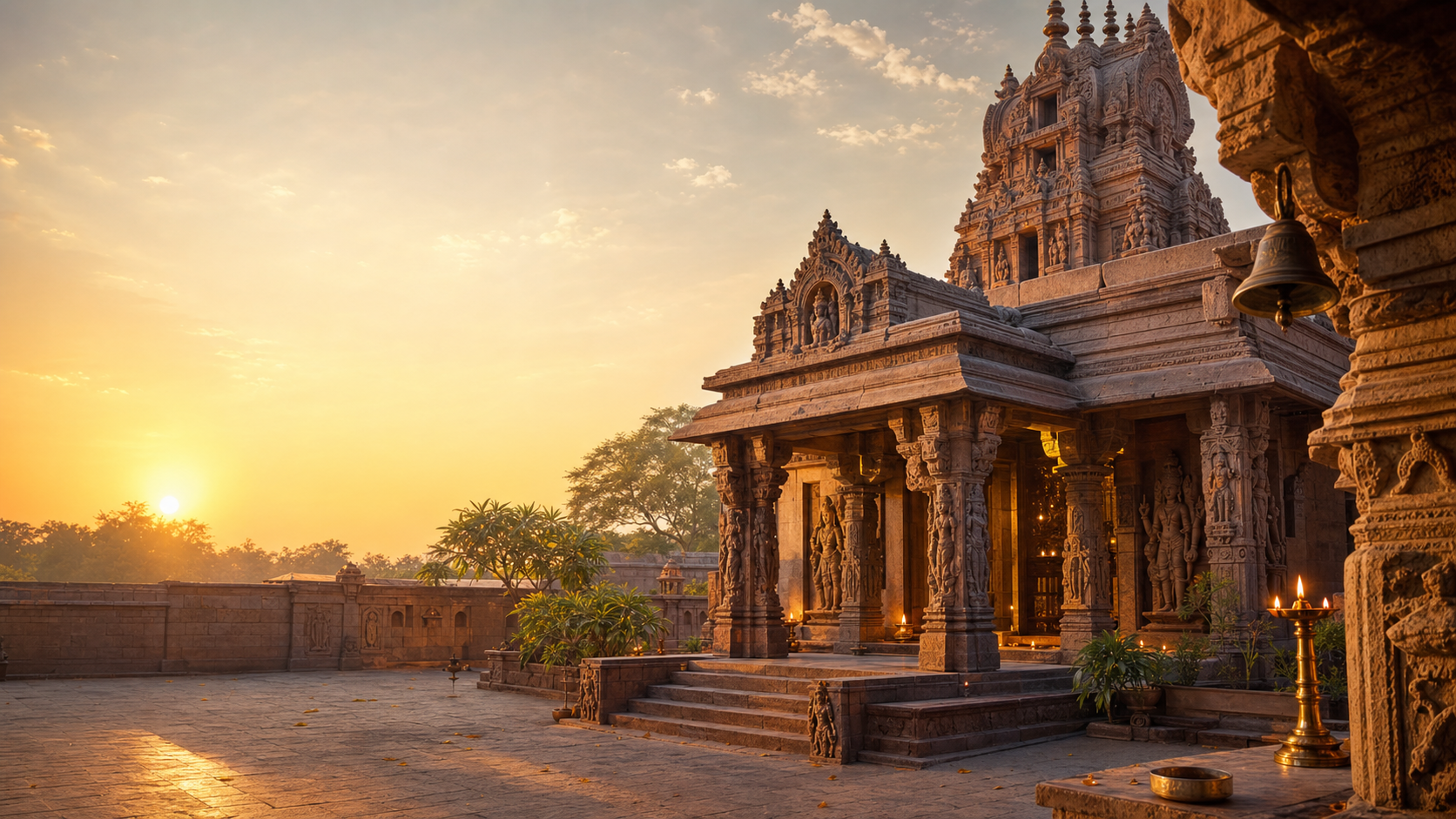
The Rajiv Lochan Vishnu Temple's architecture showcases exquisite craftsmanship, reflecting the distinct Nagara style prevalent in ancient India. Constructed from stone, the temple's surfaces are adorned with intricate carvings that narrate tales of devotion and mythological narratives. These detailed sculptures depict various deities, celestial beings, and epic scenes, transforming the temple walls into a visual scripture. The architectural style, characteristic of the Somavamshi period, emphasizes verticality and elaborate ornamentation. This artistic expression not only beautifies the structure but also serves as a medium for conveying spiritual teachings and preserving cultural heritage through stone.
Nagara Style Elements
The temple prominently features the Nagara style, known for its distinctive curvilinear tower (shikhara) and elaborate sculptural programs.
Intricate Stonework
Crafted from stone, the temple's surfaces are rich with detailed carvings of mythological figures, divine beings, and narrative panels.
Mythological Narratives
The sculptures serve as visual stories, depicting episodes from Hindu mythology and the lives of various deities, embodying devotion in stone.
Restoration & Conservation Efforts
The ancient Rajiv Lochan Vishnu Temple, a magnificent example of early medieval architecture dating back to the 7th-8th century CE, has undergone various phases of restoration and conservation throughout its long history to maintain its structural integrity and intricate artistic details. While early maintenance efforts by local rulers and devout communities are largely undocumented, more systematic interventions began in the 20th century. The Archaeological Survey of India (ASI) has played a pivotal role in these endeavors, recognizing the temple's national importance. These projects have addressed issues such as the erosion of sandstone due to weathering, structural weaknesses in the mandapas and sanctum, and the accumulation of grime on its exquisite carvings. Careful attention is paid to using traditional materials and techniques to ensure that repairs are sympathetic to the original architecture, preserving the temple's historical authenticity and aesthetic appeal for future generations. Contemporary conservation efforts at the Rajiv Lochan Temple involve a multi-faceted approach, combining scientific analysis with traditional craftsmanship. Regular monitoring of the temple's condition, especially after the monsoon seasons, is crucial to identify and address potential damage promptly. Challenges persist, including the impact of increasing visitor numbers on the ancient structure, environmental factors like humidity and temperature fluctuations, and the delicate balance between active worship and passive preservation. Future strategies aim to enhance protective measures against natural elements, improve drainage systems around the plinth, and implement sustainable tourism practices. The temple's continued existence relies on ongoing funding, expert archaeological oversight, and the active participation of the local community, ensuring this architectural marvel remains a vibrant center of faith and a testament to India's rich heritage.🗺 How to Reach
Hover a card to animate the journey on the map
Route to Temple
Common Questions
Where is Rajiv Lochan Temple, Rajim: 8th Century Vishnu Marvel located?
Rajiv Lochan Temple, Rajim: 8th Century Vishnu Marvel is documented at Rajim (Chhattisgarh).
Which deity is associated with Rajiv Lochan Temple, Rajim: 8th Century Vishnu Marvel?
Rajiv Lochan Temple, Rajim: 8th Century Vishnu Marvel is associated with Vishnu.
Related Temples


A Living Covenant