
A complete pilgrim record drawn from the existing published article data.
A Glimpse into 8th-Century History
The Rajiv Lochan Temple's origins are firmly rooted in the 8th century CE, a period of significant architectural and religious development in central India. Its construction is primarily attributed to King Vilasatunga of the Nala dynasty, whose patronage led to the creation of this enduring monument. This era marked a flourishing of Vaishnavism, reflected in the temple's dedication to Vishnu. The temple stands as a remarkable example of early medieval Indian temple architecture, preserving the artistic and religious sensibilities of its time. Its survival through centuries underscores its robust construction and continuous veneration.
Founding by Vilasatunga
Historical records and inscriptions credit King Vilasatunga of the Nala dynasty with the construction of the Rajiv Lochan Temple. His reign in the 8th century CE was instrumental in establishing this significant religious site.
Dating the Temple
Archaeological and epigraphic evidence confirm the temple's construction in the 8th century CE. This dating places it among the earliest and most well-preserved examples of temple architecture from that period in Chhattisgarh.
Enduring Legacy
Despite the passage of over twelve centuries, the Rajiv Lochan Temple continues to function as an active place of worship. Its continuous use highlights its architectural resilience and its profound cultural and religious legacy that has persisted through various historical periods.
Architectural Marvels and Intricate Carvings
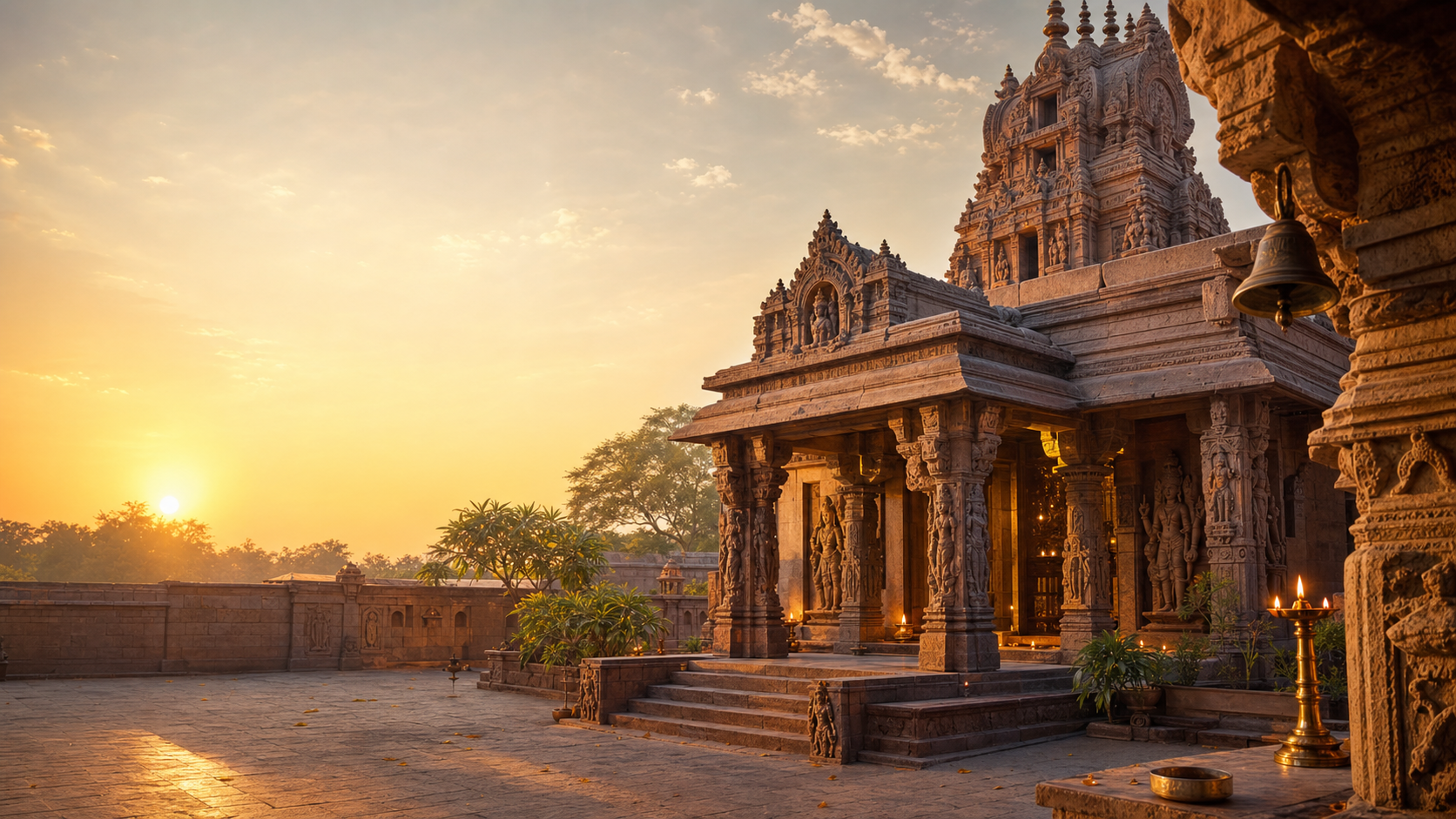
The Rajiv Lochan Temple showcases a distinctive architectural style, characterized by its well-preserved structure and elaborate carvings. The main temple complex typically features a mandapa, or pillared hall, leading to the garbhagriha, the sanctum sanctorum where the primary deity resides. The exterior walls and pillars are adorned with intricate sculptures depicting various Hindu deities, mythical creatures, and narrative panels. The shikhara, or tower, above the sanctum, though possibly modified over time, retains elements of its original design. These detailed carvings provide valuable insights into the artistic traditions of the 8th century.
Structural Layout
The temple follows a traditional Hindu temple plan, featuring a spacious mandapa for congregational worship, which gracefully transitions into the sacred garbhagriha housing the main idol of Lord Vishnu. This layout facilitates the ritualistic circumambulation and darshan.
Intricate Sculptures
The temple's walls, pillars, and doorways are a canvas of elaborate carvings. These sculptures depict various Hindu gods and goddesses, celestial beings, mythological narratives, and decorative motifs, showcasing the high artistic skill of the 8th-century artisans.
Shikhara Design
Above the sanctum rises the shikhara, the temple tower, which is a prominent feature of North Indian temple architecture. While its exact original form may have seen modifications, its design reflects the architectural principles prevalent during its construction period, adding to the temple's grandeur.
Lord Vishnu: The Presiding Deity
Lord Vishnu serves as the principal deity enshrined within the Rajiv Lochan Temple, embodying the preserver aspect of the Hindu Trimurti. The central icon, often depicted as a four-armed figure holding a conch, discus, mace, and lotus, is the focus of daily rituals and prayers. Devotees visit to offer their reverence, seeking blessings for protection, prosperity, and spiritual well-being. The temple's dedication to Vishnu reinforces its role as a significant Vaishnava pilgrimage site, where ancient traditions of worship are meticulously maintained, connecting generations to the divine presence.
Central Icon of Vishnu
The main idol in the garbhagriha is Lord Vishnu, often depicted in his iconic four-armed form. This sacred image is the focal point of all worship and devotion, revered as the protector and sustainer of the universe.
Nature of Worship
Worship at the Rajiv Lochan Temple involves traditional Hindu rituals, including arati, puja, and offerings. Devotees participate in these ceremonies to express their faith, seek divine intervention, and experience spiritual solace in the presence of the deity.
Vaishnava Tradition
The temple is a key site within the Vaishnava tradition, emphasizing the worship of Vishnu and his various avatars. Its continued existence and active worship signify its importance in perpetuating Vaishnava beliefs and practices in the region.
Plan Your Spiritual Journey to Rajim
Planning a visit to the Rajiv Lochan Temple offers a profound spiritual and cultural experience. Located in Rajim, Gariaband district, Chhattisgarh, it is accessible by road, approximately 48 km from Raipur. Visitors are encouraged to observe temple etiquette, which typically includes removing footwear before entering the sanctum and dressing modestly. The temple is an active place of worship, so respecting ongoing rituals and maintaining a peaceful atmosphere is essential. Allow ample time to explore the intricate carvings and soak in the tranquil ambiance of this ancient shrine, making for a memorable journey.
Accessibility and Location
The temple is conveniently located in Rajim, Gariaband district, Chhattisgarh. It is about 48 km from Raipur, making it easily reachable by bus or car, with an approximate travel time of one hour from the state capital.
Visitor Etiquette
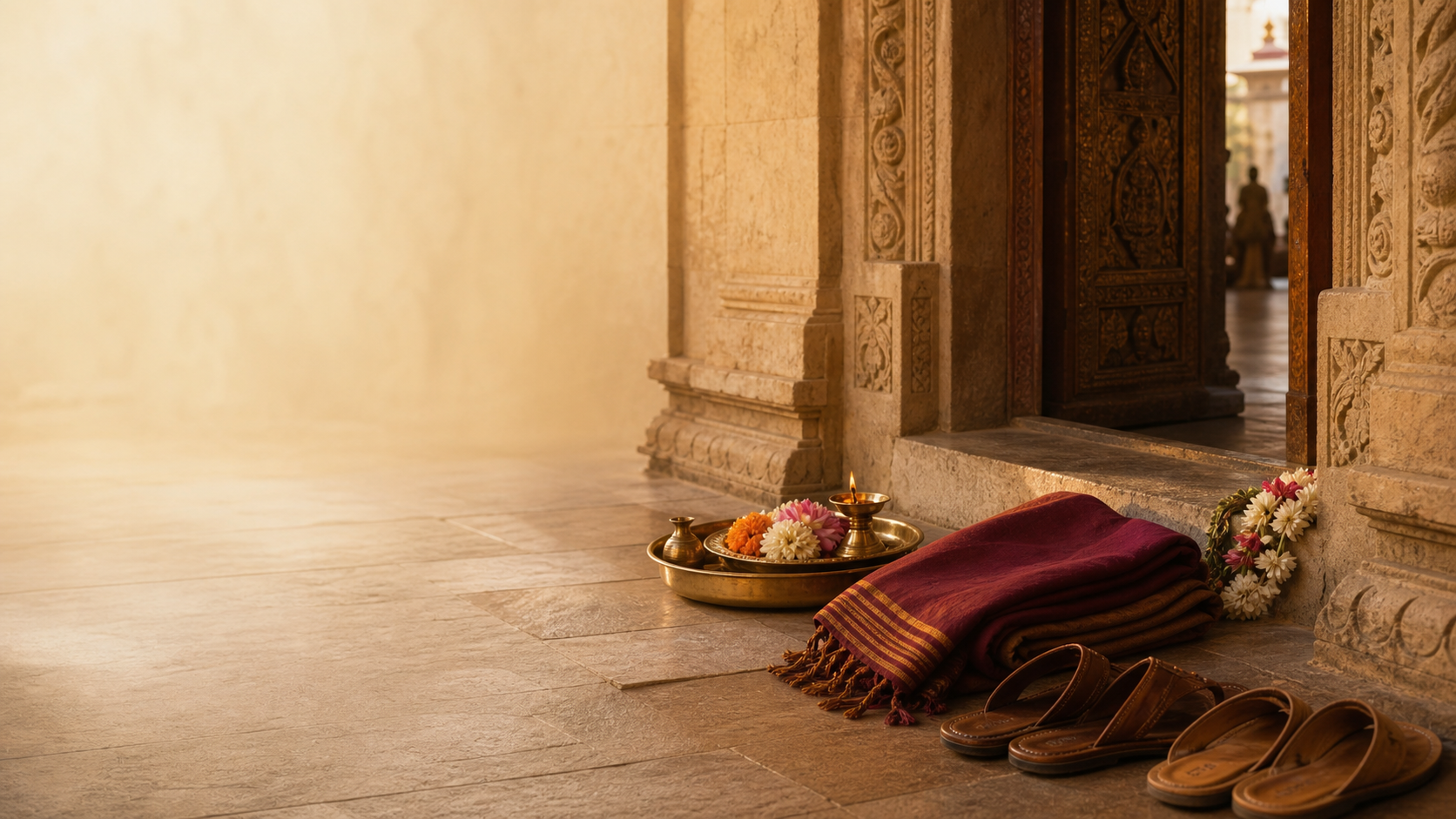
Visitors are kindly requested to adhere to local customs: remove footwear before entering the temple premises, dress modestly, and maintain decorum. Respecting the sanctity of the place ensures a pleasant experience for all devotees and visitors.
Experiencing the Temple
Beyond worship, take time to appreciate the temple's architectural beauty and historical significance. Explore the detailed carvings, observe the rituals, and absorb the serene spiritual atmosphere. A visit provides both cultural enrichment and a sense of peace.
| Deity | Lord Vishnu |
|---|---|
| Form | The temple is dedicated to Lord Vishnu, revered as the preserver of the universe. While specific iconography isn't detailed, Vishnu is typically depicted with four arms, holding a conch, discus, mace, and lotus. |
| Sampradaya | Hindu |
| Significance | As the principal deity, Lord Vishnu embodies cosmic order, righteousness, and protection, guiding devotees towards spiritual liberation and well-being. |
The Preserver's Sacred Abode
The Rajiv Lochan Temple stands as a timeless testament to Lord Vishnu, the Preserver of the universe. Though specific legends of its founding are not widely documented, it is believed that the temple's construction in the 8th century CE by the Vilasatunga dynasty was an act of profound devotion. Devotees believe Lord Vishnu's divine presence here ensures cosmic order and bestows blessings upon all who seek refuge. The temple's enduring sanctity reflects the continuous flow of faith and the eternal nature of the deity it houses.
In the heart of Chhattisgarh, an ancient devotion to Vishnu endures, echoing through the halls of the Rajiv Lochan Temple.
The Preserver's grace manifests in stone, a timeless sanctuary built by devotion.
Welcome to Rajiv Lochan Temple, Rajim
The Rajiv Lochan Temple, situated in Rajim, Chhattisgarh, stands as a profound testament to ancient Hindu devotion. Dedicated primarily to Lord Vishnu, this revered shrine is a cornerstone of spiritual heritage in the region, often referred to as the 'Prayag of Chhattisgarh' due to its sacred confluence of rivers. Its historical roots trace back to the 8th century CE, making it a significant archaeological and religious site. The temple attracts devotees and historians alike, drawn by its sacred atmosphere and intricate artistry that narrate tales of a bygone era. It serves as a living monument where traditional worship continues seamlessly, embodying centuries of faith and cultural legacy.
Rajim: The Prayag of Chhattisgarh
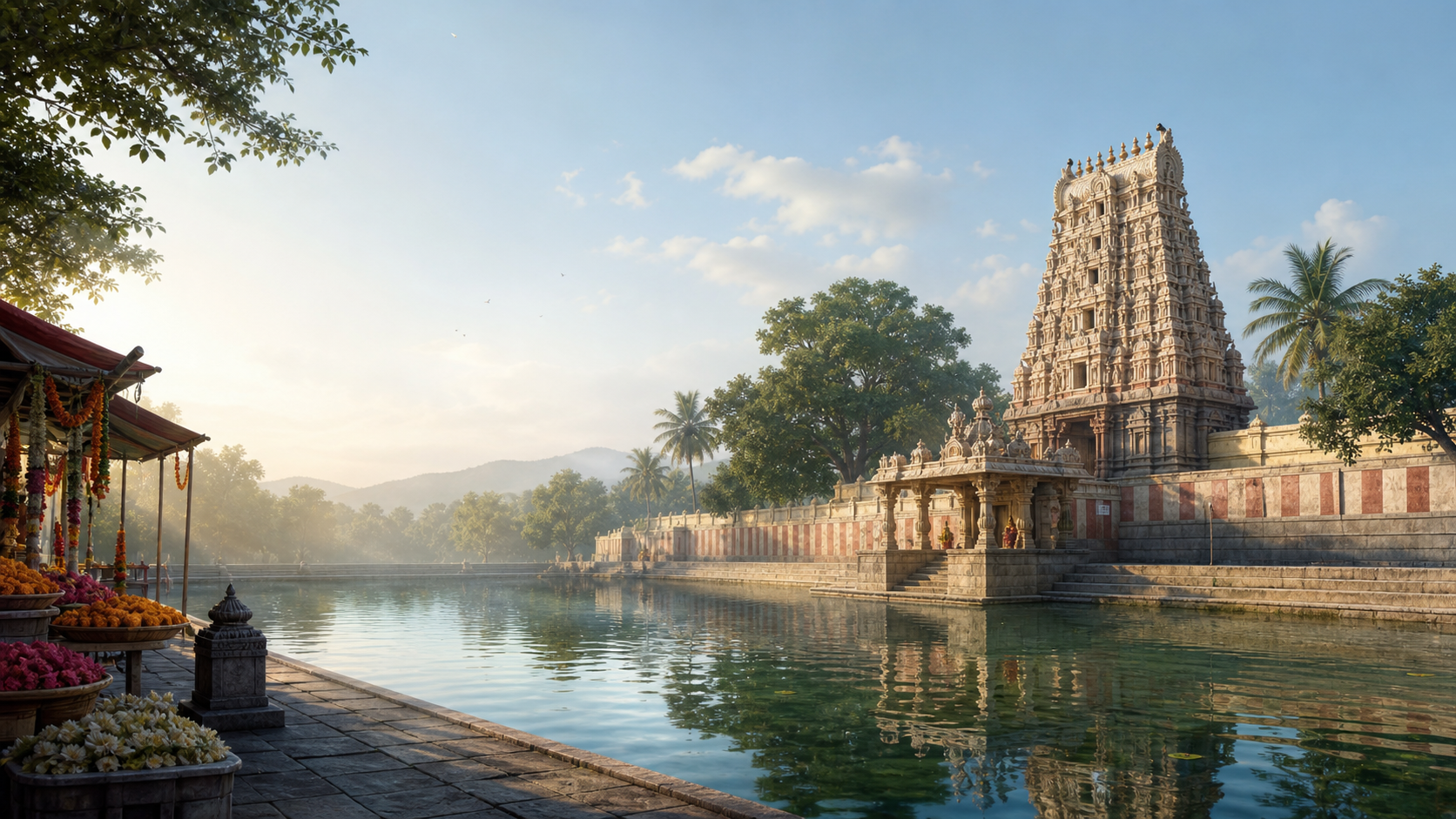
Rajim is renowned for its sacred confluence of three rivers – Mahanadi, Pairi, and Sondur – earning it the epithet 'Prayag of Chhattisgarh'. This geographical feature enhances the spiritual significance of the Rajiv Lochan Temple.
Spiritual Significance
As a temple dedicated to Vishnu, the Rajiv Lochan Temple holds immense spiritual importance for Vaishnavites. It is a site of pilgrimage where devotees seek blessings and participate in ancient rituals, fostering a deep connection to their faith.
An Ancient Landmark
Dating back to the 8th century CE, the temple is one of the oldest and most historically significant religious structures in Chhattisgarh. Its enduring presence reflects the continuous cultural and religious practices of the region over more than a millennium.
🗺 How to Reach
Hover a card to animate the journey on the map
Verified routes to Rajiv Lochan temple, Rajim
Common Questions
Where is Rajiv Lochan temple, Rajim located?
Rajiv Lochan temple, Rajim is documented at Rajim, Chattisgarh.
Which deity is associated with Rajiv Lochan temple, Rajim?
Rajiv Lochan temple, Rajim is associated with Vishnu.
