A complete pilgrim record drawn from the existing published article data.
Architectural Splendor: A Testament to Traditional Craftsmanship
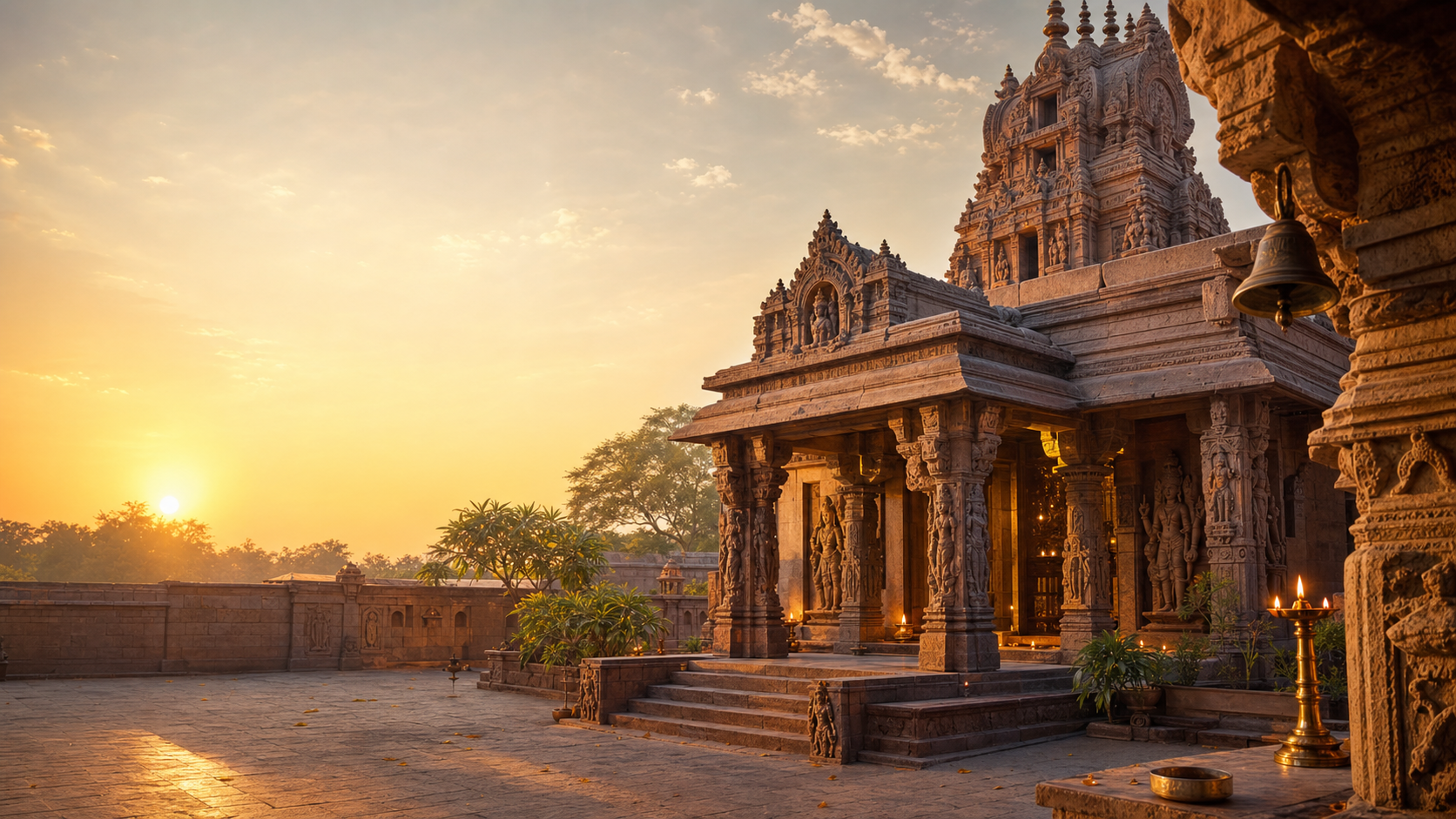
The Raghunath Mandir complex showcases a distinctive Nagara architectural style, characteristic of the Dogra period. Built primarily from brick and plaster, the temple features towering shikhara (spires) that dominate the skyline. The complex comprises numerous smaller shrines surrounding the main temple, each dedicated to various deities. Its interior is adorned with intricate frescoes and murals, depicting scenes from Hindu mythology and the life of Lord Rama. This ornamentation, combined with the overall structural design, reflects a unique blend of traditional Indian temple architecture with subtle influences from Mughal and Rajput craftsmanship, creating a visually rich and spiritually immersive environment.
Nagara Style Elements
The temple prominently displays the Nagara style with its curvilinear shikhara and multi-shrine layout, a hallmark of North Indian temple architecture.
Interior Decorations
Inside, the temple is adorned with exquisite frescoes and murals, vividly narrating tales from Hindu epics and showcasing the artistic prowess of the era.
Lord Rama: The Central Deity and His Enduring Mythology
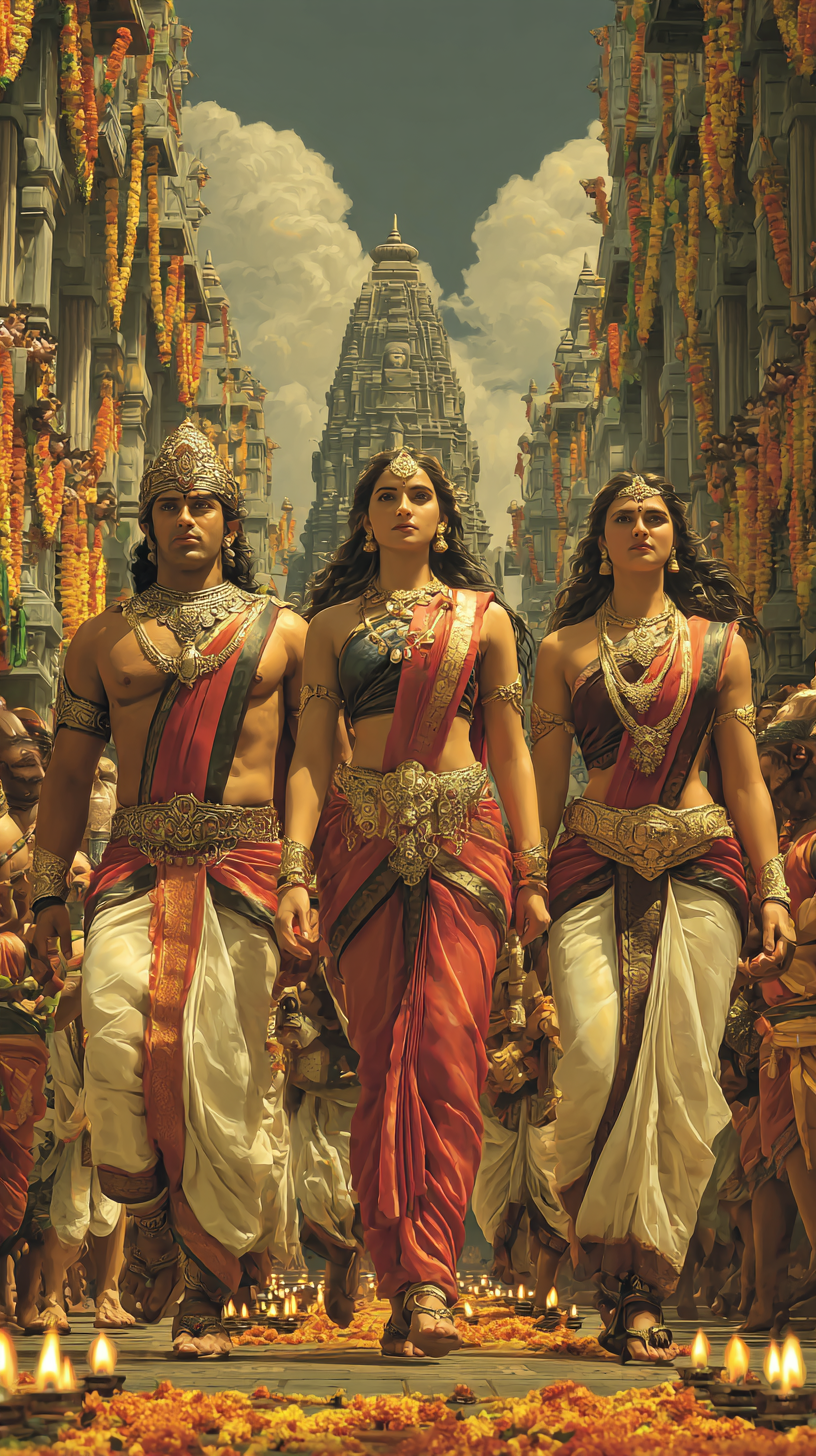
At the spiritual core of Raghunath Mandir is Lord Rama, the seventh incarnation of Vishnu and the central figure of the epic Ramayana. His life, embodying virtues of righteousness, courage, and devotion, is celebrated daily through elaborate rituals and pujas. The temple's narrative panels and enshrined deities meticulously depict scenes from Rama's life, including the pivotal Sita Swayamvara. Devotees visit seeking blessings and spiritual solace, connecting deeply with the enduring mythology of Rama. Major festivals like Rama Navami and Diwali are observed with great fervor, reaffirming the temple's dedication to this revered deity and his timeless saga.
Incarnation of Vishnu
Lord Rama, the primary deity, is worshipped as an incarnation of Vishnu, symbolizing dharma and ideal kingship, central to Vaishnava tradition.
Daily Worship and Festivals
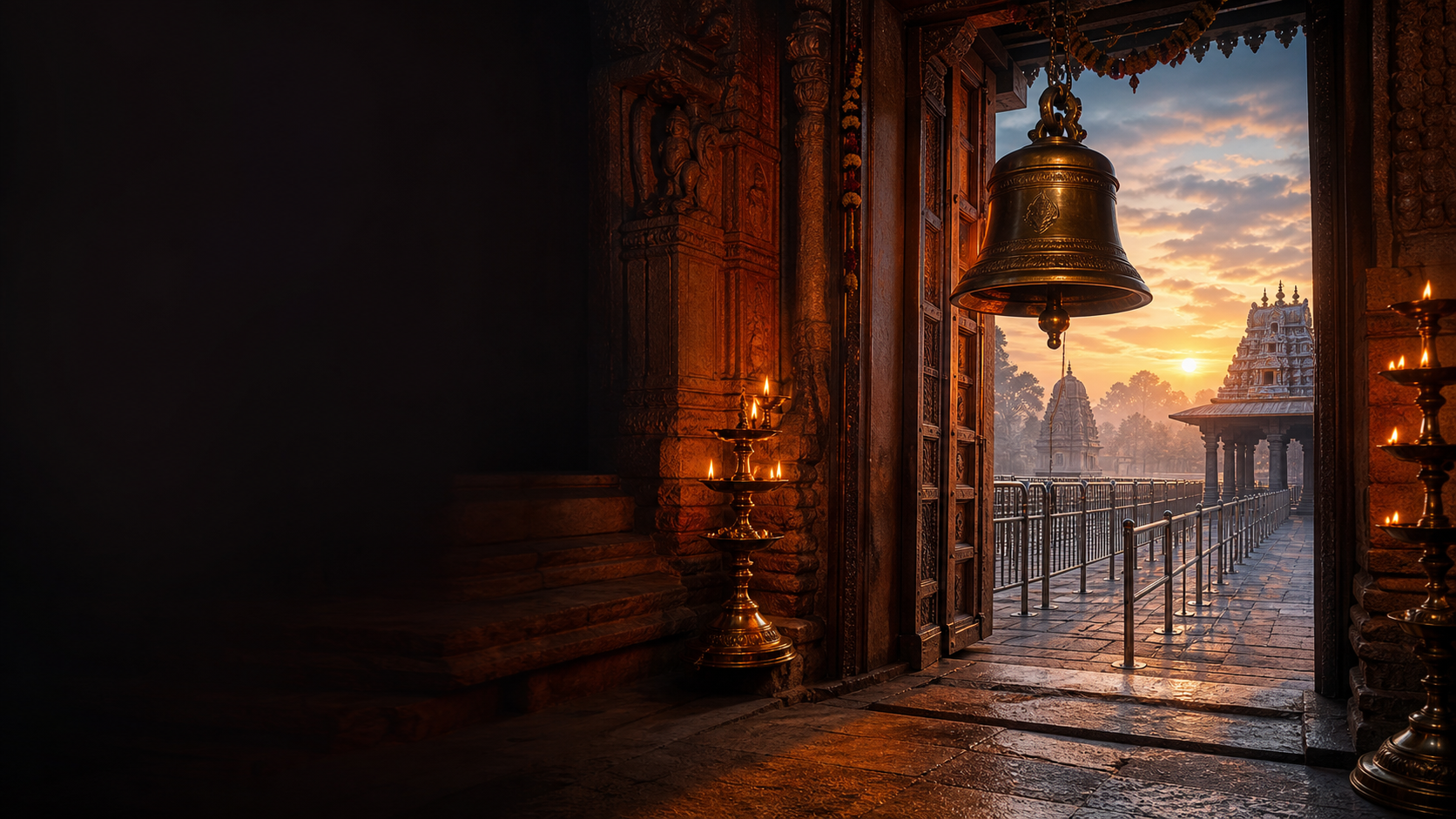
The temple observes daily rituals and celebrates major festivals like Rama Navami and Diwali with immense devotion, drawing large congregations of devotees.
Raghunath Mandir: A Beacon of Faith and Knowledge in Jammu
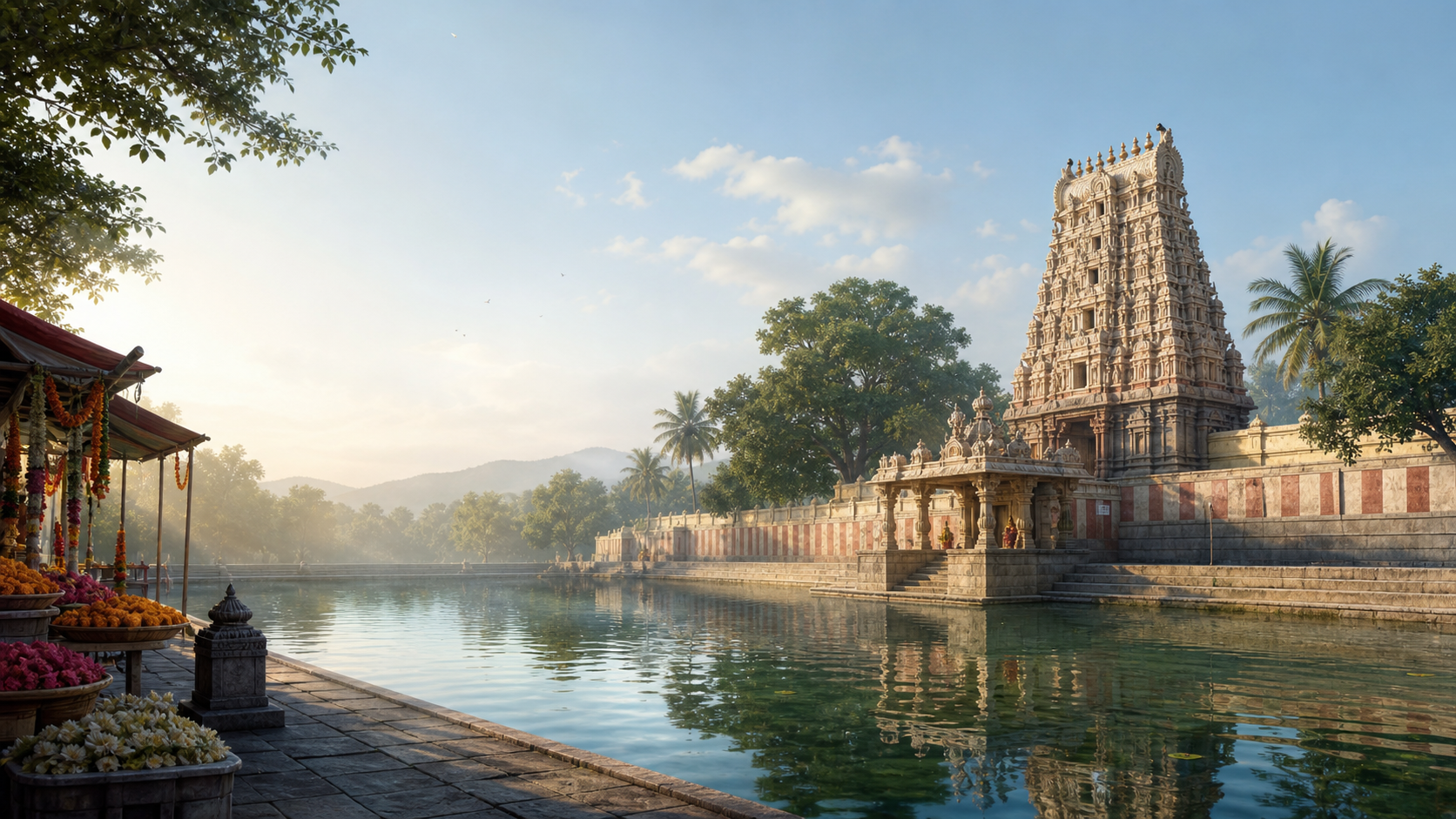
The Raghunath Mandir, located in Jammu, is a significant Hindu temple primarily dedicated to Lord Rama. It stands as a profound symbol of spiritual devotion within the region. Beyond its religious importance, the temple is renowned for its extraordinary role as a custodian of ancient knowledge. It houses an extensive collection of priceless manuscripts, making it a unique center for both faith and scholarship. This dual identity distinguishes the Raghunath Mandir as a vital cultural and religious institution, preserving centuries of Indian literary heritage alongside its spiritual practices.
Spiritual Significance
Dedicated to Lord Rama, the temple serves as a central place of worship and spiritual solace for devotees in Jammu and Kashmir. Its sacred atmosphere fosters deep religious devotion.
Repository of Knowledge
The Raghunath Mandir is celebrated for its vast library of ancient manuscripts, offering invaluable insights into India's historical, philosophical, and literary traditions.
Built by Dogra Dynasty: A Legacy of Devotion and Manuscripts
Commissioned by Maharaja Gulab Singh of the Dogra dynasty, the construction of Raghunath Mandir began in 1835, with the main complex completed by 1860. Maharaja Ranbir Singh later undertook significant renovations and expansions. This grand complex is deeply intertwined with the Dogra rulers' profound devotion and their commitment to preserving India's rich literary heritage. Recognized as a State Protected Monument, the temple is particularly noted for its unparalleled collection of manuscripts, especially those in the ancient Sarada script. This initiative, including projects like eGangotri, underscores its pioneering efforts in digitizing and safeguarding invaluable texts for future generations, showcasing a legacy of both faith and intellectual patronage.
Dogra Patronage
The temple's construction and subsequent expansions were a direct result of the Dogra dynasty's royal patronage, reflecting their deep religious commitment and cultural vision.
Manuscript Preservation
A key aspect of the Dogra legacy is the temple's extensive collection of Sarada script manuscripts, which are actively preserved and digitized through initiatives like eGangotri.
Visiting Raghunath Mandir: A Journey of Faith and Discovery
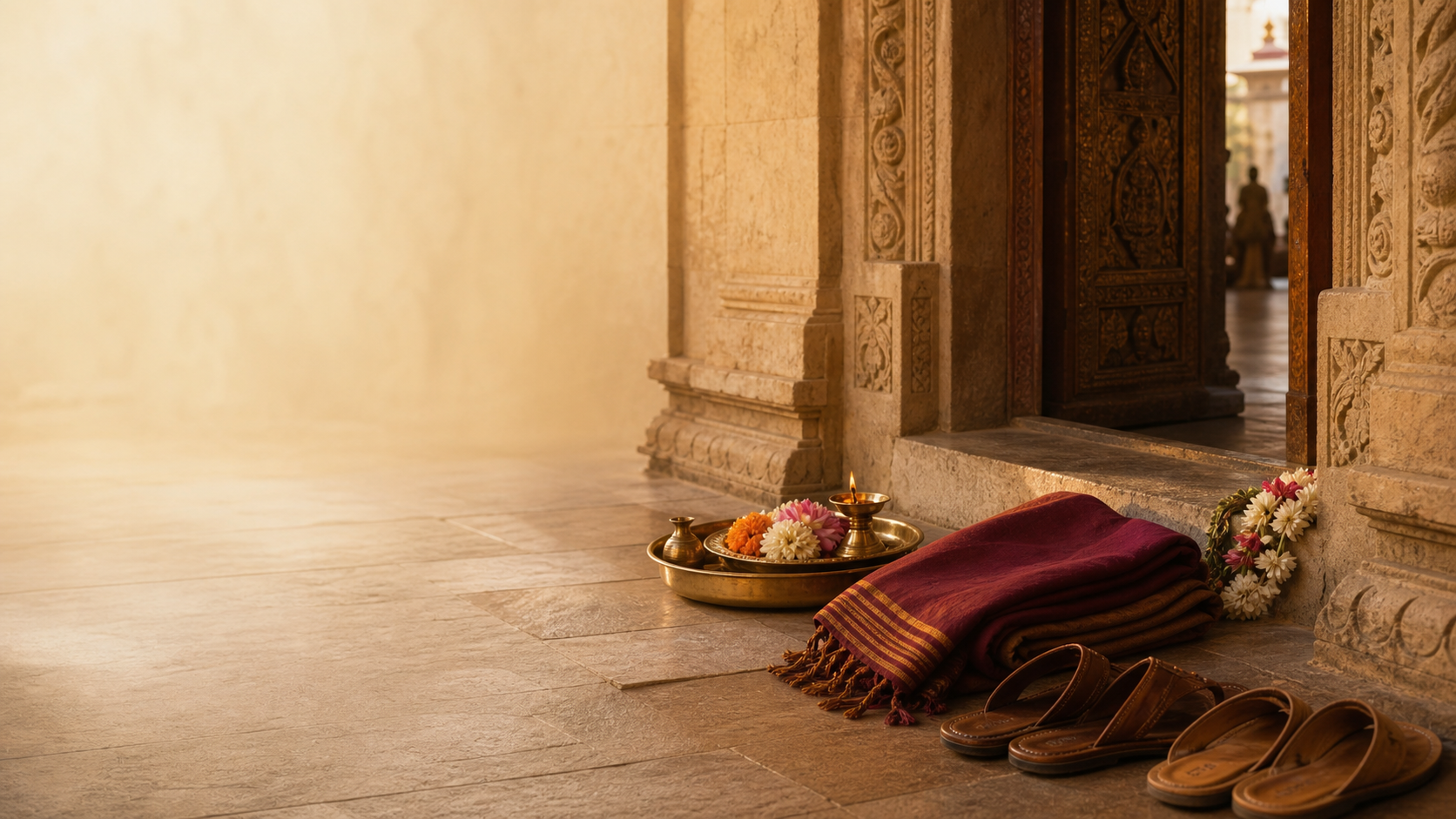
For pilgrims, history enthusiasts, and scholars alike, a visit to Raghunath Mandir offers a profound and multifaceted experience. It combines spiritual devotion with an appreciation for its rich historical significance and architectural beauty. Visitors can immerse themselves in the serene atmosphere, witness daily rituals, and admire the intricate craftsmanship. Beyond its religious aspects, the temple's scholarly contributions, particularly its vast manuscript library, provide a unique opportunity for discovery. The best time to visit is from October to March, when the weather is pleasant, or during major festivals like Rama Navami and Diwali, which offer vibrant cultural insights. Modest dress and removal of footwear are required.
Spiritual and Historical Significance
A visit offers a chance to engage in spiritual practices and explore the historical narrative of the Dogra dynasty's patronage and the temple's role as a State Protected Monument.
Planning Your Visit
The ideal time to visit is between October and March for pleasant weather. Visitors should wear modest attire and remove footwear, respecting the temple's customs.
| Deity | Rama |
|---|---|
| Form | Rama is worshipped in his Raghunath form, depicted as a standing figure. This form is particularly significant as he is the family deity of the Dogra rulers. |
| Consort | Sita |
| Sampradaya | Vaishnava |
| Significance | Rama is the central deity, revered as the embodiment of dharma and kingship, especially by the Dogra rulers who built the temple as an act of devotion. The temple's iconography and narrative panels extensively feature his life and teachings from the Ramayana. |
The Royal Devotion of Raghunath Mandir
Nestled in the heart of Jammu, the Raghunath Mandir stands as a magnificent testament to the profound devotion of the Dogra rulers. More than just a place of worship, this grand complex was conceived as a spiritual heart for the Jammu region after 1765, symbolizing the virtues of dharma and righteous kingship under Dogra reign. For these royal patrons, Lord Rama was not merely a deity but their revered family protector, inspiring them to create a sanctuary where his divine saga could eternally resonate. The temple's very essence is steeped in the Ramayana, with its intricate narrative panels and enshrined deities meticulously depicting scenes from Rama’s life, including the pivotal Sita Swayamvara. Even the sacred Saligramas within link the temple to Vishnu's cosmic form, affirming its deep spiritual roots. This architectural marvel, blending various artistic traditions, truly embodies a legacy of faith and scholarship.
A sanctuary where Lord Rama's divine saga eternally resonates, built by royal devotion.
Embodying dharma and righteous kingship, this temple is a magnificent testament to a profound legacy of faith.
Related temples: Akkanna Madanna Caves | Ammachatram
Modern Pilgrimage Experience
The Raghunath Mandir continues to be a vibrant center for devotees, drawing pilgrims from across Andhra Pradesh and neighboring states. Modern pilgrimage to the temple is significantly facilitated by improved road networks, making it accessible by car and public bus services from major cities like Visakhapatnam and Vijayawada. Upon arrival, visitors find a range of amenities designed to enhance their spiritual journey, including modest guesthouses, local eateries serving traditional South Indian fare, and designated areas for ablutions. The temple complex, while retaining its ancient charm, has adapted to accommodate larger crowds, with clear signage and organized queues during peak festival times. Devotees typically perform traditional rituals such as abhishekam, archana, and circumambulation, often concluding their visit with a peaceful meditation in the main sanctum, experiencing a blend of historical reverence and contemporary convenience.
In an era of increasing digital connectivity, Raghunath Mandir has also embraced modern communication to reach a wider audience and facilitate devotion. While a dedicated official website might still be developing, local community groups and tourism portals often feature detailed information, photographs, and even virtual tours, allowing prospective pilgrims to plan their visit or experience a glimpse of the temple from afar. The temple management, often supported by local trusts, actively engages in community welfare activities and organizes cultural events that blend traditional art forms with contemporary performances, attracting both spiritual seekers and cultural enthusiasts. Managing the influx of visitors while preserving the sanctity and structural integrity of the ancient edifice remains a key focus, balancing the demands of modern tourism with the timeless essence of pilgrimage.
🗺 How to Reach
Hover a card to animate the journey on the map
Route to Nagaur
Common Questions
Where is Raghunath Mandir: Jammu's Grand Abode of Lord Rama located?
Raghunath Mandir: Jammu's Grand Abode of Lord Rama is documented at Jammu & Kashmir.
Which deity is associated with Raghunath Mandir: Jammu's Grand Abode of Lord Rama?
Raghunath Mandir: Jammu's Grand Abode of Lord Rama is associated with Rama.
Related Temples
A Living Covenant