Temple No. 3645Andhra PradeshVishnu

Kurmanathaswamy Temple, Srikurmam

{ "title": "Kurmanathaswamy Temple, Srikurmam: India’s Only Pre-14th-Century Kurma Avatar Temple", "meta_description": "Discover Kurmanathaswamy Temple in...

Direct answer: Kurmanathaswamy Temple, Srikurmam: India’s Only Pre-14th-Century is a Hindu temple guide on Hindu Mandir Yatra covering the temple's location in Sri Kurmam, Andhra Pradesh and its association with Vishnu.

Sri Kurmam, Andhra PradeshVishnuAndhra Pradesh

01 / Temple Snapshot

Kurmanathaswamy temple, Srikurmam at a glance

  • Temple location: Sri Kurmam, Andhra Pradesh
  • Primary worship: Vishnu as Kurmanathaswamy

02 / Hours and Darshan

Plan darshan without rushing

  • Darshan timings: 5:30 AM
  • Entry details may vary by queue and ritual
  • Located in Sri Kurmam, Andhra Pradesh
  • Confirm current opening hours before travel

03 / When To Go

Best time: Choose cooler, calmer hours

  • Early morning visits are usually calmer
  • Festival days are memorable but crowded
  • Weather and crowds follow the Sri Kurmam, Andhra Pradesh season
  • Avoid harsh midday heat when possible

04 / Dress and Etiquette

Dress modestly and move with the ritual flow

  • Modest traditional attire (dhoti/kurta for men
  • Remove footwear before entering shrine areas
  • Offer prayers to Vishnu as Kurmanathaswamy with local customs in mind
  • Photography rules can change by temple zone

05 / Getting There

Getting there: Sri Kurmam, Andhra Pradesh

  • Nearest airport: Visakhapatnam Airport (130 km
  • Nearest railway: Srikakulam Road Station (~15 km
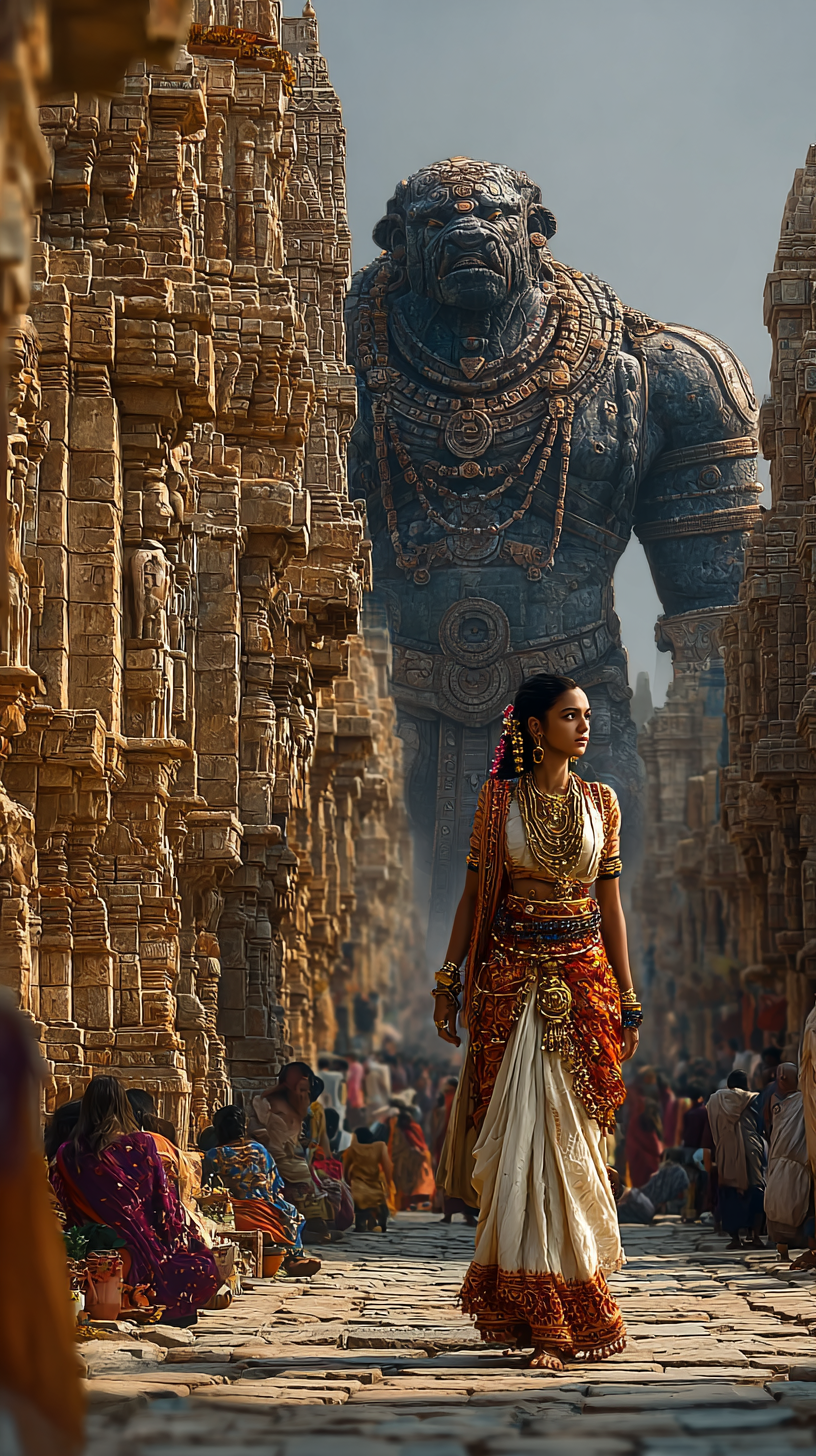
A visual visitor summary generated from this temple's article data.

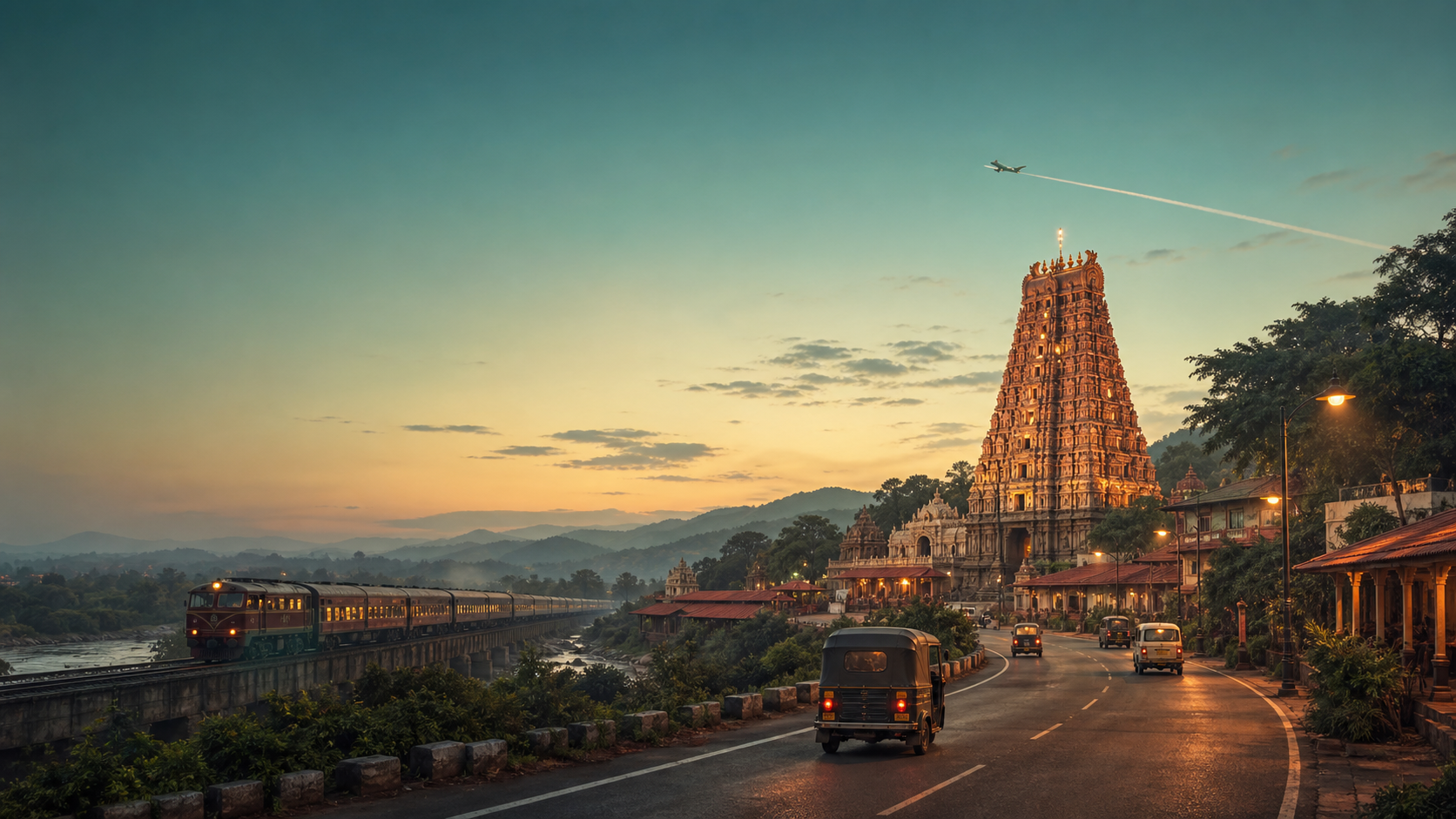
A complete pilgrim record drawn from the existing published article data.

{ "title": "Kurmanathaswamy Temple, Srikurmam: India’s Only Pre-14th-Century Kurma Avatar Temple", "meta_description": "Discover Kurmanathaswamy Temple in Srikurmam, Andhra Pradesh — the sole surviving pre-14th-century Indian temple exclusively dedicated to Vishnu’s Kurma avatar, with 108 unique pillars, Orissan Pattachitra murals, and a living star tortoise conservation sanctuary.", "primary_keyword": "Kurmanathaswamy Temple Srikurmam", "secondary_keywords": ["Kurma avatar temple", "Srikurmam temple history", "Eastern Ganga dynasty temples", "Vaishnava kshetra Andhra Pradesh", "Swetha Pushkarani tank", "Kurmanatha temple architecture", "108 ekasila pillars", "tortoise conservation temple India"], "tags": ["Kurma avatar", "Eastern Ganga dynasty", "Dravidian architecture", "Orissan Pattachitra", "Pitrukshetra", "Vaishnavism", "Srikakulam temples", "temple conservation", "Andhra Pradesh heritage"], "categories": ["hindu", "temples", "south-india", "vaishnavism", "archaeology", "religious-heritage"], "html": "
Did You Know? Kurmanathaswamy temple, Srikurmam is built in the Dravidian style, embodying the artistic and devotional traditions of its era.
Key Takeaway: Kurmanathaswamy temple, Srikurmam stands as a living monument to the spiritual, architectural, and cultural traditions of Andhra Pradesh.

BuiltBefore 11th century CE; major Vaishnava conversion in Saka 1035 CE (1113 CE)
Ruling DynastyEastern Ganga Dynasty (Odisha)
Architectural StyleKalinga-Dravidian fusion
Primary MaterialBlack stone and granite
Sanctum Dimensions5 ft (L) × 4 ft (W) × 1 ft (H); deity image: 2.5 ft long
Pillars108 unique ekasila (single-stone) pillars — none identical
DhvajasthambasTwo — east and west (rare in Vaishnava temples)
TankSwetha Pushkarani (also called Sudha Kundam), with white sand (Gopi Chandanam)
Heritage StatusState Protected Monument; featured on Indian postal stamp (11 April 2013)
ConservationOngoing mural & structural conservation; joint tortoise park management (AP Endowment Board & NGO Green Mercy)

Historical Foundation

Timeline

before 11th century CE; major expansion and conversion to Vaishnava khetra in 1035 CE (Saka era)Original construction by Anantavarman Chodaganga Deva.
LaterRenovated by Anangabhima Deva III.
LaterRenovated by Naraharitirtha.
ModernState Protected Monument (under Andhra Pradesh Hindu Religious and Endowment Board); featured on Indian postal stamp (11 April 2013).

Saka 1035 CE (1113 CE)Anantavarman Chodaganga Deva formally converts the shrine into a Vaishnava khetra; installs Kurmanathaswamy as presiding deity; initiates construction of pradakshina mandapa and dhvajasthambas
13th Century CEAnangabhima Deva III expands the perambulatory mandapa and commissions additional ekasila pillars; inscriptions record royal grants and agraharam settlements
c. 1250 CENaraharitirtha — disciple of Madhvacharya and royal preceptor to the Ganga kings — establishes Srikurmam as a Gurupitha (sacred seat of the master), institutionalising Dvaita Vedanta liturgy and Vaishnava sannyasa traditions
1315 CEInscription references Narasimha Dasa Pandita and Purushottama Deva as Bhoga Parikshas — royal auditors overseeing temple finances and grain distribution, confirming its administrative centrality
May 2011Andhra Pradesh State Archaeology Department launches conservation project for 42 Orissan Pattachitra murals; first systematic documentation of pigment degradation and plaster delamination
July 2014World-record hatchling event: 55 star tortoises emerge at the temple’s conservation park — a milestone celebrated as Kurma Prasada (divine boon)
2015Mass mortality of 31 star tortoises reported by The Times of India; triggers national debate on ethical temple-based wildlife conservation

From Shaiva Precursor to Vaishnava Sovereignty

The Ganga Kings’ Gurupitha

Naraharitirtha and the Institutionalisation of Dvaita

Architecture & Craftsmanship

The 108 Ekasila Pillars: A Stone Lexicon

Orissan Pattachitra Murals: Living Pigment Theology

Engineering Marvels: Sanctum Access & Hydraulic Wisdom

The Presiding Deity

Deity Profile

Vishnu as Kurmanathaswamy is the presiding deity worshipped at this temple.

  • Main Deity: Vishnu as Kurmanathaswamy
  • Form: Kurma (tortoise) avatar, worshipped as Kurmanathaswamy or Kurma Narayana
  • Consort: Lakshmi
  • Tradition: Vaishnava

Kurmanathaswamy: The Cosmic Tortoise Incarnate

Lakshmi as Kurmanayaki: Consort and Cosmogonic Partner

Iconographic Syncretism: Shaiva & Shakti Within Vaishnavism

Festivals & Living Traditions

Kalyanotsavam: The Eternal Marriage

Kurma Jayanthi & Mukkoti Ekadasi: Cosmic and Ancestral Time

Plan Your Visit

Visitor Tip: Plan your visit during January–March (post-monsoon, cooler climate); ideal during Dolotsavam (Phalguna) and Mukkoti Ekadasi for the most pleasant pilgrimage experience.

Logistics & Accessibility

Nearby Temple Circuit

Pro-Tip: Timing Your Darshan

Key-Takeaway

“The tortoise does not move to reach the shore — it is the shore. So too Kurmanatha: not a deity among many, but the very ground of being.”
Naraharitirtha, Prapannamrutam Commentary
“When the chisel meets the stone at Srikurmam, it does not carve an image — it releases a truth that was always waiting in the rock.”
ASI Epigraphic Survey Report, 2012
\"Srikurmam

The Kalinga-Dravidian fusion gopuram — a gateway between Odisha and Andhra architectural traditions

\"Orissan

Detail of Krishna Leela mural — one of 42 Orissan Pattachitra paintings conserved in 2011

\"Star

Indian star tortoises in the temple’s conservation park — the only such facility in India

\"Kurmanathaswamy

The west-facing sanctum with dual iconography: anthropomorphic Kurma Narayana and primordial tortoise image

Authoritative Sources

  • Prapannamrutam — Primary theological text referencing Balarama’s curse and Sthala Purana
  • Padma Purana — Describes Gopala Yantra consecration and Swetha Pushkarani’s origin
  • Andhra Pradesh State Archaeology Department Conservation Reports (2011–2015)
  • The Times of India investigative report on 2015 tortoise mortality (12 March 2015)
  • Epigraphia Indica Vol. XXVII — Critical edition of Saka 1035 CE inscription

Kurmanathaswamy temple, Srikurmam presiding deity" data-caption="Kurmanathaswamy temple, Srikurmam — figure 1">
Kurmanathaswamy temple, Srikurmam — figure 1
Kurmanathaswamy temple, Srikurmam — figure 2
Kurmanathaswamy temple, Srikurmam — figure 3
Kurmanathaswamy temple, Srikurmam — figure 4
Kurmanathaswamy temple, Srikurmam — figure 5
Kurmanathaswamy temple, Srikurmam — figure 6
Kurmanathaswamy temple, Srikurmam — figure 7
Kurmanathaswamy temple, Srikurmam — figure 8
Kurmanathaswamy temple, Srikurmam — figure 9

Related temples: Akkanna Madanna Caves | Balaji Temple, Ketkawla

Sacred Stories & Mythology

Sthala Purana

King Swetha Chakravarthi and his wife Vishnu Priya observed Ekadasi fast; when the king approached her during the fast, Vishnu created a stream separating them, leading to a flood. Vishnu Priya followed the king to Swetha Giri, where sage Narada initiated the Kurma Narayana mantra. Vishnu appeared as Kurma, used Sudarshana Chakra to form Swetha Pushkarani lake, and restored the king’s health. Brahma consecrated the deity with Gopala Yantra per Padma Purana.
The Curse of Balarama: Why Srikurmam Stands Alone

Swetha Pushkarani: The Lake Forged by Sudarshana

Gopi Chandanam: Sand That Turns White With Grace

Saints, Poets & Devotees

Ramanuja’s Disciples and the Sri Vaishnava Bridge

The Devadasis: Keepers of Sonic Memory

Records, Marvels & Heritage

The Tortoise Park: Where Conservation Meets Cosmology

Controversies and Continuity

🛕
Kurmanathaswamy Temple, Srikurmam: India’s Only Pre-14th-Century
Andhra Pradesh · India
Andhra Pradesh
Loading map…
✈️Delhi
🚂Mumbai
🚌Bengaluru

🗺 How to Reach

Hover a card to animate the journey on the map

✈️
By Air
Visakhapatnam (VTZ)
🚂
By Train
Vijayawada Jn
🚌
By Road
Buses & taxis from Andhra Pradesh
Pro tip: Book well in advance during major festival seasons.
Animated path

Route to Kurmanathaswamy Temple, Srikurmam: India’s Only Pre-14th-Century

📍
Bengaluru
🚌
NH 44100 km · 2.5 hrs
Krishnagiri
NH 4495 km · 2 hrs
Salem
NH 44165 km · 3 hrs
Dindigul
NH 4465 km · 1.5 hrs
🛕
Madurai
🚌 Exit Bengaluru via Hosur Road
🚌BengaluruKrishnagiriSalemDindigulMaduraiNH 44

Common Questions

Where is Kurmanathaswamy Temple, Srikurmam: India’s Only Pre-14th-Century located?

Kurmanathaswamy Temple, Srikurmam: India’s Only Pre-14th-Century is documented at Sri Kurmam, Andhra Pradesh.

Which deity is associated with Kurmanathaswamy Temple, Srikurmam: India’s Only Pre-14th-Century?

Kurmanathaswamy Temple, Srikurmam: India’s Only Pre-14th-Century is associated with Vishnu.

A Living Covenant

The temple article remains powered by the same published content pipeline. This view is only a presentation layer over the existing Hindu Mandir Yatra article data.