
A complete pilgrim record drawn from the existing published article data.
Discover the Ancient Pakbirra Temple
The Pakbirra Temple, nestled in the Purulia district of West Bengal, stands as a significant testament to ancient Jain heritage. This revered site offers a profound spiritual ambiance, drawing visitors seeking a glimpse into the region's rich cultural and religious past. Dedicated to Shitalnatha, the tenth Jain Tirthankara, the temple is not merely a place of worship but a historical landmark, preserving the legacy of Jainism in eastern India. Its serene environment provides a tranquil space for reflection and appreciation of its architectural and spiritual significance.
Jain Heritage Site
Pakbirra Temple is recognized as an important Jain heritage site, showcasing the enduring presence of Jain traditions in West Bengal's landscape. It represents a vital link to the historical spread of Jainism.
Spiritual Ambiance
The temple complex exudes a peaceful and contemplative atmosphere, conducive to spiritual introspection. Visitors often describe a sense of calm and reverence upon entering its sacred precincts.
Architectural Glimpses of Pakbirra
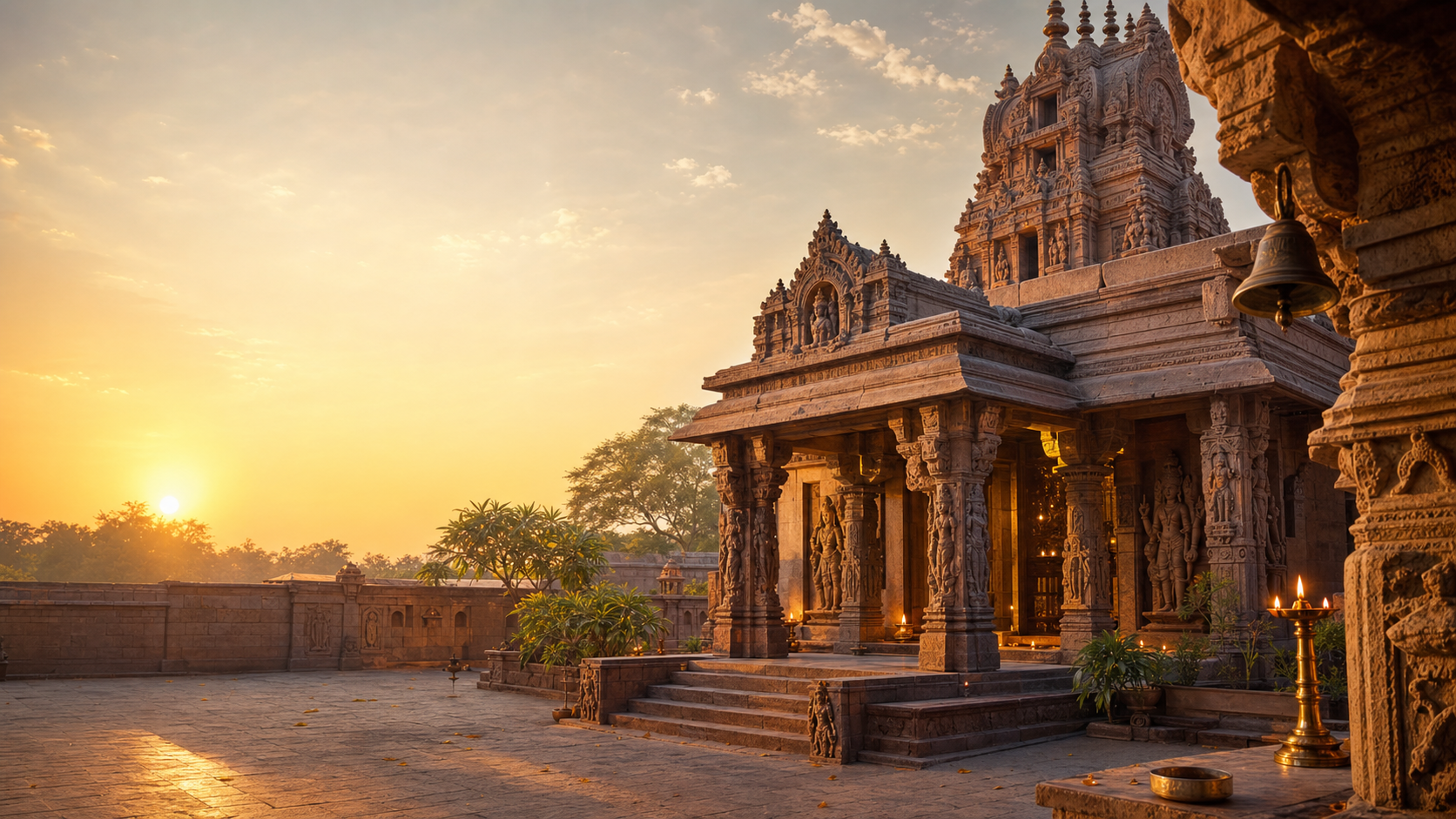
The architecture of Pakbirra Temple reflects the distinctive styles common in ancient Jain temple construction. Typically, these temples feature intricate stone carvings, a central sanctum (garbhagriha) housing the main deity, and often a pillared hall (mandapa). While specific details of Pakbirra's architecture would require on-site observation, it is generally characterized by robust stone masonry and decorative elements that tell stories or depict celestial beings. Such designs are not only aesthetically pleasing but also carry deep symbolic meaning within Jain philosophy.
Traditional Jain Architecture
Ancient Jain temples, including Pakbirra, often exhibit a consistent architectural vocabulary, emphasizing durability, intricate carvings, and a harmonious layout.
Stone Carvings and Details
The temple's structure likely incorporates detailed stone carvings, a hallmark of Jain artistry, which often depict religious motifs, figures, and auspicious symbols.
Shitalnatha: The Guiding Deity
The principal deity enshrined at Pakbirra Temple is Shitalnatha, the tenth Tirthankara in Jain theology. Tirthankaras are revered spiritual teachers who have conquered the cycle of birth and death and provide a path to liberation for others. Shitalnatha is often depicted in a meditative posture, symbolizing peace and inner tranquility. Devotees offer prayers and perform rituals, seeking spiritual guidance and blessings. The worship practices at Pakbirra adhere to traditional Jain customs, emphasizing non-violence, truth, and asceticism.
The Tenth Tirthankara
Shitalnatha is celebrated as the tenth of the twenty-four Jain Tirthankaras, revered for his teachings on self-control and the path to spiritual enlightenment.
Traditional Worship Practices
Worship at the temple typically involves silent prayer, meditation, and offerings such as fruits and flowers, all performed with deep reverence for the Tirthankara's ideals.
Planning Your Visit to Pakbirra Temple
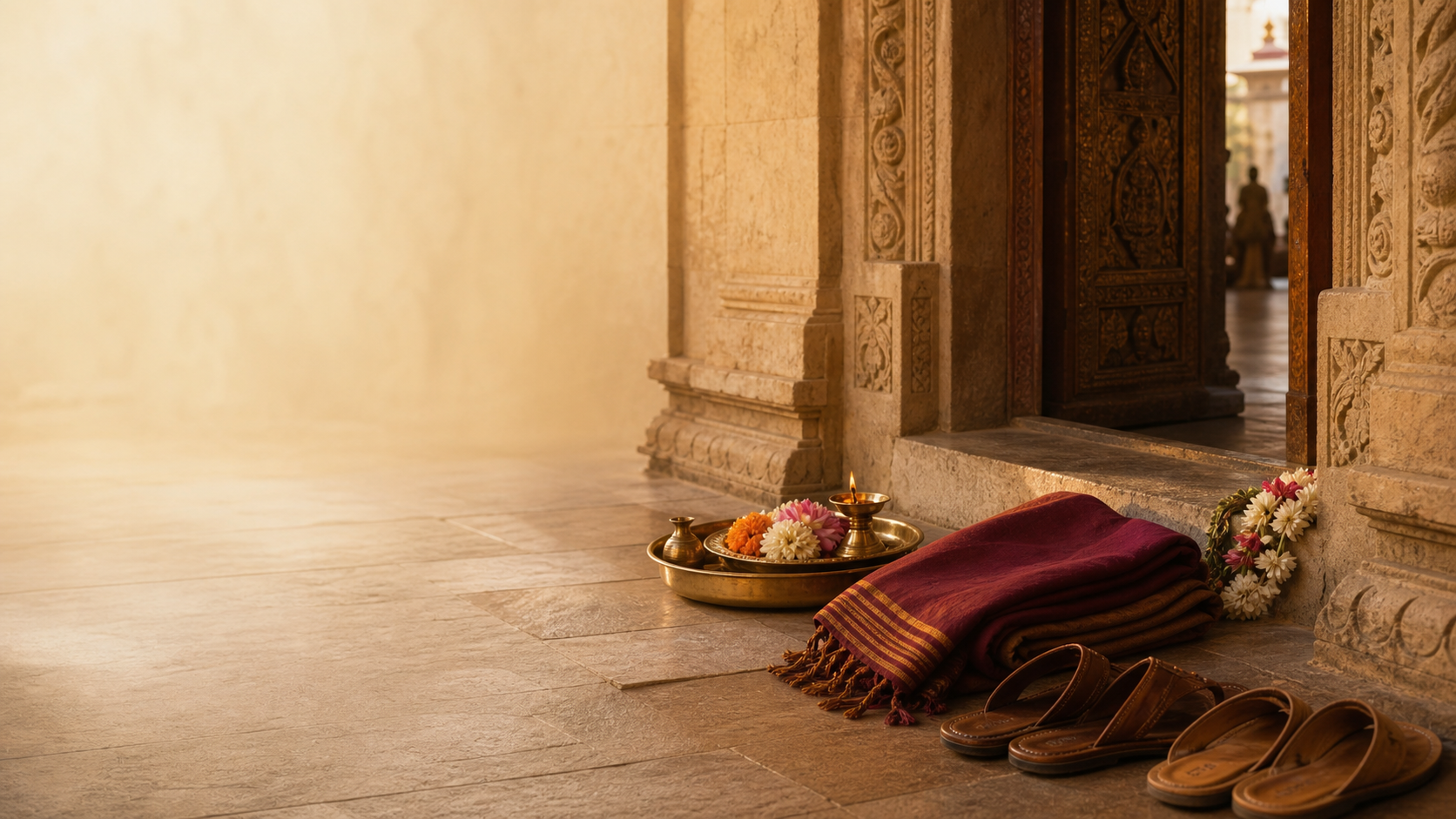
Visiting Pakbirra Temple offers a unique opportunity to connect with ancient history and spiritual tranquility. While specific timings may vary, temples generally welcome visitors during daylight hours. It is advisable to maintain respectful decorum, dress modestly, and remove footwear before entering the inner sanctums. The best time to experience the temple's serene environment is typically during the cooler months, from October to March, when the weather is pleasant for exploration and reflection. A visit typically spans a few hours, allowing ample time to appreciate the site's historical and spiritual significance.
Visitor Etiquette
Visitors are encouraged to observe temple etiquette, which includes dressing respectfully, maintaining silence, and showing reverence for the sacred space.
Best Time to Visit
The cooler, dry months between October and March are ideal for visiting Pakbirra Temple, offering comfortable weather for exploring the site and its surroundings.
General Expectations
Expect a peaceful and contemplative experience. Timings are typically during daylight hours, and photography may be restricted in certain areas.
| Deity | Shitalnatha |
|---|---|
| Form | Shitalnatha is the tenth Jain Tirthankara, revered as a spiritual teacher who achieved omniscience and liberation. He is typically depicted in a meditative posture. |
| Consort | N/A |
| Sampradaya | Jainism |
| Significance | As a Tirthankara, Shitalnatha guides followers towards spiritual enlightenment and liberation from the cycle of rebirth. His teachings emphasize non-violence, truth, and asceticism. |
The Path to Shitalnatha's Enlightenment
Shitalnatha, the tenth Tirthankara, embarked on a profound spiritual journey to attain omniscience and liberation. Born into royalty, he renounced worldly pleasures, embracing asceticism and deep meditation. Through rigorous self-discipline and unwavering commitment to non-violence and truth, he purified his soul. His enlightenment marked him as a guide, offering wisdom to those seeking freedom from the cycle of rebirth. His teachings continue to inspire millions, emphasizing compassion and the pursuit of inner peace, leading devotees towards their own spiritual awakening.
Non-violence is the highest religion.
The soul is pure, eternal, and capable of infinite knowledge and bliss.
Tracing the Temple's Historical Roots
The historical context of Pakbirra Temple is deeply intertwined with the ancient presence of Jainism in West Bengal. Evidence suggests its construction dates back centuries, indicating a flourishing Jain community in the region during earlier periods. The temple played a crucial role in the local religious landscape, serving as a center for worship and philosophical discourse. Its existence highlights the diverse religious tapestry that characterized ancient Bengal, with Jainism contributing significantly to the cultural and spiritual development of the area.
Jainism in West Bengal
Pakbirra Temple provides tangible proof of Jainism's historical roots and prevalence in West Bengal, particularly in the Purulia district, which was once a stronghold for the religion.
Ancient Religious Landscape
The temple is a key component in understanding the ancient religious diversity of the region, demonstrating the co-existence and influence of various faiths, including Jainism, in shaping local culture.
🗺 How to Reach
Hover a card to animate the journey on the map
Verified routes to Pakbirra
Common Questions
Where is Pakbirra Temple: Ancient Shrine of West Bengal located?
Pakbirra Temple: Ancient Shrine of West Bengal is documented at Puncha, West Bengal.
Which deity is associated with Pakbirra Temple: Ancient Shrine of West Bengal?
Pakbirra Temple: Ancient Shrine of West Bengal is associated with Shitalnatha.


