



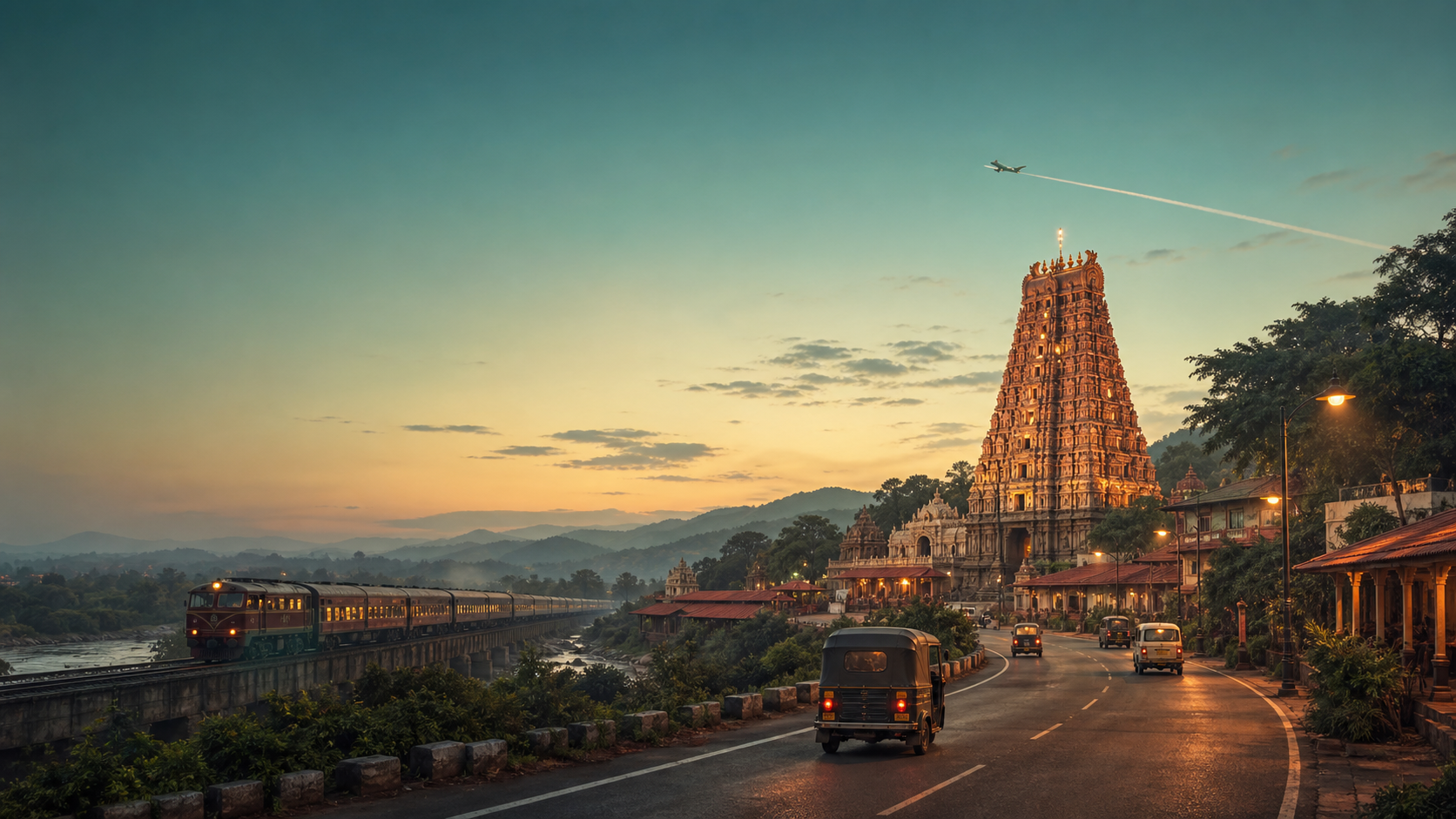
A complete pilgrim record drawn from the existing published article data.
Tracing the Ancient Lineage of Chhattisgarh's Temples
Chhattisgarh's lesser-known temples reveal a rich historical tapestry. Their origins often date back centuries, reflecting the devout patronage of various dynasties. These structures served as significant markers of architectural evolution and cultural exchange.
Early Patronage
Initial temple construction was supported by local Naga and Sarabhapuriya dynasties, fostering early building traditions.
Kalachuri Era
The Kalachuri dynasty (9th-13th centuries) significantly shaped temple architecture. Their patronage led to a proliferation of temples with distinctive styles.
Cultural Role
Temples were centers for learning, art, and community life. They disseminated religious philosophies and artistic traditions, embedding spiritual practices into the region's culture.
Distinctive Designs of Secluded Sanctuaries
Chhattisgarh's secluded temples exhibit a remarkable blend of indigenous and regional architectural elements, often utilizing locally sourced materials. Their designs reflect a rich tradition of craftsmanship, with each structure telling a story through its unique form and decoration. These sanctuaries provide a glimpse into the artistic heritage of the region, preserved away from mainstream attention.
Architectural Styles and Motifs
Many temples display a fusion of traditional Nagara and Dravidian architectural styles, adapted with local interpretations. Pillars, shikhara (spire) designs, and mandapa (hall) structures frequently incorporate distinct regional motifs and symbols, showcasing a unique regional identity.
Construction Materials and Techniques
Primarily constructed from durable local sandstone, granite, and laterite, these temples often feature intricate dry masonry techniques. The selection of materials speaks to the availability and resilience required for enduring structures, allowing for detailed sculptural work.
Intricate Carvings and Iconography
Every surface of these temples, from plinths to ceilings, is adorned with meticulous carvings. Depictions include mythological narratives, divine figures, celestial beings, floral patterns, and geometric designs. These intricate details serve both decorative and didactic purposes, reflecting prevalent artistic traditions.
The Diverse Deities and Rich Mythology of Chhattisgarh
Chhattisgarh's temples are vibrant centers of devotion, showcasing a rich tapestry of deities that reflect the state's diverse cultural fabric. Beyond the widely recognized pantheon of Hindu gods, these sacred sites also enshrine a multitude of indigenous folk deities, whose worship is deeply interwoven with local traditions and tribal heritage. The mythology surrounding these figures is often unique, blending ancient Puranic narratives with regional legends, local heroes, and nature spirits. This syncretic approach to divinity creates a distinct spiritual landscape, where tales of cosmic battles and divine interventions stand alongside stories of protective village spirits and ancestral veneration, offering a profound insight into Chhattisgarh's spiritual ethos.
Prominent Hindu Deities
Many temples across Chhattisgarh are dedicated to the principal deities of the Hindu pantheon. Lord Shiva is revered in various forms, often as the _lingam_. Vishnu, particularly in his avatars like Rama and Krishna, is also widely worshipped, especially in Vaishnavite traditions. Goddess Devi, manifesting as Durga, Kali, or Lakshmi, holds significant prominence, with numerous shrines devoted to her Shakti forms. These deities are frequently depicted in local artistic styles, showcasing regional interpretations of classical iconography.
Indigenous Folk Deities
A unique aspect of Chhattisgarh's spiritual landscape is the strong devotion to indigenous folk deities. These include _Gram Devi_ (village goddess), believed to protect the village and its inhabitants, and _Thakur Dev_ (village protector), often associated with the land and its fertility. Other revered figures include ancestral spirits, snake deities (_Nag Devta_), and various nature spirits, whose worship predates many mainstream Hindu practices and remains central to tribal and rural communities.
Unveiling Chhattisgarh's Hidden Spiritual Gems
Chhattisgarh holds numerous ancient, off-the-beaten-path temples, especially around Raipur. These serene, historically rich sites offer a unique spiritual journey, connecting visitors with profound regional history and architectural beauty in tranquil settings, far from typical crowds.
Serene Sanctuaries
These temples provide peaceful introspection, enhancing personal spiritual connection away from distractions.
Historical Narratives
Ancient architecture and carvings reveal past dynasties, offering insights into regional cultural evolution.
Unique Journeys
Discover local traditions and intimate worship, fostering personal, enriching encounters with faith beyond mainstream tours.
Planning Your Spiritual Expedition to Hidden Temples
Visiting Chhattisgarh's lesser-known temples offers a unique spiritual journey. Careful planning ensures a comfortable and respectful experience, especially as these sites are often in serene or remote locales.
Optimal Travel Period
The best time to explore is October to March. Cooler, pleasant weather enhances travel and exploration. Avoid the monsoon season (June-September) due to heavy rains and potential accessibility issues.
Respectful Conduct and Attire
Dress modestly, covering shoulders and knees. Remove footwear before entering temple premises. Photography may be restricted; always ask or observe signage. Maintain silence and respect local customs.
Preserving the Soul of Chhattisgarh's Spiritual Heritage
Chhattisgarh's off-the-beaten-path temples are more than just places of worship; they are vital repositories of the state's spiritual and cultural identity. These secluded shrines, often overlooked, safeguard ancient traditions, indigenous art forms, and unique architectural styles that define the region's heritage. Their continued existence ensures that the profound spiritual legacy and historical narratives of Chhattisgarh are not lost, but rather passed down through generations, enriching the cultural fabric of the state.
Guardians of Ancient Traditions
These temples often house rare deities and follow rituals that predate more mainstream practices. They serve as living museums, preserving folk tales, local customs, and devotional songs passed down orally for centuries, offering a glimpse into Chhattisgarh's rich spiritual past.
Architectural and Artistic Legacy
The craftsmanship found within these remote temples showcases distinct regional architectural styles and artistic expressions. From intricate carvings depicting local mythologies to unique construction techniques, they represent a significant chapter in the state's art and architectural history, often utilizing local materials.
| Deity | Multiple |
|---|---|
| Form | Unknown |
| Consort | Unknown |
| Sampradaya | Other |
| Significance | Unknown |
The Unwritten Tales of Chhattisgarh's Hidden Sanctuaries
The off-the-beaten-path temples of Chhattisgarh, often dedicated to multiple deities, hold a mystique born from their anonymity. Unlike prominent pilgrimage sites with well-documented legends, the stories of these lesser-known shrines are often preserved in local folklore, passed down through generations, or perhaps lost to time. Each temple, though its specific narrative might be unrecorded, stands as a testament to the enduring faith and rich cultural tapestry of the region. Visitors are encouraged to explore these sites not just for their architectural beauty, but also to imagine the countless untold stories of devotion, community, and ancient traditions that permeate their sacred spaces. Their true stories await discovery by those who venture off the main path.
Seek not the path well-trodden, but the hidden shrines where devotion whispers in the ancient stones.
In the quiet corners of faith, one finds the deepest reflections of the divine.
Related temples: Arang Jain temples | ASI Protected Temples: India's Archaeological Treasures
🗺 How to Reach
Hover a card to animate the journey on the map
Route to Temple
Related Temples


A Living Covenant