




A complete pilgrim record drawn from the existing published article data.
Beyond Stone and Structure: The Art and Soul of Meghalaya's Sacred Spaces
Meghalaya's sacred sites are characterized by distinctive architectural styles, often blending with natural formations, and are deeply intertwined with local cultural practices. Unlike conventional temple architecture, many sites showcase indigenous building techniques using local materials, or are natural caves and rock shelters adapted for worship. The revered sacred groves exemplify a profound respect for nature, where the forest itself is the sanctuary. Rituals, music, dance, and oral traditions are integral to the spiritual experience, animating these spaces and reflecting the unique heritage of the Khasi, Jaintia, and Garo communities.
Distinctive Architectural Styles
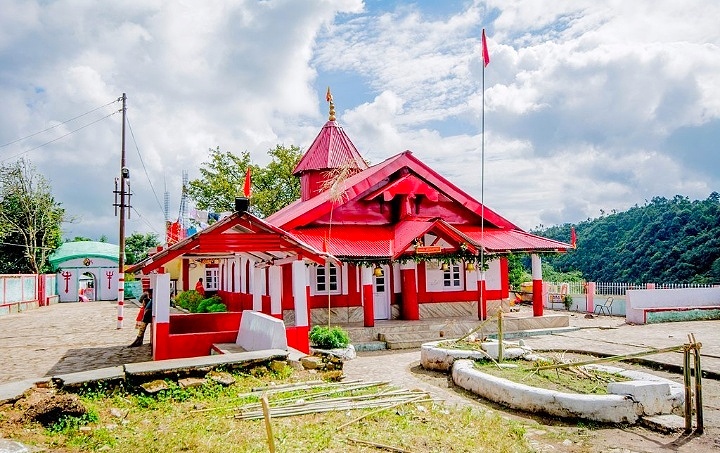
The sacred spaces often feature unique indigenous architectural elements, utilizing local stone and wood, sometimes integrated with natural rock formations.
Natural Sacred Formations
Many sites are natural caves, waterfalls, or rock shelters, revered for their inherent spiritual power and adapted for devotional practices.
Cultural Practices and Rituals
Beyond physical structures, the soul of these spaces lies in the vibrant cultural practices, rituals, music, and dances that are performed by local communities.
Discovering the Meghalaya Temple Trail: A Spiritual Sojourn
The Meghalaya Temple Trail offers a unique 7-day spiritual journey through the state's breathtaking landscapes. This trail is designed to immerse visitors in a blend of natural beauty, ancient traditions, and profound spiritual significance. It showcases the rich cultural tapestry of Meghalaya, where indigenous beliefs intertwine with diverse devotional practices. The itinerary guides pilgrims and travelers alike through sacred sites, providing an opportunity for introspection and connection with the divine amidst serene environments. This curated experience highlights the lesser-known spiritual gems of the region, promising an enriching and unforgettable pilgrimage.
An Introduction to the Trail
This trail is a meticulously planned route designed to explore the spiritual essence of Meghalaya over seven days, offering a deep dive into its sacred heritage.
Nature's Embrace and Spirituality
The journey seamlessly integrates visits to ancient temples and sacred groves with the exploration of Meghalaya's pristine natural beauty, fostering a holistic spiritual experience.
The 7-Day Pilgrimage Overview
The itinerary is structured to provide a comprehensive spiritual immersion, moving through various significant sites each day, reflecting the region's diverse devotional landscape.
Navigating Your Pilgrimage: A Day-by-Day Itinerary Snapshot
This section offers a high-level overview of the proposed 7-day Meghalaya Temple Trail, outlining the general flow and types of spiritual experiences awaiting travelers. Each day is designed to progressively deepen the spiritual connection, moving from introductory sites to more profound and secluded sacred spaces. The itinerary balances temple visits with exploration of natural wonders, cultural interactions, and moments of quiet contemplation. Expect a journey that combines physical travel with spiritual discovery, offering diverse insights into Meghalaya's religious heritage and natural splendor.
Daily Spiritual Progression
The itinerary is structured to guide visitors through a gradual spiritual journey, with each day introducing new sacred sites and experiences.
Diverse Experiences Awaiting
Travelers can anticipate a mix of temple visits, nature exploration, cultural engagements, and opportunities for personal reflection throughout the week.
The Flow of the Trail
The trail is designed to ensure a smooth transition between locations, maximizing time for spiritual engagement and scenic appreciation across the seven days.
The Sacred Heart of Meghalaya: Indigenous Beliefs and Divine Connections
Meghalaya's spiritual landscape is a vibrant mosaic of indigenous animistic traditions, deeply revered sacred groves, and influences from various faiths. The Khasi, Jaintia, and Garo communities uphold ancient belief systems centered on nature worship and ancestor veneration. Sacred groves, known as Law Kyntang, are vital ecological and spiritual sanctuaries, protected for centuries. These sites are believed to be abodes of deities and spirits, playing a crucial role in community rituals and identity. The region's unique devotional practices reflect a profound respect for nature and a harmonious coexistence of diverse spiritual expressions.
Indigenous Animistic Traditions
The local communities of Meghalaya practice ancient animistic faiths, revering natural elements and ancestral spirits as central to their spiritual lives.
The Significance of Sacred Groves
Sacred groves, or Law Kyntang, are protected natural areas considered holy, serving as places of worship and preserving biodiversity, embodying the spiritual connection to nature.
Diverse Faiths and Devotional Practices
Beyond indigenous beliefs, Meghalaya's spiritual tapestry is enriched by the presence and influence of other faiths, contributing to a unique blend of devotional expressions.
Sanctuaries of Serenity: Unveiling Meghalaya's Principal Sacred Sites
The Meghalaya Temple Trail encompasses a collection of significant temples, ancient sacred groves, and spiritual landmarks, each holding unique importance. These sites are not merely architectural structures but living centers of faith and tradition. Visitors will encounter places dedicated to indigenous deities, ancestral spirits, and various Hindu traditions, reflecting the state's diverse religious landscape. From rock-cut shrines to vibrant community temples, and the serene Law Kyntang, each location offers a distinct spiritual experience and insight into the local culture. The trail highlights both well-known pilgrimage spots and hidden gems.
Key Temples and Shrines
The trail features several prominent temples, including ancient structures and more recent additions, dedicated to various deities and spiritual practices.
Exploring Sacred Groves (*Law Kyntang*)
Integral to the trail are the revered sacred groves, which are ancient, protected forests considered holy and central to indigenous spiritual life.
Other Spiritual Landmarks
Beyond temples and groves, the journey includes visits to other significant spiritual sites, such as natural formations and ceremonial grounds.
Embarking on Your Trail: Practical Advice for a Meaningful Visit
For a smooth and respectful Meghalaya Temple Trail experience, practical planning is essential. The best time to visit is from October to April, offering pleasant weather for exploration. Visitors should familiarize themselves with local customs and etiquette, particularly when entering sacred sites and interacting with communities. Respectful attire is advised. Transportation within Meghalaya often involves local buses or hired cars from Shillong. Accommodation options range from guesthouses to homestays, providing a chance to experience local hospitality. Always contact the temple office or local tourism for the most current timings and entry information.
Best Time to Visit
The ideal period for the temple trail is between October and April, when the weather is cool and dry, making travel and exploration comfortable.
Local Customs and Etiquette
Respecting local traditions, dressing modestly, and seeking permission before photography are crucial for a culturally sensitive visit.
Logistics: Transport and Accommodation
Plan transportation in advance, typically from Shillong, and secure accommodation that aligns with your comfort and cultural immersion preferences.
| Deity | Multiple Deities |
|---|---|
| Form | The temple trail encompasses various temples, each potentially housing different deities in their respective forms. Specific forms are not detailed for the trail as a whole. |
| Consort | Given the presence of multiple deities across the trail, specific consorts would vary by individual temple. No single consort is identified for the entire trail. |
| Significance | The spiritual significance of the Meghalaya Temple Trail lies in the diverse religious practices and beliefs represented by the various temples along its route. Each temple contributes to the rich spiritual landscape of the region. |
The Unfolding Path of Devotion
The Meghalaya Temple Trail, rather than being centered around a single mythological narrative, embodies a collective spiritual journey. Each temple along its route, though distinct in its deity and local legends, contributes to a larger tapestry of faith. Visitors embark on a pilgrimage, discovering diverse traditions and ancient practices that have shaped the region's spiritual landscape over centuries. The trail itself is a story of continuous devotion, where each sacred site offers a unique encounter with the divine, reflecting the rich cultural heritage of Meghalaya.
The path of devotion is a journey of discovery, where every temple holds a unique story and a sacred presence.
Across Meghalaya's sacred trails, faith weaves a vibrant tapestry of diverse traditions and timeless devotion.
Related temples: ASI Protected Temples: India's Archaeological Treasures | Bahrot Caves
🗺 How to Reach
Hover a card to animate the journey on the map
Route to Temple
Related Temples

A Living Covenant