A complete pilgrim record drawn from the existing published article data.
Tracing the Ancient Origins and Evolution of Ugra Tara
The Maa Ugra Tara Temple boasts a rich historical narrative, with its origins steeped in ancient legends. Local folklore recounts its founding centuries ago, establishing it as a site of profound religious significance. Over time, the temple has undergone various phases of construction and renovation, reflecting the architectural styles and devotional fervor of different eras. These historical developments have contributed to its enduring legacy, preserving its sacred character and ensuring its continuous role as a center of worship through generations.
Legendary Founding
Oral traditions and ancient texts point to the temple's establishment in a distant past, often linked to mythical events.
Historical Development
Archaeological findings and historical records indicate periods of expansion and reconstruction, shaping its current form.
Enduring Legacy
Despite the passage of centuries, the temple has maintained its sanctity and continues to attract pilgrims and devotees.
The Distinctive Architecture of Maa Ugra Tara Temple
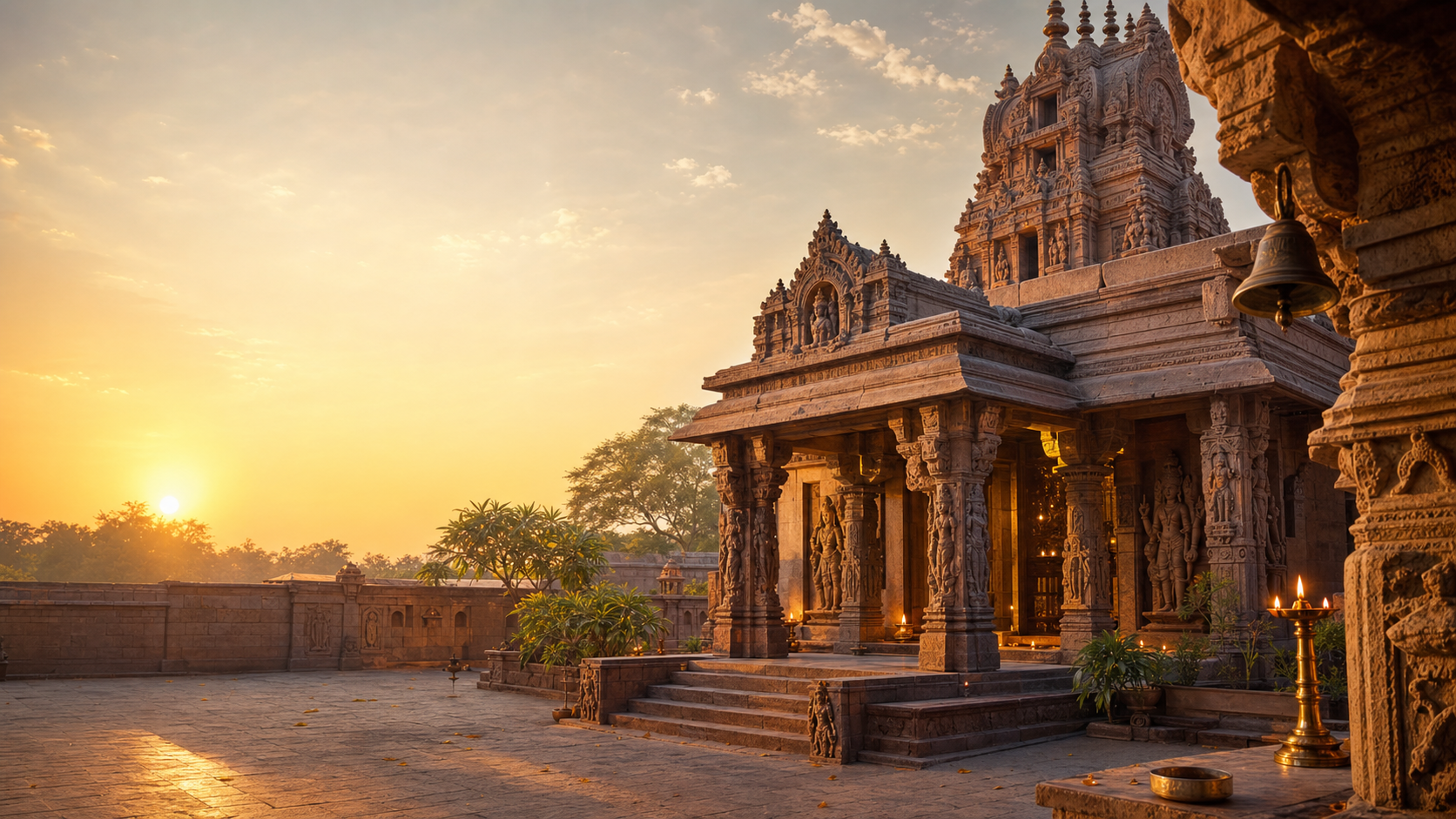
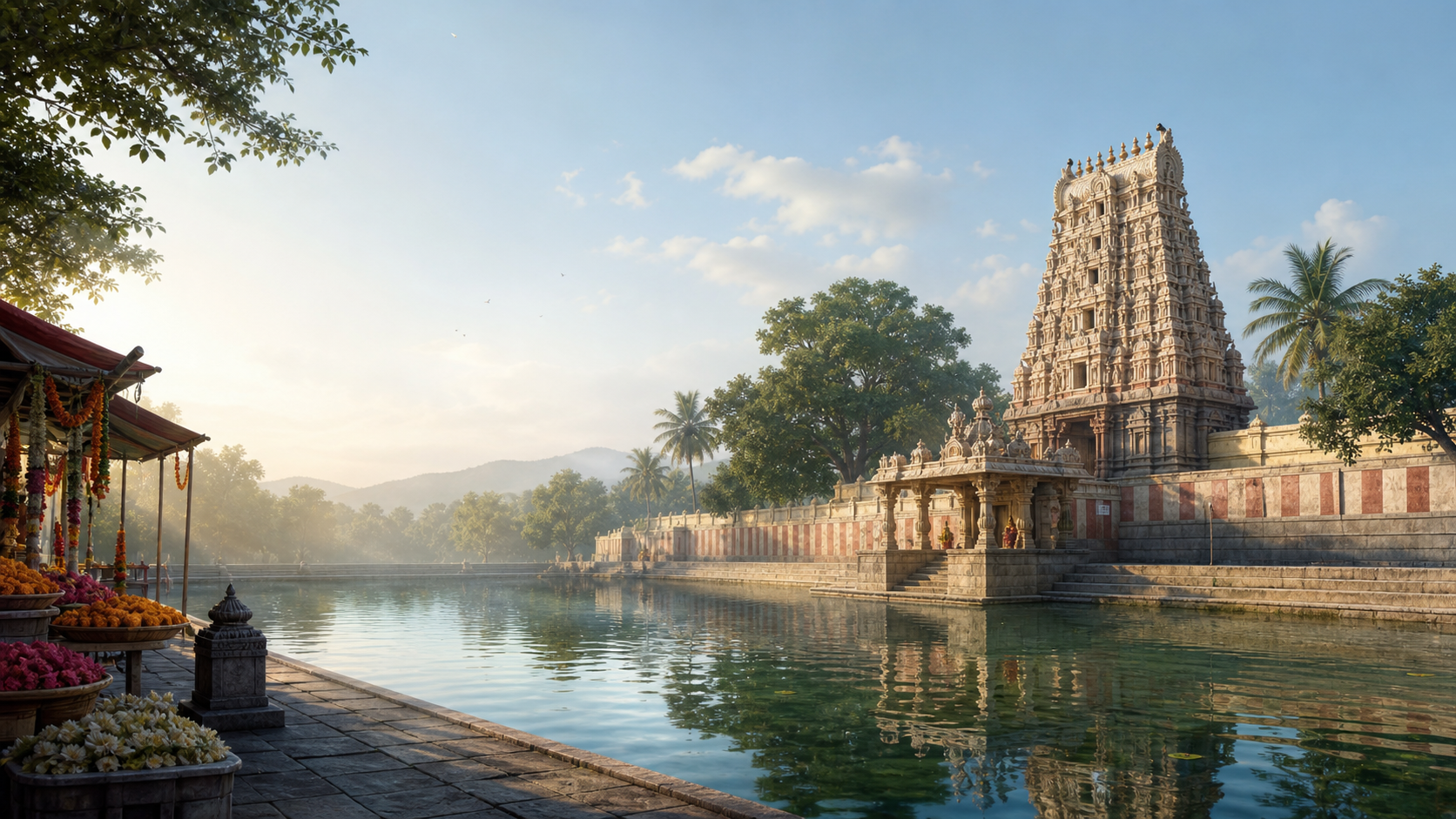
The Maa Ugra Tara Temple exemplifies traditional Odishan architectural styles, showcasing a distinctive blend of regional design principles. Its structural elements typically feature the rekha deula (sanctum) and pidha deula (assembly hall) forms, characteristic of Kalinga architecture. Constructed primarily from local sandstone, the temple's exterior is often adorned with intricate carvings depicting deities, mythological figures, and floral motifs. These artistic embellishments not only enhance its aesthetic appeal but also convey deep symbolic meanings, reflecting the rich cultural heritage of Orissa.
Kalinga Style Influence
The temple's design adheres to the classical Kalinga architectural style, prominent in ancient and medieval Orissa.
Structural Features
Key components include the curvilinear spire over the sanctum and the pyramidal roof of the entrance hall.
Artistic Details
The walls are embellished with detailed sculptures and friezes, narrating religious tales and showcasing local craftsmanship.
Ugratara: Iconography, Mythology, and Devotion
Goddess Ugratara is a fierce and powerful manifestation of the Divine Mother, revered within the Tantric tradition of Hinduism. Her iconography typically depicts her with a potent, awe-inspiring form, often holding various weapons and symbols associated with destruction of evil and protection of devotees. Mythology surrounding Ugratara highlights her role as a savior and bestower of liberation, making her a focal point of intense devotion. Worship at the temple involves specific rituals and offerings, believed to invoke her protective energies and grant boons to her followers.
Mythological Context
Ugratara is often associated with the ten Mahavidyas, representing cosmic wisdom and fierce aspects of the Goddess.
Iconographic Representation
Her idol typically portrays a formidable deity, often blue-skinned, with multiple arms wielding weapons and a garland of skulls.
Rituals and Worship
Devotees engage in specific tantric pujas and offerings, seeking protection, prosperity, and spiritual liberation from the Goddess.
Planning Your Pilgrimage to Maa Ugra Tara Temple
Planning a pilgrimage to Maa Ugra Tara Temple involves considering transport and local customs. The temple is approximately 65 km from Bhubaneswar, accessible via NH16. Regular buses run to Tangi Bus Stand, from where local auto-rickshaws or taxis complete the journey. Tangi Railway Station (TGI) is also an option. For air travelers, Biju Patnaik International Airport (BBI) in Bhubaneswar is the nearest airport. The temple is open from 6:00 AM to 1:00 PM and 4:00 PM to 9:00 PM. Entry is free, and traditional attire is preferred, with footwear removed before entering. The best time to visit is October to March.
Getting There
The temple is approximately 65 km from Bhubaneswar. Buses are available to Tangi Bus Stand, followed by local transport. Tangi Railway Station (TGI) is nearby. Biju Patnaik International Airport (BBI) in Bhubaneswar is the nearest airport, about 70-75 km away. Parking is available near the temple.
Visitor Guidelines
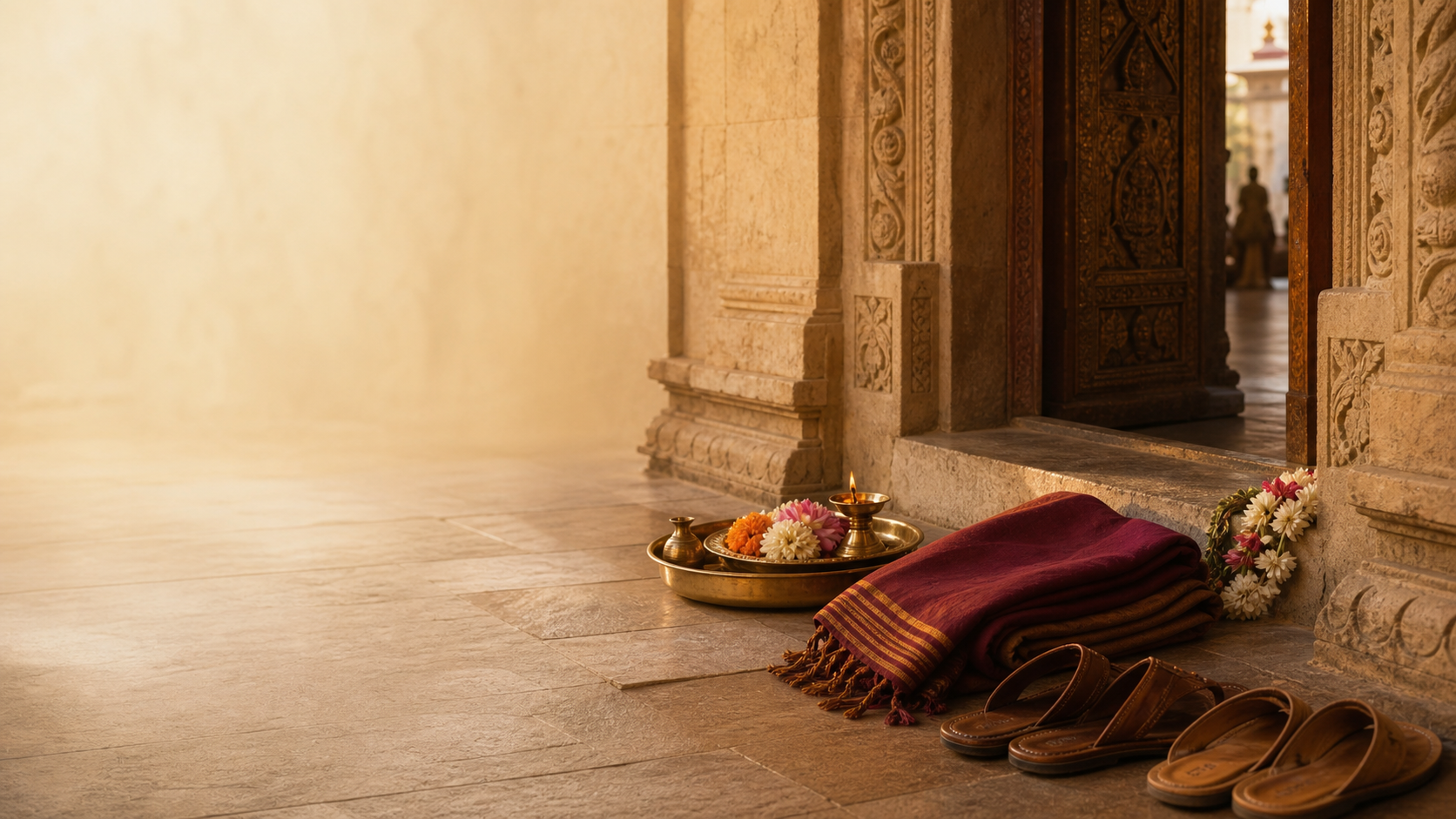
The temple timings are 6:00 AM – 1:00 PM and 4:00 PM – 9:00 PM. Entry is free. Visitors are encouraged to wear traditional attire and remove footwear before entering the temple premises.
Optimal Visiting Period
The best time to visit Maa Ugra Tara Temple is during the cooler months, from October to March, for a more comfortable pilgrimage experience.
| Deity | Ugratara |
|---|---|
| Form | Fierce manifestation of Tara, a Mahavidya |
| Consort | Not available |
| Sampradaya | Hindu |
| Significance | Ugratara is a fierce manifestation of the goddess Tara, one of the ten Mahavidyas, revered for her protective and destructive powers, symbolizing primordial wisdom. |
Legend of Maa Ugra Tara
While specific mythological stories detailing the origin or unique legends of this particular Maa Ugra Tara temple in Orissa were not provided in the source data, Ugratara herself is a significant deity. She is revered as one of the ten Mahavidyas, a fierce form of the goddess Tara, symbolizing primordial wisdom and the power to overcome obstacles. Devotees visit to seek her protection and blessings, believing in her formidable strength to ward off evil and grant spiritual insight.
Embrace the power of Ugratara, the fierce protector and bestower of wisdom.
In the presence of Ugratara, find strength to overcome obstacles and attain spiritual insight.
Maa Ugra Tara Temple: A Beacon of Shakti in Orissa
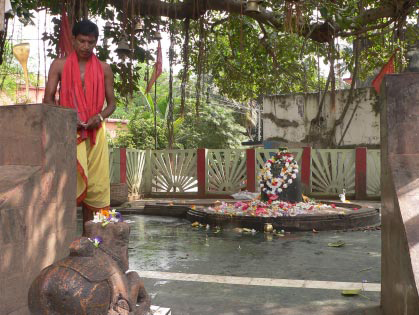
The Maa Ugra Tara Temple, nestled in Mulajharigarh village near Tangi in Orissa, stands as a revered Hindu shrine dedicated to Goddess Ugratara. This ancient temple is a significant beacon of Shakti worship in the region, drawing devotees seeking blessings from the fierce manifestation of the Divine Mother. It plays a central role in the spiritual and cultural life of the local community, serving as a vital center for religious practices and traditional observances. Its prominence as a Shakti Peeth underscores its deep spiritual importance within the Hindu tradition.
Spiritual Significance
The temple is considered a powerful center for spiritual seekers, embodying the divine feminine energy of Shakti.
Local Devotion
It is deeply integrated into the lives of the local community, who regularly participate in its rituals and festivals.
Shakti Tradition
As a Shakti Peeth, the temple is a focal point for the worship of the Goddess in her fierce Ugratara form.
🗺 How to Reach
Hover a card to animate the journey on the map
Verified routes to Maa Ugra Tara
Common Questions
Where is Maa Ugra Tara: Kalinga Dynasty's Ancient Guardian Deity located?
Maa Ugra Tara: Kalinga Dynasty's Ancient Guardian Deity is documented at Tangi, Orissa.
Which deity is associated with Maa Ugra Tara: Kalinga Dynasty's Ancient Guardian Deity?
Maa Ugra Tara: Kalinga Dynasty's Ancient Guardian Deity is associated with Ugratara.