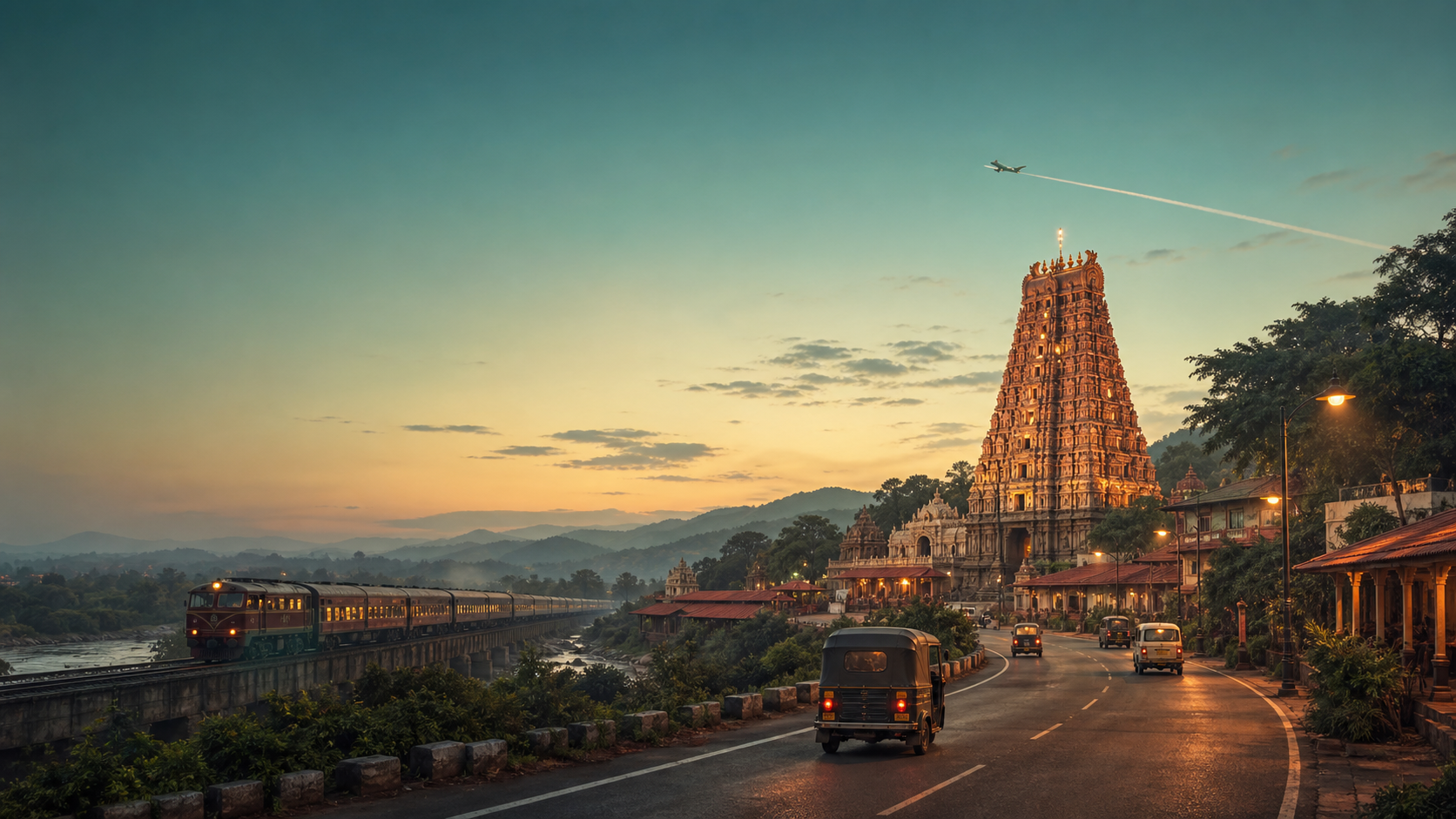
A complete pilgrim record drawn from the existing published article data.
Nagara Grandeur and Erotic Art: The Distinctive Architecture of Khajuraho
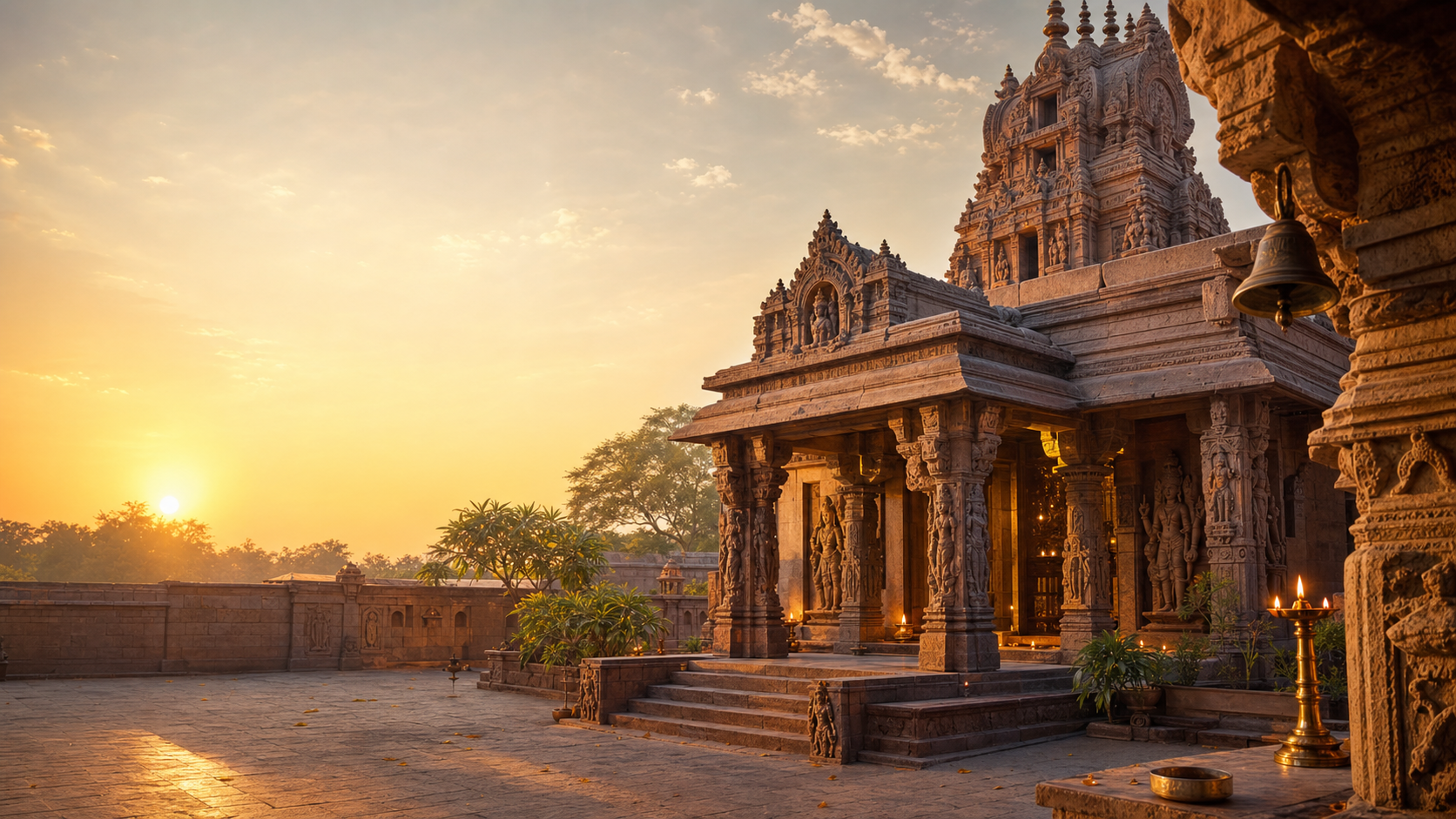
Khajuraho's temples stand as a supreme example of the Nagara style of architecture, specifically the Central Indian Nagara, characterized by its curvilinear spires (shikharas) that ascend gracefully to a point. Crafted primarily from sandstone, these structures are adorned with an unparalleled density of intricate carvings, depicting deities, celestial beings, mythical creatures, and everyday life. A unique aspect is the integration of sacred and secular themes, most notably the extensive corpus of mithuna (erotic) sculptures. These carvings, while often misunderstood, are considered integral to the temple's spiritual narrative, symbolizing fertility, cosmic union, and auspiciousness, and are revered by some for fertility blessings.
Pinnacle of Nagara Style
The temples feature characteristic Nagara elements, including a towering shikhara, elaborate mandapas, and a unified structural plan, all carved from sandstone.
Intricate Carvings
Every surface is covered with detailed sculptures, from divine figures to musicians and dancers, reflecting the rich cultural and religious life of the Chandela period.
The Erotic Sculptures
The celebrated mithuna sculptures are a distinctive feature, representing prosperity, cosmic union, and spiritual liberation, rather than merely secular art.
A Confluence of Faiths: Deities and Spiritual Narratives at Khajuraho
Khajuraho's temple complex stands as a testament to the religious tolerance prevalent during the Chandela period, housing shrines dedicated to both Hindu and Jain traditions. The majority of the temples are Hindu, primarily dedicated to Shiva (as Mahadeva) and Vishnu, reflecting the Shaiva and Vaishnava traditions. Alongside these, several significant temples are consecrated to Jain Tirthankaras. This unique coexistence of sacred spaces for two major religions within one complex embodies a rich tapestry of spiritual beliefs and philosophical expressions, showcasing a harmonious blend of devotional practices.
Hindu Deities
Most temples honor Hindu deities, with Shiva being the main deity, often worshipped as Mahadeva, alongside Vishnu in various incarnations.
Jain Tirthankaras
A significant portion of the complex is dedicated to Jainism, featuring temples consecrated to various Tirthankaras, reflecting the diverse spiritual landscape.
Religious Harmony
The presence of both Hindu and Jain temples highlights a period of religious tolerance and peaceful coexistence, a hallmark of Chandela rule.
From Chandela Patronage to Rediscovery: Khajuraho's Enduring Legacy
The magnificent temples of Khajuraho were primarily constructed between the 10th and 12th centuries CE under the patronage of the powerful Chandela dynasty. Kings like Yashovarman and Dhanga oversaw this period of intense architectural activity, establishing Khajuraho as a vibrant religious and cultural hub. After centuries of prominence, the site gradually faded into obscurity, becoming overgrown and largely forgotten. Its rediscovery in the 19th century by British colonial authorities initiated efforts towards its preservation, continued today by the Archaeological Survey of India, ensuring its enduring legacy.
Chandela Dynasty's Vision
The Chandela kings, including Yashovarman and Dhanga, were the primary patrons, conceiving the temples as a sacred mandala and a testament to their divine sovereignty.
Period of Construction
Construction flourished from the 10th to 12th century CE, marking a significant era of artistic and religious development in Central India.
Rediscovery and Preservation
After centuries of neglect, the temples were rediscovered in the 19th century, leading to extensive renovation and preservation efforts by British authorities and later the Archaeological Survey of India.
The Enigmatic Temples of Khajuraho: A UNESCO World Heritage Site
The Khajuraho Group of Monuments, a UNESCO World Heritage Site since 1986, represents a pinnacle of medieval Indian art and architecture. Constructed between the 10th and 12th centuries CE, these temples are celebrated worldwide for their intricate carvings and distinctive Nagara style. They are particularly renowned for their captivating sculptures, which depict a wide array of themes, from divine beings and celestial dancers to everyday life and the often-discussed erotic mithuna figures, making them a unique cultural and artistic marvel.
Global Recognition
Designated a UNESCO World Heritage Site in 1986, Khajuraho gained international acclaim for its exceptional universal value.
Architectural Marvel
The temples showcase the distinct Khajuraho style, a sophisticated form of Nagara architecture characterized by towering spires and ornate detailing.
Iconic Sculptural Art
Khajuraho's sculptures, including its famous erotic depictions, are central to its global renown, illustrating a broad spectrum of human and divine experiences.
Experiencing Khajuraho: A Guide for Travelers
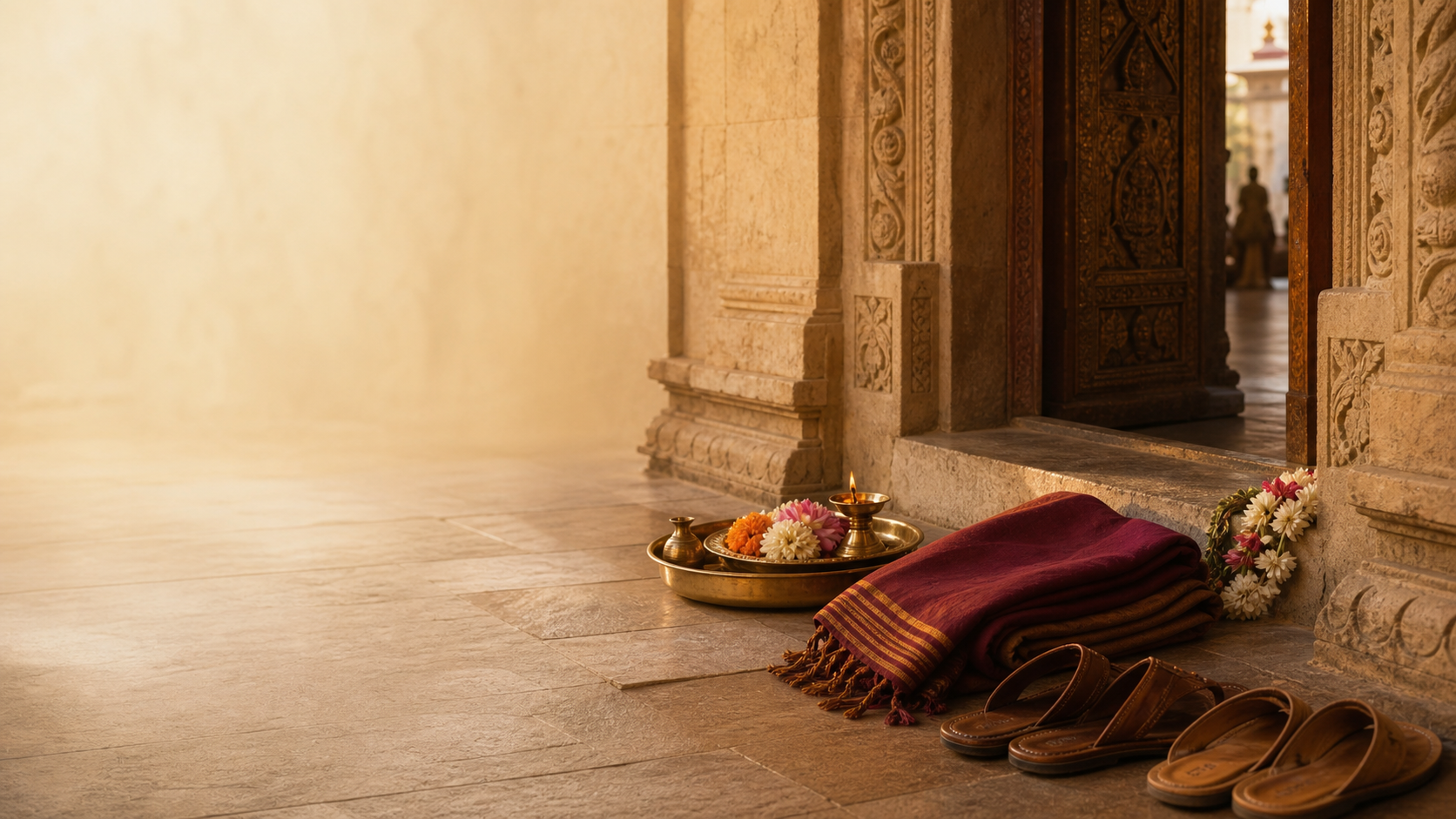
To fully appreciate the historical and artistic grandeur of Khajuraho, visitors are advised to plan their trip between October and March, coinciding with pleasant weather and the vibrant Khajuraho Dance Festival in February. The temple complex is divided into Western, Eastern, and Southern groups, each offering unique architectural insights. Modest dress and removing footwear before entering temple plinths are required. A 2-3 day visit allows ample time to explore the intricate carvings and engage with the profound cultural and spiritual significance of this UNESCO World Heritage Site.
Best Time to Visit
The ideal period is October to March, particularly February, when the Khajuraho Dance Festival enlivens the site.
Exploring the Temple Groups
The temples are categorized into Western, Eastern, and Southern groups, each accessible and offering distinct architectural styles and narratives.
Practical Information
Entry fees apply, managed by the Archaeological Survey of India. Visitors should adhere to a modest dress code and remove footwear before entering temple plinths.
| Deity | Shiva |
|---|---|
| Form | Shiva is primarily worshipped as Mahadeva, often represented by a Lingam, particularly in the Kandariya Mahadeva temple. Other forms include Varaha (Vaishnava) and Devi (Shakta), reflecting the syncretic nature of the temples. |
| Consort | Parvati |
| Sampradaya | Shaiva |
| Significance | The temples feature a syncretic Shaiva-Vaishnava-Shakta iconography, including unusual composite forms like Ardhanarishvara. The site was believed to be an abode of divine feminine energy and the cosmic dance of Shiva, with temple patronage seen as divinely sanctioned. |
The Cosmic Vision and Royal Mandate
The Chandella kings envisioned Khajuraho as a sacred mandala, a cosmic blueprint on earth, believing their rule was divinely sanctioned through ritual worship and temple patronage. Legend says a revered sage received a vision, designating the site as the hallowed abode of divine feminine energy, Shakti, and where Lord Shiva performed his eternal cosmic dance as Mahadeva. During consecration, celestial apsaras reportedly emerged, blessing the space and weaving the heavens with the earthly realm, imbuing the land with unparalleled sanctity and purpose.
The stones of Khajuraho whisper tales of divine love, cosmic dance, and the intricate balance between the spiritual and the sensual, a timeless testament to human devotion.
More than mere art, the carvings at Khajuraho are a profound expression of life's fullness, inviting contemplation on dharma, artha, kama, and moksha.
Related temples: Aranya Devi Temple, Arrah | Bageshwar Dham Balaji Temple
Scholarly Studies
L. A. Narain's "Khajuraho: Temples of Ecstasy" occupies a significant position within the extensive scholarly literature dedicated to these iconic Indian monuments. While numerous academic texts have explored Khajuraho's architecture, sculpture, and religious significance, Narain's contribution is particularly noted for its comprehensive yet accessible approach. The book meticulously documents the intricate carvings and structural nuances, often providing fresh perspectives on the socio-religious contexts that shaped their creation. It serves as a valuable reference for art historians, archaeologists, and cultural studies scholars seeking a deeper understanding of the Chandela dynasty's artistic patronage and the philosophical underpinnings of the temples' erotic imagery. Its detailed photographic essays complement the textual analysis, offering visual evidence that supports and enhances academic inquiry into the site's complex history and symbolism. Beyond mere description, Narain's work engages with ongoing academic debates surrounding Khajuraho, particularly concerning the interpretation of its explicit sculptures. The author navigates the complexities of tantric philosophy, Hindu iconography, and social practices of the medieval period, offering nuanced arguments that contribute to a more holistic understanding. Unlike some purely academic treatises, the book manages to bridge the gap between rigorous scholarship and broader public interest, making its insights accessible without compromising intellectual depth. Its detailed bibliographical references and critical analysis of primary and secondary sources establish its credibility as a serious academic endeavor. Consequently, "Khajuraho: Temples of Ecstasy" has not only enriched the existing body of knowledge but has also inspired further research into the cultural, religious, and artistic dimensions of one of India's most enigmatic heritage sites.🗺 How to Reach
Hover a card to animate the journey on the map
Route to Temple
Related Temples


A Living Covenant