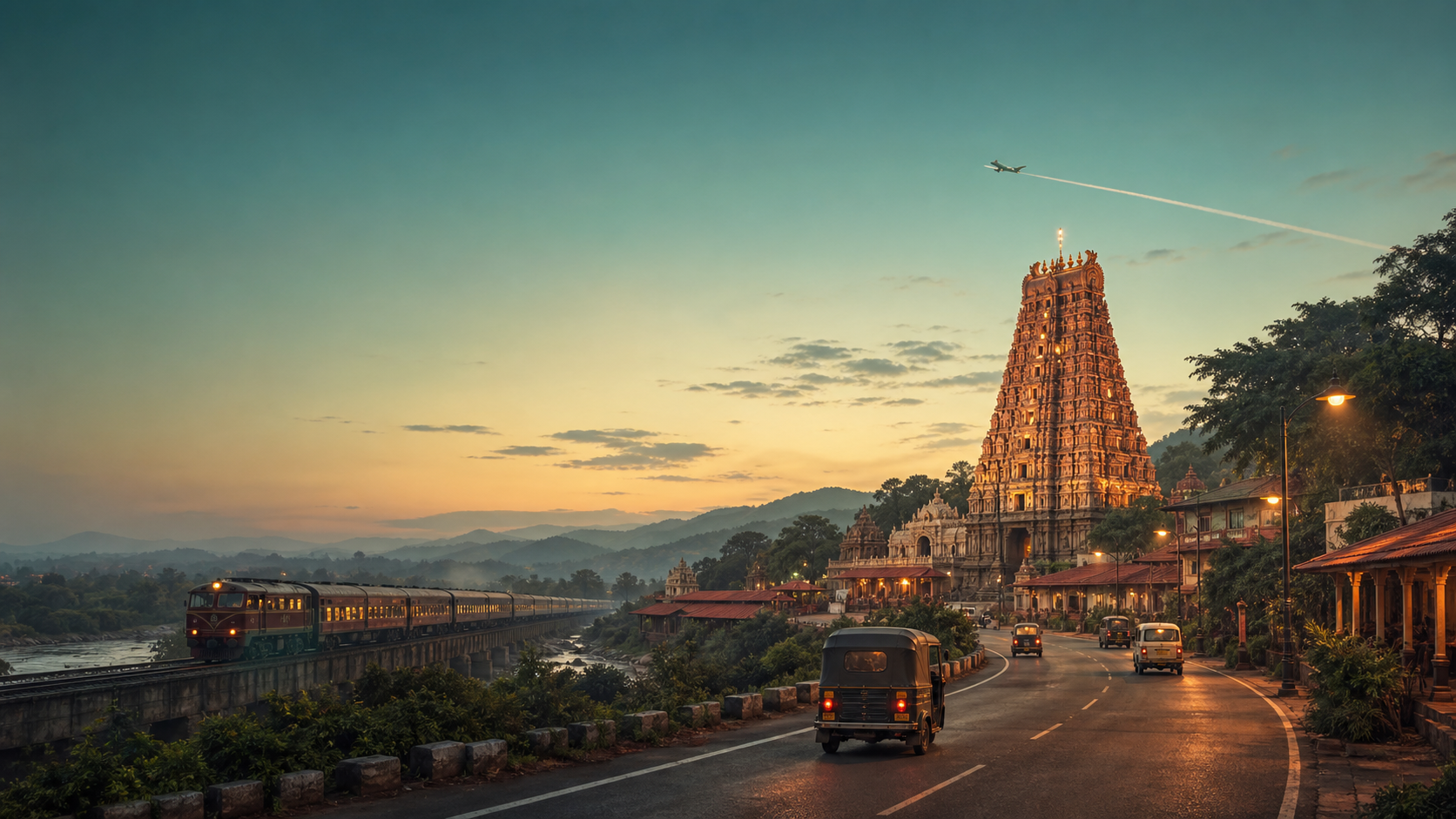
A complete pilgrim record drawn from the existing published article data.
Tracing the Ancient Origins and Maratha-Mughal Legacy of Kalka Mandir
The historical narrative of Kalka Mandir is rich, intertwining ancient legends with significant architectural contributions from powerful empires. The site's spiritual importance is rooted in the belief that Goddess Kalika Devi took birth here. The temple's physical structure began to take shape with construction initiated by the Marathas in 1764 CE. Later, in 1816, notable additions were made under the patronage of Mirza Raja Kidar Nath, who served as the Peshkar of the Mughal emperor Akbar II, showcasing a blend of Maratha and Mughal era influences on its development.
The Legend of Divine Birth
According to revered Hindu legend, the very ground of Kalka Mandir is where the formidable Goddess Kalika Devi took birth, imbuing the site with profound spiritual energy from ancient times.
Maratha Construction
The initial significant construction of the temple commenced in 1764 CE, a period when the Maratha Empire held considerable sway, marking their patronage of this sacred site.
Mughal Era Additions
Further architectural enhancements were carried out in 1816 by Mirza Raja Kidar Nath, the Peshkar of Emperor Akbar II, reflecting the nominal suzerainty of the Mughal Empire during that period.
The Distinctive Architecture of Kalka Mandir
Kalka Mandir exemplifies the traditional Hindu temple architecture style, reflecting its long history and the various influences it has absorbed over centuries. The main construction dates back to 1764 CE by the Marathas, with significant additions made in 1816. While specific material details are not extensively documented, the temple's design elements are a testament to its age and cultural heritage, showcasing the architectural ethos prevalent during its construction periods. Its structure stands as a physical manifestation of continuous devotion and historical patronage.
Architectural Style
The temple's design adheres to the principles of Hindu temple architecture, characterized by traditional forms and symbolic representations common in Indian religious structures.
Construction Periods
The primary edifice was built in 1764 CE by the Marathas, with subsequent notable additions and modifications occurring in 1816, contributing to its evolving architectural profile.
Material and Design Elements
The specific construction materials are not widely detailed, but the temple's overall design and craftsmanship reflect the aesthetic sensibilities of the Maratha and early 19th-century periods.
Kalka Mandir: A Sacred Abode of Goddess Kali in Delhi
Kalka Mandir stands as a revered Hindu temple in Delhi, dedicated to the formidable Goddess Kali. This ancient shrine is a focal point of spiritual energy, drawing devotees seeking blessings and protection. Its historical presence dates back to significant Maratha construction in 1764 CE, with the surrounding locality, Kalkaji, deriving its name from the Goddess herself. The temple embodies a deep spiritual connection, serving as a testament to the divine presence of Kalika Devi in the region.
Location and Naming Significance
The temple is situated in New Delhi, within the locality now known as Kalkaji. This name is directly attributed to the Goddess Kalika Devi, whose sacred birth on this very ground is a cornerstone of the temple's mythology.
Principal Deity and Spiritual Core
Goddess Kali, the fierce manifestation of divine feminine energy, is the main deity worshipped here. The temple is a vital center for the Shakta tradition, emphasizing devotion to the Mother Goddess.
Historical Roots
The temple's origins are deeply embedded in the region's history, with its earliest recorded construction by the Marathas in 1764 CE, marking its long-standing spiritual importance.
Visitor's Guide: Experiencing the Devotion at Kalka Mandir
For visitors planning a trip to Kalka Mandir, practical information ensures a meaningful experience. The best times to visit are during the spring and autumn Navratri periods, when the temple resonates with immense festive fervor and community gatherings. While specific timings, entry procedures, and dress code information should be confirmed directly with the temple office, a typical visit duration is estimated at 1–2 hours. The temple is accessible via Okhla railway station, located nearby, and is approximately 15 km from Indira Gandhi International Airport.
Planning Your Visit
For current timings, entry details, and dress code, visitors are advised to contact the temple office directly. A typical visit usually lasts between 1 to 2 hours.
Key Festival Periods
The most vibrant times to experience Kalka Mandir are during the twice-yearly Navratri festivals (Chaitra and Ashwin), which feature large fairs and intense devotional activities.
Accessibility and Transport
The temple is conveniently located near Okhla railway station and is approximately 15 km from Indira Gandhi International Airport. Specific bus routes and parking information can be obtained from the temple office.
| Deity | Kali |
|---|---|
| Form | Kalika Devi is worshipped as the birth form of the goddess at this sacred site, from which the locality of Kalkaji derives its name. |
| Consort | Unknown |
| Sampradaya | Shakta |
| Significance | According to Hindu legend, Kalika Devi was born at this site, making it a place of profound spiritual importance. The temple is considered one of the oldest and most prominent Kali temples in Delhi. |
The Sacred Birth of Kalika Devi
In ancient times, the very ground upon which Kalka Mandir now stands was blessed by a divine event. It is here, according to revered Hindu legend, that the formidable Goddess Kalika Devi herself took birth. This sacred emergence imbued the site with profound spiritual energy, forever marking it as a place of immense power and devotion. So significant was this celestial advent that the surrounding locality, now known as Kalkaji, derived its name directly from the Goddess, a timeless testament to her presence and influence. Devotees believe that visiting this hallowed spot connects them directly to the primordial energy of the Mother Goddess, seeking her blessings and protection from all evils. The temple thus serves as a living embodiment of her divine origin.
This sacred ground is where Goddess Kalika Devi took birth, imbuing the site with profound spiritual energy and making it a timeless testament to her divine presence.
Devotees believe that visiting this hallowed spot connects them directly to the primordial energy of the Mother Goddess, seeking her blessings and protection.
Related temples: Achalpuram Shivalokathyagar Temple | Bade Baba Temple
The Fierce Devotion: Goddess Kali and Mythology at Kalka Mandir
At the heart of Kalka Mandir lies the intense devotion to Goddess Kali, the principal deity of this Shakta tradition temple. Local legends recount the sacred birth of Kalika Devi on this very ground, establishing the site as immensely powerful. Devotees believe that visiting this hallowed spot connects them directly to the primordial energy of the Mother Goddess, seeking her blessings and protection from evil. The annual Navratri festival is celebrated with immense fervor, featuring large fairs and devotional hymn singing, further cementing the temple's role as a vibrant center of Kali worship and spiritual energy.
The Divine Birth of Kalika Devi
The foundational myth of Kalka Mandir asserts that Goddess Kalika Devi took birth on its sacred ground, endowing the site with unique spiritual significance and making it a focal point of devotion.
Goddess Kali as Principal Deity
As a paramount center for the Shakta tradition, Kalka Mandir is dedicated to Goddess Kali, revered for her fierce protective nature and as a destroyer of evil forces.
Rituals and Beliefs
Worship at the temple is characterized by deep devotion, with pilgrims seeking blessings, protection, and a connection to the Mother Goddess's primordial energy. The Navratri festival is a highlight of devotional activities.
Modern Pilgrimage
Kalka Mandir continues to be a vibrant center of devotion, attracting a diverse array of pilgrims in the modern era. While ancient rituals and fervent faith remain at its core, the pilgrimage experience has evolved significantly, adapting to the demands and conveniences of contemporary urban life. Improved transportation networks, including Delhi's extensive metro system, have made the temple highly accessible to devotees from across the National Capital Region and beyond, transforming it into a daily spiritual refuge for many. The temple management has also embraced modern communication, utilizing websites and social media to disseminate information about puja timings, festivals, and special events, ensuring that the temple remains connected to its devotees in an increasingly digital world. This blend of timeless tradition with modern infrastructure underscores its enduring relevance. The demographics of pilgrims visiting Kalka Mandir today are remarkably varied, encompassing devout families, young professionals seeking solace, and tourists interested in spiritual heritage. Many come seeking blessings for health, prosperity, or success, while others visit simply to experience the temple's serene atmosphere and participate in collective worship. The temple complex itself has adapted to accommodate these modern needs, offering facilities like clean drinking water, accessible pathways, and organized queues during peak festival times. Beyond individual worship, the temple serves as a crucial community hub, especially during major festivals like Navratri, when it becomes a focal point for communal celebrations, fostering a strong sense of belonging and shared cultural identity among its myriad visitors.🗺 How to Reach
Hover a card to animate the journey on the map
Route to Delhi
Common Questions
Where is Kalka Mandir: Delhi's Ancient Kali Shrine located?
Kalka Mandir: Delhi's Ancient Kali Shrine is documented at New Delhi.
Which deity is associated with Kalka Mandir: Delhi's Ancient Kali Shrine?
Kalka Mandir: Delhi's Ancient Kali Shrine is associated with Kali.
Related Temples

A Living Covenant