
A complete pilgrim record drawn from the existing published article data.
The history of the Bade Baba Temple is a heritage woven from royal patronage, spiritual rediscovery, and the relentless pursuit of divine presence across centuries.

Historical Roots and Spiritual Unveiling
The Bade Baba Temple boasts a storied past, marked by periods of decline and remarkable revitalization. Its journey from ancient reverence to a grand modern monument mirrors the enduring spirit of Jain faith across centuries.
Ancient Origins and Rediscovery
Timeline of Key Events
The Patrons of Rebirth
Architectural Grandeur: A Nagara Masterpiece
The Nagara Style Embodied

Scale and Craftsmanship
The architectural ambition of the Bade Baba Temple is a statement of faith, pushing the boundaries of traditional Nagara style to achieve a world-record height.
Presiding Deity and Sacred Narratives
At the heart of the Bade Baba Temple lies its revered presiding deity, Pratham Tirthankar Adinath Bhagwan. The temple also holds significant narratives, particularly regarding the transfer of this sacred idol, which mark pivotal moments in its modern history.
Pratham Tirthankar Adinath
Pratham Tirthankar, 1008 Shri Shri Adinath Bhagwan (Bade Baba)
The principal deity of the temple is Rishabhanatha, also known as Adinath, the first of the 24 Jain Tirthankaras. He is revered as the pioneer who taught humanity the path to liberation, agriculture, and various arts. His idol at Kundalpur is affectionately called "Bade Baba," signifying immense spiritual reverence and age.
Devotees seek his blessings for spiritual enlightenment, peace, and prosperity, recognizing him as the ultimate guide in the Jain tradition.
The Symbolic Idol Transfer
The Transfer of Bade Baba: A Community's Resolve
The decision to move the ancient idol of Bade Baba to the new temple structure in 2006 sparked a complex interaction between religious sentiment and administrative considerations. For days, the entire Jain community of Kundalpur and beyond remained focused on this event. Through careful negotiation and the unwavering resolve of devotees, a consensus was reached, allowing the sacred idol to be reverently transported. This event stands as a testament to the community's collective will and devotion to their principal deity.

Planning Your Visit: Etiquette and Experience
A visit to the Bade Baba Temple offers a unique spiritual and cultural experience. To ensure a meaningful and respectful journey, visitors should prepare themselves with practical advice and an understanding of temple etiquette.
Essential Travel Tips
- Best Time to Visit: The pleasant weather during the cooler months, typically October to March, offers the most serene experience, allowing for comfortable contemplation away from the peak summer heat.
- Accommodation: Plan to seek accommodation in nearby towns or guesthouses around Kundalpur to fully immerse yourself in the regional cultural atmosphere. Early booking is advisable, especially during festival seasons.
- Photography: While exterior photography is usually permitted, always seek permission before photographing interiors or individuals. Be mindful of devotional activities and avoid disruptions.
- Local Cuisine: Explore the local vegetarian Jain cuisine, which adheres to strict dietary principles, offering a unique gastronomic experience.

Respecting Sacred Traditions
The Visionary: Acharya Vidyasagar's Enduring Legacy
While the Bade Baba Temple boasts ancient roots, its modern-day grandeur is inextricably linked to the profound vision and spiritual guidance of Acharya Vidyasagar. His leadership transformed a preservation effort into a monumental creation.
The Guidance of Acharya Vidyasagar
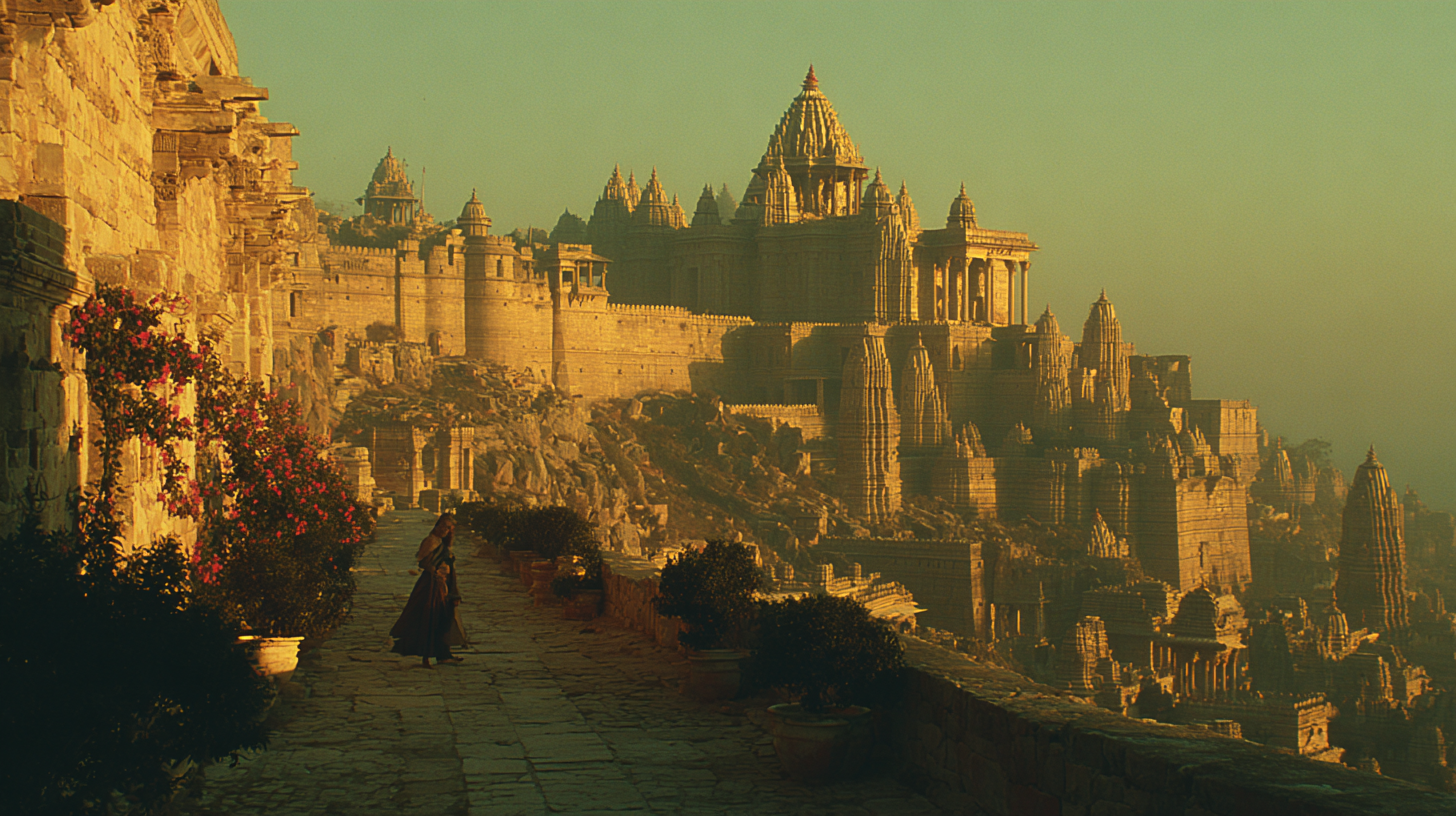
A Spiritual Connection
🗺 How to Reach
Hover a card to animate the journey on the map
Route to Bade Baba Temple: Journey to India's Tallest Jain Landmark
Common Questions
Where is Bade Baba Temple: Journey to India's Tallest Jain Landmark located?
Bade Baba Temple: Journey to India's Tallest Jain Landmark is documented at Delhi, Delhi.
Which deity is associated with Bade Baba Temple: Journey to India's Tallest Jain Landmark?
Bade Baba Temple: Journey to India's Tallest Jain Landmark is associated with Rishabhanatha.
Related Temples

A Living Covenant