A complete pilgrim record drawn from the existing published article data.
From Rock-Cut Caves to Towering Gopurams: A Historical Journey
The evolution of Dravidian temple architecture is a captivating journey spanning centuries, beginning with early rock-cut sanctuaries and culminating in colossal temple cities. This architectural lineage reflects the patronage and artistic vision of powerful South Indian dynasties, each contributing distinct innovations that collectively defined the style's enduring grandeur. From simple monolithic structures to multi-tiered gateways, the progression showcases a continuous refinement of engineering and sculptural artistry.
Pallava Origins
The Pallavas initiated the style with rock-cut caves and monolithic temples like the Shore Temple at Mahabalipuram, laying foundational elements for subsequent developments.
Chola and Pandya Zenith
The Cholas introduced massive vimanas and intricate bronze sculptures, while the Pandyas emphasized monumental gopurams, transforming temple entrances into dominant features.
Vijayanagara Expansion
The Vijayanagara Empire further expanded complexes with elaborate mandapas (halls), colossal statues, and intricate relief carvings, creating sprawling temple towns.
The Enduring Grandeur of Dravidian Temple Architecture
Dravidian temple architecture, a hallmark of South Indian heritage, is renowned for its distinctive style and profound spiritual resonance. Characterized by towering pyramidal structures, intricate carvings, and vast temple complexes, it has shaped the religious and cultural landscape for over a millennium. These sacred spaces are not merely places of worship but also vibrant centers of art, learning, and community life, embodying a rich synthesis of devotion and artistic expression.
Defining Characteristics
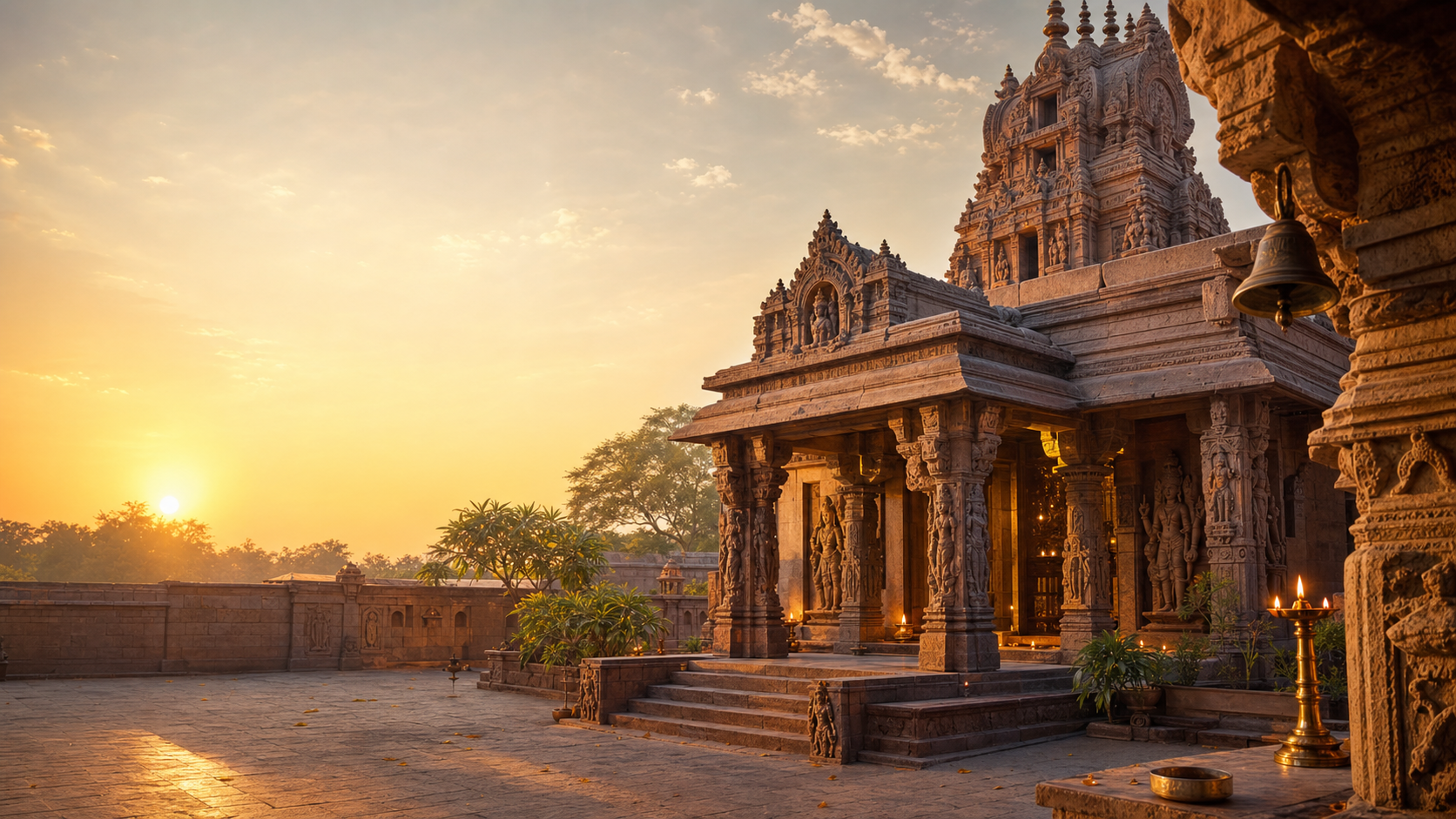
Key features include the vimana (main shrine tower), monumental gopurams (gateway towers), and elaborate enclosure walls, often adorned with mythological figures and deities.
Cultural Significance
Beyond their religious function, Dravidian temples served as economic hubs, educational institutions, and repositories of art, influencing social structures and artistic traditions across South India.
Housing the Divine: Deities and Mythology in Dravidian Temples
Dravidian temples are meticulously designed to serve as abodes for the divine, with their architecture and sculptural programs intricately woven with Hindu mythology. The layout facilitates the worship of multiple deities, reflecting the diverse pantheon and spiritual practices of the region. Every carving and placement is purposeful, transforming the temple into a three-dimensional representation of cosmic order and sacred narratives, fostering a deep connection between the devotee and the divine.
Central Deity and Subsidiary Shrines
Each temple features a primary deity in its garbhagriha, often accompanied by numerous subsidiary shrines dedicated to other gods, goddesses, and associated figures within the complex.
Mythological Narratives
The walls, pillars, and gopurams are adorned with sculptures and reliefs depicting episodes from Hindu epics, Puranas, and local legends, serving as visual sermons.
Ritual Spaces
The architectural layout includes specific areas for puja (worship), circumambulation (pradakshina), and festivals, guiding devotees through a structured spiritual journey.
Experiencing Dravidian Temples: A Visitor's Guide
Visiting a Dravidian temple offers a profound cultural and spiritual experience. To fully appreciate these ancient marvels, understanding local customs and planning your visit can enhance your journey. These sites are not just historical monuments but living places of worship, where traditions dating back millennia are still actively practiced. By observing etiquette and allowing time for contemplation, visitors can immerse themselves in the unique atmosphere and artistic splendor of South India's sacred architecture.
Temple Etiquette
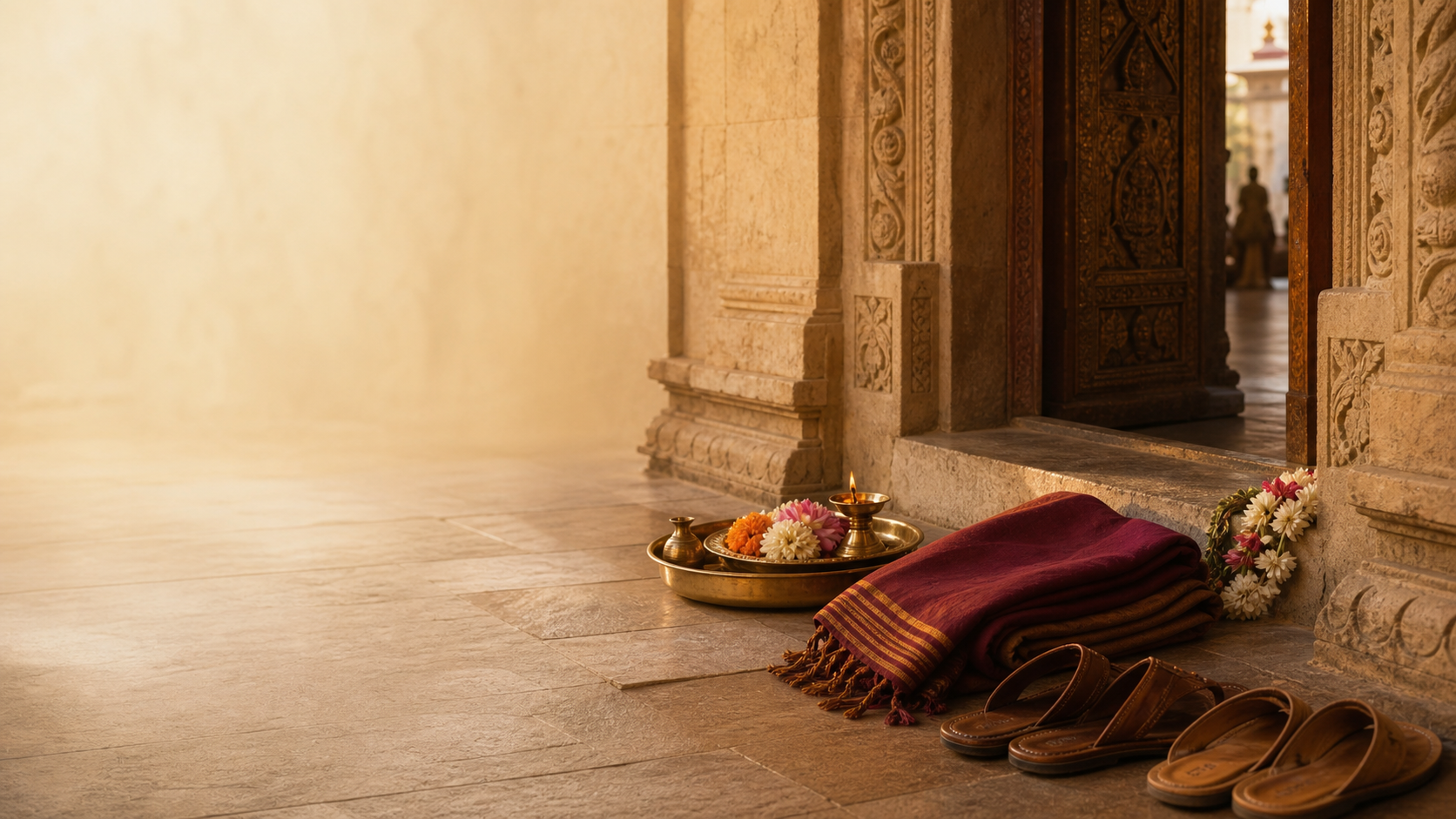
Dress modestly, covering shoulders and knees. Remove footwear before entering the main temple areas. Photography may be restricted in inner sanctums. Maintain respectful silence.
Best Time to Visit
The cooler months from October to March are ideal. Plan visits during non-peak hours to avoid crowds, or during major festivals to witness vibrant cultural celebrations.
Appreciating the Art and Spirit
Take time to observe the intricate carvings, learn about the deities depicted, and witness the daily rituals. Consider hiring a local guide for deeper insights into the temple's history and symbolism.
| Deity | Multiple |
|---|---|
| Sampradaya | Other |
| Significance | Represents the diverse spiritual traditions and cosmic principles revered in South Indian Hinduism, offering devotees a comprehensive path to spiritual realization and blessings. |
No Specific Mythological Story Provided
In the embrace of sacred stones, multiple paths converge, leading the soul to divine understanding and peace.
The intricate carvings and towering gopurams of Dravidian temples stand as timeless testaments to devotion and artistry.
Unpacking the Dravidian Style: Vimanas, Gopurams, and Mandapas
Dravidian temples are characterized by a distinct set of architectural components, each serving a specific structural and symbolic purpose. The interplay of these elements creates a harmonious yet monumental aesthetic, deeply rooted in religious iconography and ancient building principles. Understanding these core features is essential to appreciating the complexity and artistry of South Indian temple design, from the sacred inner sanctum to the elaborate outer gateways and halls.
The Vimana
The vimana is the pyramidal tower directly above the main shrine (garbhagriha), housing the primary deity. It typically consists of several diminishing tiers, crowned by a shikhara (cupola).
The Gopuram
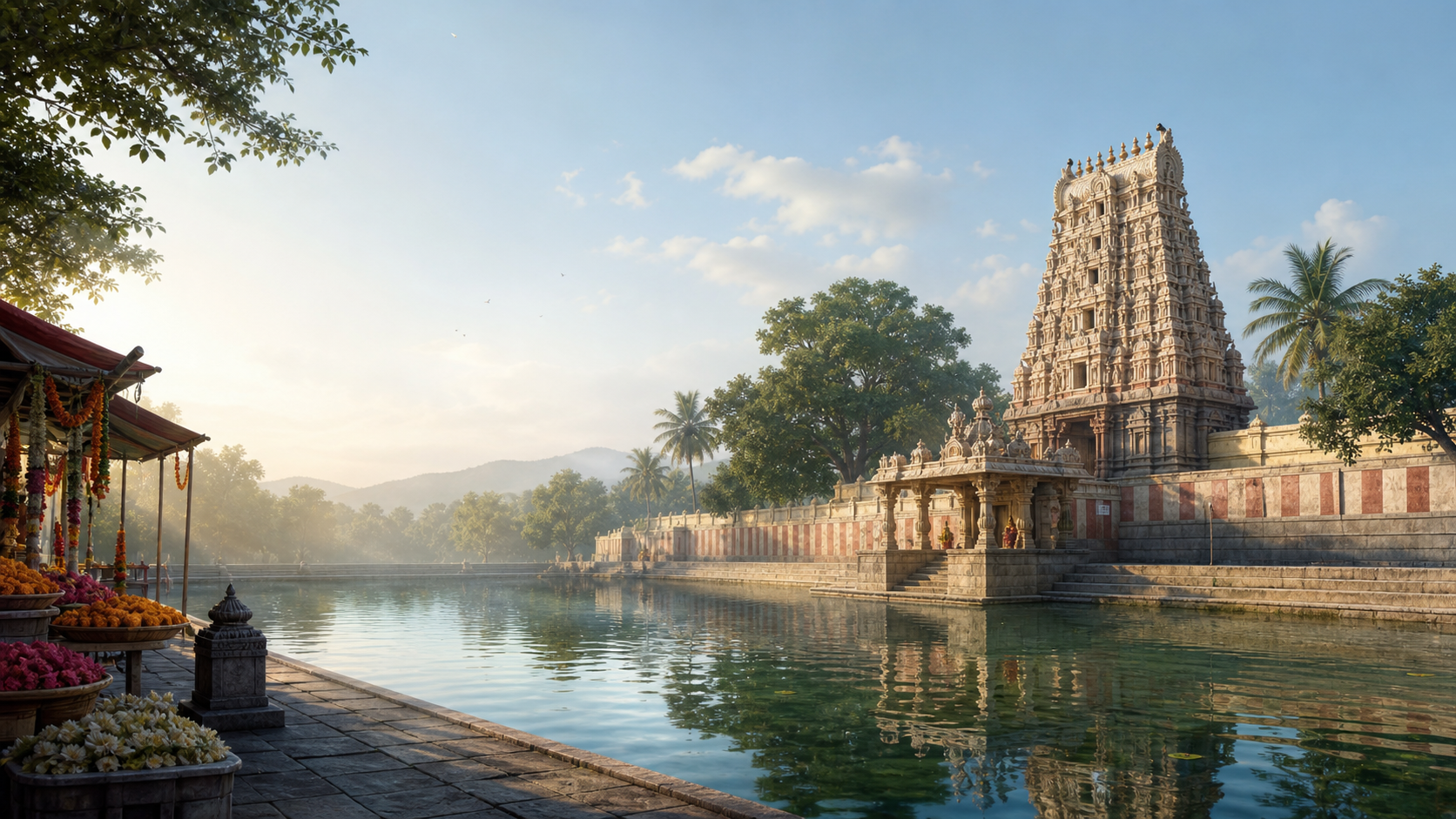
A gopuram is a monumental, often multi-storied, gateway tower at the entrance of the temple complex. Adorned with a profusion of sculptures, it serves as a symbolic and physical threshold.
Mandapas and Iconography
Mandapas are pillared halls used for rituals, gatherings, and processions. Their columns and walls are richly carved with mythological scenes, divine figures, and floral motifs, narrating sacred stories.
🗺 How to Reach
Hover a card to animate the journey on the map
Verified routes to Hindu temple architecture – Dravidian style
Common Questions
Where is Dravidian Architecture: South India's Sacred Masterpieces located?
Dravidian Architecture: South India's Sacred Masterpieces is documented at Rajkot, South India.
Which deity is associated with Dravidian Architecture: South India's Sacred Masterpieces?
Dravidian Architecture: South India's Sacred Masterpieces is associated with Multiple.