A complete pilgrim record drawn from the existing published article data.
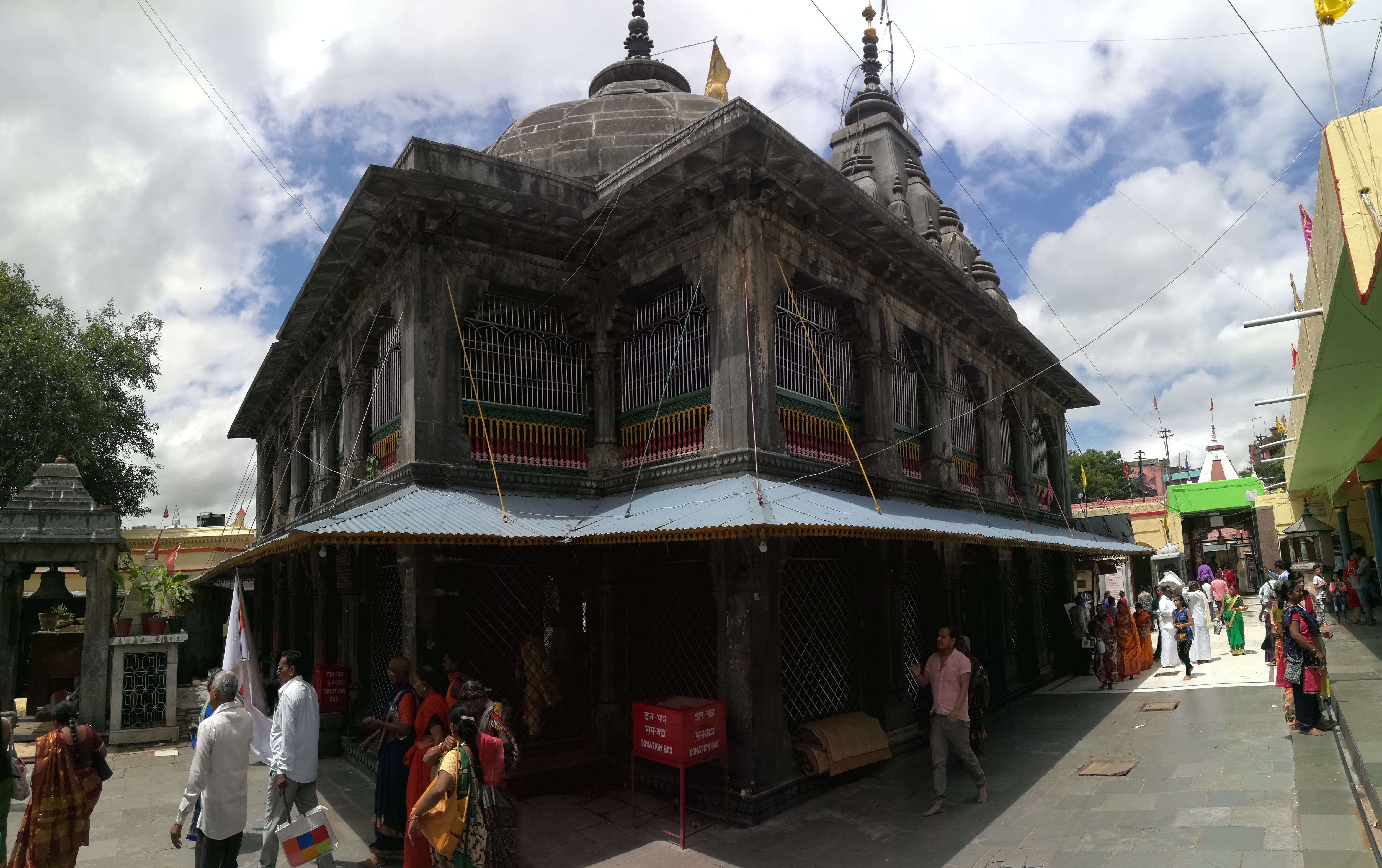
The Hariharnath Temple in Sonpur, Bihar, stands as a profound symbol of religious harmony, uniquely dedicated to Hariharnath, a composite deity embodying both Lord Vishnu (Hari) and Lord Shiva (Hara). This ancient shrine, nestled at the confluence of the Ganges and Gandak rivers, is a pivotal spiritual center, especially renowned for its association with Asia's largest cattle fair, the Sonepur Mela.

History & Foundation
Origins and Patronage
The Hariharnath Temple's origins trace back to the Mughal period, though its current form is largely due to significant reconstruction efforts. Raja Ram Narain, a prominent figure, is credited with its substantial rebuilding, establishing the temple as a key pilgrimage site. This early patronage laid the groundwork for its enduring spiritual significance.
The temple's strategic location at the confluence of two sacred rivers has historically drawn devotees, cementing its status long before modern renovations. Its foundation reflects a deep-rooted spiritual tradition in the region.
Restorations and Legacy
- Mughal Period: Initial construction or presence of a shrine.
- Raja Ram Narain: Major reconstruction and patronage.
- Birla Industrial Group: Later restoration efforts, ensuring the temple's preservation and accessibility.
Centuries later, the Birla Industrial Group undertook further restorations, ensuring the temple's structural integrity and enhancing its facilities for pilgrims. This continuous cycle of patronage and renovation highlights the temple's importance across different eras.
The temple's history is a testament to its resilience and the unwavering devotion it inspires. Each phase of its development has contributed to its rich legacy.

Architecture & Deity
Architectural Features
The Hariharnath Temple showcases a distinctive North Indian (Nagara) architectural style, characterized by its curvilinear shikhara (spire) and intricate carvings. Constructed primarily from brick, stone, and plaster, the temple's design reflects regional building traditions.
Key structural elements include the garbhagriha (sanctum sanctorum), where the main deity resides, and a mandapa (hall) for devotees. The absence of Dravidian features confirms its Nagara classification, typical of temples in this part of India.
The Hariharnath Deity
At the heart of the temple is the unique idol of Hariharnath, a composite form representing the unity of Hari (Lord Vishnu) and Hara (Lord Shiva). This iconographic uniqueness symbolizes the profound theological harmony between Vaishnava and Shaiva traditions.
The deity's form is a powerful visual representation of syncretism, where two major Hindu deities are revered as one. This makes the temple a rare and significant site for devotees of both traditions.
Deity Profile: Hariharnath
- Main Deity: Hariharnath (Vishnu-Shiva fusion)
- Deity Form: Composite, half Vishnu, half Shiva
- Secondary Deities: Lord Vishnu, Lord Shiva
- Tradition: Vaishnava-Shaiva Syncretic

Festivals & Traditions
Annual Celebrations
The Hariharnath Temple is a vibrant hub of activity during its major festivals. Kartik Purnima, celebrated in November, draws massive crowds for ritual bathing in the Ganges and special pujas. This full moon day is considered highly auspicious.
Chhath Puja, an ancient solar worship festival, also sees rigorous rituals performed on the riverbanks near the temple in October-November. Mahashivratri, in February-March, involves night-long vigils and abhisheka for the Shiva aspect of Hariharnath.
Sonepur Mela Significance
The temple's modern cultural significance is inextricably linked to the Sonepur Cattle Fair, Asia's largest, held annually in November. The Sonepur Mela transforms the area into a bustling convergence of religious observance, regional trade, and folk culture.
"During the Sonepur Mela, the Hariharnath Temple becomes the spiritual heart of a vibrant cultural spectacle, drawing hundreds of thousands." Devotees visit the temple before or after engaging in the fair's activities, blending spiritual devotion with a unique cultural experience.
Annual Visitors: Hundreds of thousands, especially during Sonepur Mela and Kartik Purnima.

Visiting the Temple
Planning Your Visit
The best time to visit Hariharnath Temple is from October to March, when the weather is pleasant. This period also coincides with major festivals, including the famous Sonepur Mela, offering a unique cultural immersion.
The temple is open for two daily darshan sessions: morning (5:00 AM–12:00 PM) and evening (4:00 PM–9:00 PM). A visit typically takes 1-2 hours, but a full day is recommended if you plan to experience the Sonepur Mela.
Local Connectivity
The temple is easily accessible from Patna, located approximately 25 km away. Jay Prakash Narayan International Airport in Patna is the nearest airport. Sonepur Junction is the closest railway station, ensuring convenient travel for pilgrims.
Consider combining your visit with other significant sites like Mahavir Mandir (Patna) or Baidyanath Dham (Deoghar) for a comprehensive spiritual journey in Bihar.


Sacred Stories
Ramayana Connection
The Hariharnath Temple holds a deep mythological connection to the epic Ramayana. Legend states that Lord Rama himself visited this sacred site during his exile, reinforcing its sanctity. This association imbues the temple with immense spiritual significance for devotees.
This legendary visit highlights the temple's ancient roots and its role as a revered spot where divine figures once trod. Such stories enhance the pilgrimage experience for countless visitors.
Symbolism of Hariharnath
The very name 'Hariharnath' encapsulates the temple's core spiritual message: the unity of Hari (Vishnu) and Hara (Shiva). This symbolism promotes theological harmony, suggesting that the divine manifests in various forms but is ultimately one.
"The Hariharnath Temple stands as a testament to the seamless integration of Vaishnava and Shaiva philosophies, a rare and beautiful confluence." This unique aspect makes the temple a powerful site for understanding Hindu philosophical depth.

🗺 How to Reach
Hover a card to animate the journey on the map
Route to Hariharnath Temple: Sonpur's Sacred Vishnu-Shiva Shrine
Common Questions
Where is Hariharnath Temple: Sonpur's Sacred Vishnu-Shiva Shrine located?
Hariharnath Temple: Sonpur's Sacred Vishnu-Shiva Shrine is documented at Sonpur, Bihar.
Which deity is associated with Hariharnath Temple: Sonpur's Sacred Vishnu-Shiva Shrine?
Hariharnath Temple: Sonpur's Sacred Vishnu-Shiva Shrine is associated with Hariharnath.
Related Temples

A Living Covenant