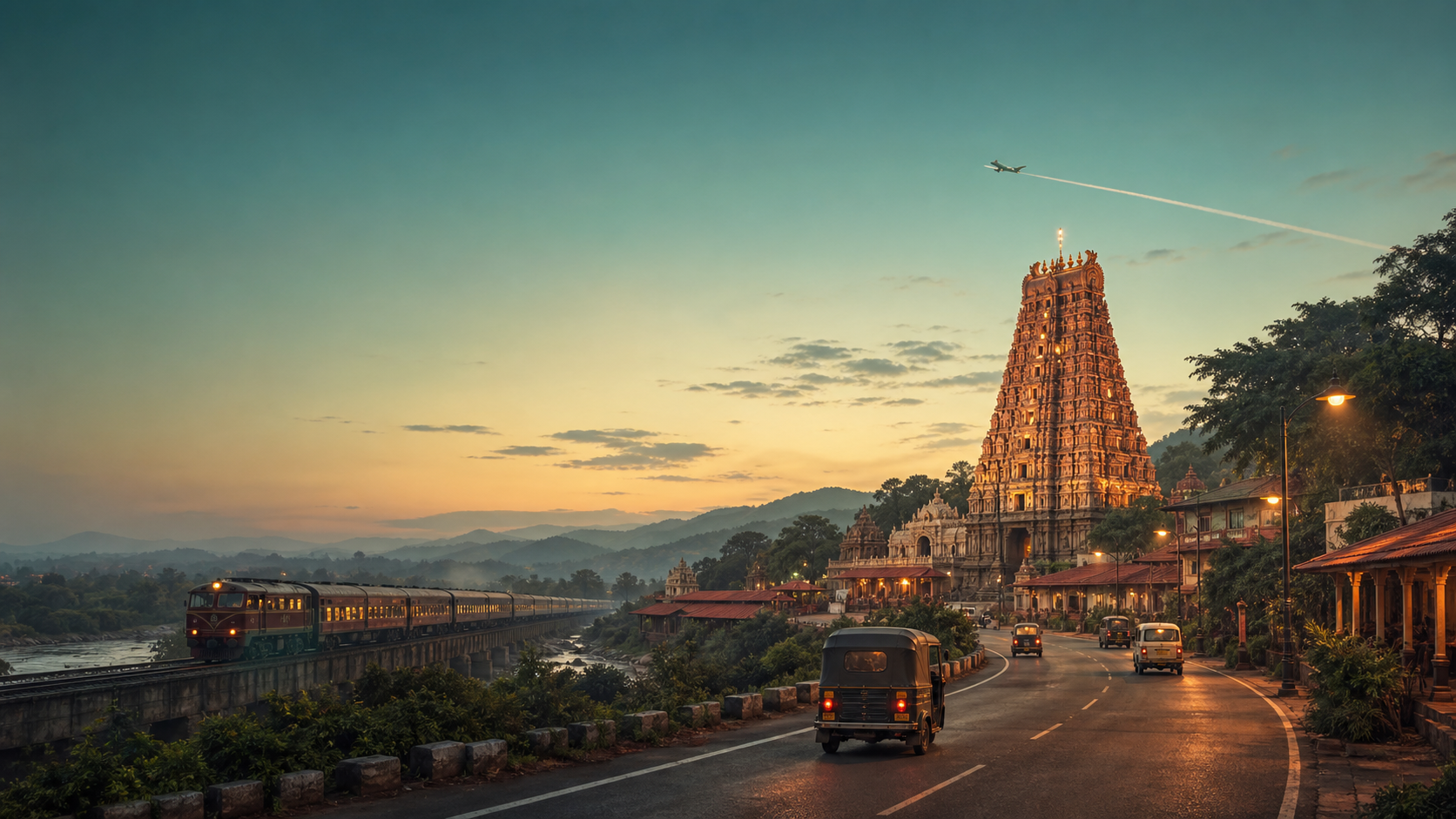
A complete pilgrim record drawn from the existing published article data.
A Legacy Forged by Devotion: The History of Gopal Mandir
The genesis of Gopal Mandir in Gopalganj is a remarkable tale of profound devotion, primarily led by women. Construction commenced around 1850, initiated by Maharani Shyam Sundri Kunwar, wife of Maharaja Rajendra. The funding and nurturing of this grand project were predominantly undertaken by queens and other women, symbolizing a collective act of faith and dedication over many years. The temple's spiritual heart was fully realized on April 15, 1866, with the auspicious installation of the Krishna idol. Following Maharani Shyam Sundri Kunwar's passing after 1878, the temple's administration transitioned, but its foundational spirit of female patronage endured, cementing its unique place in history.
Founding by Maharani Shyam Sundri Kunwar
The temple's inception in circa 1850 is attributed to Maharani Shyam Sundri Kunwar, whose vision brought this sacred abode for Lord Krishna to fruition.
Women's Patronage
A distinctive feature of Gopal Mandir's history is that its construction and sustenance were largely funded and supported by women, particularly queens, showcasing their deep devotion.
Key Historical Milestones
Significant dates include the temple's founding around 1850 and the installation of the Krishna idol on April 15, 1866, marking crucial moments in its journey.
Architectural Wonders: Domes, Glass, and Unique Design
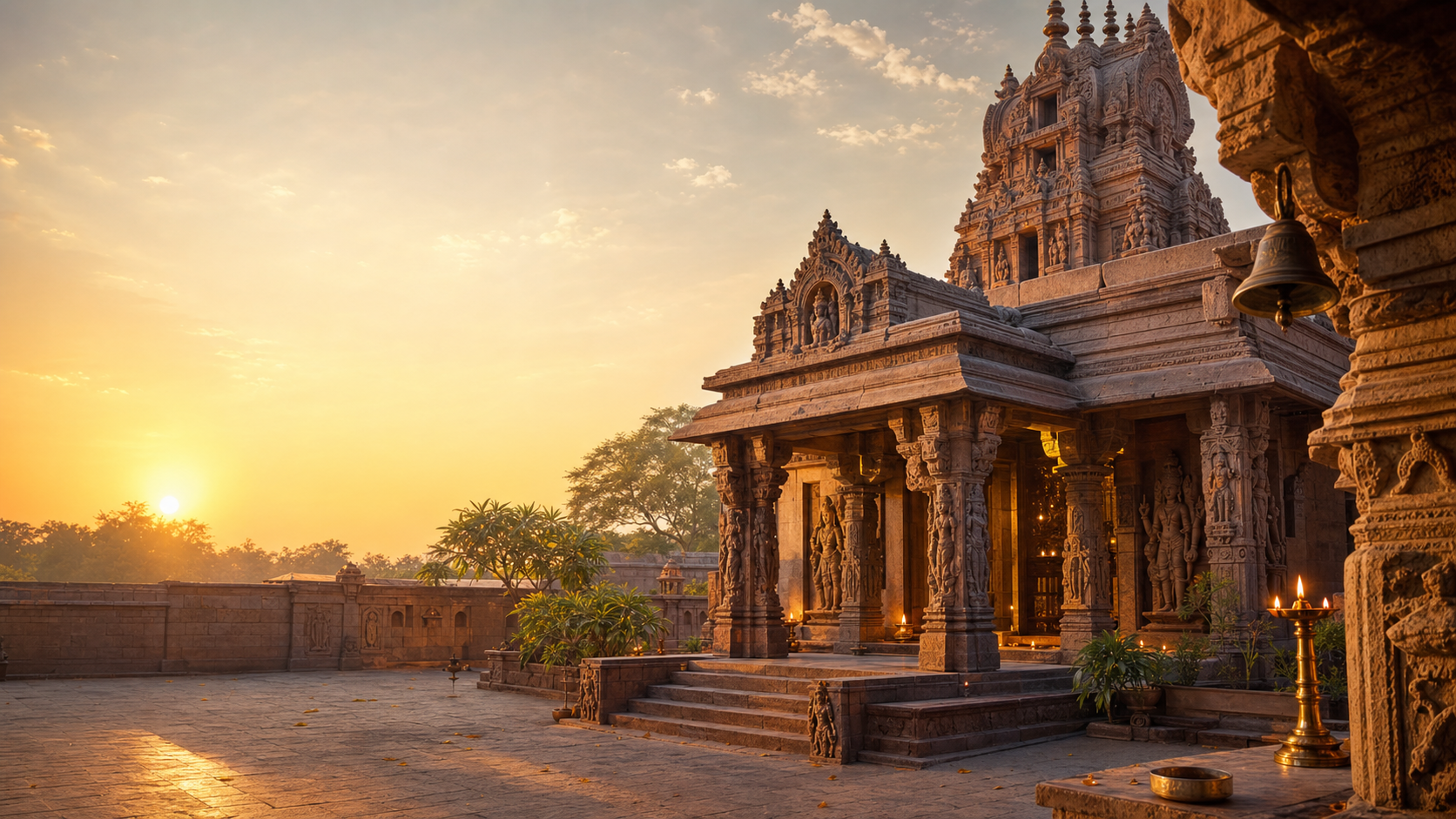
Gopal Mandir's architecture presents a captivating blend of styles, characterized as an Indo-Saracenic hybrid infused with regional vernacular elements. This distinctive design reflects a harmonious fusion of diverse influences. The temple's construction prominently features robust materials such as stone and brick, providing a durable and aesthetically pleasing structure. A notable and unique aspect of its design is the incorporation of imported Belgian glass, which adds a touch of intricate beauty and perhaps reflects light in a distinctive manner, enhancing the temple's overall grandeur. This thoughtful combination of materials and styles creates a visually rich and historically significant edifice.
Hybrid Architectural Style
The temple showcases an Indo-Saracenic hybrid style, seamlessly integrating with regional vernacular architectural elements to create a unique visual identity.
Material Palette
Construction primarily utilized traditional materials like stone and brick, ensuring structural integrity and a classic aesthetic.
Imported Belgian Glass
A distinctive feature is the use of imported Belgian glass, which contributes to the temple's unique ornamentation and sophisticated design.
Experiencing Gopal Mandir: A Visitor's Guide
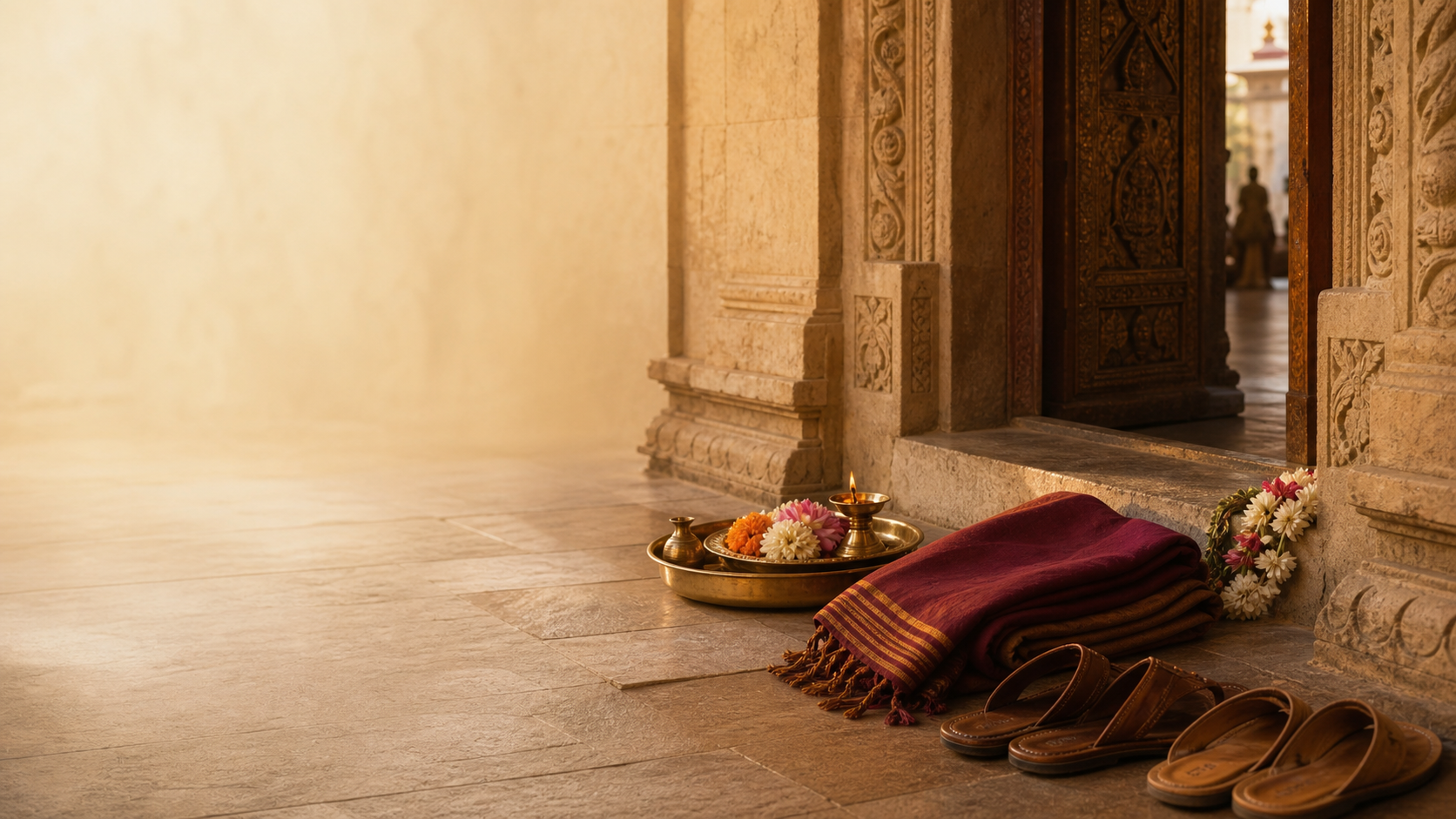
Planning a visit to Gopal Mandir offers a spiritually enriching experience. While specific timings should be confirmed with the temple office, entry is generally free for all devotees. The best time to visit is typically between October and March, when the weather is most pleasant. Visitors are encouraged to wear traditional attire as a mark of respect and must remove footwear before entering the temple precincts. A typical visit duration of 2–3 hours allows ample time for worship, architectural appreciation, and experiencing the serene atmosphere. The temple is well-connected within Gopalganj, accessible by various local transport options.
Entry and Timings
Entry to Gopal Mandir is free. Visitors are advised to contact the temple office for current operating hours to plan their visit effectively.
Best Time and Attire
The period from October to March is recommended for visits. Traditional attire is preferred, and footwear must be removed before entering the temple.
Accessibility
The temple is conveniently located within Gopalganj city and can be reached via local buses, auto-rickshaws, or private car, with parking available nearby.
| Deity | Krishna |
|---|---|
| Form | Gopal (child form) |
| Consort | Radha |
| Sampradaya | Vaishnava |
| Significance | Krishna is enshrined in his Gopal (child) form, representing his playful and endearing childhood pastimes. He is worshipped alongside his consort Radha, symbolizing divine love and devotion. |
The Maharani's Devotion and the Sacred Waters
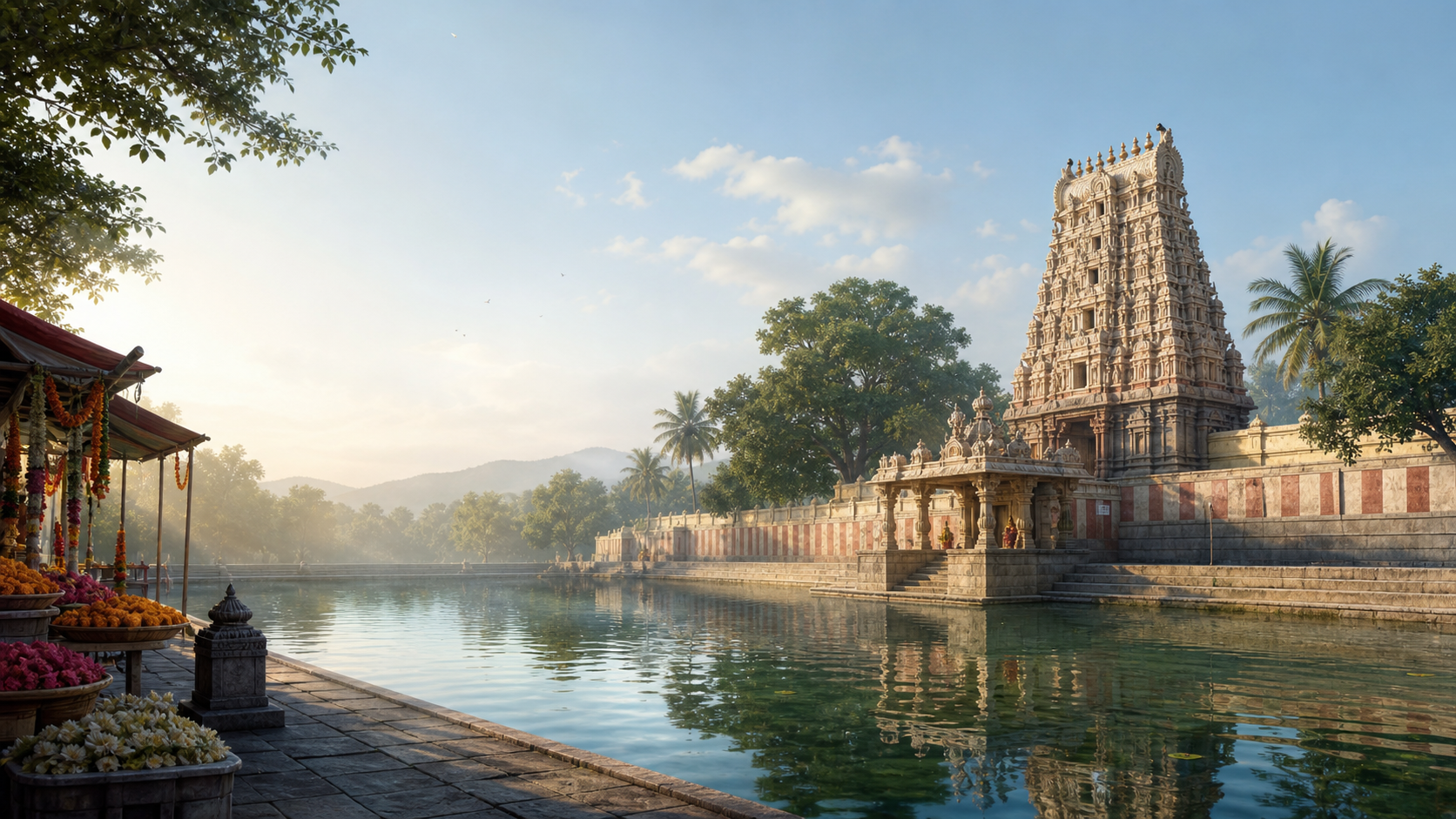
In Gopalganj, the Gopal Mandir, built circa 1850 by Maharani Shyam Sundri Kunwar, stands as a testament to profound devotion, largely funded by women. The temple's crowning moment was the installation of the Krishna idol on April 15, 1866. A unique feature is its mystical pond, believed to hold the purity of sacred rivers. Devotees believe viewing or bathing in these waters bestows healing and blessings, reflecting the temple's deep connection to Krishna's divine pastimes as narrated in the Bhagavata Purana.
A testament to profound devotion and feminine grace, where a Maharani's vision brought Krishna's child form to life.
The mystical pond's waters, believed to be imbued with the purity of sacred rivers, offer healing and auspicious blessings.
Related temples: A. C. Bhaktivedanta Swami Prabhupada | Abhimanyu Temple, Vayotthidam
Gopal Mandir, Gopalganj: A Jewel of Devotion
Located in Gopalganj, Bihar, Gopal Mandir stands as a significant spiritual landmark dedicated to Lord Krishna. Established around 1850 by Maharani Shyam Sundri Kunwar, this temple showcases a unique architectural blend, combining Indo-Saracenic elements with regional vernacular styles. It is revered as a center of Vaishnava tradition, drawing devotees seeking blessings and spiritual solace. The temple's historical narrative is deeply intertwined with the devotion of its founders, making it not just a place of worship but also a testament to cultural heritage. Its serene atmosphere and architectural distinctiveness offer a profound experience for visitors.
Spiritual Significance
Gopal Mandir is primarily dedicated to Lord Krishna, known affectionately as Gopal. It serves as a vital center for Vaishnava worship, upholding ancient traditions and rituals.
Architectural Identity
The temple's design is a hybrid of Indo-Saracenic and local vernacular styles, utilizing materials like stone, brick, and imported Belgian glass, which contribute to its unique aesthetic appeal.
Location and Legacy
Situated in Gopalganj, Bihar, the temple was founded by Maharani Shyam Sundri Kunwar, embodying a legacy of devotion and patronage that continues to inspire.
Lord Krishna: The Heart of Gopal Mandir
At the core of Gopal Mandir's spiritual essence is Lord Krishna, the revered main deity. As a Vaishnava tradition temple, it serves as a focal point for the worship of Krishna, celebrated for his divine pastimes and compassionate nature. Devotees gather here to offer prayers, participate in _bhajans_, and observe rituals dedicated to the Lord. The installation of Krishna's idol on April 15, 1866, was a pivotal moment, breathing life into the temple. Major festivals like Krishna Janmashtami are celebrated with immense fervor, highlighting the profound spiritual connection between the deity and his followers.
Central Deity
Lord Krishna, affectionately known as Gopal, is the principal deity worshipped at the temple, embodying its Vaishnava tradition.
Vaishnava Tradition
The temple adheres to the Vaishnava tradition, focusing on devotion and rituals dedicated to Lord Krishna and his divine manifestations.
Key Celebrations
Krishna Janmashtami is the primary annual festival, celebrating Lord Krishna's birth with special prayers and devotion, reinforcing the temple's spiritual significance.
Restoration and Conservation Efforts
The Gopal Mandir, with its centuries-old history, has naturally faced the relentless challenges of time, weather, and environmental factors, necessitating periodic restoration and conservation efforts to preserve its sacred and architectural integrity. Over the years, the temple's intricate carvings, ancient masonry, and delicate frescoes have shown signs of wear, including erosion, structural weakening, and fading of artistic details. The humid climate of Bihar, coupled with natural aging processes, has posed significant threats to the temple's original structure, particularly its foundational elements and the ornate shikhara. Recognizing its immense historical and spiritual value, various stakeholders, including local communities and heritage organizations, have periodically initiated projects aimed at mitigating this degradation and safeguarding the temple's unique heritage for future generations. These efforts are crucial to prevent irreversible damage and maintain the authenticity of this revered site. In recent decades, more structured and scientifically informed conservation initiatives have been undertaken to ensure the long-term survival of Gopal Mandir. These projects often involve detailed archaeological surveys, material analysis, and the application of traditional building techniques alongside modern conservation science. Expert teams, sometimes in collaboration with the Archaeological Survey of India or state archaeological departments, have focused on structural stabilization, chemical cleaning of stone surfaces, and the meticulous repair of damaged sculptures and decorative elements. The aim is not merely to repair but to restore the temple to its former glory while adhering to international heritage conservation standards, ensuring that any interventions are reversible and respect the original fabric of the monument. These ongoing efforts reflect a deep commitment to preserving Gopal Mandir as a living testament to Bihar's rich cultural and religious past.🗺 How to Reach
Hover a card to animate the journey on the map
Route to Temple
Common Questions
Where is Gopal Mandir Gopalganj: 16th Century Royal Legacy located?
Gopal Mandir Gopalganj: 16th Century Royal Legacy is documented at Gopalganj, Bihar.
Which deity is associated with Gopal Mandir Gopalganj: 16th Century Royal Legacy?
Gopal Mandir Gopalganj: 16th Century Royal Legacy is associated with Krishna.
Related Temples


A Living Covenant