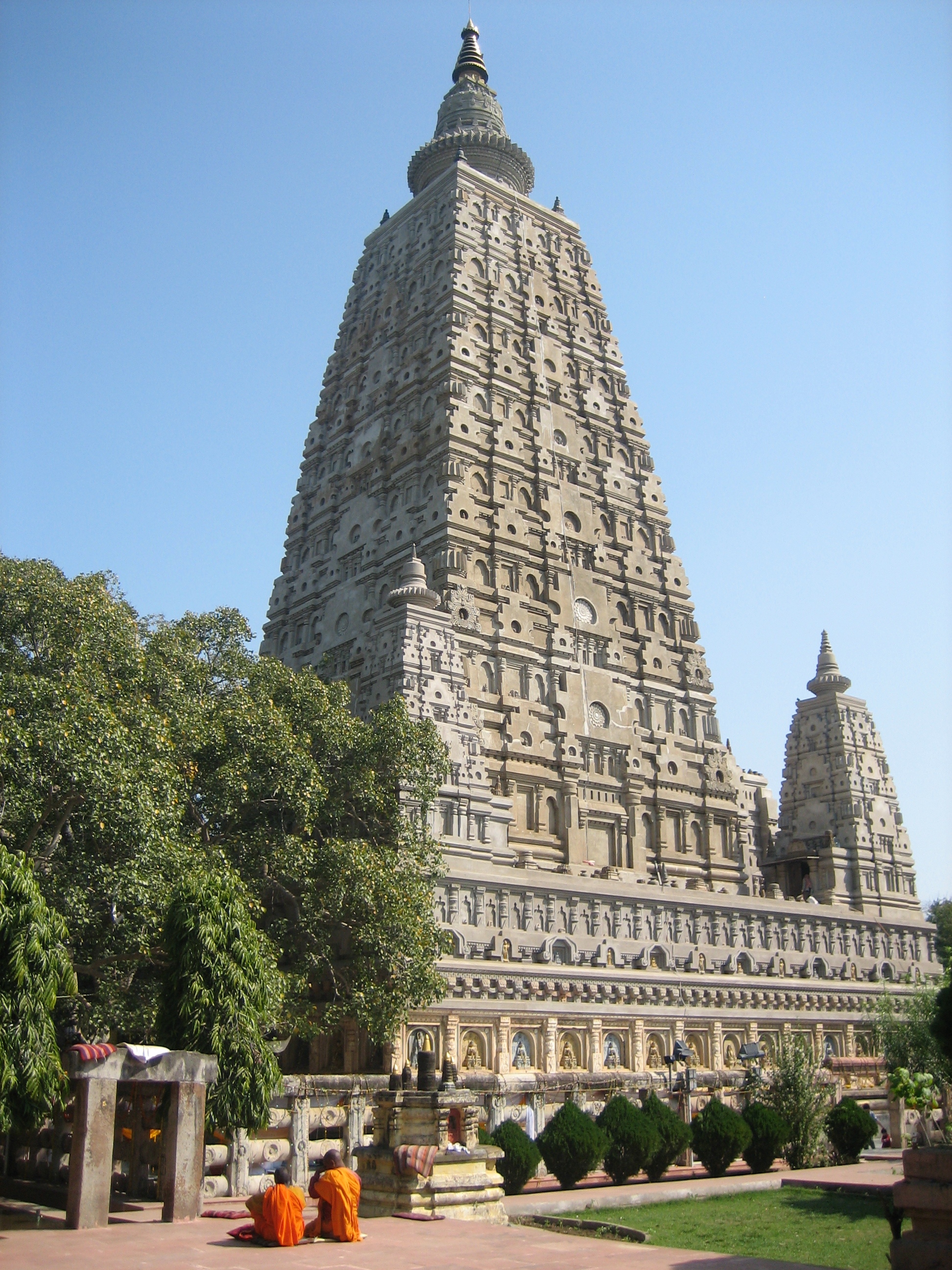
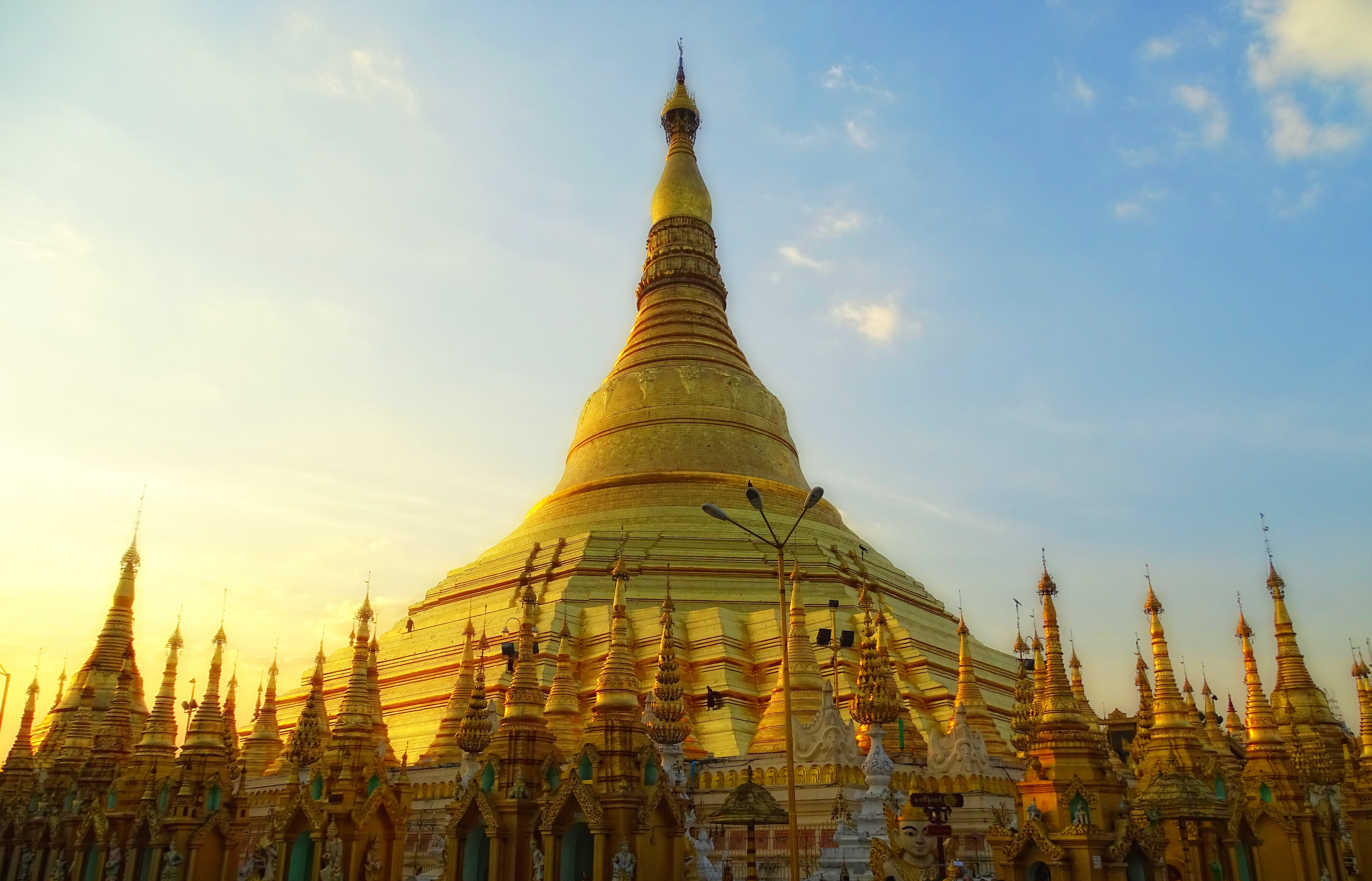
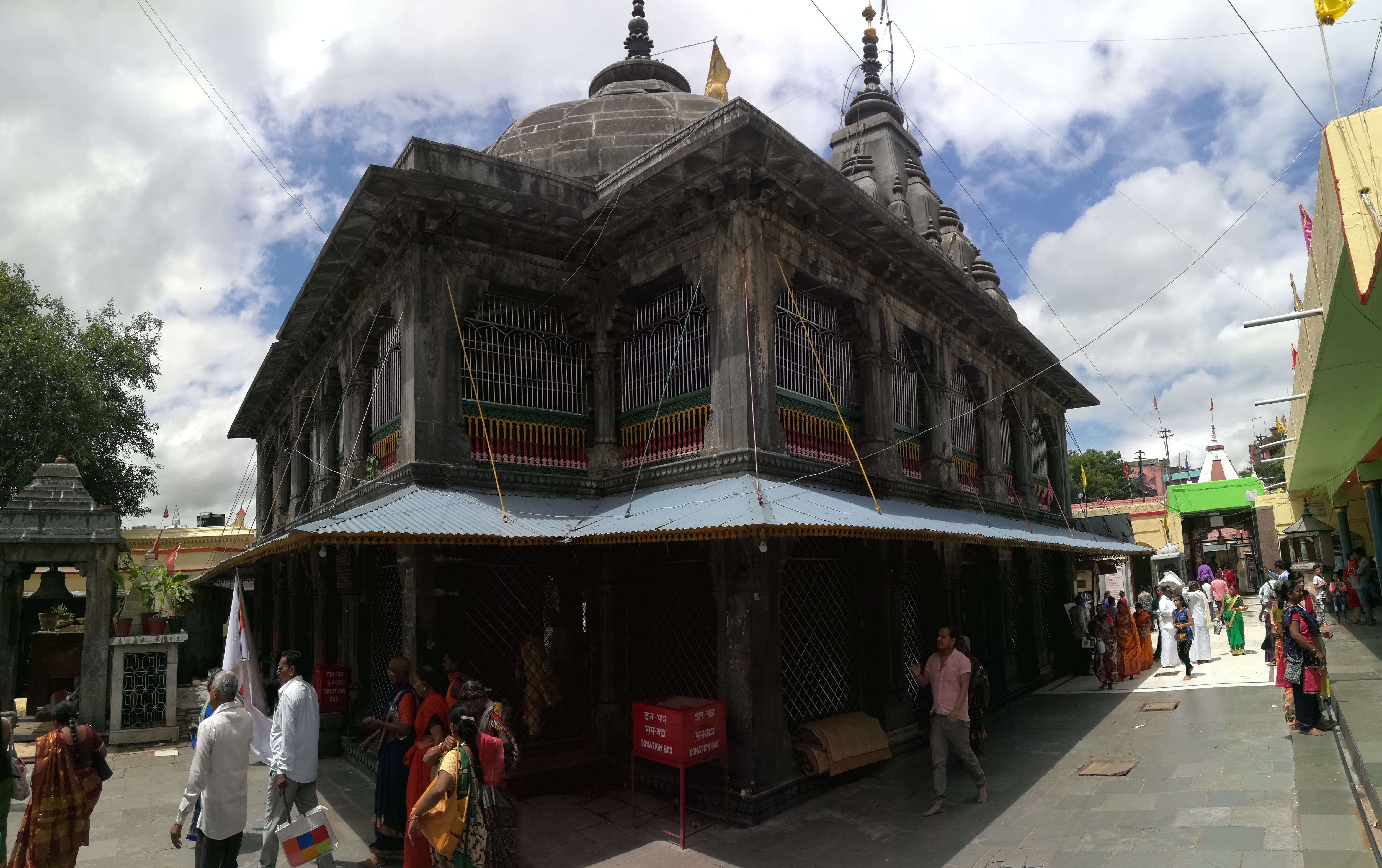
Explore the ancient Giriyak Stupa in Bihar, India. Discover the history, Gupta-era architecture, and mystical legends of Jarasandha's Throne.
Direct answer: Giriyak Stupa: Unearthing the Legend of Jarasandha's Throne is a Hindu temple guide on Hindu Mandir Yatra covering the temple's location in Bodh Gaya, Bihar and its association with Buddha (as enshrined relic stupa).
By Hindu Mandir Yatra EditorialApril 4, 20264 min read
Giriyak Stupa
A complete pilgrim record drawn from the existing published article data.
\n\n
Did You Know?Giriyak Stupa is built in the Buddhist stupa architecture style, embodying the artistic and devotional traditions of its era.
Key Takeaway:Giriyak Stupa stands as a living monument to the spiritual, architectural, and cultural traditions of Bihar.
Deity Profile
Buddha is the presiding deity worshipped at this temple.
Main Deity: Buddha
Form: Relic stupa (not an anthropomorphic icon)
Tradition: Theravada Buddhism
\n\n\n\n
Key Takeaway: The Giriyak Stupa is a remarkable example of early Buddhist architecture, reflecting the sophisticated artistic styles of the Gupta era and connecting the physical landscape with epic historical narratives.
\n\n
Echoes of Antiquity: History and Excavation
Sthala Purana
According to ancient legend, Buddhist monks built the stupa over the body of a dead goose. Alexander Cunningham found a broken sculpture with a goose carving on its pedestal, supporting this tradition as the basis for the stupa’s origin.
Timeline
c. 400–500 CE (Gupta period, 4th–6th century CE)Original construction.
LaterRenovated by Pala Empire (8th–12th century CE).
LaterRenovated by Archaeological Survey of India (2011–2016).
ModernASI-protected monument (managed by Archaeological Survey of India).
\n\n\n\n
The Traveler's Gaze: Faxian and Xuanzang
\n\n
\n\n
The records of ancient pilgrims reveal that the physical geography of the Rajgir Hills was already imbued with spiritual significance, long before modern archaeology began to map these sacred spaces.
\n\n
Archaeological Discoveries
\n\n
\n\n
8.5 meters
\n
The current visible diameter of the stupa stands at an impressive 8.5 meters, a reflection of the scale of this ancient monument.
\n\n
\n\n
Architectural Marvel: Form and Style
\n\n
\n\n
Dimensions and Construction
\n\n
\n\n
Visitor Tip: When viewing the structure, pay close attention to the transition between the brickwork and the stone elements. This layering of materials reveals the evolution of construction techniques from the Mauryan and Pala eras through to the Gupta period.
\n\n
The Gupta Influence
\n\n
\n\n
\n\n
Myth and Majesty: Legends Surrounding Jarasandha
\n\n
\n\n
The Legend of the Goose and the Monks
\n\n
\n\n
The physical structure is overlaid with a narrative of devotion, where the act of building becomes a sacred ritual, linking the physical world to the spiritual realm.
\n\n
The Weight of Royalty
\n\n
\n\n
\n\n
Festivals and Pilgrimage: Connecting to the Present
\n\n
\n\n
Modern Spiritual Journeys
\n\n
\n\n
Visitor Tip: Engage with the local monastic community. Understanding the living traditions surrounding this ancient site offers a deeper, more intimate connection to the history than any textbook can provide.
\n\n
A Reflection on Enduring Legacy
\n\n
\n\n\n\n
\n\n\n\n",
"html_content": "
Giriyak Stupa: Unearthing the Legend of Jarasandha's Throne
\n\n
\n\n\n\n
Key Takeaway: The Giriyak Stupa is a remarkable example of early Buddhist architecture, reflecting the sophisticated artistic styles of the Gupta era and connecting the physical landscape with epic historical narratives.
\n\n
The Sacred Landscape: Location and Setting
\n\n
\n\n
A Place of Natural Resonance
\n\n
\n\n
Did You Know?: The hill upon which these structures are found closely matches the description of the \"Hill of the Isolated Rock\" recorded by Faxian, suggesting that this landscape was already recognized as sacred long before formal written histories of the region were compiled.
\n\n
Giriyak Stupa set among the rolling hills of the Rajgir region at sunrise.\"" data-caption=\"The majestic Giriyak Stupa overlooking the Rajgir Hills.\"/>\n\n
The Sacred Landscape: Location and Setting
\n\n
\n\n
A Place of Natural Resonance
\n\n
\n\n
Did You Know?: The hill upon which these structures are found closely matches the description of the \"Hill of the Isolated Rock\" recorded by Faxian, suggesting that this landscape was already recognized as sacred long before formal written histories of the region were compiled.
\n\n
\n\n
Echoes of Antiquity: History and Excavation
\n\n
\n\n
The Traveler's Gaze: Faxian and Xuanzang
\n\n
\n\n
The records of ancient pilgrims reveal that the physical geography of the Rajgir Hills was already imbued with spiritual significance, long before modern archaeology began to map these sacred spaces.
\n\n
Archaeological Discoveries
\n\n
\n\n
8.5 meters
\n
The current visible diameter of the stupa stands at an impressive 8.5 meters, a reflection of the scale of this ancient monument.
\n\n
\n\n
Architectural Marvel: Form and Style
\n\n
\n\n
Dimensions and Construction
\n\n
\n\n
Visitor Tip: When viewing the structure, pay close attention to the transition between the brickwork and the stone elements. This layering of materials reveals the evolution of construction techniques from the Mauryan and Pala eras through to the Gupta period.
\n\n
The Gupta Influence
\n\n
\n\n
\n\n
Myth and Majesty: Legends Surrounding Jarasandha
\n\n
\n\n
The Legend of the Goose and the Monks
\n\n
\n\n
The physical structure is overlaid with a narrative of devotion, where the act of building becomes a sacred ritual, linking the physical world to the spiritual realm.
\n\n
The Weight of Royalty
\n\n
\n\n
\n\n
Festivals and Pilgrimage: Connecting to the Present
\n\n
\n\n
Modern Spiritual Journeys
\n\n
\n\n
Visitor Tip: Engage with the local monastic community. Understanding the living traditions surrounding this ancient site offers a deeper, more intimate connection to the history than any textbook can provide.
\n\n
A Reflection on Enduring Legacy
\n\n
\n\n\n\n\n\n",
"article_end": "
Visitor Tip: Plan your visit during October to March (cool, dry weather; aligns with Buddha Purnima and other regional Buddhist observances) for the most pleasant pilgrimage experience.
"Every stone here carries the prayers of generations who came before."
"Giriyak Stupa is not just a temple — it is a living chronicle of faith."
c. 400–500 CE (Gupta period, 4th–6th century CE) — a defining mark of this sacred site.
The temple article remains powered by the same published content pipeline. This view is only a presentation layer over the existing Hindu Mandir Yatra article data.
Shri Kanthamuri Brahmavedi Mandir — Vannarpettai, Tamil Nadu 627809